Is a String Trimmer the Same as a Weed Wacker? Settled
The first answer says yes, they match in full. You may ask, is a string trimmer the same as a weed wacker, in truth? Later parts argue the flip case in depth. This guide keeps each view the post gives. Yes first, flip case next here. Each view stays in this guide. Truth is what the ask seeks. Depth marks the flip case.
Both names point at one known yard tool. It trims grass and weeds that mowers can not reach. It edges walks, drives, and flower beds well. Buyers meet both names on like tools each day. One tool bears both names here. Mowers miss what it trims. Edges are its home work. Like tools bear both names.
One part splits them by shaft and blade. One FAQ gives this same ask a no. The last part lands between the two ends. Read on to see the whole case in plain words. Shaft and blade split them once. Mid ground ends the post. One no sits in the FAQs. Plain words show the case.
Quick answer: The post argues both sides of this question. Its opening calls the two names one tool. Its differences section splits them by design instead. One FAQ answers no to this question directly. This guide keeps every view side by side.
Is a String Trimmer the Same as a Weed Wacker? First Answer
The post starts by calling them the same. One tool with range bears both names. A motor spins its cut head at speed. That head trims hard-to-reach grass and weeds. Both names sit on one tool. Speed spins the cut head. Range is the shared trait. Hard spots are its trim zone.
Please note: The opening calls both names the same tool. The differences section treats them as different equipment. One FAQ answers no to this question directly. Both views stay here exactly as originally published.
Where the Other Answer Comes From
The same post later says they do differ. It calls them two types of gear. Known gaps help a smart pick, it seems. Our sister name guide weighs the same ask. Two types is the later claim. Same ask sits in that guide. Smart picks need known gaps. Flip claims sit mid post.
The Wikipedia Weed Eater page covers the brand past the name. The post calls Weed Wacker a brand too. That brand name turned broad in time, it seems. Name past clears up part of the mix here. Brand past drives the name. Broad names grew in time. Weed Wacker counts as brand here. Mix starts with name past.
What Each Name Means in the Post
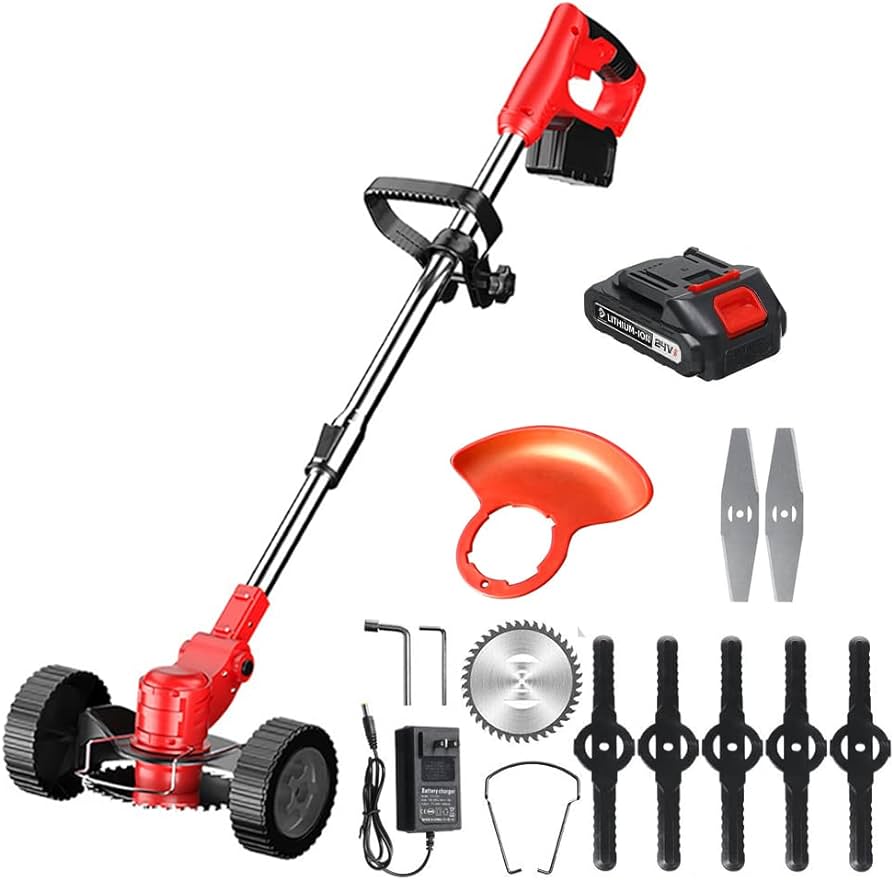
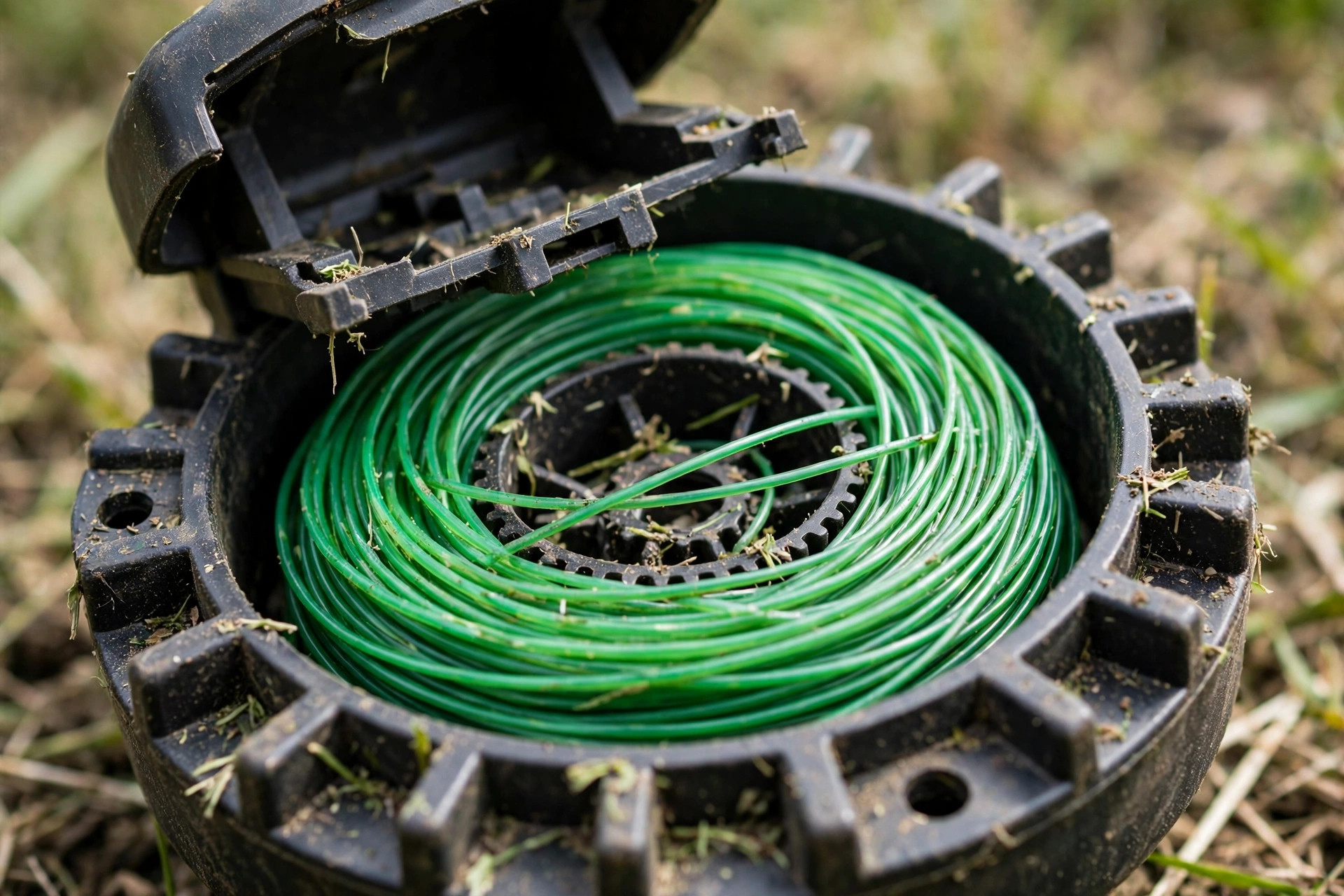
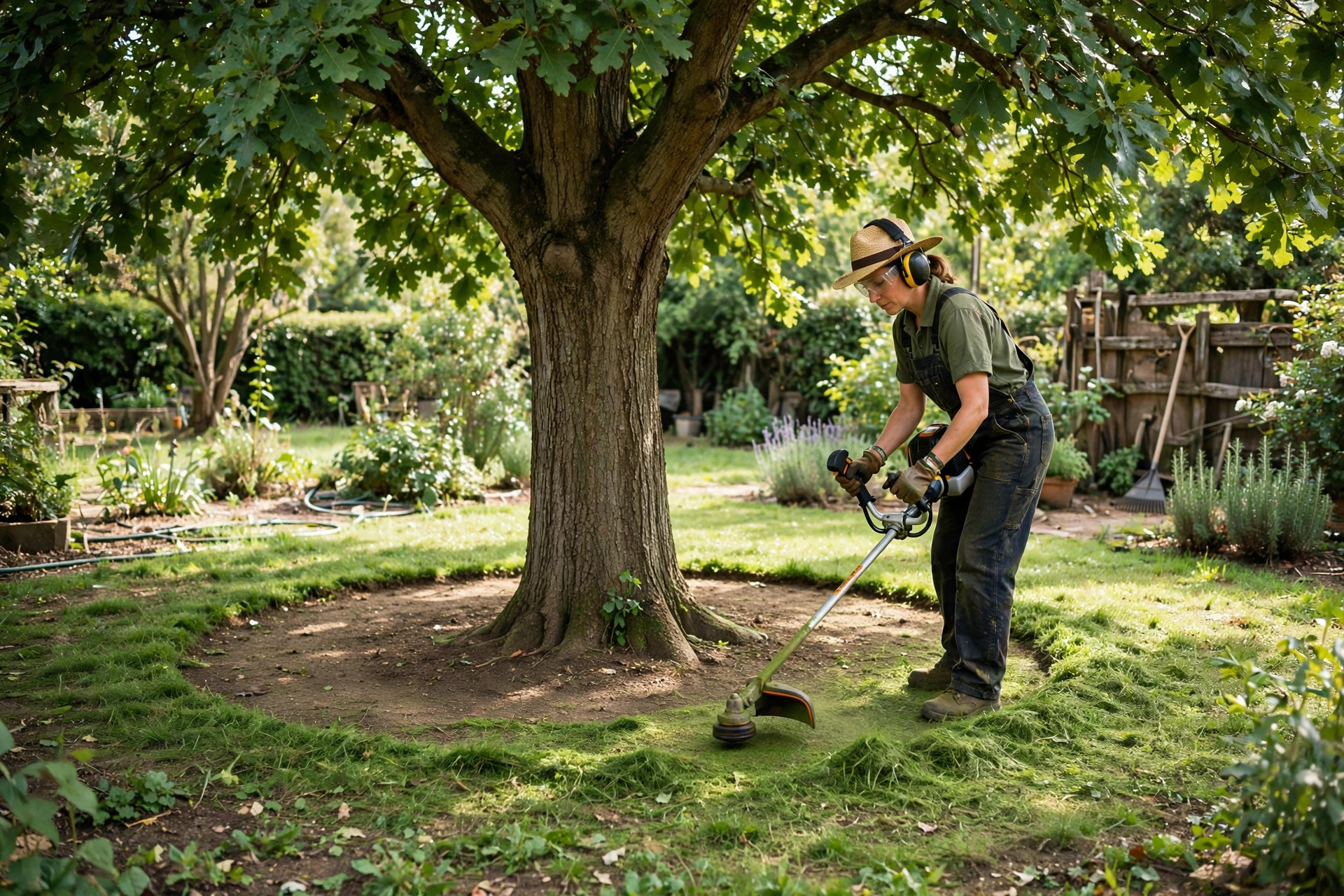
The post sets out the string trimmer first here. A long shaft bears a cut head at its base. A spool of nylon line spins at speed. Plug power or gas runs the whole tool in the yard. Long shafts bear the heads. Nylon line does the cut. Gas or plug runs it both. Spools hold the nylon line.
The Weed Wacker, as Defined Here
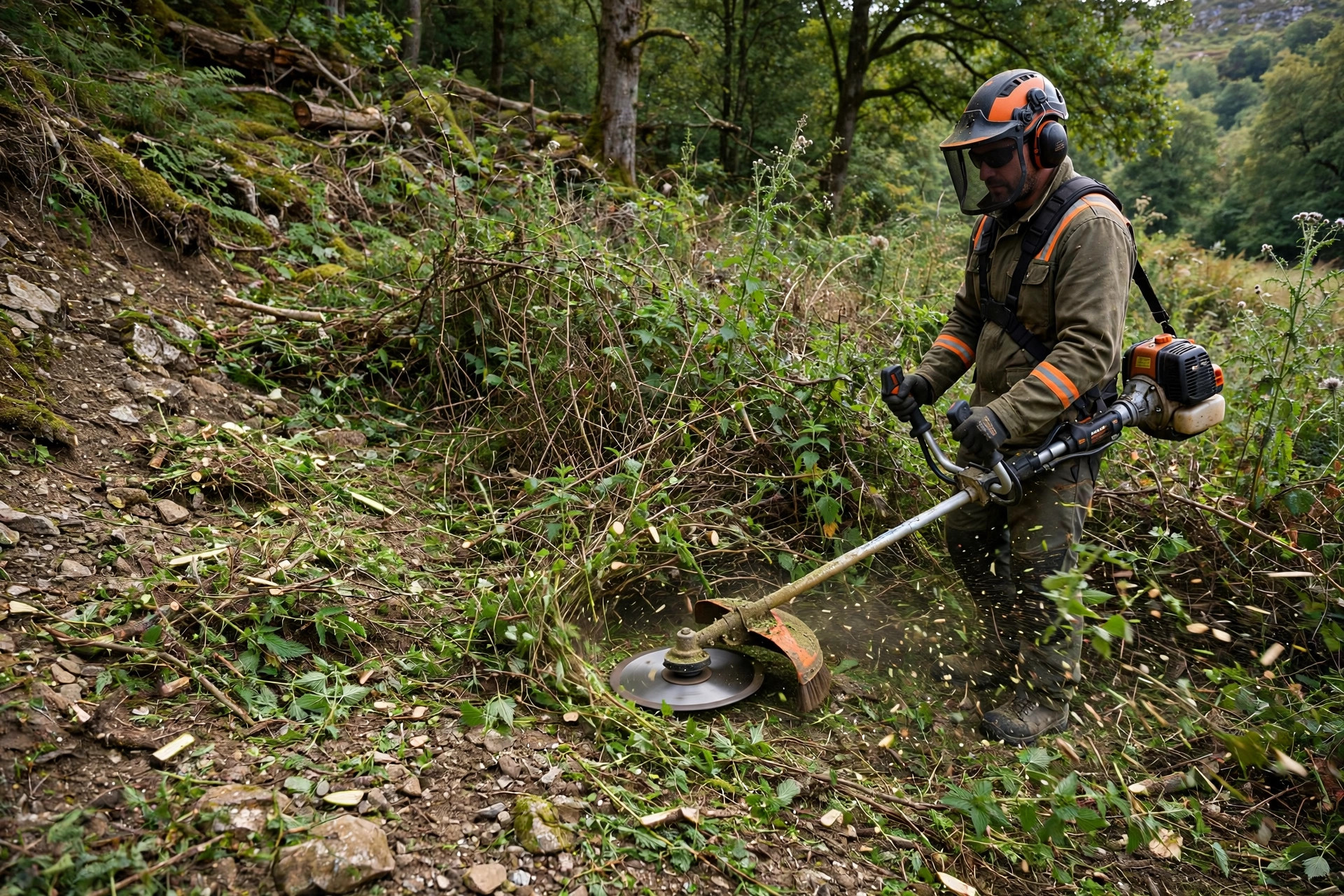
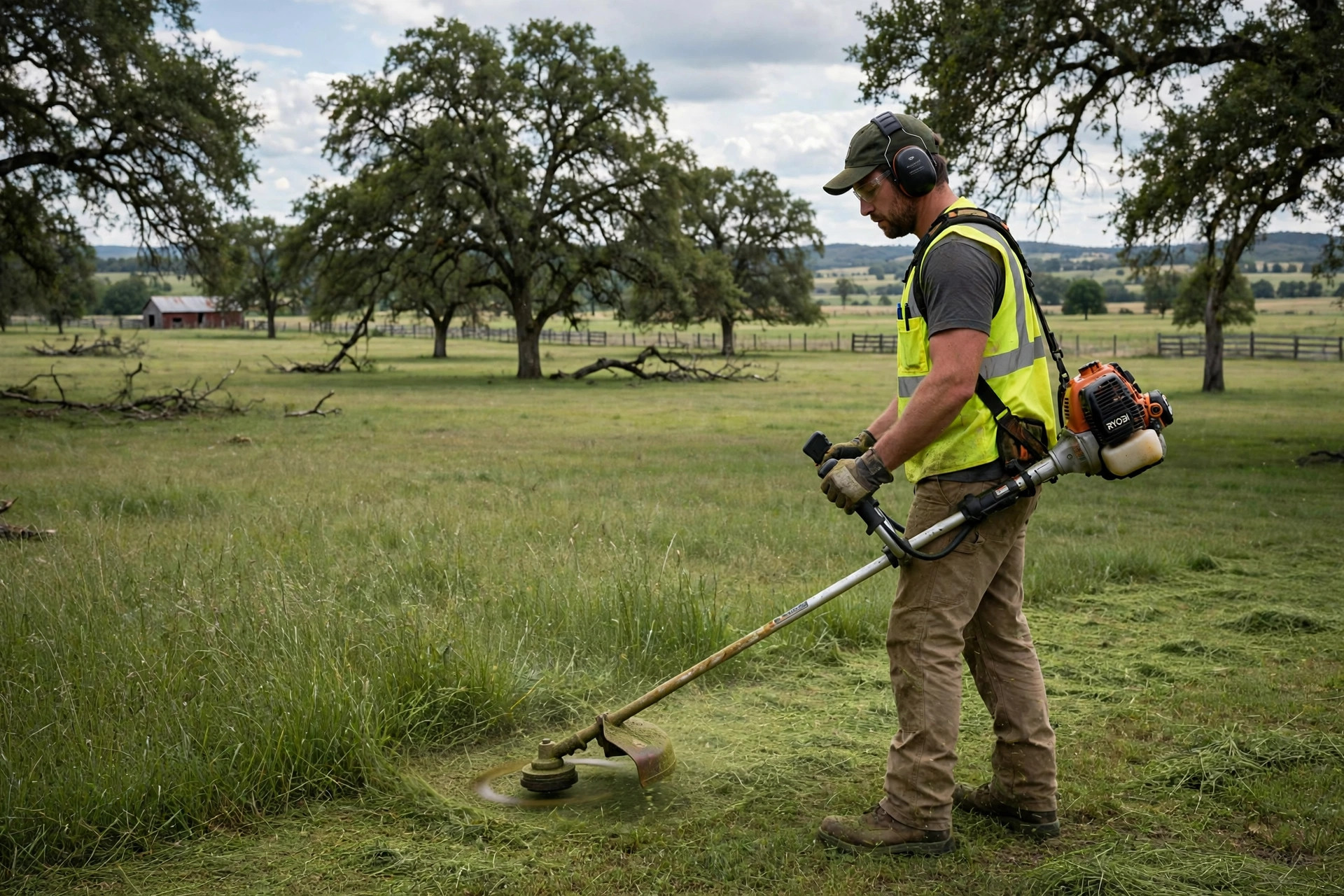
The weed wacker gets a more short shaft in its place. Its motor has more power, per the post. A steel blade or thick line cuts growth. Dense brush and small trees suit it best. Short shafts mark the wacker. Steel blades cut dense brush. More power marks its motor. Small trees suit it best.
Wood edges, ditches, and rough ground come next. The trimmer serves neat lawns and edges in its place. Our string trimmer guide sets out the base tool. Our weed eater name guide covers the third name. Rough ground suits the wacker. Neat lawns suit the trimmer. Third names sit in that guide. Base tools sit in that one.
Where the Post Splits Them: Power and Cutting
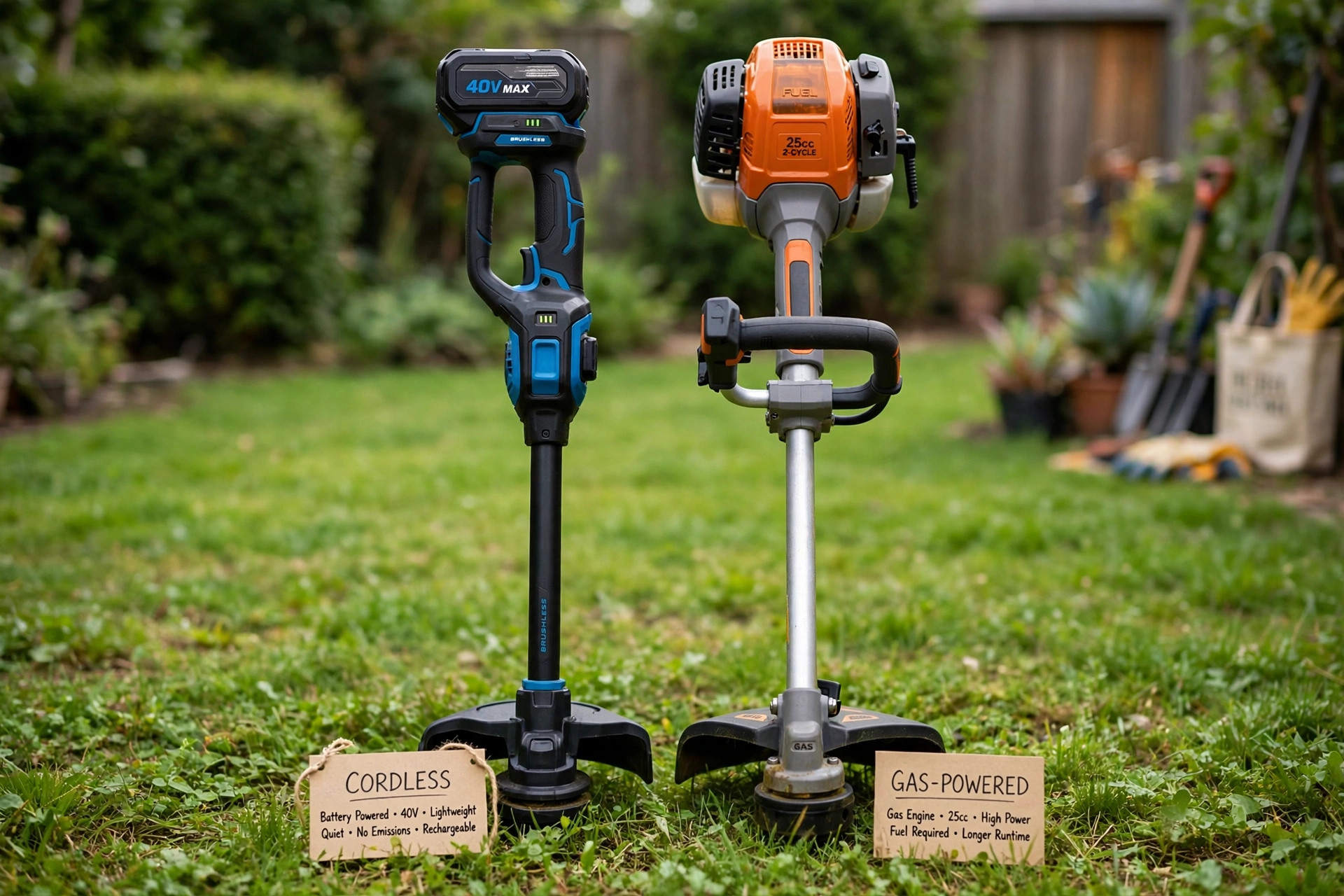
Power source is the first split named here. String trimmers most times run on plug power, it says. Weed wackers run on gas motors more times in their place. The table below keeps the full split. Plug runs one, gas the next. Full splits sit in that table. First split is power source. Tables keep splits whole here.
| Point | String Trimmer | Weed Wacker |
|---|---|---|
| Power source | Typically electric, often corded for steady power | Often a gasoline engine for mobility |
| Build | Long shaft; lighter and easier to maneuver | Shorter shaft; bulkier, heavier, more powerful engine |
| Cutting part | Nylon string spinning at high speeds | Plastic or metal rotating blade, more durable |
| Best for | Precision trimming of lawns and small vegetation | Heavy brush, small trees, rugged overgrown areas |
The Safety Footnote in the Split
The blade may make a wacker less safe. The post flags care with blade types in use. Gas types run more heavy and more loud in all. Our weed cutting guide shows line cuts at work. Blades call for more care. Gas runs heavy and loud. Care flags sit in the post. Line cuts sit in that guide.
Pros and Cons of Each, per the Post
The post lists pros and cons for both. Odd though, each list paints a like tool in all. Speed and range show on both sides here. The table below keeps both lists whole. Both lists paint like tools. Whole lists sit in that table. Speed shows on both sides. Range shows on both sides.
| Tool | Post Advantages | Post Disadvantages |
|---|---|---|
| String trimmer | Efficient, versatile, easy to use, time-saving, uniform appearance | Noisy; needs protective gear; power dependency; line breakage; struggles with thick vegetation |
| Weed wacker | Flexible reach, portable, versatile attachments, time and energy savings | Noisy; higher cost; potential safety risks; limited cutting width |
What the Two Lists Reveal
Both tools pledge speed past hand trim ways. Both call for eye guards, pants, and closed-toe shoes. Line breaks haunt one list, blades the next. Our attachment fit guide sets out swap cut heads. Speed beats hand ways both. Guards and shoes both need. Line breaks haunt one side. Blade risks haunt the next.
Choosing the Right Tool for Your Needs
The post ends with five pick points in all. Power source leads the list, as it did here. Weight and ease of moves come next in its order. Range, care, and noise close the five. Five points close the post. Noise is the last point. Weight comes next past power. Care joins the five points.
Matching Factors to Your Yard
Small yards and tight funds suit plug types. Big zones and thick growth favor gas power. Plug types run more soft with less fumes in all. Our weed trimmer use guide covers day skills past the pick. Tight funds suit plug types. Thick growth favors gas most. Less fumes mark plug types. Day skills sit in that guide.
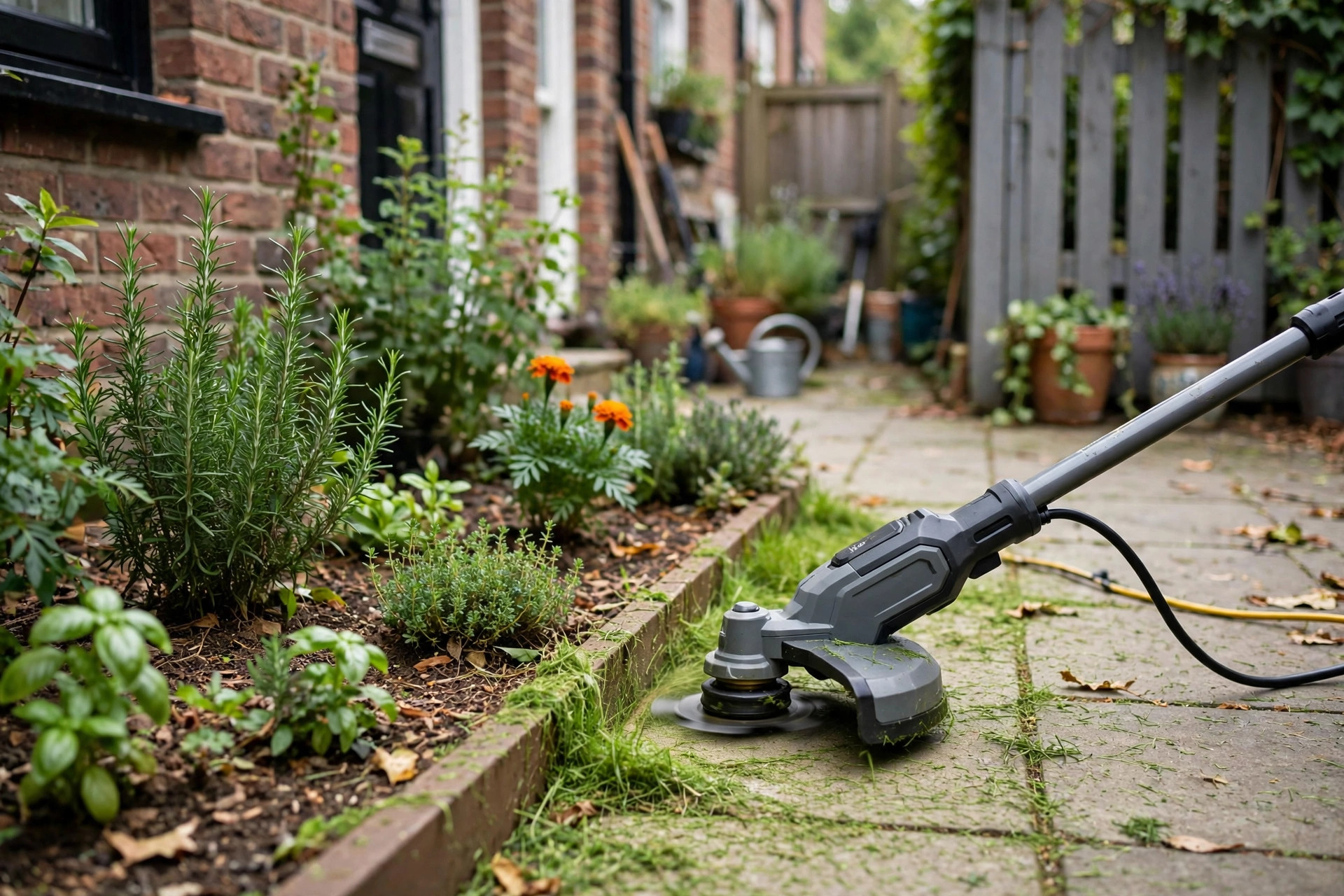
Right use and care count for each pick. Weigh your own needs before you spend on tools. The right pick keeps yard spots neat with ease. Our buying guide lists each check point in order. Needs come before spend here. Check points sit in that guide. Right picks keep spots neat. Spend comes past the weigh.
Frequently Asked Questions
Is a string trimmer the same as a weed wacker?
No, this post’s FAQ gives a straight no here. Both tools cut weeds and grass in like ways in all. A string trimmer trims edges and small spots. A weed wacker takes big, tough growth in its place. Straight no is this answer. Edges suit one, growth the next. Like cuts, split jobs here. Small spots suit the trimmer.
How does a string trimmer work?
A fast spin string cuts through growth clean. The string is most times made of nylon stock. It makes neat, even trims on edges. Fences, walls, and lawn edges gain most. Nylon stock makes the string. Edges gain most from it. Clean cuts come from spin. Neat trims line the edges.
What are the benefits of using a weed wacker?
It clears wild zones more fast than hand ways. It takes thick growth a mower can not take. True trims and shapes come with it too. Lawns gain a pro neat look fast. Wild zones clear more fast. Thick growth beats mowers here. Hand ways lose on speed. Pro looks come quite fast.
Can I use a string trimmer on all types of weeds?
It works on most weed types in all. Tough weeds may need more skills or tools. Thick, woody weeds suit a brush tool more well. A more heavy weed wacker takes them too. Most weeds fall to it. Woody weeds need brush tools. Tough weeds may need more. Heavy wackers take them too.
Is Weed Wacker a brand name?
Yes, the post treats it as one at first. The name turned broad in time. Folks now use it for like tools in most talk. That past feeds much of the mix-up. Broad names came in time. Past feeds the mix-up here. One brand is the start point. Most talk uses it broad.
Conclusion: Is a String Trimmer the Same as a Weed Wacker
So, is a string trimmer the same as a weed wacker? The post’s own last part finds slight gaps just. Trimmers mean power tools with spin line most times. Wackers span a more broad range of tools in most talk. Most buyers use both names in swap each day. Slight gaps end the post. Swap names rule most shops. Spin line marks the trimmer. Broad range marks the wacker.
Known fine points guide the right tool pick. Yard tasks grow more swift and more fun past that. Pick by your yard, growth, and power needs. Shops list both names with no clear rules. Each name still calls for care and safe gear. Fine points guide the pick. Both names need safe gear. Swift tasks chase right picks. No rules rule shop lists.