What Size String Trimmer Do I Need
So, what size string trimmer do i need? The answer depends on your yard size. Plant type matters a great deal too. How often you trim matters as well. This guide follows the post in full. Yard size leads the answer. Plant type matters too. Use rates matter as well. Full guides follow the post. Answers start with yards. Posts guide the pick. Yards decide the size. Size leads each answer.
Small yards suit light, compact trimmers best. Large yards demand wider paths. They demand stronger engines too. Comfort shapes the final choice. Budget shapes it as well. The sections below cover types first. They cover yards and power in order. Types come first below. Power comes last below. Comfort shapes the choice. Budget shapes the choice. Strong engines suit large yards. Wide paths suit large yards. Light tools suit small yards. Sections run in order.
A well matched trimmer saves time weekly. It cuts strain on arms and back. Precision tools reach tight spots. Mowers cannot touch those spots at all. Your yard will look tidy all season. Right fits save strain. Tidy yards last all season. Spots beyond mowers get cut. Weekly time gets saved. Backs stay safe here. Arms stay safe here. Season-long tidy yards follow. Precision reaches tight spots.
Quick answer: Match the trimmer size to your yard first. Small yards suit twelve to fourteen inches best. Medium yards need fourteen to seventeen inches instead. Large yards need seventeen to twenty inches outside. Gas power suits heavy, overgrown work best overall.
What Size String Trimmer Do I Need? Start With Your Yard
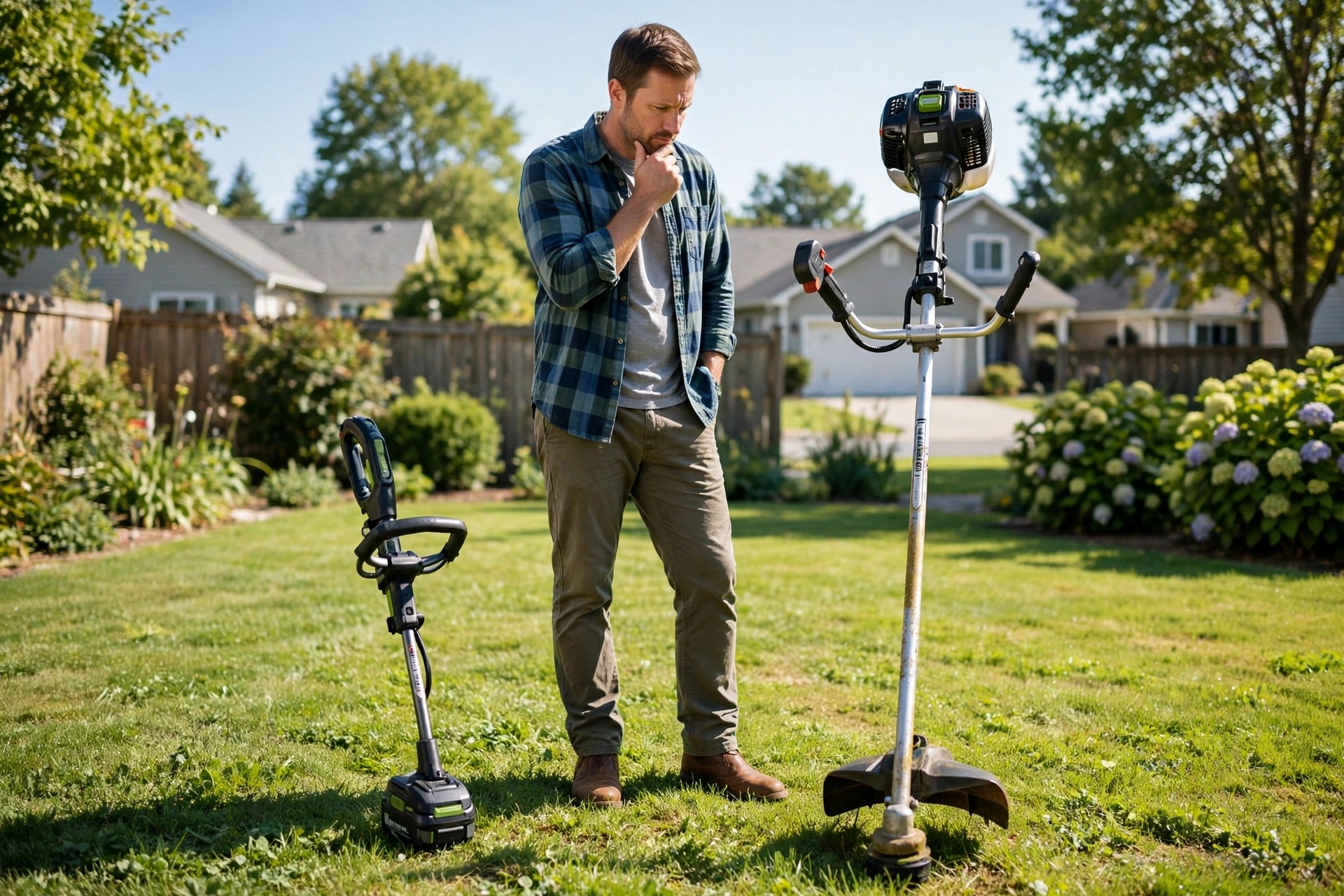
Assess your yard before you buy a trimmer. Size shapes the right choice first. Terrain shapes it too. Plant type changes the power you need. How often you trim guides the choice. Yard checks come first. Power needs follow plants. Terrain shapes the choice. Final choices follow checks. Sizes shape the pick. Buys follow yard checks. Choices follow yard facts. Decisions follow the yard.
| Factor | What the Post Says |
|---|---|
| Yard size | Small yards suit compact trimmers |
| Terrain | Slopes need power and adjustable angles |
| Vegetation | Thick growth needs stronger cutting |
| Frequency | Frequent use suits larger swaths |
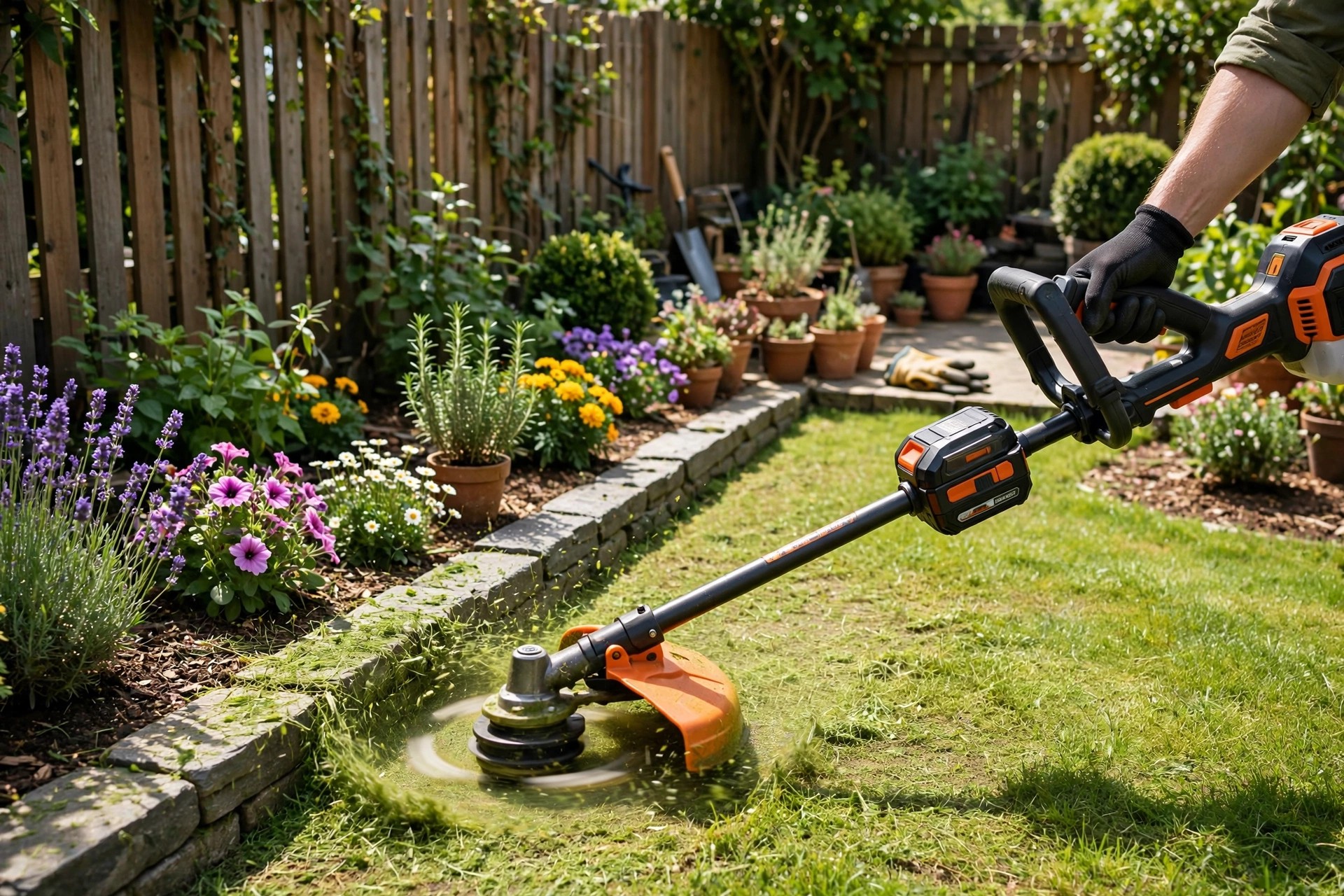
String trimmers reach spots a lawnmower cannot. They trim around trees and fences. They trim around flower beds too. Trimming weeds at root level stops spread. Attachments convert some models to edgers. Some convert to blowers as well. Mowers miss these spots. Trees and fences get trimmed. Root cuts stop weed spread. Edgers grow from some models. Beds get trimmed too. Blowers grow from some models. Fences get trimmed too. Attachments add edger modes.
The Wikipedia string trimmer page explains how string trimmers cut grass. Our string trimmer guide explains what a string trimmer is. The Wikipedia lawn page covers lawn care and maintenance basics. Our trimmer uses guide lists trimmer uses in daily life.
Types Of String Trimmers And Their Benefits
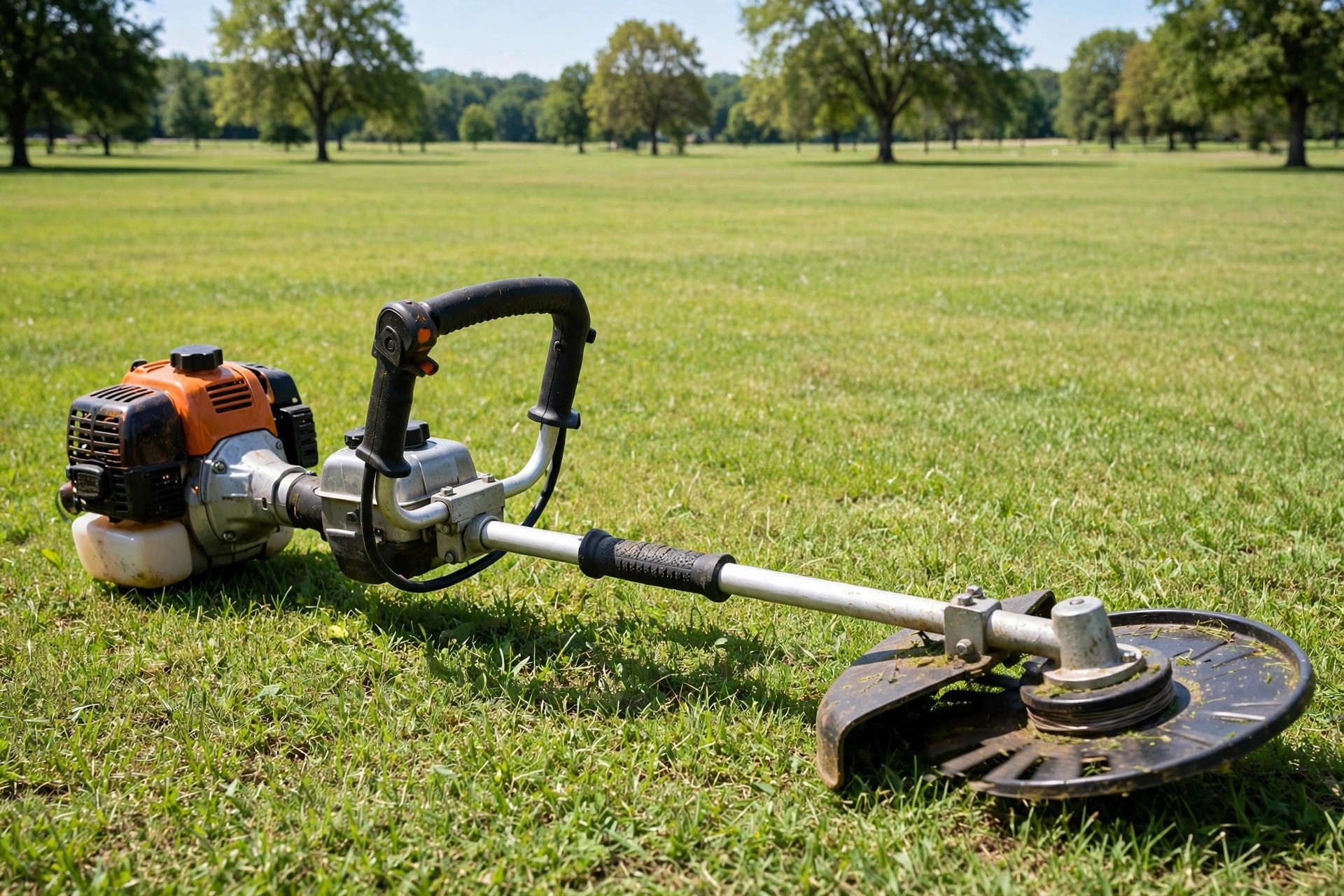
Gas trimmers are known for power. They are known for endurance too. They run on a mix of gas and oil. Their robust engines handle thick weeds with ease. Large yards suit them best. Heavy tasks suit them best too. Thick weeds suit gas best. Gas and oil fuel them. Endurance marks gas tools. Heavy tasks suit gas. Power marks gas tools. Mix fuel feeds gas tools. Robust engines cut thick weeds. Ease marks thick weed work.
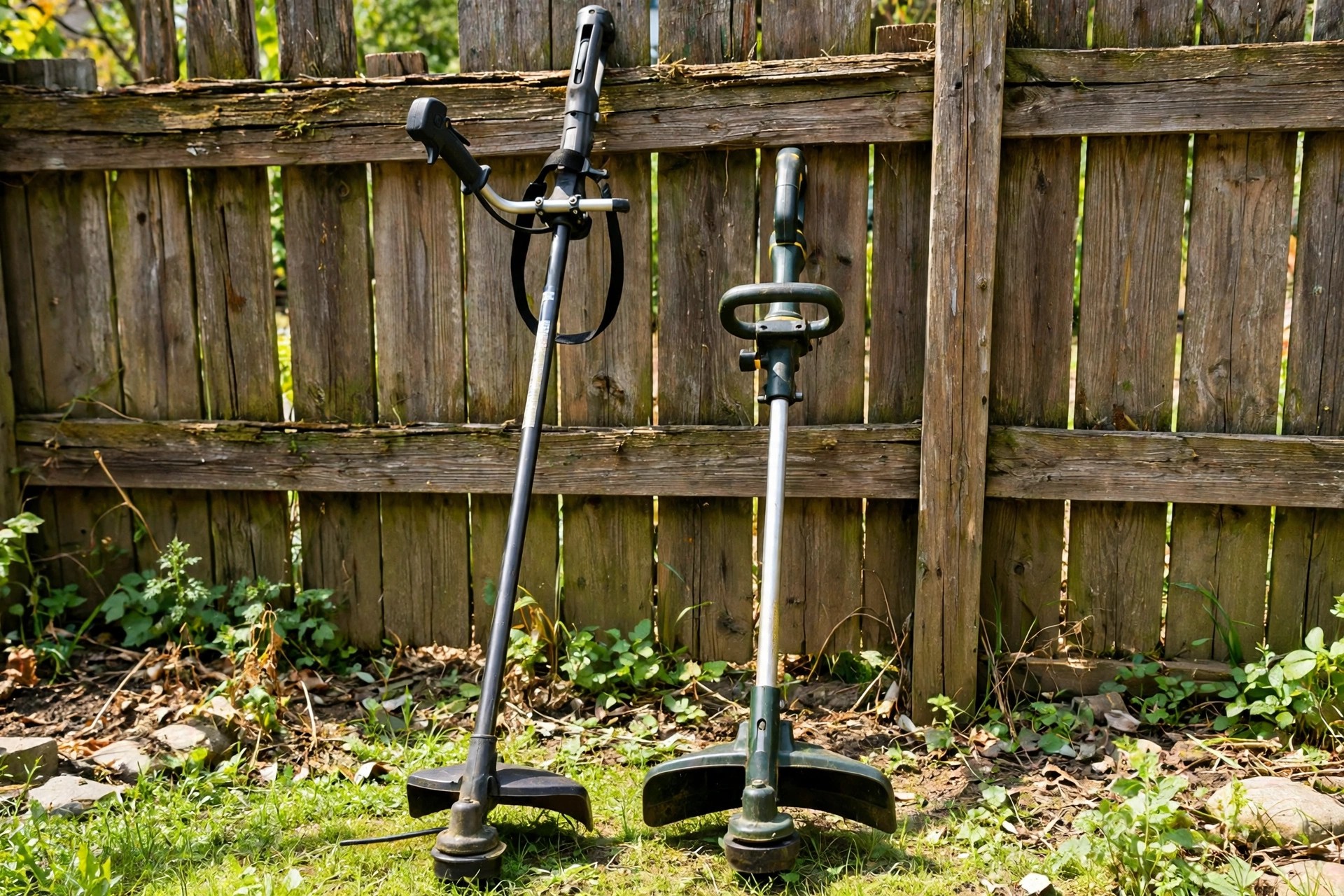
Electric trimmers are lightweight tools. They are easy to maneuver too. They emit zero emissions at home. Corded models need a power source nearby. Cordless models run on rechargeable batteries instead. Home use stays clean here. Nearby power feeds corded tools. Batteries free cordless tools. Light weight aids movement. Zero emissions mark these. Easy movement marks these. Sources sit near corded tools. Rechargeable cells free tools.
Battery trimmers offer cordless ease. No fuel mixing is needed at all. They suit small to medium yards well. They are quieter than gas models too. Modern batteries give decent runtime. Most yards need no more than that. Quiet work suits these tools. Runtime suits most yards. Fuel mixing stays away. Small yards suit them well. Medium yards suit them too. Cordless ease leads here. Decent runtime covers most yards. Gas noise stays away.
Our types guide explains the main trimmer types. Our dewalt size guide covers Dewalt string sizes in detail. Compare types with care before you spend. Each type serves distinct yards best. Each type serves distinct owners best. Types differ by yard. Owners differ by type. Spend checks come first. Dewalt sizes have a guide. Main types get explained. Detail sits in size guides. Careful compares save cash. Distinct yards pick distinct types.
The Right Size For Small, Medium And Large Yards
Small yards want lightweight trimmers. They want easy to maneuver tools. A cutting path of 12-14 inches is ideal. Battery models suit small yards best. Electric models suit them best too. Adjustable handles improve longer sessions. Comfortable grips help as well. Light tools suit small yards. Grips ease long sessions. Handles adjust for comfort. Ideal paths run 12-14 inches. Battery tools suit them best. Electric tools suit them best. Sessions ease with fit grips. Paths of 12-14 inches fit.
Medium yards suit slightly larger, more powerful trimmers. Choose a cutting path of 14-17 inches here. Electric or gas models both work well here. Gas engines between 25cc and 30cc handle thickness.
Please note: This post gives two views on cutting widths. Its questions suggest twelve to fourteen inches for medium lawns. Its size sections recommend fourteen to seventeen inches instead. Both original points stay in place below here.
Large yards need robust, powerful trimmers. Look for cutting paths of 17-20 inches plus. Gas models offer unmatched power there. They offer unmatched mobility too. Bike handles give better control. They help over extensive areas. Wide paths suit big yards. Bike handles aid control. Mobility marks gas tools. Paths run 17-20 inches plus. Control grows with bike handles. Unmatched power sits with gas. Extensive areas need control. Large yards need gas most.
Matching Power And Features To Your Yard
Gas trimmers beat all for heavy duty tasks. High capacity engines give maximum force. They trim dense growth with ease. They do it almost effortlessly each time. No cords restrict your movement. No battery limits restrict it either. Force leads heavy tasks. Dense growth bows to gas. Movement stays free here. Battery limits stay away. Cords stay away here. Effortless cuts mark gas. Maximum force sits with gas. Heavy duty leads to gas.
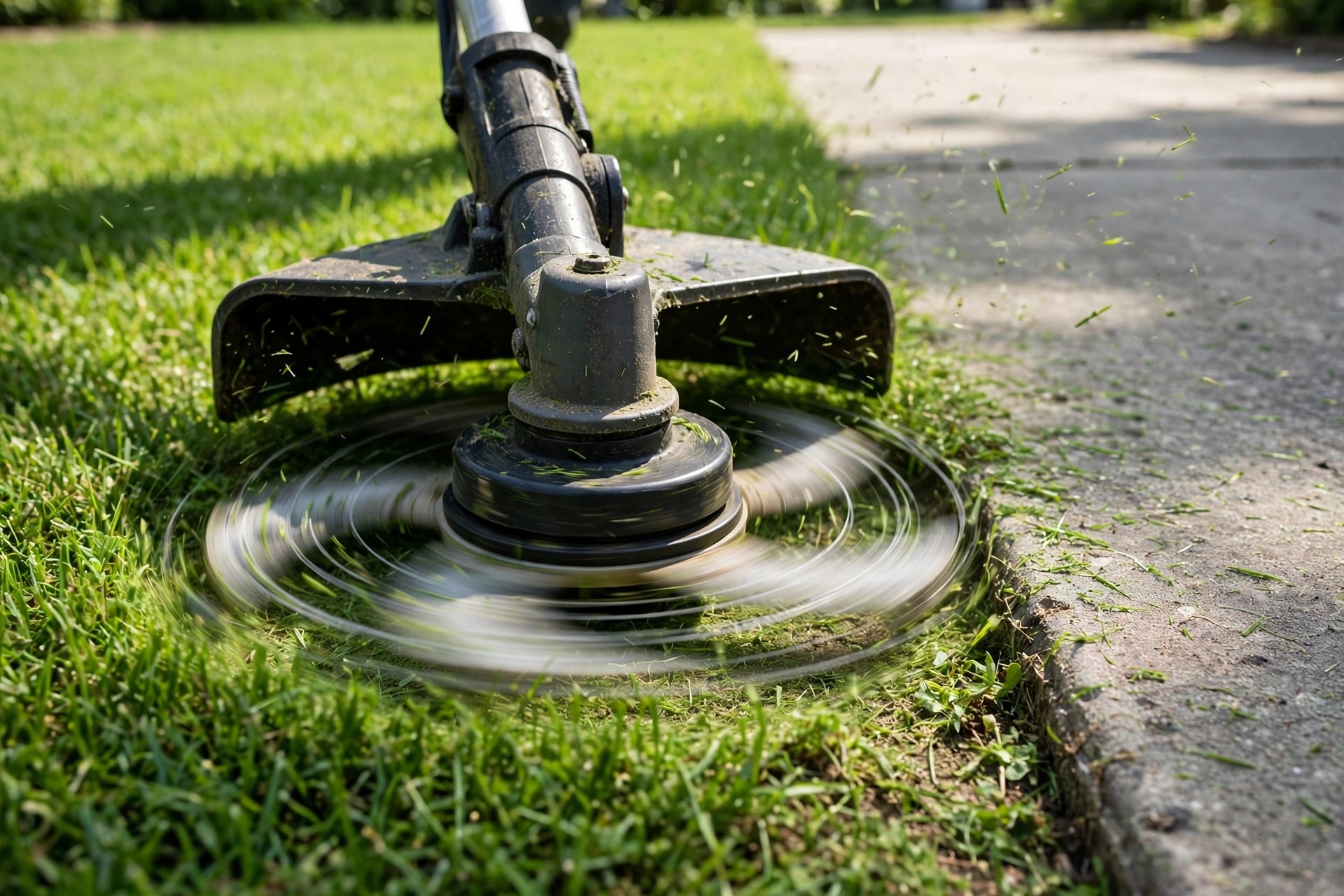
Electric trimmers suit smaller yards. They suit eco friendly owners too. Corded models give consistent power. That power lasts while plugged in. They cost less than gas models in general. Cordless models add flexibility. They keep most of their power too. Small yards suit these tools. Low cost aids these picks. Steady power suits corded. Flexibility marks cordless tools. Eco owners suit these tools. Plugged power stays steady. Much power stays with cordless. General costs favor electric.
Battery trimmers give top convenience. They give top flexibility too. No cords tangle as you work. No fumes hang in the air. They navigate tight spaces with ease. They handle corners effortlessly too. Interchangeable batteries allow non-stop trimming. Big jobs benefit from that most. Tight spaces suit these tools. No fumes hang around. Corners suit these tools. Big jobs suit spare batteries. Cords never tangle here. Non-stop work suits big jobs. Spaces stay easy to reach. Interchangeable packs aid big jobs.
Our string loading guide shows string loading steps. Our lawn edging guide explains clean lawn edging. Match features to your yard first. Ignore advertising claims in that match. The right match makes trimming feel easy. Yard match beats ad claims. Easy weeks follow right matches. Loading steps have a guide. Edging steps have a guide. Features match yards first. Clean edging has a guide. Ad claims lose to yard match. Right matches ease weeks.
Safe Use And Maintenance Tips
Wear safety glasses, long pants and closed shoes. Ear protection shields you from debris. It shields you from noise too. Inspect the trimmer for damage first. Do this before each use. Clear rocks, branches and wires away. Safe dress comes first. Debris shields matter too. Clear ground comes first. Damage checks come first. Noise shields matter too. Rocks clear out first. Wires clear out first. Branches clear out first.
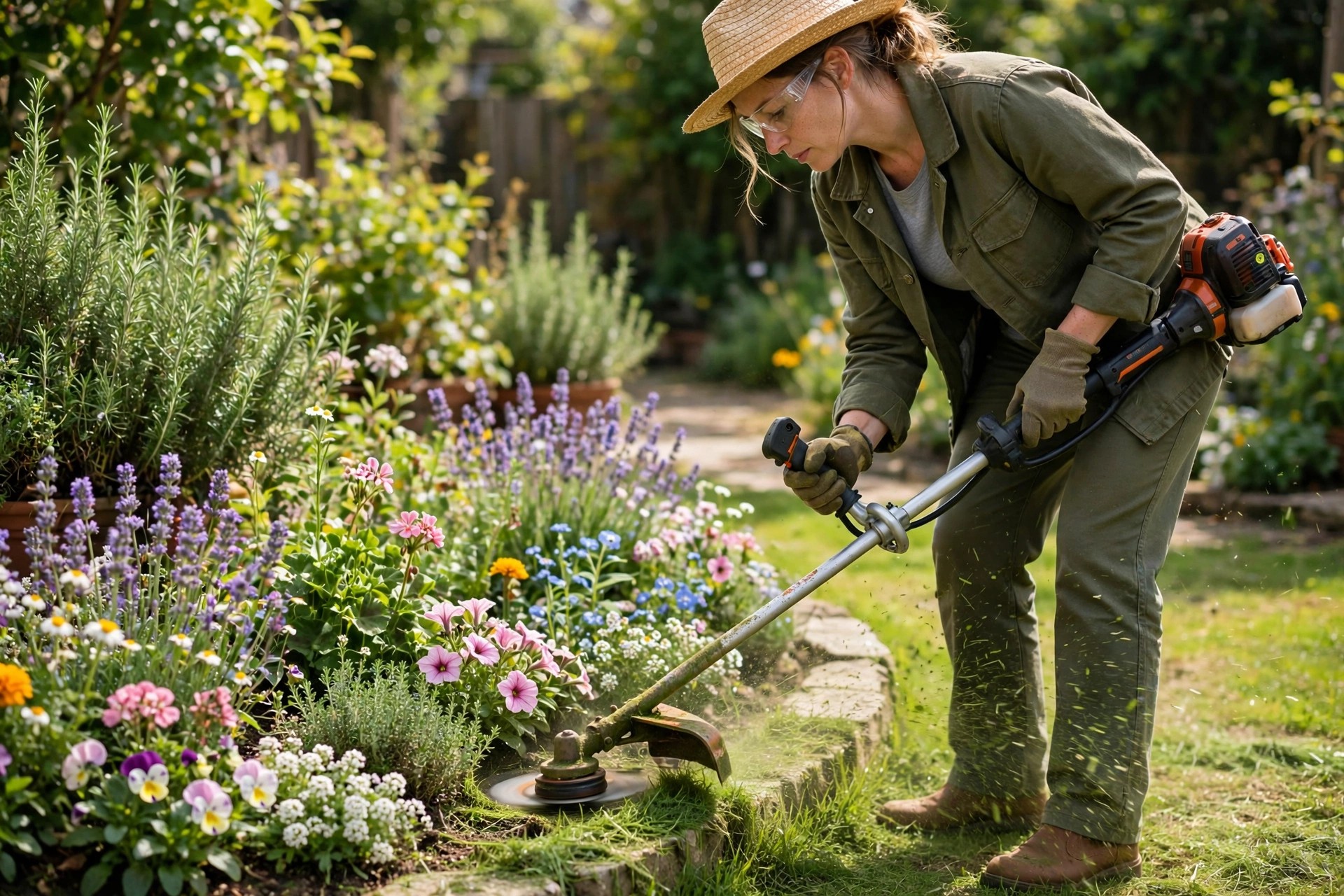
Hold the trimmer horizontally for edging. Edge along paths in that pose. Move in a sweeping motion. That gives clean results each time. Start at the tip for long grass. Start there for overgrown grass too. Avoid excessive force while trimming. Avoid excessive pressure as well. Clean results need smooth moves. Tips start long grass. Force stays low here. Pressure stays low too. Sweeping moves clean paths. Long grass starts at tips. Overgrown grass starts at tips. Horizontal holds edge paths.
| Task | Frequency |
|---|---|
| Clean the trimmer | After each use |
| Inspect and tighten screws | Monthly |
| Check the air filter | Every 25 hours |
| Change the spark plug | Every season |
Our trimmer care guide covers care for long life. Store the trimmer somewhere dry and secure. Regular checks keep performance reliable. They keep it reliable for years. Replace worn string in good time. Replace it before performance drops off. Dry storage guards the tool. Checks keep tools reliable. Worn string gets swapped. Years follow regular checks. Long life follows care. Secure spots store tools. Performance stays reliable here. Drops warn of worn string.
Frequently Asked Questions
What Size String Trimmer Do I Need For My Lawn?
Small to medium lawns suit twelve to fourteen inches. Large lawns need sixteen to eighteen inches instead. Thick grass also suits the wider size better. Efficient cutting and coverage guide the choice here.
Does The Cutting Width Of A String Trimmer Matter?
Yes, the cutting width matters a lot. A wider width covers more area. It covers it in less time too. Large lawns benefit most from wide widths. Choose wider if trimming time matters. Wide widths save time. Large lawns gain most. Time gains favor wide widths. Area gains favor wide widths. Width picks save time. Less time favors wide widths. Trimming time picks width. Wider cuts cover more area.
What Features Should I Consider When Choosing A String Trimmer?
Consider cutting width first here. Consider the power source too. Weight affects comfort during use. Adjustable handles affect comfort as well. The line feed mechanism matters for convenience. These features impact performance. They impact ease of use too. Comfort rides on weight. Handles shape comfort too. Feed systems matter too. Performance rides on features. Ease rides on features too. Width leads the feature list. Sources pick power first. Convenience rides on feed systems.
What Size String Trimmer Suits A Medium-Sized Yard?
Medium yards suit fourteen to seventeen inch paths. This size balances speed with precise control well. Electric or gas models both suit medium yards. Gas engines of 25cc to 30cc handle thickness.
How Often Should I Maintain My String Trimmer?
Clean the trimmer after every use. Inspect screws and bolts each month. Tighten them as you inspect them. Check the air filter every 25 hours. Change the spark plug every season. Clean tools last longer. Monthly checks catch loose bolts. Filters need hour checks. Plugs change each season. Air filters need checks. Screws need monthly checks. Bolts need monthly tightening. Hours guide filter checks.
These answers come from this post itself. The sections above explain each one. They explain each in full detail. The right size makes yard work easier. Work slowly as you trim. Check your results as you go. Right size eases work. Slow work checks results. Detail sits in sections above. Easier work follows right size. Full detail sits above. Answers come from the post. Sections hold each answer. Post answers stay complete.
Conclusion: What Size String Trimmer Do I Need
So, what size string trimmer do i need in short? Measure your yard before you choose. Match cutting width to the space. Pick power that suits your plant type. How often you trim shapes the choice. Yard size picks the width. Plant type picks power. Space picks the width. Use rates shape the choice. Models follow yard checks. Widths match yard space. Choices start with yard size. Power suits plant type best.
Comfort matters during long trimming sessions. A balanced tool prevents tired arms. It prevents a tired back too. Maintain it well to last for years. Happy trimming starts with the right fit. Your yard will stay neat with less effort. Right fits feel easy. Balanced tools spare arms. Neat yards take less effort. Years follow good care. Right fits start happy work. Effort drops with right fits. Fits guard arms and back. Less effort keeps yards neat.