Can You Use An Electric Hair Trimmer On Wet Hair
So, can you use an electric hair trimmer on wet hair? The first answer in this post says yes, with care. Wet hair feels soft and cuts with ease. Many folks trim right after a wash. Damp trims still tempt many home groomers. Yes with care is the first word. Soft wet hair cuts fast. Post-wash trims tempt many folks. Care is the key word.
Most of this post urges real care though. Wet clips can clog and harm trimmers. Towel dry first to guard blades and motors. Makers set their own water limits per tool. Shock risk near water counts a lot too. Clogs and harm top the warn list. Dry first is the safe path. Blades and motors need that guard. Makers set the water rules.
This guide sets out the limits and risks. It then shares safer wet trim tips. Other tools, hair types and care tips follow. Common asks close the guide at the end. Risks come first in this guide. Safe tips come next. Hair types and care close it. Asks end the whole guide.
Quick answer: The post opening says yes, it works safely. Wet hair is pliable and easier to cut. But wet clippings can clog trimmer blades quickly. The post advises towel drying hair first instead. That step protects the trimmer and results greatly.
- Can You Use An Electric Hair Trimmer On Wet Hair: The Short Answer
- Understanding the Limits of Electric Trimmers
- Tips for Trimming Wet Hair Safely
- Alternatives to Trimming Wet Hair
- Hair Type and Trimmer Care Tips
- Frequently Asked Questions
- Conclusion: Can You Use An Electric Hair Trimmer On Wet Hair
Can You Use An Electric Hair Trimmer On Wet Hair: The Short Answer
The quick table below tracks this post. It sums up the wet hair view in short. Later parts give the full why in depth. Short form sits in the table. Depth sits in the parts. The view fits in one table. The why fills the rest.
| Point | What the Post Says |
|---|---|
| Opening answer | Yes, safe and effective with care |
| Main warning | Wet hair can clog or damage clippers |
| Best preparation | Towel dry hair before trimming |
| Guideline | Follow the manufacturer instructions always |

The Wikipedia hair clipper page sets out clipper guards and lengths. Our split end guide covers tools for split hair ends. The Wikipedia hair page sets out hair build and growth facts. Guards and lengths sit on that page. Growth facts sit there too. Split ends have their own guide. Hair build sits on that page.
Understanding the Limits of Electric Trimmers
Most new trimmers cope with some damp just fine. Too much water still harms how well they work. Damp leaves a sticky film on the blades. That film clogs blades and ruins cuts. Some damp is fine for most tools. Too much water is not. Sticky film is the blade foe. Clogs ruin the cut line.
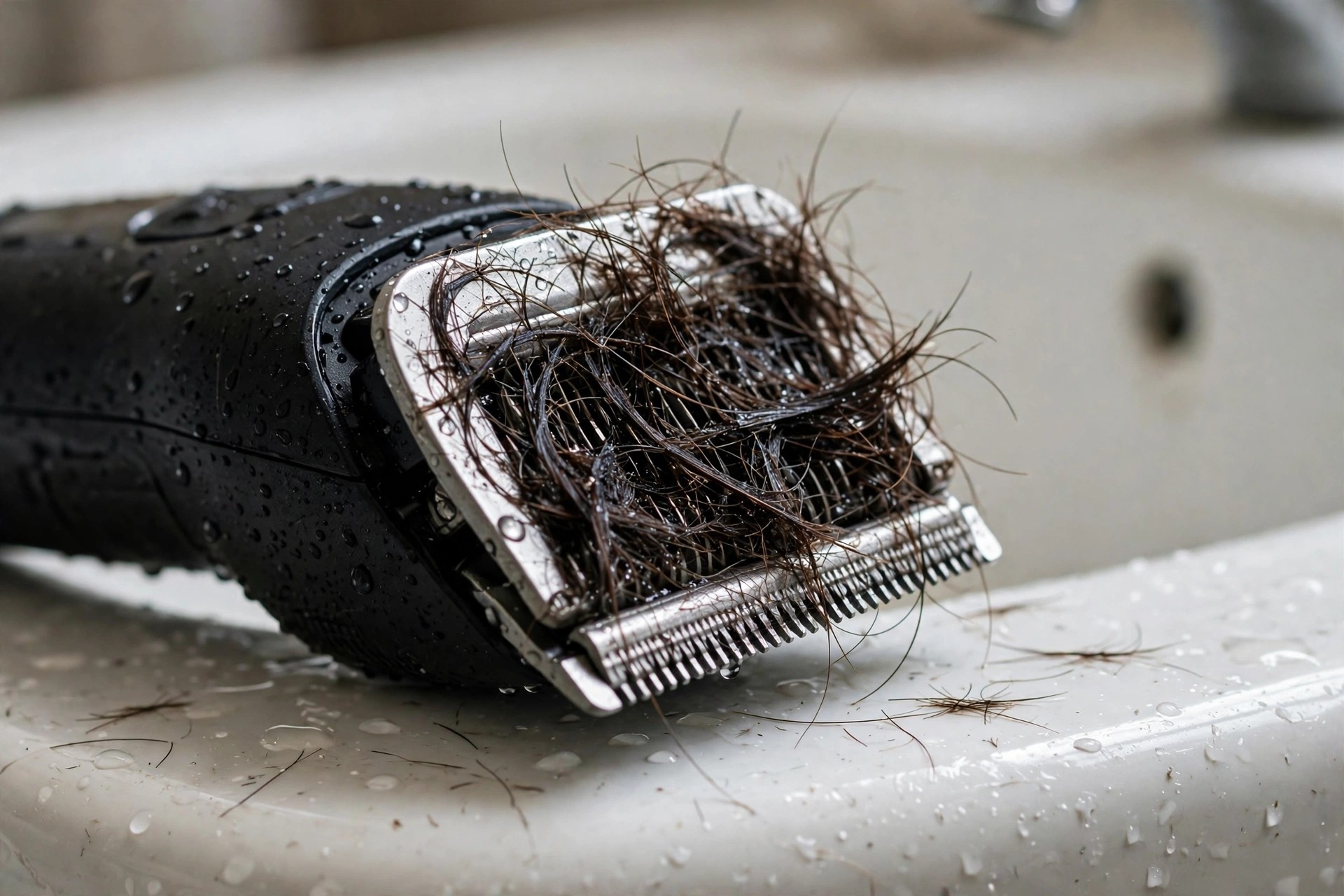
Please note: This post gives two views on this question. Its opening calls wet trimming safe and effective. Its later sections call it generally not recommended. Both original points stay in place below here.
Wet hair clumps in tight bunches as you trim. Blades then catch and cut in rough, uneven ways. Wet hair that tangles pulls and snags with pain. Water near power raises shock risks too. Our pulling hair guide sets out why trimmers tug hair at times. Clumps make cuts rough here. Snags bring pain with them. Shock risk counts near water. Tugs get their own guide.
Tips for Trimming Wet Hair Safely
Start with clean, fresh washed hair first. A wash strips out gels, sprays and oils in full. Towel dry with a soft touch to lift spare water. Comb wet hair the way you plan to cut. Clean hair starts the safe trim. Soft towel work comes next. Oils and gels wash out first. Comb the way you cut.

Start your trim at the back first each time. Work slow toward the front in small parts. Hold the trimmer at a slight tilt as you go. Wipe clips and damp off the blades quite often. Our clean shave guide covers close, clean trim work. Back first is the trim rule. Slow work beats fast work. Small parts keep cuts neat. Blade wipes keep them clean.
Alternatives to Trimming Wet Hair
Other tools trim wet hair quite well too. The table below tracks this post in full. Each pick brings its own trade-offs to weigh. More tools can do this job. Each one trades off some way. Trade-offs come with each pick. The table shows them all.
| Method | Pros | Cons |
|---|---|---|
| Scissors | Precise control, many lengths and styles | Needs skill, takes longer |
| Thinning shears | Reduces bulk, creates texture | Needs technique, not for all types |
| Razors | Soft, natural-looking textures | Needs precision, not for all styles |
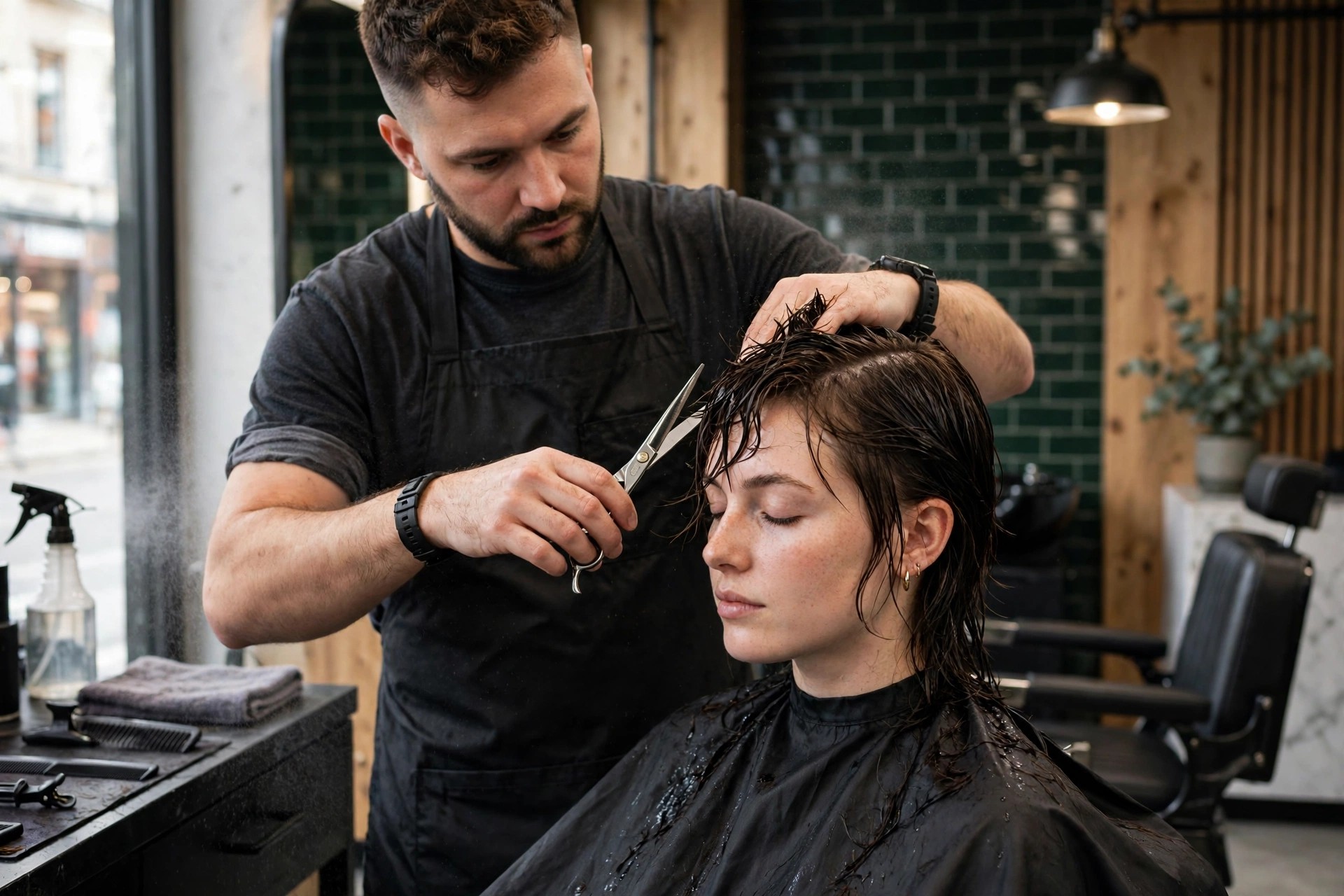
Hand shears give you say over each snip. Thin shears cut bulk in thick hair down. Razors leave soft, loose looks for layered cuts. Our head shaving guide covers trims that cut hair quite short. Shears give full say per snip. Razors give soft looks. Bulk drops with thin shears. Short trims have a guide.
Hair Type and Trimmer Care Tips
Straight or fine hair trims with more ease wet. Wet strands stay soft and cut in smooth ways. Curly or thick hair clumps in bunches instead. Those clumps block neat, even cuts in full. Fine hair trims wet with ease. Thick hair clumps when wet. Smooth cuts come from soft strands. Even cuts fail in clumps.

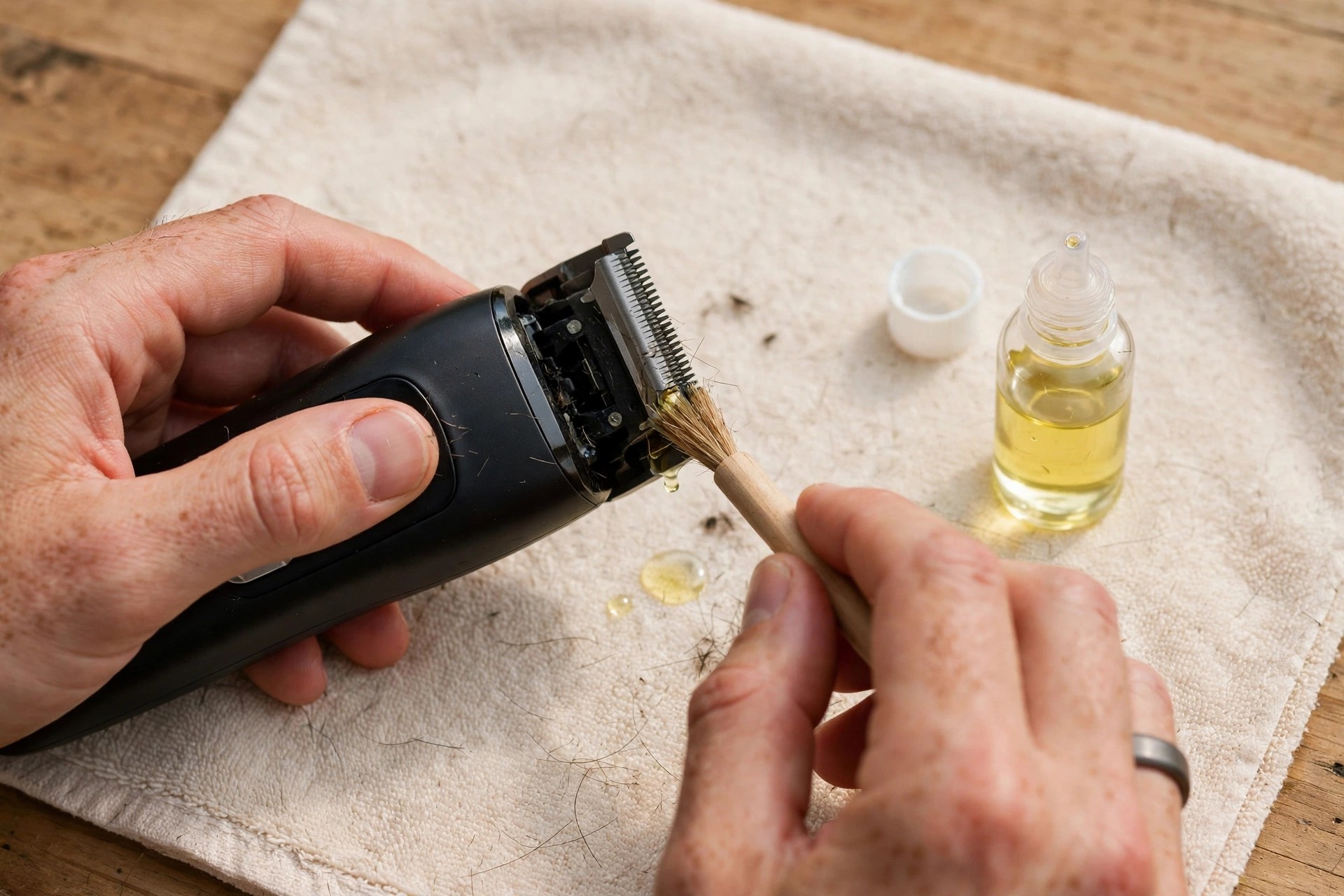
Clean the blades after each and every use. Brush hair out from between the blades with care. Oil the blades in a light way after each use. Store the trimmer in a clean, dry spot. Our hair cutting guide covers cuts with beard trimmers. Clean blades end each use. Dry spots store the tool. Light oil ends each clean. Beard tools get a guide too.
Check cords and grips for wear quite often. Do not drop the trimmer or treat it rough. Follow the maker clean steps with close care. Our shaving guide weighs shaves with a trimmer in depth. Our beard trimmer guide sets out one tool for beards. Wear checks guard the tool. Rough hands harm it fast. Maker steps rule the clean. Beard use sits in that guide.
Frequently Asked Questions
Can I Use Hair Trimmers On Wet Hair?
The post says wet trims are best skipped in most cases. Wet hair can cause all sorts of trim flaws. Towel dry your hair before you use clippers. That step gives smoother, safer cuts each time. Skip wet trims in most cases. Dry first for smooth cuts. Flaws grow on wet hair fast. Towel work comes first here.
Is It Better To Use A Trimmer On Wet Or Dry Hair?
The post says to use trimmers on dry hair. Dry hair stops most flaws before they start. Wet hair can clog or harm clippers fast. Dry hair gives the best cuts in the end. Dry hair is the post pick. Clogs fade on dry hair. Best cuts come from dry hair. Harm fades on dry hair.
Can Electric Clippers Be Used On Wet Hair?
The post warns against clippers on wet hair. Wet use may harm the clipper blades in time. It brings other trim flaws quite fast too. Dry your hair first so the tool works well. Wet use harms blades in time. Dry hair first works best. Flaws come fast on wet hair. Tool health needs dry hair.
Is It Better To Cut Men’s Hair Wet Or Dry?
The post warns against clippers on wet hair. Wet hair cuts in poor ways with clippers. It may harm the clipper blades as well. New users may find wet shears more easy. Poor cuts come from wet hair. Blades can suffer harm too. Shears suit new hands on wet hair. Clippers do not here.
How Do I Care For My Trimmer After Use?
Clean the blades to lift out hair build-up. Brush scraps from between the blades with care. Oil the blades in a light way after each use. Store it in a clean, dry, safe spot. Build-up must come off blades. Safe dry spots store it. Light oil guards the blades. Clean dry spots keep it safe.
These answers all come from this post itself. The parts above give each answer in depth. Careful habits keep each trim smooth each day. Each answer tracks this post. Depth sits in the parts. Smooth days come from care. Habits drive that smooth run.
Conclusion: Can You Use An Electric Hair Trimmer On Wet Hair
So, can you use an electric hair trimmer on wet hair? The post in the main warns against it. Wet hair clogs clippers and risks real harm. Towel dry first gives the best cuts each time. Some tools cope with damp hair with care. Warn is the main post word. Clogs and harm drive it. Damp tools exist with care. Most tools want dry hair.
Dry hair suits these trimmers far more well. Clean, oiled blades keep the tool at its best. Follow maker rules for your own tool type. Careful habits guard hair and tool both. Slow trims beat rushed wet cuts each time. Dry hair wins for these tools. Slow beats rushed each time. Oiled blades run at their best. Hair and tool both gain.