To maintain a trimmer, remove any attachments and use a cleaning brush to dislodge hair and debris. Then, use an anti-bacterial clipper spray to clear any remaining bits of hair and prevent cross-contamination.
Leave the spray on for the recommended time before wiping clean. Maintaining your trimmer is essential for ensuring its longevity and optimal performance. Regular maintenance not only keeps your trimmer in top condition but also helps prevent any potential hygiene issues.
By following a few simple steps, you can keep your trimmer clean and functioning smoothly. We will discuss how to maintain your trimmer effectively, including removing attachments, using a cleaning brush to dislodge hair and debris, and using an anti-bacterial clipper spray. By incorporating these maintenance practices into your routine, you can prolong the lifespan of your trimmer and enjoy precise and efficient trimming results.
Why Is It Important to Maintain a Trimmer?
Maintaining your trimmer is more than just a measure of hygiene; it’s a comprehensive approach to ensuring optimal functionality, longevity, and quality results. Here’s a deep dive into why it’s essential to keep your trimmer in tip-top shape:
Optimal Performance:
Regular maintenance ensures that your trimmer functions at its best. Clean blades and a well-maintained motor will provide a smoother, more efficient trimming experience, allowing you to achieve the desired grooming results every time.
Longevity of the Device:
Just like any other electronic gadget or appliance, a trimmer’s lifespan is significantly extended with proper care. Regular cleaning, oiling, and battery care can prevent premature wear and tear, ensuring that your investment lasts for years.
Hygiene and Skin Health:
Hair, skin cells, and natural oils can accumulate on the blades and in the crevices of the trimmer. Over time, this buildup can become a breeding ground for bacteria. Using an unclean trimmer can lead to skin infections, acne breakouts, and razor burns. Regular cleaning keeps these problems at bay.
Cost Efficiency:
By ensuring that your trimmer remains in good condition, you can reduce the need for frequent replacements or repairs. In the long run, this can save you a considerable amount of money.
Quality of Trim:
Dull blades or a malfunctioning motor can result in uneven trims, tugging, or even nicks and cuts. Regular maintenance ensures the blades remain sharp, and the device functions correctly, guaranteeing a quality trim every time.
Battery Health:
Proper charging and storage habits can extend the battery life of cordless trimmers. This not only ensures consistent power output during each use but also prevents the hassle of frequent charging or battery replacements.
Environmental Consideration:
Proper maintenance and care can extend the life of a trimmer, reducing electronic waste. In a world where sustainability is becoming increasingly important, prolonging the life of our devices is a step towards eco-friendliness.
Safety:
Loose parts, damaged cords, or a compromised battery can pose safety risks. Regular checks and maintenance can prevent potential hazards, ensuring safe operation during each use.
However, the importance of maintaining a trimmer cannot be overstated. It’s not just about the device itself, but also about the quality of the grooming experience, the health of your skin, and overall safety. Regular maintenance might require a bit of time and effort, but the benefits – both immediate and long-term – are well worth it.
When Should You Maintain a Trimmer?
Knowing when to maintain your trimmer can greatly enhance its performance, longevity, and the quality of your grooming. Here are some key indicators and timelines to help you stay on top of your trimmer’s maintenance:
After Every Use:
- Cleaning: It’s vital to clean your trimmer after each use. Removing hair and debris from the blades prevents buildup and ensures the device is ready for the next use.
- Blade Check: Quickly inspect the blades to ensure they aren’t jammed or obstructed.
Weekly (For Frequent Users) or Monthly (For Occasional Users):
- Deep Cleaning: Depending on usage frequency, you should consider a more thorough cleaning. This involves removing any attachments and carefully cleaning each part.
- Oiling: Regularly oiling the blades ensures they remain sharp and reduces friction, which can cause wear over time.
Every 3-6 Months:
- Battery Check: For rechargeable trimmers, keep an eye on how long a charge lasts. If you notice a significant reduction in usage time, it might indicate the battery is nearing the end of its lifespan.
- Blade Sharpness: Dull blades can pull or tug at the hair rather than cutting it cleanly. If you start to experience this, it’s a sign that your blades might need sharpening or replacing.
- Inspect Accessories: Check all combs and attachments for signs of wear or damage, replacing any that are no longer effective.
Annually:
- Full Inspection: At least once a year, do a comprehensive check. Ensure the motor runs smoothly, the battery charges correctly, and all parts fit securely.
- Replace Critical Components: Some parts of your trimmer, like the cutting blades or the battery, may require annual replacement, depending on the frequency of use and the manufacturer’s recommendations.
- Safety Check: Ensure that there are no exposed wires, loose screws, or any other potential hazards.
As Needed:
- Unexpected Behavior: If your trimmer begins to heat up unusually, makes strange noises, or exhibits any other unexpected behaviors, it’s time for a check-up.
- After Accidents: If you drop your trimmer or it gets submerged in water, it’s essential to inspect it for any damages. Let it dry completely (especially if it isn’t waterproof) and test its functionality.
In essence, while there are specific timelines for regular maintenance, it’s also essential to stay attuned to your trimmer’s performance and behavior. If something feels off, it’s better to inspect and address any potential issues sooner rather than later to ensure safe and efficient grooming.
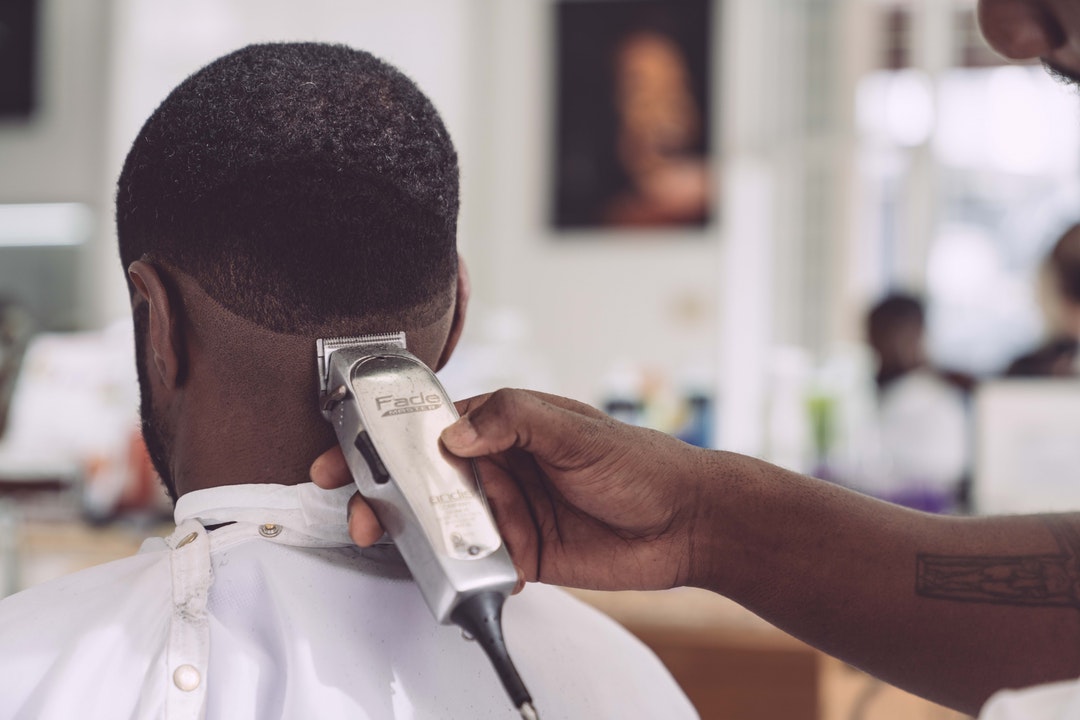
Credit: bucknerbarberschool.com
How to Maintain a Trimmer for Optimal Performance
Proper maintenance of your trimmer not only ensures consistent grooming results but also extends the life of your device. Here’s a detailed guide on maintaining a trimmer for optimal performance:
Clean After Every Use:
- After each grooming session, it’s essential to clean your trimmer to remove trapped hair and debris. This prevents buildup which can affect the trimmer’s efficiency.
- Use the brush usually provided with the device to sweep away hairs from the blades and body of the trimmer.
Oil the Blades Regularly:
- Lubrication is key to keeping the blades of your trimmer functioning smoothly. Over time, friction between the blades can lead to wear and tear.
- Apply a few drops of the trimmer or light machine oil to the blades. Turn on the device for a few seconds, allowing the oil to spread evenly. This process helps in reducing friction and preventing the blades from becoming dull too quickly.
Check for Dull Blades:
- Blades that don’t cut as efficiently as before or tug at the hair can be a sign of dulling.
- Ensure you replace or sharpen them as needed. Always use manufacturer-approved blades to guarantee the best performance.
Handle with Care:
- While these devices are designed for daily use, they are still prone to damage from drops or rough handling.
- Always store your trimmer in a protective case when not in use and handle it gently to prevent any internal or external damage.
Charge Properly:
- The battery life of your trimmer plays a pivotal role in its performance. It’s recommended to not let rechargeable batteries discharge fully before plugging them in.
- However, recalibrate the battery every few months by letting it run out completely before charging it fully. Remember to unplug once it’s charged to avoid overcharging.
Avoid Water Unless It’s Waterproof:
- Water can be detrimental to trimmers that aren’t designed to be waterproof. It can damage the internal components, leading to malfunction.
- If your trimmer is waterproof, make sure to dry it thoroughly after washing to prevent any residual moisture from causing issues.
Replace Accessories as Needed:
- Over time, accessories like guards and combs can wear out or become damaged.
- Regularly inspect these components and replace them when necessary to ensure an even and consistent trim.
Store in a Dry Place:
- To prevent rusting or corrosion of the blades and internal parts, always store your trimmer in a dry environment.
- Ensure it’s completely dry after cleaning before putting it away.
Check for Loose Parts:
- Over time, some parts of your trimmer, like screws, might become loose.
- Regularly inspect your device and tighten any loose components to ensure it remains in top condition.
Read the Manufacturer’s Manual:
- While general care tips are essential, each trimmer model may have specific maintenance needs.
- Always refer to the user manual provided by the manufacturer for any model-specific instructions or precautions.
By diligently following these maintenance steps, you can ensure that your trimmer remains in peak condition for years, providing consistent and reliable grooming results. Proper care not only guarantees optimal performance but also proves to be cost-effective in the long run by prolonging the life of your device.
Frequently Asked Questions:
How Do You Maintain A Hair Trimmer?
To maintain a hair trimmer, remove any attachments and clean the clippers using a brush to dislodge hair and debris. Use an anti-bacterial clipper spray to clear any remaining bits and prevent cross-contamination. Leave the spray on for the recommended time before wiping clean.
How Often Should You Oil Your Trimmer?
To maintain your trimmer, oil it after every use. Remove any attachments and clean the clippers using a brush to remove hair and debris. Spray an anti-bacterial clipper spray and leave it on for the recommended time before wiping it clean.
Do Trimmers Need To Be Oiled?
Yes, trimmers need to be oiled. After each use, clean your trimmer with a brush to remove any hair or debris. Then, apply oil to the blades to keep them lubricated and prevent rust. Regular oiling helps maintain the performance and longevity of your trimmer.
How Do I Keep My Trimmer Clean?
To keep your trimmer clean, follow these steps: 1. Remove any attachments used and dislodge hair and debris with a cleaning brush. 2. Use an anti-bacterial clipper spray to clear away remaining hair and prevent cross-contamination. 3. Leave the spray on for the recommended time before wiping clean.
4. After each use, clean the trimmer by either using the brush or removing the head, rinsing it with water, and allowing it to air dry before reattaching.
Conclusion
Maintaining your trimmer is essential for its long-term performance and durability. To keep your trimmer in top shape, follow these simple steps. First, remove any attachments and dislodge hair and debris using a cleaning brush. Then, use an anti-bacterial clipper spray to clear away any remaining bits of hair and prevent cross-contamination.
Leave the spray on for the recommended time before wiping clean. Finally, oil your trimmer at regular intervals to ensure smooth operation. By following these maintenance tips, you can keep your trimmer in excellent condition for years to come.