In the world of men’s grooming, there is one tool that has become an indispensable part of every modern man’s arsenal – the beard trimmer. Whether you sport a full beard, a stylish goatee, or just prefer a neatly trimmed stubble, understanding how a beard trimmer works is key to achieving that perfect, well-groomed look. From the intricate blades to the precision settings, this article will delve into the inner workings of these remarkable devices, shedding light on the science and art behind their effectiveness.
At its core, a beard trimmer is a marvel of engineering designed to provide the ultimate control and versatility in shaping and maintaining facial hair. The key component is the set of blades, carefully crafted to ensure a smooth and precise cut. But it’s not just about the blades – a good beard trimmer also boasts various settings and attachments that allow you to customize the length, texture, and style of your facial hair. By exploring the mechanics and technology behind these devices, we will uncover the secrets to achieving that well-groomed, confidence-boosting beard that turns heads and leaves a lasting impression. So, buckle up and join us on this journey into the fascinating world of beard trimmers, where science meets style in the pursuit of the perfect facial hair.
How a beard trimmer works:
- Step 1: Make sure the trimmer is charged or plugged in.
- Step 2: Turn on the trimmer and adjust the length settings.
- Step 3: Hold the trimmer against your beard and move it in the direction of hair growth.
- Step 4: Use different attachments or combs for different lengths and styles.
- Step 5: Clean the trimmer after use to remove any hair or debris.
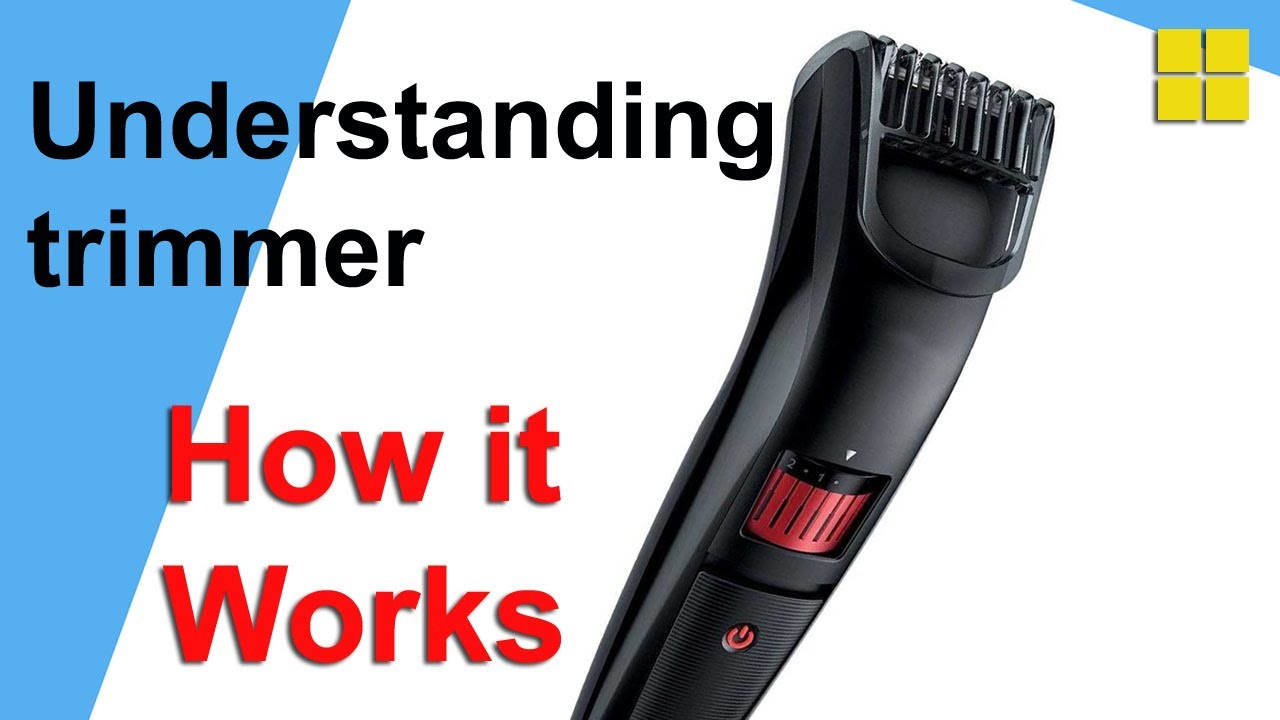
Source: ytimg.com
Introduction
A beard trimmer is a grooming tool designed specifically for men to maintain and style their facial hair. It is a versatile device that allows you to trim and shape your beard with precision and ease. In this article, we will delve into the details of how a beard trimmer works, step by step, to help you understand its functionality and make the most out of this essential grooming tool.
Step 1: Understanding the Components
Before using a beard trimmer, it is important to familiarize yourself with its various components. The main parts of a typical beard trimmer are the blades, the motor, the guard or length selector, and the power source. The blades are responsible for cutting the hair, while the motor provides the necessary power to drive the blades. The guard or length selector allows you to adjust the cutting length according to your desired style. Lastly, the power source can either be a rechargeable battery or a corded connection to an electrical outlet.
When you turn on the beard trimmer, the motor powers the blades, causing them to move rapidly back and forth or in a circular motion, depending on the design of the trimmer. This motion allows the blades to cut the hair as it passes through the gaps between them. The length selector determines how closely the blades will cut the hair, with higher settings leaving more hair intact and lower settings resulting in a closer trim.
Step 2: Preparing the Beard
Before using the beard trimmer, it is important to prepare your beard by washing and drying it thoroughly. This will remove any dirt or debris that may clog the trimmer blades and ensure a smoother trimming experience. It is also recommended to comb or brush your beard to remove any tangles or knots, as this will make the trimming process more efficient.
Once your beard is clean and dry, you can start using the beard trimmer. Hold the trimmer at a 45-degree angle against your face, with the blades pointing towards your beard. Start trimming from the bottom of your beard, moving upwards in smooth, even strokes. It is recommended to trim small sections at a time, rather than attempting to trim large chunks of hair, as this will result in a more precise and even trim.
Step 3: Shaping and Detailing
After you have trimmed your beard to the desired length, you can proceed to shape and detail it using the beard trimmer. This involves trimming the hair around your neckline and cheeks to create clean and defined lines. You can use the trimmer without the guard or length selector for a closer trim in these areas.
To achieve a symmetrical look, it is important to work slowly and carefully, making small adjustments as you go along. You can use the trimmer in different directions, such as against the grain or with the grain, to achieve different effects and textures. Remember to regularly clean the trimmer blades during the shaping process to ensure optimal performance.
Step 4: Maintenance and Care
After using the beard trimmer, it is important to clean and maintain it to prolong its lifespan and ensure consistent performance. Most beard trimmers come with a cleaning brush or a small brush that can be used to remove hair clippings and debris from the blades. Some trimmers are also washable, allowing you to rinse the blades under running water for a more thorough clean.
In addition to regular cleaning, it is recommended to oil the blades of your beard trimmer periodically. This will help to reduce friction and keep the blades sharp, resulting in a smoother and more efficient trimming experience. Refer to the manufacturer’s instructions for the specific oiling requirements of your trimmer.
By following these steps and understanding how a beard trimmer works, you can achieve a well-groomed and stylish beard with ease. Remember to exercise caution and take your time when using the trimmer to avoid any accidents or unwanted mistakes. Happy trimming!
Frequently Asked Questions
Here are some commonly asked questions about how beard trimmers work:
1. How does a beard trimmer work?
A beard trimmer is an electric grooming tool designed specifically for trimming and shaping facial hair. It typically consists of a set of oscillating blades that move back and forth to cut the hair. The blades are housed in a protective casing, and the length of the hair can be adjusted using a built-in length setting.
When the trimmer is turned on, the blades start moving rapidly, cutting the hair as it comes into contact with them. The trimmer is designed to cut the hair evenly and with precision, allowing you to achieve your desired beard length and style.
2. Can a beard trimmer be used on wet hair?
Most beard trimmers are designed to be used on dry hair. Using a trimmer on wet hair can cause the blades to become clogged with hair and can also increase the risk of nicks and cuts. However, there are some trimmers that are specifically designed to be used on wet hair. These trimmers are usually waterproof and can be used in the shower or with shaving cream.
If you prefer to trim your beard when it’s wet, make sure to choose a trimmer that is suitable for wet use and follow the manufacturer’s instructions for proper maintenance and cleaning.
3. How often should I replace the blades of my beard trimmer?
The frequency of blade replacement depends on several factors, including the quality of the trimmer and how often it is used. As a general rule, it is recommended to replace the blades of your beard trimmer every 6 to 12 months. This ensures that the trimmer continues to work effectively and that you achieve the best results when grooming your beard.
Some trimmers have replaceable blades that can be easily swapped out, while others may require the entire trimmer to be replaced. Refer to the manufacturer’s instructions or check the product’s specifications to determine the recommended blade replacement interval for your specific trimmer.
4. Can a beard trimmer be used to trim other body hair?
While beard trimmers are primarily designed for trimming facial hair, they can also be used to trim other body hair, such as chest hair or armpit hair. However, it’s important to note that not all beard trimmers are suitable for this purpose.
If you plan on using your beard trimmer for trimming body hair, make sure to choose a trimmer that has adjustable length settings and is suitable for use on different areas of the body. Additionally, be cautious when using the trimmer on sensitive areas to avoid irritation or injury.
5. How do I clean and maintain my beard trimmer?
To ensure the longevity and proper functioning of your beard trimmer, regular cleaning and maintenance are essential. After each use, remove any hair clippings from the trimmer using a brush or by rinsing it under running water if it is waterproof.
Periodically, you should also remove the blades and clean them thoroughly. Follow the manufacturer’s instructions for proper blade removal and cleaning. Additionally, lubricate the blades as recommended by the manufacturer to keep them running smoothly.
Remember to keep your trimmer dry and store it in a clean, dry place when not in use. This will help prevent any damage or rusting of the blades and ensure that your trimmer remains in good condition for a long time.

Source: smushcdn.com
How trimmer works: An understanding
Final Verdict
In conclusion, the beard trimmer is a remarkable tool that has revolutionized the way men maintain their facial hair. With its precision blades and adjustable settings, it allows for effortless trimming, shaping, and styling. Whether you desire a clean-shaven look or a well-groomed beard, the beard trimmer provides the flexibility and control to achieve your desired outcome.
Furthermore, the advancements in technology have made beard trimmers more efficient and user-friendly than ever before. With cordless options and rechargeable batteries, they offer convenience and flexibility for grooming on the go. Additionally, the availability of various attachments and accessories further enhances the versatility of the beard trimmer, allowing for personalized grooming experiences.
In conclusion, the beard trimmer is an essential tool for any man seeking a well-maintained appearance. Its precision and ease of use make it a preferred choice for both professional stylists and individuals alike. By understanding how the beard trimmer works and utilizing its features effectively, one can effortlessly achieve their desired facial hair style, enhancing their overall look and confidence.