
How To Use A Bump Feed String Trimmer
So, how to use a bump feed string trimmer the easy way? A fixed line trimmer fights thick grass and wastes your time. A bump feed head frees fresh line with one light tap. This guide shows each step in plain order for safe home use.
Bump feed trimmers turn yard chores into quick neat work. You need safety gear, fresh line and a clear work spot. The steps below cover prep, technique, surfaces and line care. Read each step once before you start work on your trimmer.
Line size matters as much as the steps you follow here. Thick line suits tough weeds while thin line suits light work. Always check your manual first for the exact size your model needs. A neat fit keeps the line feeding smooth and guards the motor.
Quick answer: Yes, using a bump feed trimmer is quick and simple with care. Clear the yard, gear up and check the trimmer first. Tap the head light on grass to feed fresh line. Sweep slow side to side for an even clean cut. A smooth feed means the trimmer is ready for yard work.
- How To Use A Bump Feed String Trimmer? The Short Answer
- Prepare Your Workspace And Gear
- Master The Bump Feed Technique
- Work Through Different Surfaces
- Replace The Line And Care For The Head
- Tips And Storage For Long Tool Life
- Frequently Asked Questions
- Conclusion: How To Use A Bump Feed String Trimmer
How To Use A Bump Feed String Trimmer? The Short Answer
Yes, using a bump feed trimmer is simple work with care. One light tap frees fresh line and keeps cuts clean. A neat feed keeps the trimmer steady while you work. This section gives the short answer before the full steps below.
| Bump Feed Detail | What To Know |
|---|---|
| Feed | Tap the head on grass |
| Line | About 6 inches out each side |
| Throttle | Full throttle for each bump |
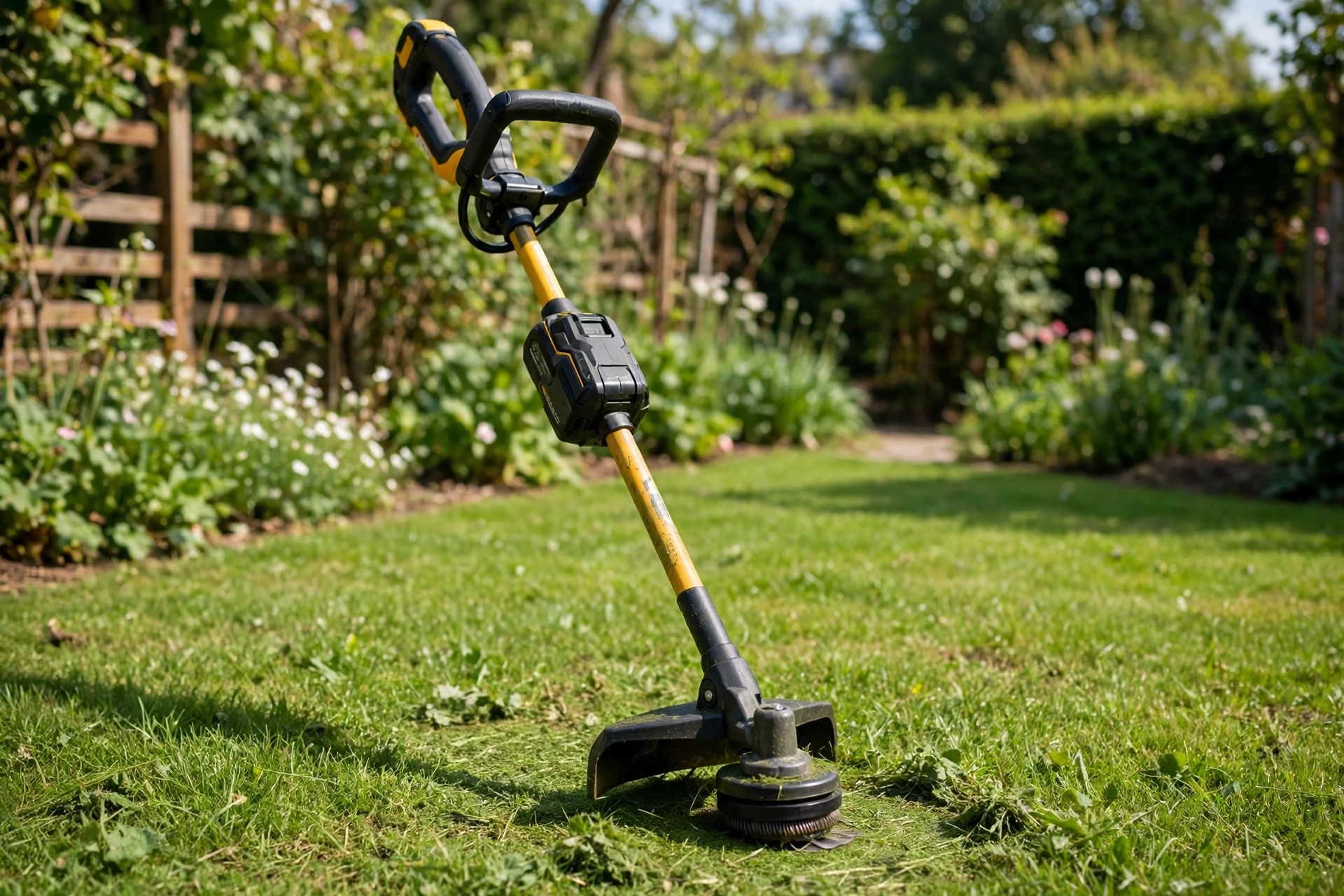
A bump feed head beats a fixed line for yard work. Fresh line cuts clean and keeps the motor working at ease. Regular checks keep the trimmer safe and the lawn looking neat. The steps below show the whole job from prep to final care.
The Wikipedia string trimmer page covers trimmer types and feed use. Our trimmer guide explains what a trimmer is in plain terms. The Wikipedia lawn mower page covers mowers and yard care basics. Our types guide lists the main types of trimmers for home use.
Prepare Your Workspace And Gear
Clear the work spot of rocks, wires and toys first. Loose gear can jam the head or fly up and harm. Wear gloves, goggles, long pants and closed shoes. Good gear guards you from debris and sharp line.
Check the trimmer for faults before you start it. Look at the line, spool and head for wear. Swap worn parts now so the job stays smooth. A quick check saves trouble once you start cutting.
Set the trimmer on a flat spot for the first look. Turn it off and cut the power before you touch parts. Keep kids and pets far from the work spot. A calm setup leads to a smooth and safe trim.
Master The Bump Feed Technique
The head feeds line when you tap it on the ground. Press firm but light so the head never breaks. Tap only on grass since hard ground wears line fast. A hard bump can crack the head and spoil the feed.
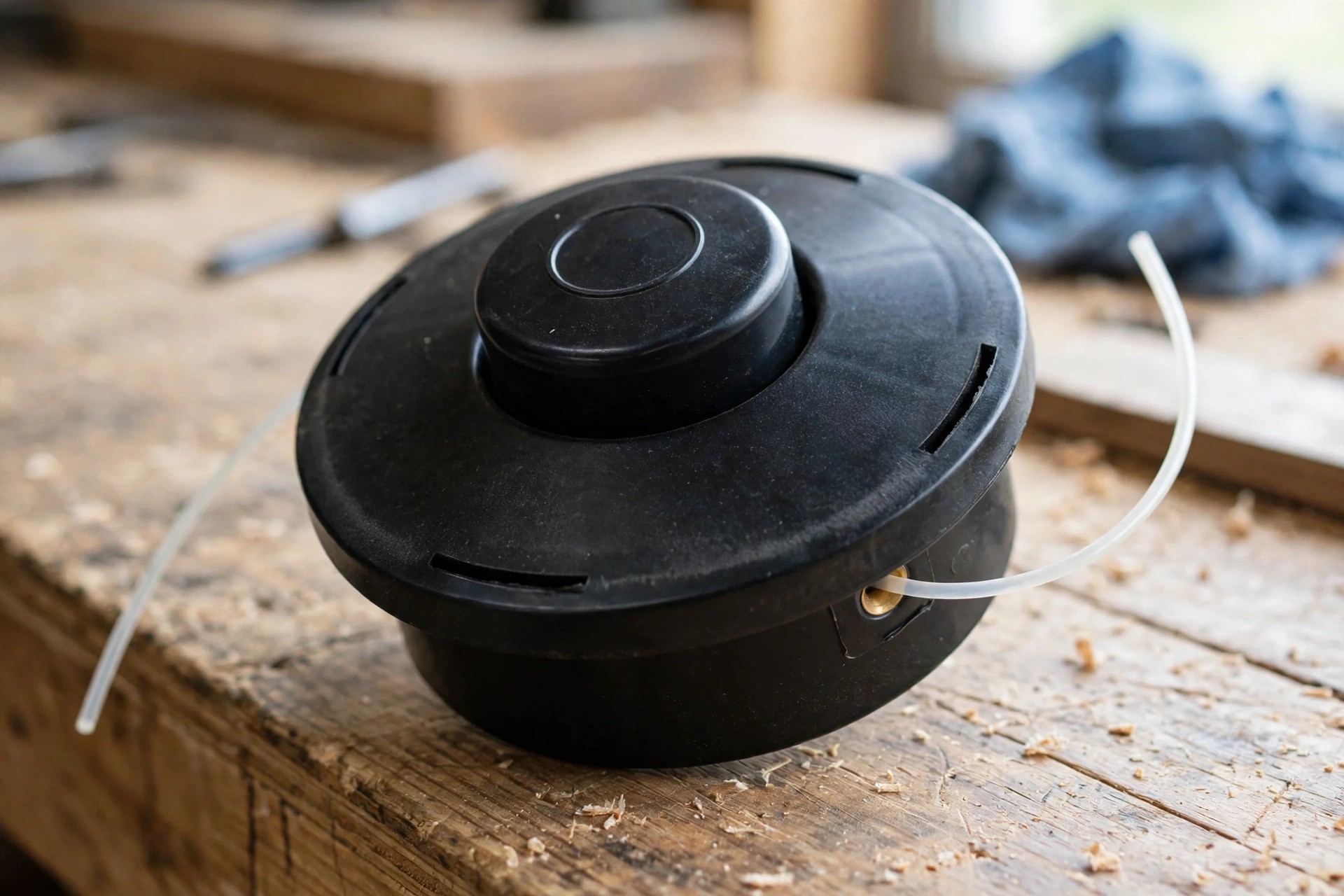
Hold full throttle when you bump the head down. Full speed feeds the line smooth through the head. A weak throttle bump can jam the feed and stall cuts. Time each bump when the line runs short and weak.
Bump too often and the feed wears out too fast. Wait for the cut to fade before you bump again. A light touch keeps the tool strong for years. Good rhythm makes each trim smooth and quick.
Work Through Different Surfaces
Tall grass needs a top-down pass to stop tangles. Cut the tops first, then work down slow and even. Sweep side to side for a smooth and even cut. Slow sweeps beat fast rushes that leave ragged lines.
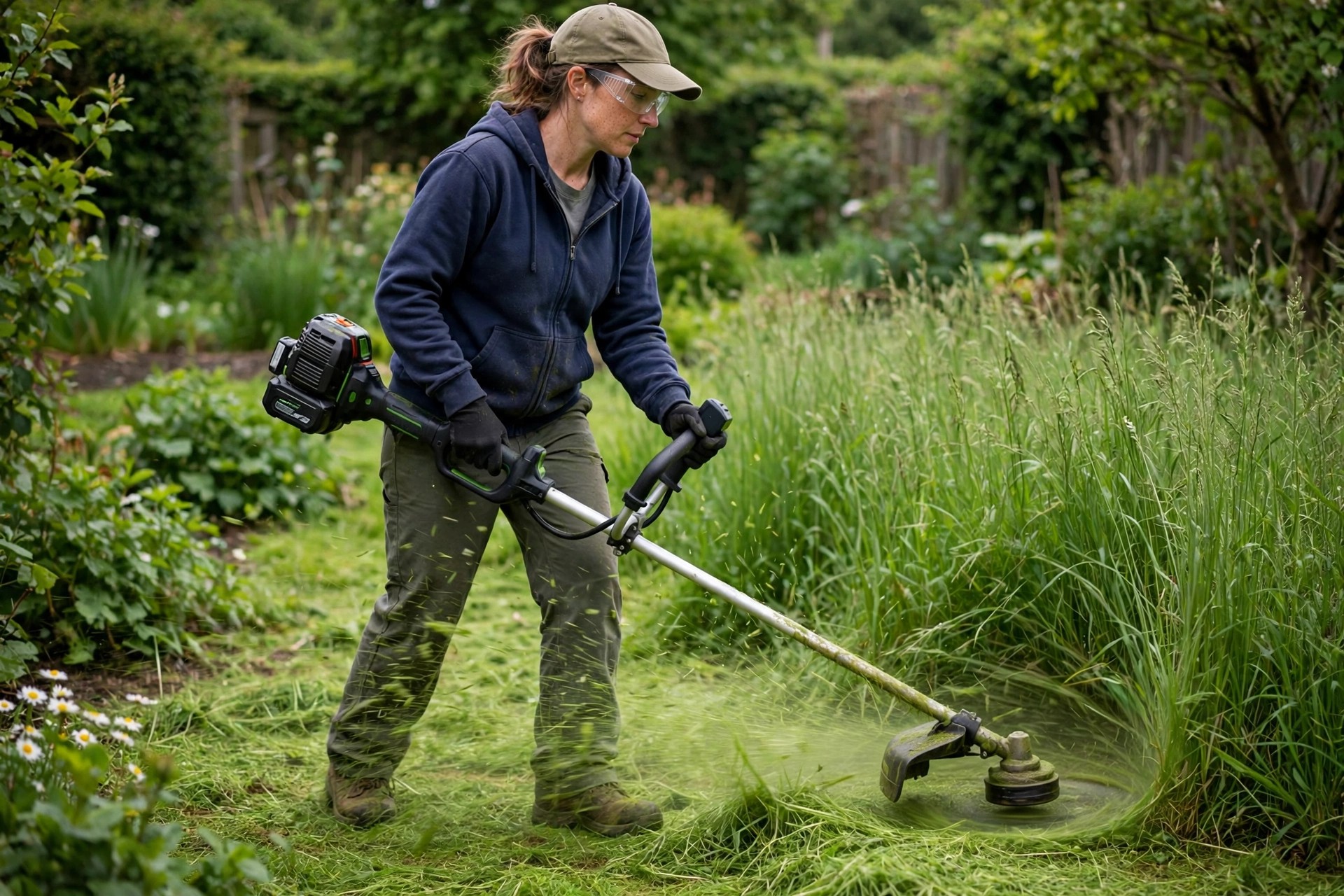
Rocky ground wears line fast, so limit ground contact. Keep the line long enough to reach the weeds. Keep it short enough to miss the stones below. A careful pass guards the line and the head.
Thick weeds need slow moves and a fresh line. Light grass needs only a light touch and pace. Match the line to the growth you face each time. Good sense keeps each surface neat and clean.
Replace The Line And Care For The Head
Line wears down with use, so learn to swap it. Lift the head off and pull the spool out. Clear the old line and check the spool for wear. A worn spool feeds poorly and should be swapped.
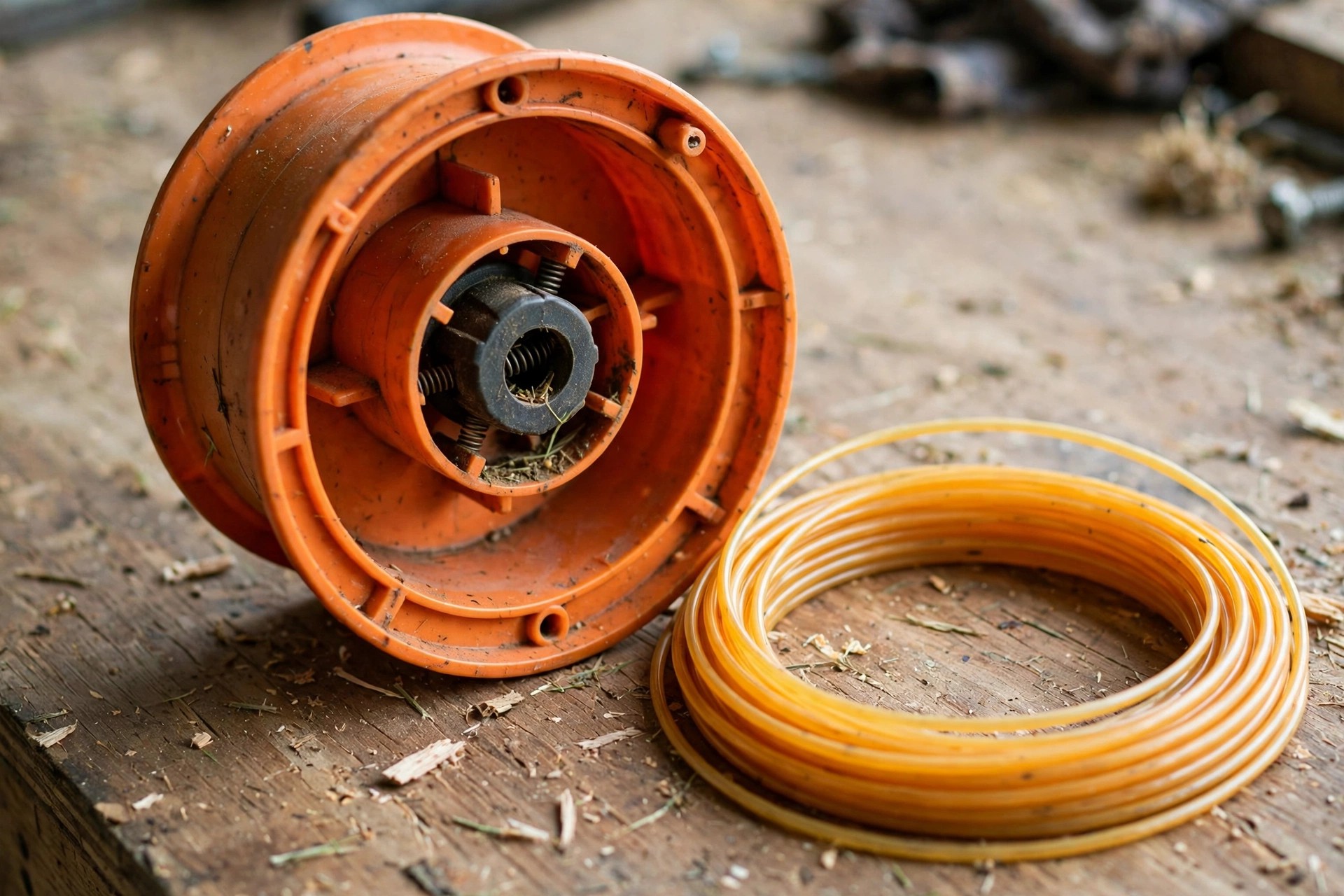
Thread fresh line through the eyelets on the spool. Wind it round in the direction the arrows show. Leave about six inches free at the end for cutting. Seat the spool back until it snaps into place.
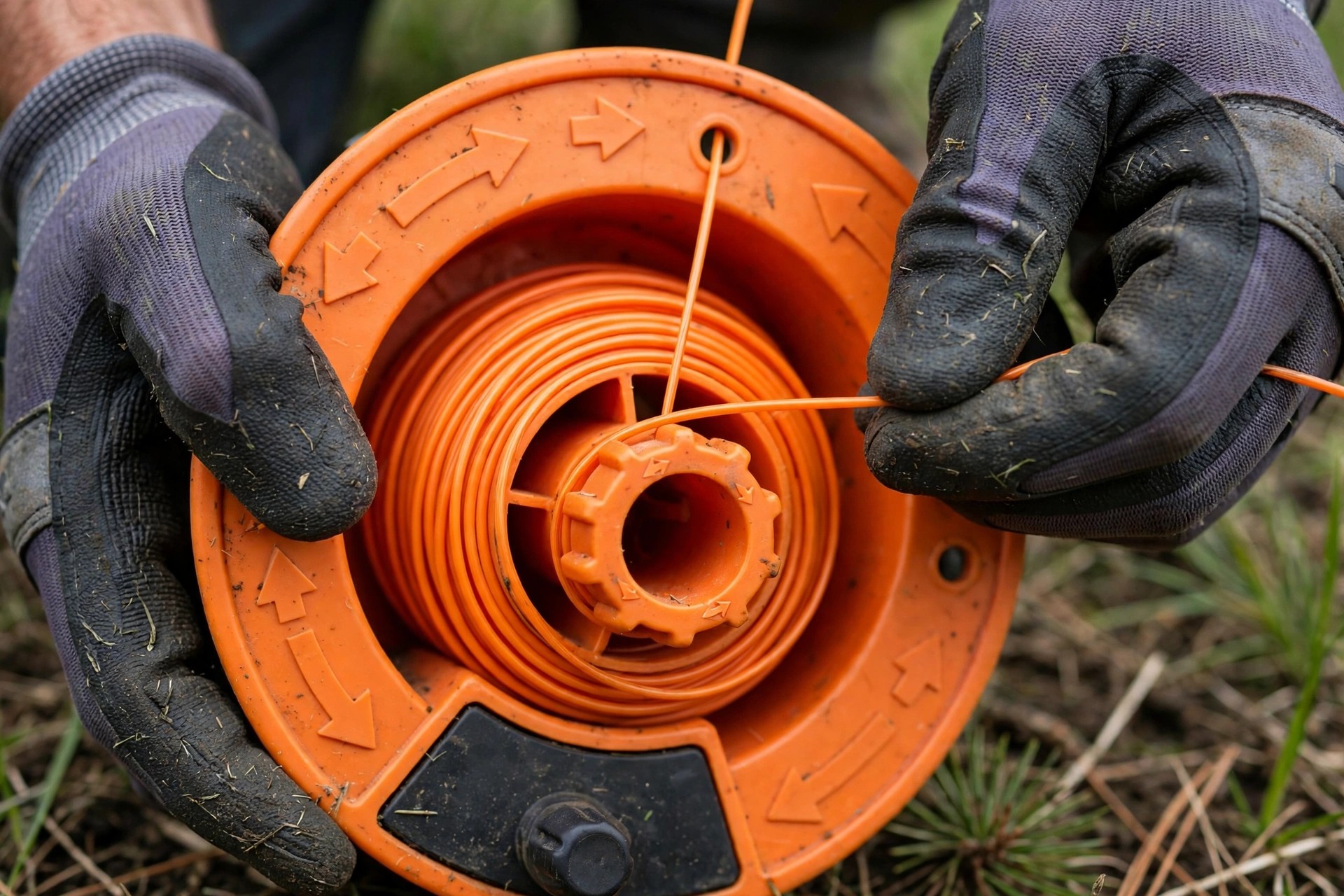
Clean grass and dirt from the head after each use. Oil the moving parts light so they never wear. A clean trimmer feeds smooth and lasts far longer. Good care keeps your trimmer strong for years to come.
| Final Check | What To Confirm |
|---|---|
| Line length | About 6 inches out each side |
| Spool fit | Snaps back into place |
| Feed | Taps free on grass |
Tips And Storage For Long Tool Life
Store the trimmer clean, dry and safe each time. Clear grass bits before the trimmer goes away. Empty the gas tank when you store it for months. Old fuel harms the engine and clogs the small tubes.
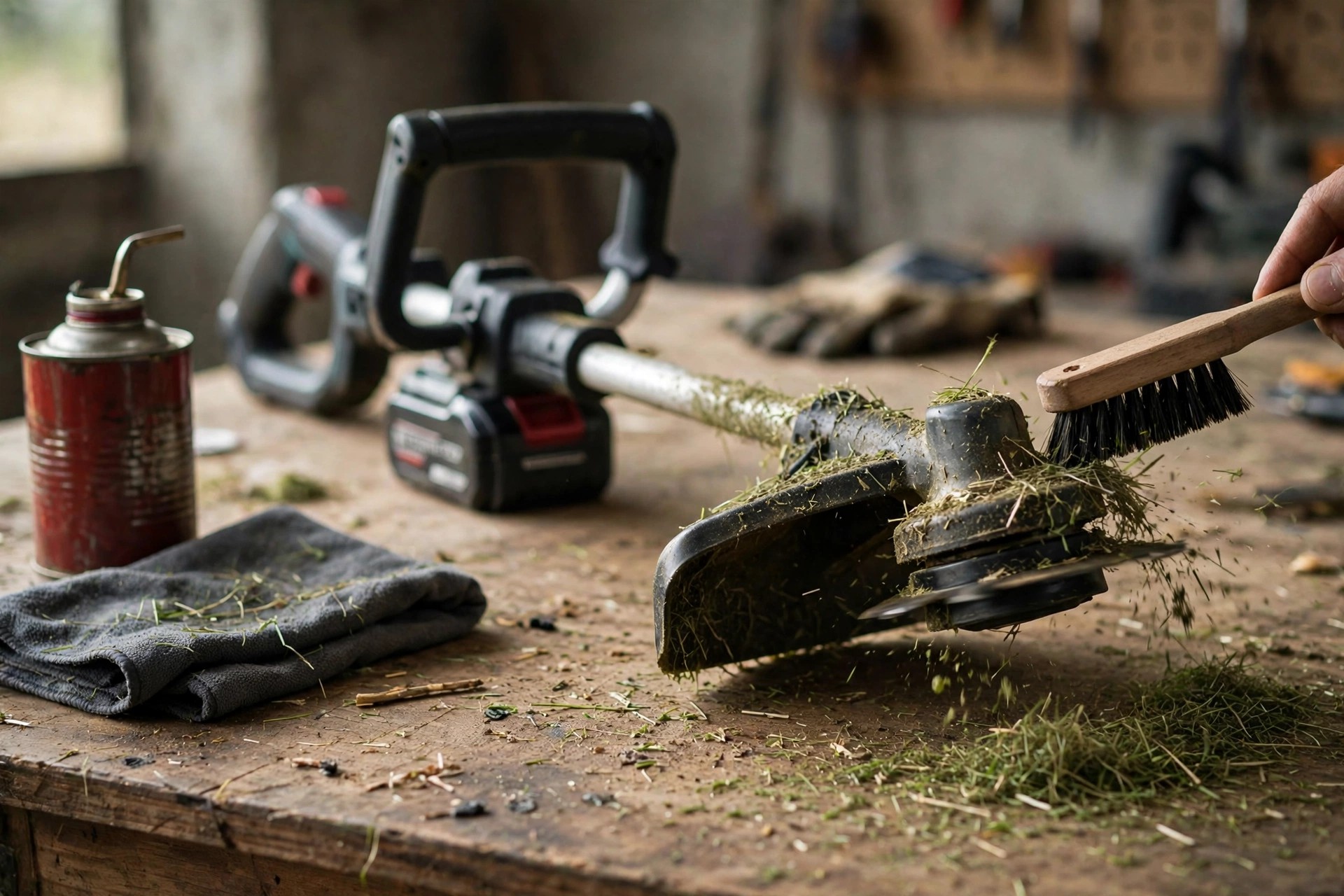
Keep spare line close so work never stops mid-job. Check the head before each use and swap it when worn. A worn head wobbles fast and cuts poorly each time. Small care steps today save big repair bills down the road.
Our trimmer care guide covers trimmer care for long tool life. Our trimmer use guide explains how to use a trimmer the safe way. Our bump feed guide shows how to fit Ryobi bump feed line. Our line size guide covers line sizes for clean cuts each time. Our yard size guide helps you pick the right trimmer size for yards.
Frequently Asked Questions
What indicates that a bump feed string trimmer needs restringing?
Weak cuts show the line is short or spent. The trimmer strains on thick grass when line runs low. Check the line length before each session you start. Restring at once when the line looks short or worn.
How often should I bump my string trimmer on the ground?
Bump when the cut fades or the line runs short. Too many bumps wear the feed out too fast. A few minutes of steady work suits one bump well. Match the pace to the growth you face each time.
What type of string should I use for my bump feed string trimmer?
The right string rests on your model and your task. Thick string suits tough grass and heavy weeds best. Thin string suits light work and soft growth well. Check the manual first for the size your model needs.
How should I store my bump feed string trimmer when not in use?
Clean the trimmer first and clear all grass bits. Store it dry and safe from damp and knocks. Empty the gas tank when it sits idle for months. Old fuel can harm the engine and clog small tubes.
Can I use a bump feed string trimmer to cut thick branches or hedges?
No, this tool cannot cut thick branches or hedges. Force can harm the head and break the trimmer. Use a chainsaw or hedge trimmer for heavy work. Bump feed trimmers suit grass and thin weeds best.
These answers all come from this post itself. The sections above explain each answer in detail. Work slowly and check your results as you go.
Conclusion: How To Use A Bump Feed String Trimmer
So, how to use a bump feed string trimmer in short? Gear up, clear the yard and check the trimmer. Tap the head light to feed fresh line as needed. A smooth feed means the trimmer is ready for yard work.
Keep safety first and bump the head with care. Clean the trimmer and store it dry each time. Regular care keeps the trimmer working well all season long. Enjoy neat edges and smooth yard work every single day.

I’m Patricia D. Johnson, an affiliate marketer and blogger specializing in trimmers and grooming tools. I create honest reviews, buying guides, and practical tips to help readers choose the right trimmer for their needs. With a focus on quality, performance, and value, I simplify the decision-making process so consumers can make confident purchases.