
Are All Trimmer Lines The Same
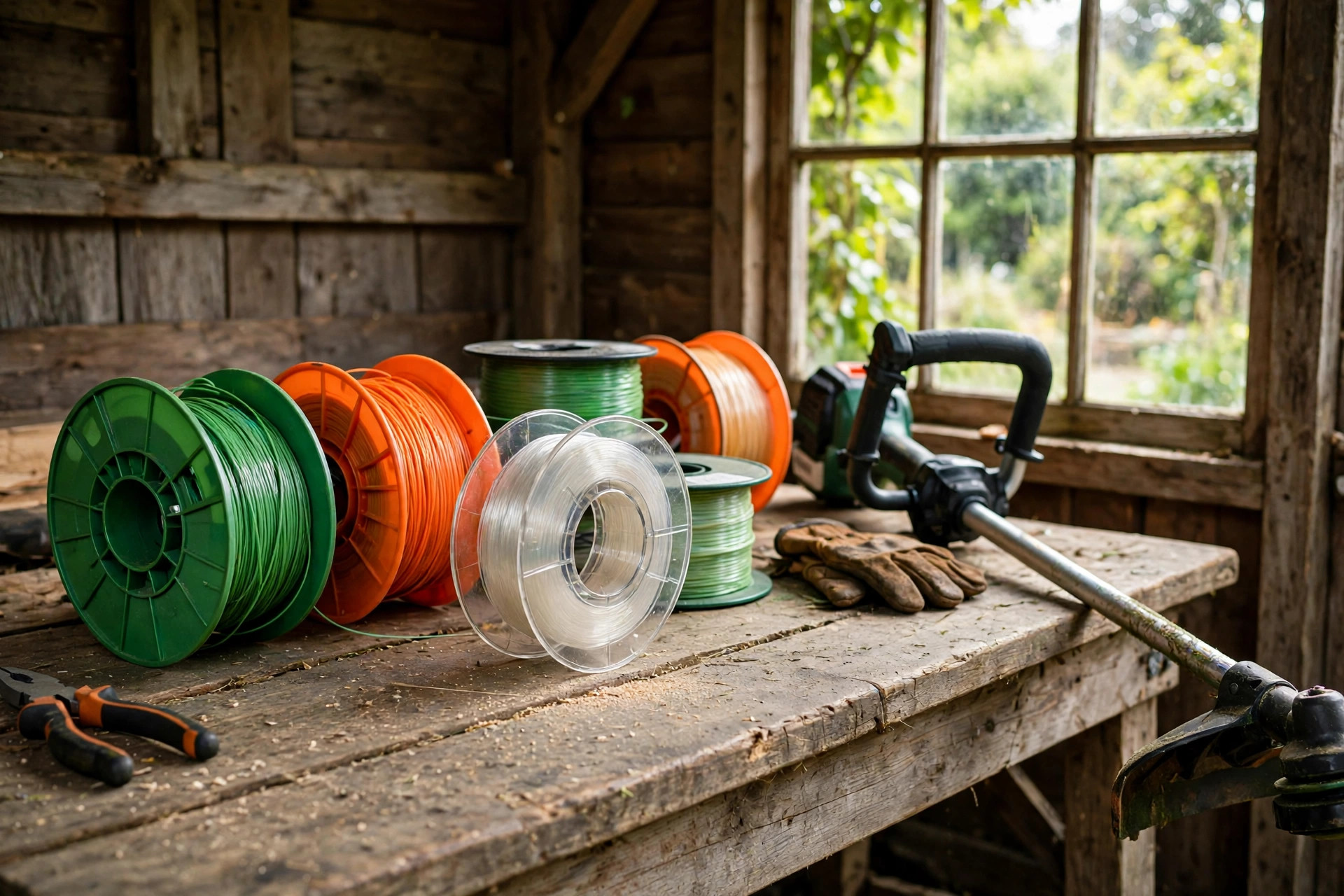
Most buyers ask, are all trimmer lines the same? The short answer stays clear and plain here. Stuff, shape and gauge change cut results a lot. Wrong line wastes work and wears out fast. Stuff and shape set the cut. Wrong line wears out fast. The answer stays plain here. Cuts shift with each trait.
Lines grew from plain string into more picks. New spools use nylon, blends and mixed stuff. Some top lines add titanium for more strength. Each pick suits set yards and trim jobs. Matched line guards cut strength each day. Each pick fits set jobs. Blends and metals add strength. Yards and jobs split the picks. Strength grows with new stuff.
This guide weighs stuff, shapes and gauges in plain terms. You learn which line fits light grass. You learn picks for dense brush too. Plain matching saves new spools and lifts each cut. Light grass gets one line. Dense brush gets a split pick. Matched spools save swaps. Cuts lift with right picks.
Quick answer: No, trimmer lines differ in material, shape and thickness. Round nylon line suits light everyday grass trimming. Square and thicker lines cut tougher weeds cleanly. Matching line to your job improves results greatly. Twisted lines also run quieter around homes nearby.
Are All Trimmer Lines the Same
Trimmer lines vary a lot by store and brand. Some spools feel soft, light and loose each day. Some spools feel stiff, thick and quite tough. Those gaps change speed, wear and cut grade. Soft and stiff spools both sell. Speed and wear shift with them. Cut grade shifts with spools. Feel tells part of the tale.
Shape changes how line slices through green growth. Round lines stay tough and suit most yards. Square lines bite hard into thick green growth. Twisted lines cut air with less noise. Round suits most yards well. Twisted runs with less noise. Square bites thick growth hard. Shape sets the slice.

Gauge changes strength and cut power as well. Thin lines spin fast and trim light grass. Thick lines take on dense weeds and rough brush. Read how to choose trimmer line before you buy your next spool. Thin spins fast, thick cuts brush. Pick gauge by the job.
| Material | Strengths | Best Use |
|---|---|---|
| Nylon | Affordable and flexible | Everyday light grass |
| Copolymer | Stronger blended build | Thick grass and weeds |
| Titanium infused | Extra premium strength | Dense brush work |
| Aluminum infused | Strong wear resistance | Heavy duty jobs |
Price shifts with stuff and shape too. Plain spools cost less at shops near home. Top shapes and stuff tend to cost more cash. Weigh cost and strength to buy smart. Plain spools cost less cash. Top stuff costs more.
First lines were plain string for light grass. Newer shapes add blends, metals and shaped edges. That growth explains today’s wide store range. Each new kind fixed wear, noise or cut flaws. String came first in line past. New kinds fixed old flaws.
Material Differences Among Trimmer Lines
Nylon stays the most used line stuff today. It stays low cost, bends well and is easy to find. Nylon does base grass trim work quite well. Hard use can wear nylon down fast. Nylon bends and costs less. Hard use wears it down. Base grass work suits nylon. Finds stay easy in stores.
Copolymers mix stuff for strength and lasting bend. The mix lifts work in hard trim jobs. These lines suit thick grass and tough weeds. Pros pick copolymers for hard day jobs. See how long does trimmer line last for line life spans. Blends bend and stay strong. Tough weeds suit these lines.
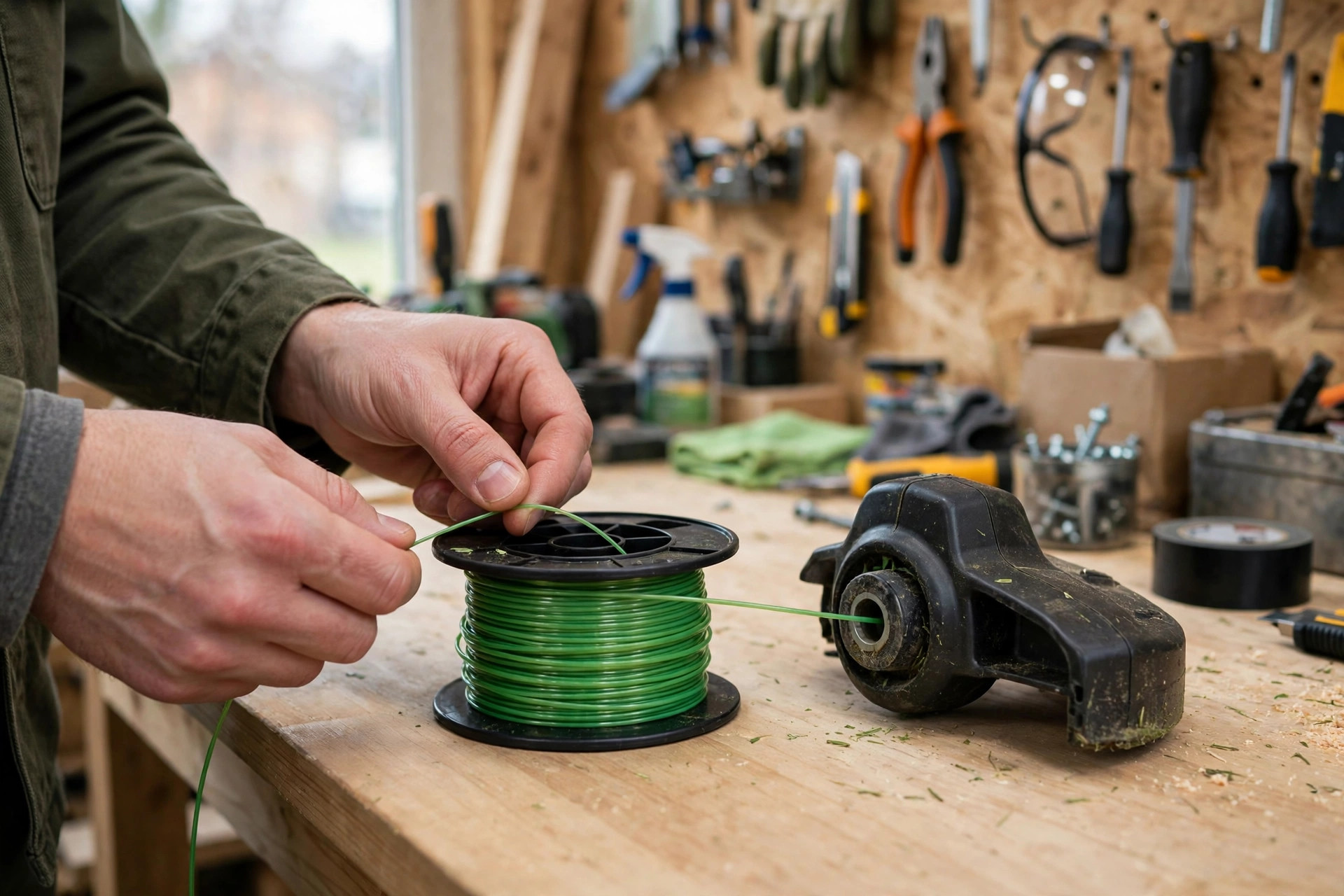
Titanium lines sit at the top price end. Titanium adds strength for brush and small twigs. Aluminum lines fight wear quite well too. Both picks cost more than plain nylon spools. Check STIHL USA for set maker tips on the web. Top lines cost more cash. Brush and twigs need their strength.
Mixed lines tend to outlast plain nylon at work. Plain nylon may need swaps more often. Top blends cost more but last more days. Pick stuff by work load, not price alone. Blends last more days at work. Work load picks the stuff.
How Line Design Shapes Performance
Round lines stay the most all-round shape on sale. They trim day grass clean and wear slow. Thick growth can test round lines at times. Square lines answer with sharp cut edges. Round wears slow on grass. Square bites with sharp edges. Day grass trims clean with round. Wear stays slow with it.
Star shaped lines slice tough weeds clean too. Their edges give even cuts with less strain. Twisted lines move air smooth at fast spin. That smooth shape cuts noise and shake a lot. Learn why soak trimmer line in water before hard work each year. Star cuts with less strain. Soaks help before hard work.
Toothed lines bear small teeth down their edges. Those teeth shred thick brush quite fast. Plain lawns need such hard cut power quite rare. Pick each shape for your own yard needs. Teeth shred brush quite fast. Lawns need less hard power.
Helical lines guide air smooth round the head. Less drag makes trim work feel fast and smooth. Less shake feels kind on hands each day. Ease counts in long jobs in big yards. Smooth air flow cuts drag. Hands feel less shake.
Choosing the Right Line for Each Task
Light lawn care suits thin round line best. Thin line takes grass round beds and fences. It stays low cost and plain to guide. Small fine jobs gain from its light feel. Beds and fences suit thin line. Light feel helps fine jobs. Low cost helps thin line. Control stays plain with it.
Mid jobs need mid line with strong edges. Square lines with more sides weigh power and bend. Thick brush needs thick toothed or titanium line. Strong line cuts swaps in hard yard work. Strong edges serve mid jobs. Thick line cuts swap counts.
| Line Type | Thickness | Vegetation |
|---|---|---|
| Round thin | 0.065 to 0.080 inches | Light grass and small weeds |
| Square or star | 0.085 to 0.105 inches | Thicker grass and moderate weeds |
| Serrated or titanium | Above 0.110 inches | Dense brush and heavy weeds |
| Twisted | Varies by spool | Any growth in quieter areas |
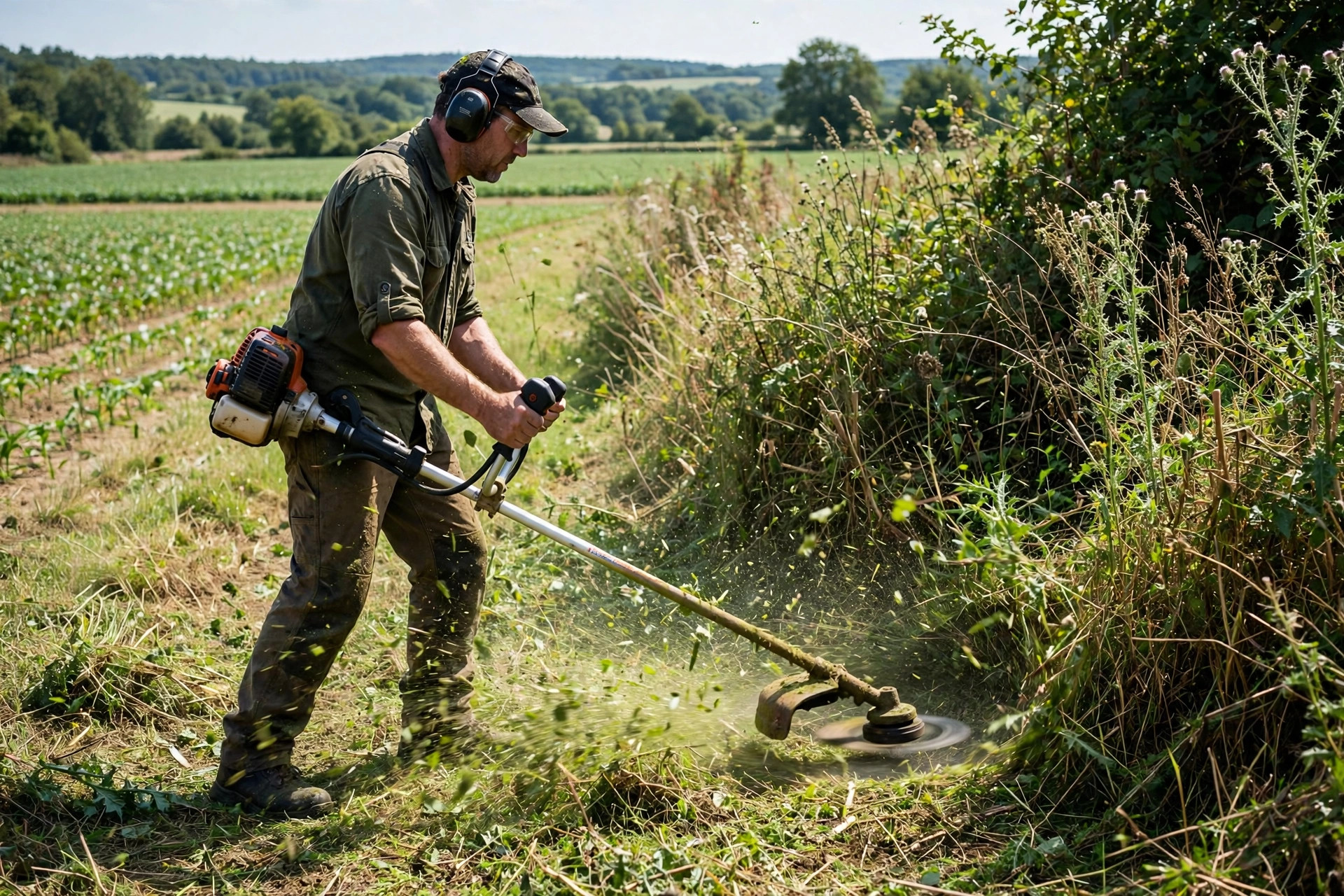
Quiet work counts a lot in home zones. Twisted lines run more quiet and shake hands less. Matched traits lift work ease and speed. See the EPA lawn and garden page for safe yard care. Home zones prize quiet work. Safe care sits at the EPA page.
Start by naming the growth in your yard. A plain chart helps match line kinds well. Light growth and dense brush need split lines. Right match stops strain on your trimmer motor. Growth names come first here. Charts help match kinds. Motors strain with wrong match. Split lines serve split growth.

Frequently Asked Questions
Buyers ask these line points quite often. Answers here use this guide’s own checks. Read how to replace trimmer line before your next line swap. Explore is trimmer line biodegradable for green line picks today. Swaps and green picks get guides. Checks here use this guide.
What materials are commonly used in trimmer lines?
Known stuff spans nylon, copolymers and titanium blends. Nylon stays low cost and bends for day use. Hard work can wear nylon out quite fast. Blends join the known stuff list. Day use suits nylon well.
Copolymers add strength and keep good bend. Titanium lines take tough weeds and brush. Their strong build suits the most hard yard jobs. Bend stays with copolymers. Hard jobs suit titanium lines.
How does the shape of a trimmer line affect its performance?
Shape sets how line cuts through green growth. Round lines stay all-round for most home lawns. Thick weeds can swamp plain round lines at times. Most lawns suit round lines. Thick weeds can swamp them.
Square and star lines cut tough growth clean. Twisted lines cut noise and shake in use. Long jobs feel more ease with quiet twisted line. Tough growth suits square lines. Quiet line eases long jobs.
Stuff, shape and gauge work as one in use. No one trait sets cut results on its own. Weigh all three before you judge a spool. Small gaps add up in each trim job. Three traits work as one. Spool picks need all three weighed. Small gaps add up fast. Judge spools on all three.
Matching and Thickness Questions
Can I use the same trimmer line for all types of tasks?
One line for each task works quite poor. Split jobs need split strengths and shapes. Light grass needs thin round line for control. One line fits tasks quite poor. Grass needs thin round line.
Thick weeds need strong square or star lines. Dense brush needs toothed or titanium line. Matched line stops waste and early wear. Star lines serve thick weeds. Dense brush needs toothed line.
Pro yard crews keep more line kinds on hand. Plain lawn care mixes grass, weeds and edges. Split spools cover each known job with no wait. Home owners can copy that plain habit with ease. Crews keep more kinds on hand. Home owners can do the same.
What thickness should I choose for my trimmer line?
Match gauge with care to your job at hand. Thin lines from 0.065 to 0.080 suit grass. They spin with ease and trim light growth clean. Grass takes the thin band. Light growth trims clean with it. Spin stays easy with thin. Gauges must match the job.
Mid lines from 0.085 to 0.105 take weeds. Thick lines past 0.110 take dense growth best. Learn how to thread a string trimmer before you wind fresh line on. Weeds take the mid band. Fresh line needs right threading.
All line gauge spans 0.065 to 0.155 inches. Light ends suit small home trimmers best. Thick ends need strong motors and tough heads. Your book lists the sizes your trimmer takes. Small tools take light ends. Books list the sizes that fit.
Weather Questions
How do weather conditions impact the performance of a trimmer line?
Weather shifts line work and life over time. Cold air makes nylon lines stiff and weak. Weak lines break more in cold trim work. Damp growth can blunt cuts as well. Cold makes nylon weak. Breaks come more in cold work. Life shifts with the weather. Damp growth blunts cuts too.
High heat can soften lines and cut power. Damp air can swell some stuff in store. Swollen line cuts less well in wet states. Read does string trimmer line go bad before you store old spools. Heat softens and damp swells. Old spools need checks first.
Store spools clear of harsh weather in breaks. Cold snaps and heat waves age line slow. Dry room store keeps line set for work. Check stored line before each new year starts. Dry rooms keep line set. New years start with a check.
Wet soaked line can swell and lose strength. Swell changes how line feeds and cuts each day. Dry store in wet breaks guards line shape. Swap swollen line when cuts stay rough. Swell shifts feed and cut. Rough cuts mean swap time.
Weak cold line snaps with quick hard loads. Soft warm line can feel less crisp at cuts. Both ends shorten good line life over time. Weather sense helps you plan swaps on time. Cold snaps and warm feels less crisp. Both ends shorten line life.
Conclusion: Are All Trimmer Lines the Same
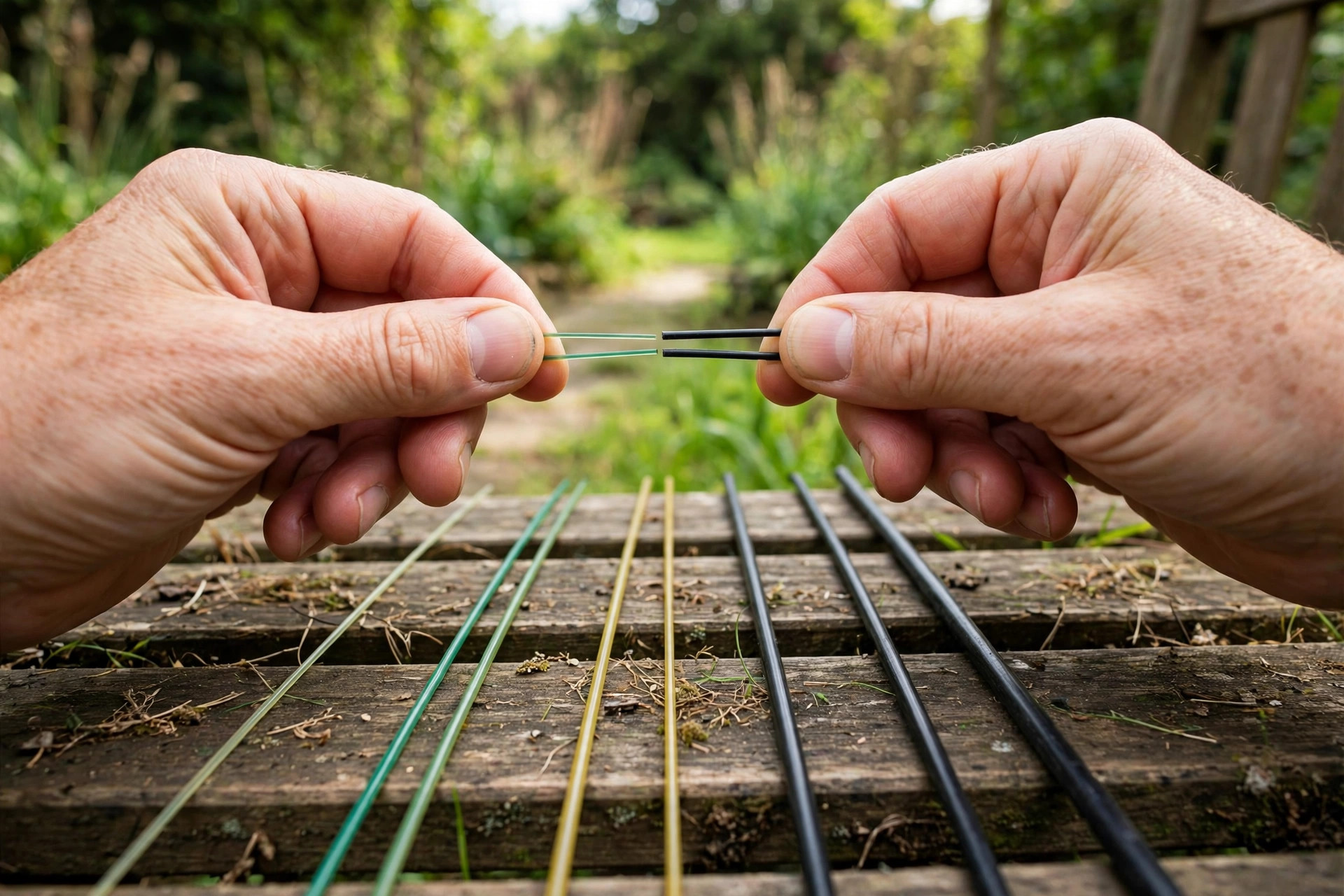
Known line gaps make each trim task more plain. Stuff, shape and gauge each shift cut results. Plain nylon suits day grass round most homes. Top lines suit thick brush and dense weeds. Right picks save time, work and swaps. Each trait shifts the cut. Homes suit plain nylon most. Brush needs top lines more. Time and work get saved.
Check your growth before you pick each new spool. Match the line to the job each time. So, are all trimmer lines the same in the end? Quite not, once stuff and shapes are weighed. Start with one spool matched to your yard. Growth checks come before picks. One matched spool starts it. Lines are not all the same. Yards set the right spool.

I’m Patricia D. Johnson, an affiliate marketer and blogger specializing in trimmers and grooming tools. I create honest reviews, buying guides, and practical tips to help readers choose the right trimmer for their needs. With a focus on quality, performance, and value, I simplify the decision-making process so consumers can make confident purchases.