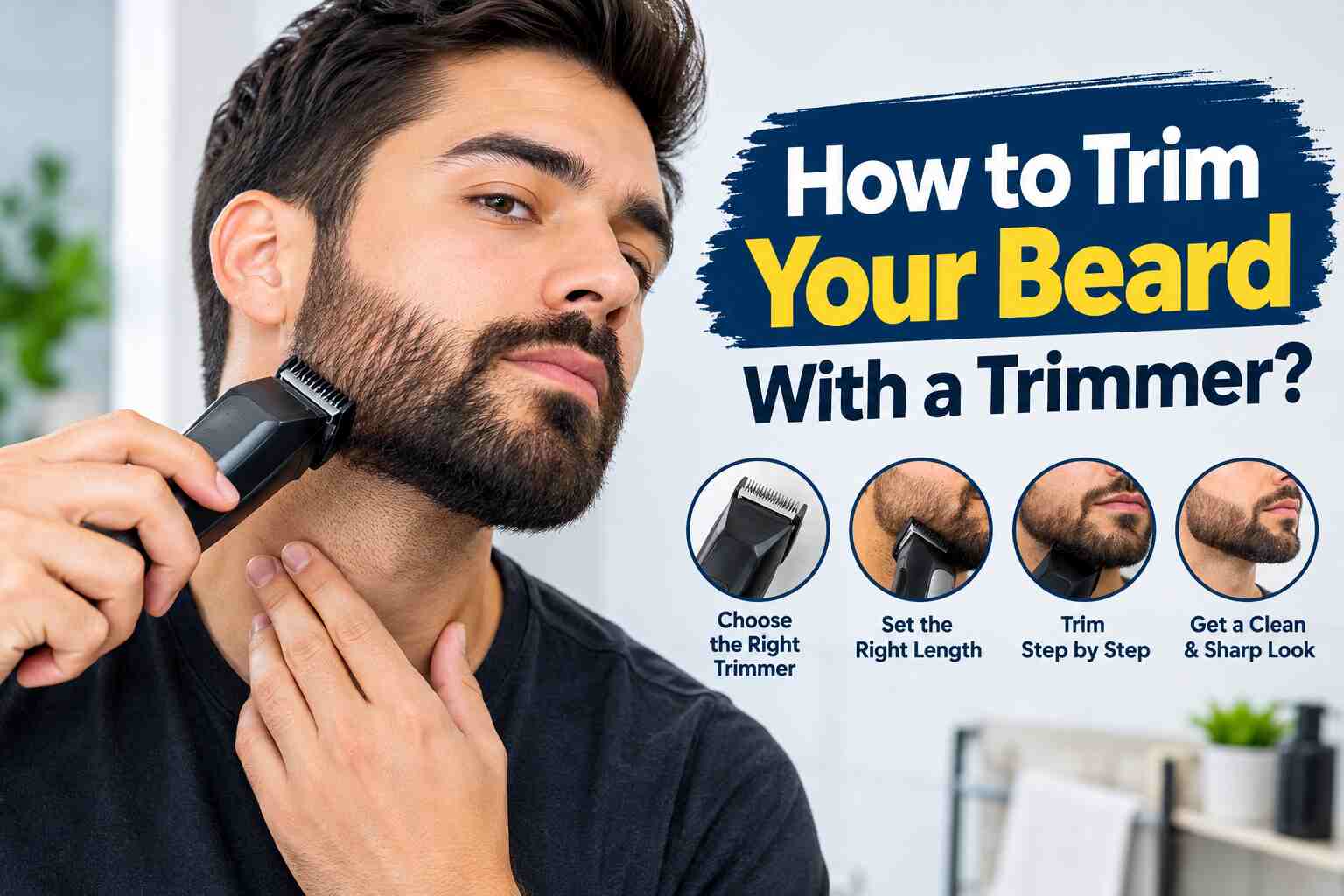
Welcome to the ultimate guide on how to trim your beard with a trimmer. This guide will help you achieve a great-looking beard. Trimming your beard properly makes a big difference. It helps your beard look neat and healthy. Many people are growing beards these days. Learning to trim your own beard saves you money and time. You can get a barbershop look right at home. This guide is for beginners. We will make it easy to understand.
Why Trimming Your Beard Matters
Trimming is more than just cutting hair. It shapes your beard. It keeps your beard clean and tidy. A well-trimmed beard can boost your confidence. It shows you care about your appearance. Regular trims also help your beard grow better. They remove split ends. This makes your beard look fuller and healthier.
Essential Tools You Will Need
Before you start, gather your tools. Having the right tools makes trimming easier. It also gives you better results.
- Beard Trimmer: This is the most important tool. Choose one with different guard lengths.
- Small Comb or Beard Brush: This helps detangle your beard. It also helps you see its natural shape.
- Small Scissors: These are great for stray hairs. They help with precision work.
- Mirror: A good, clear mirror is a must. A magnified mirror can also be helpful.
- Towel: Use this to catch trimmed hairs. It makes cleanup easier.
- Beard Oil or Balm: This is for after-trim care. It keeps your beard soft and healthy.
- Aftershave or Moisturizer: For any areas you shave clean.
Pro Tip: Invest in a good quality trimmer. It will last longer and perform better. Look for waterproof options for easy cleaning.
Choosing Your Beard Trimmer
There are many types of trimmers. Some are corded, some are cordless. Cordless trimmers offer more freedom. Look for a trimmer with sharp blades. Stainless steel blades are common. Ceramic blades can stay sharp longer. Different guard lengths are key. They let you choose how long you want your beard.

Preparing Your Beard for Trimming
Preparation is very important. It sets you up for a successful trim. Do not skip these steps.
Wash Your Beard
Always start with a clean beard. Wash it with a good beard shampoo. This removes dirt and oils. It also makes the hair softer.
Dry Your Beard Completely
Your beard must be dry before trimming. Wet hair is longer than dry hair. Trimming wet hair can lead to mistakes. You might cut off too much. Gently towel dry your beard. You can also use a hairdryer on a cool setting.
Comb Your Beard
Comb your beard thoroughly in the direction of hair growth to remove tangles and lift the hairs evenly. This helps you achieve a smoother, more uniform trim.
Understanding Beard Lengths and Styles
Knowing what length you want is crucial. Different guard settings give different lengths.
| Guard Number | Approximate Hair Length | Common Use |
|---|---|---|
| No Guard | 0.4 mm | Stubble, clean shave edges |
| #1 | 3 mm (1/8 inch) | Short beard, defined stubble |
| #2 | 6 mm (1/4 inch) | Medium short beard |
| #3 | 10 mm (3/8 inch) | Medium beard |
| #4 | 13 mm (1/2 inch) | Longer beard, fuller look |
| #5+ | 16 mm+ | Very long beards, shaping |
Key Takeaway: Always start with a longer guard. You can always go shorter. You cannot put hair back on.

Step-by-Step Instructions: How to Trim Your Beard With a Trimmer?
This section will walk you through each step. Take your time. Be patient.
Step 1: Set Up Your Trimming Station
First, find a good spot. A bathroom counter with a mirror is ideal. Lay down your towel. This catches the hair. It makes cleanup much easier. Plug in your trimmer if it’s corded. Make sure the battery is charged if it’s cordless.
Step 2: Choose Your Initial Guard Length
Decide on your desired beard length. As a beginner, always start with a longer guard. For example, if you want a medium beard, start with a #3 guard. You can always go shorter if needed. Attach the guard firmly to your trimmer. Double-check it is secure.
Step 3: Trim the Bulk of Your Beard
Begin trimming your beard. Start from your cheeks. Move downwards towards your chin. Use light, even strokes. Go against the grain of your hair growth. This helps cut the hairs more evenly. Overlap your strokes slightly. This ensures you do not miss any spots. Do not press too hard. Let the trimmer do the work.
Step 4: Define Your Neckline
The neckline is very important. A good neckline makes your beard look neat. Find your Adam’s apple. Place two fingers above it. This is generally where your neckline should start. Use your trimmer without a guard. Create a soft, curved line from ear to ear. Shave everything below this line. Be careful not to go too high. A high neckline makes your beard look like it’s floating.
Warning: A common mistake is trimming the neckline too high. This can ruin the shape of your beard.

Step 5: Shape Your Cheek Lines
Your cheek lines frame your face. You can choose a natural look or a sharp line. For a natural look, just trim stray hairs. Use your trimmer without a guard for a sharp line. Start from your sideburns. Create a straight or slightly curved line down to your mustache. Be careful to make both sides even. A small pair of scissors can help with tiny details here.
Step 6: Trim Your Mustache
Your mustache needs attention too. Comb your mustache downwards. Use a smaller guard on your trimmer. Or, use the precision trimmer attachment if you have one. Trim the hair that hangs over your lip. You can also use small scissors for this. Hold them parallel to your lip. Snip carefully.
Step 7: Blend Your Sideburns
Sideburns connect your beard to your haircut. They should blend smoothly. If your hair is short, use a shorter guard on your sideburns. Then, gradually use a longer guard as you move down into your beard. This creates a faded look. If your hair is longer, you might just trim them to the same length as your beard.
Step 8: Check for Evenness and Stray Hairs
After the main trim, step back. Look at your beard from different angles. Is it even? Are there any spots you missed? Use a comb to brush through your beard again. This will reveal any stray hairs. Use your small scissors or the precision trimmer to snip these away. Pay close attention to the areas under your chin and jawline.
Step 9: Clean Up Your Workspace
Once you are happy with your trim, clean up. Brush the trimmed hairs from your towel into the trash. Clean your trimmer. Most trimmers come with a small brush. Use it to remove hair from the blades. Some trimmers can be rinsed under water. Check your trimmer’s manual for cleaning instructions. Proper cleaning keeps your trimmer working well.
Step 10: Wash Your Face and Beard
Wash your face and beard again. This removes any small, itchy hairs. Use a gentle cleanser. Pat your face and beard dry with a clean towel.
Step 11: Apply Beard Oil or Balm
Now it is time for aftercare. Apply a few drops of beard oil or a small amount of beard balm. Rub it into your beard. Make sure to get it down to the skin. This moisturizes your beard and skin. It also helps your beard look shiny and healthy. Beard oil can also help reduce itchiness.
Note: Many beard oils contain natural ingredients like argan oil, jojoba oil, and essential oils. These are great for beard health.
Step 12: Final Inspection and Maintenance
Take one last look in the mirror. Admire your work! Remember to trim your beard regularly. Most people trim every 1-2 weeks. This keeps your beard looking its best.
Common Pitfalls and How to Avoid Them
Even with a guide, mistakes can happen. Here are some common problems and how to fix them.
- Uneven Trim: This often happens from rushing. Take your time. Use consistent strokes. Check your beard from all angles.
- Neckline Too High: This is a very common mistake. Remember the two-finger rule above your Adam’s apple.
- Cutting Too Much: Always start with a longer guard. You can always go shorter.
- Irritation or Razor Burn: Make sure your trimmer blades are clean and sharp. Do not press too hard. Use beard oil afterwards.
- Skipping Preparation: Washing and drying your beard is crucial. It helps prevent uneven cuts.
Troubleshooting Your Trimmer
Sometimes your trimmer might not work right. Here is a quick guide.
| Problem | Possible Cause | Solution |
|---|---|---|
| Trimmer Pulls Hair | Dull blades, low battery, clogged blades | Clean blades, charge battery, oil blades, replace blades |
| Uneven Cutting | Hair not combed, incorrect technique | Comb beard thoroughly, use even strokes, go against the grain |
| Trimmer Not Turning On | Dead battery, loose connection | Charge battery, check power cord/outlet |
| Excessive Noise/Vibration | Loose parts, needing lubrication | Check for loose parts, apply oil to blades |

The Latest Trends in Beard Styles
Beard styles are always changing. In 2024, natural and well-groomed beards are popular. Shorter, tidy beards are also in style. Many men prefer a “business casual” beard. This means a beard that is not too long but still has good shape. The “beardstache” (a longer mustache with a shorter beard) is also gaining popularity.
According to a recent survey, nearly 55% of men in the US have some form of facial hair. This shows how popular beards are. Knowing how to trim your beard keeps you looking modern and fresh.
Conclusion
Trimming your beard with a trimmer is a skill. It takes practice. But with this guide, you have a great start. Remember to prepare your beard. Choose the right guard. Take your time. Define your neckline and cheek lines carefully. Always finish with beard oil or balm. With regular practice, you will become a pro. Your beard will look great, and you will feel confident. Happy trimming!
Frequently Asked Questions
How often should I trim my beard?
Most people trim their beard every 1-2 weeks. This keeps it neat and helps maintain its shape.
Can I use regular hair clippers on my beard?
While you can, it’s not ideal. Beard trimmers are designed for finer hair and offer more precision for facial hair.
What is the best way to clean my beard trimmer?
Use the small brush that came with your trimmer to remove hairs. Some trimmers can be rinsed under water; check your manual.
My beard feels itchy after trimming. What can I do?
Itchiness can be caused by small hairs or dry skin. Wash your beard thoroughly after trimming and apply beard oil or balm to moisturize.
How do I prevent ingrown hairs on my beard line?
Exfoliate your skin regularly. Shave or trim in the direction of hair growth. Use a good quality aftershave or moisturizer.

I’m Patricia D. Johnson, an affiliate marketer and blogger specializing in trimmers and grooming tools. I create honest reviews, buying guides, and practical tips to help readers choose the right trimmer for their needs. With a focus on quality, performance, and value, I simplify the decision-making process so consumers can make confident purchases.