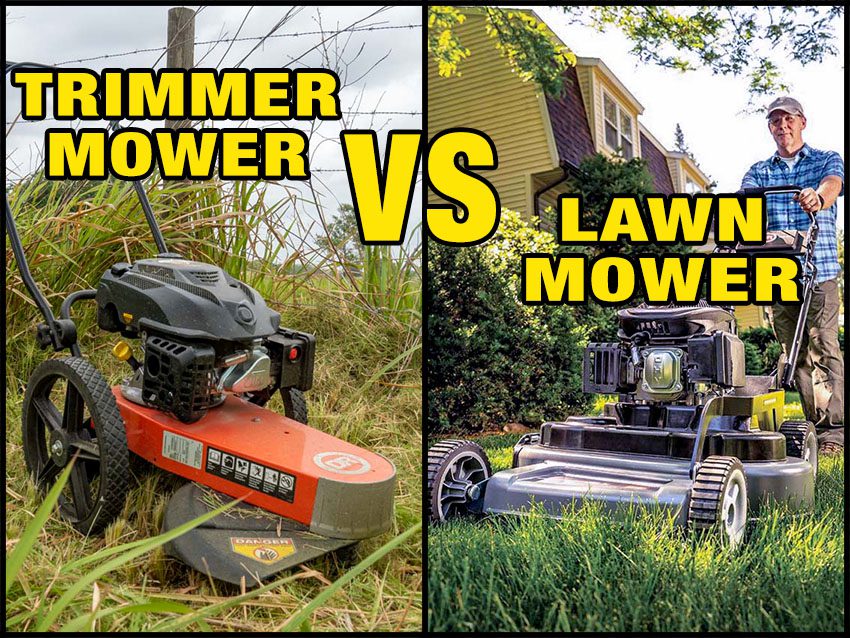
Trimmer vs Mower: An Honest Lawn Comparison
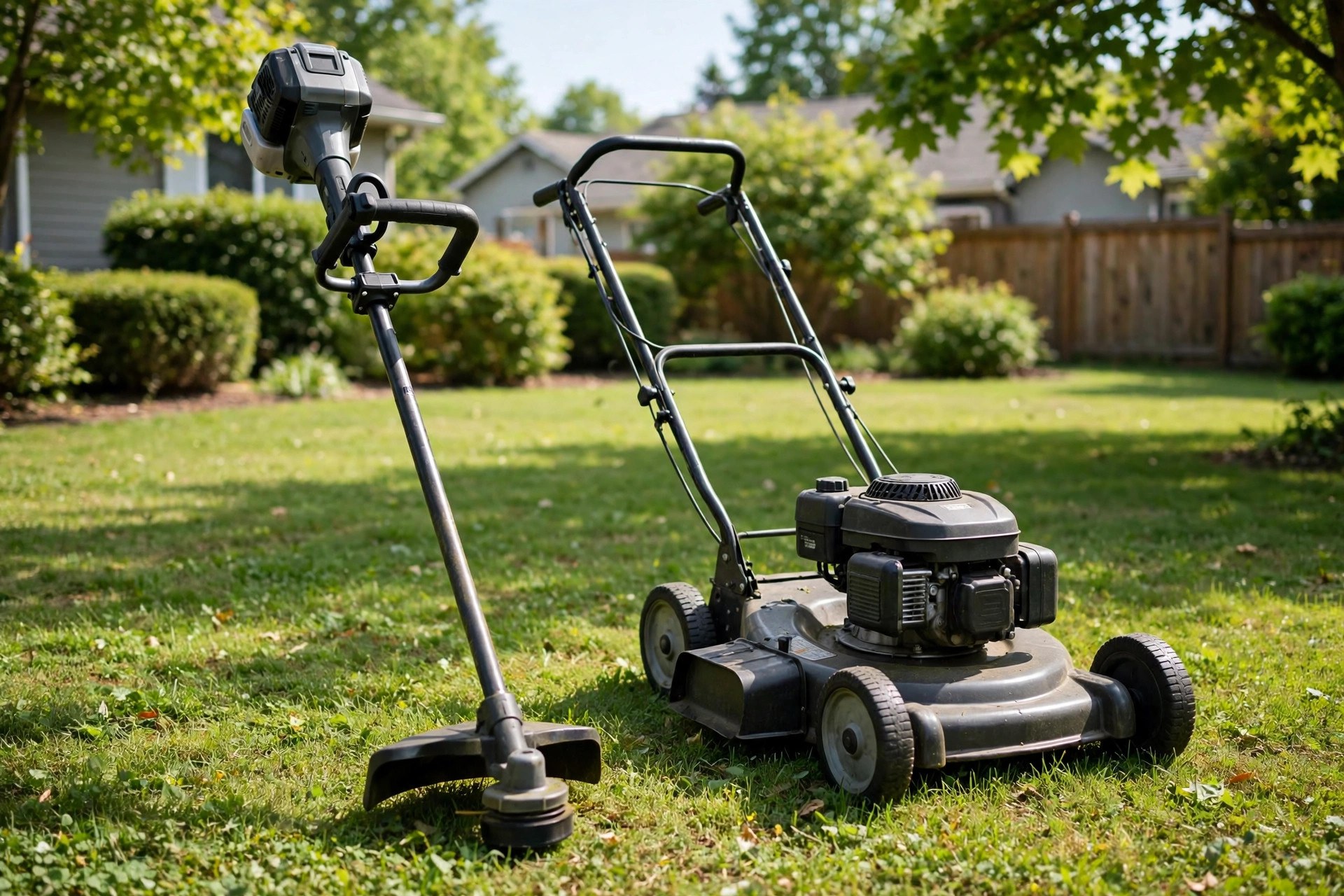
Your trimmer vs mower pick starts with lawn size. Trimmers work on edges, corners, and tight spots. Mowers cover open grass fast. They leave one even height. Both tools cut grass. But they solve two unlike jobs. Size comes first here. Edges point one way. Open grass points the other way. Two jobs, two tools. Corners need the small tool. Lawns need the wide one.
This guide weighs two lawn tool types. It names brands, not set models you can buy. You’ll see widths, power types, and care needs side by side. Our what is a trimmer guide shows basic trimmer types first. Brands yes, models no. Widths sit side by side. Care needs get weighed too. Types come before brands. No model names to buy. Just types, widths, power.
Read the quick verdict first if time is short. Then check each type part with care. Pick your main tool with thought. Many neat lawns need both tools each week. Verdict first, parts next. Both tools, many lawns. Short time, quick verdict. Main tool picked with thought. Each type gets its part. Weekly work needs both.
Quick verdict: Trimmers win for edges, corners, fences, and tight detailed spots. Mowers win for open lawns, fast coverage, and even heights overall. Most medium lawns honestly use both tools together each week. Pick by your biggest area and trickiest corner first today.
Top Picks at a Glance: Trimmer vs Mower Types
| Image | Product | Best For | Price |
|---|---|---|---|
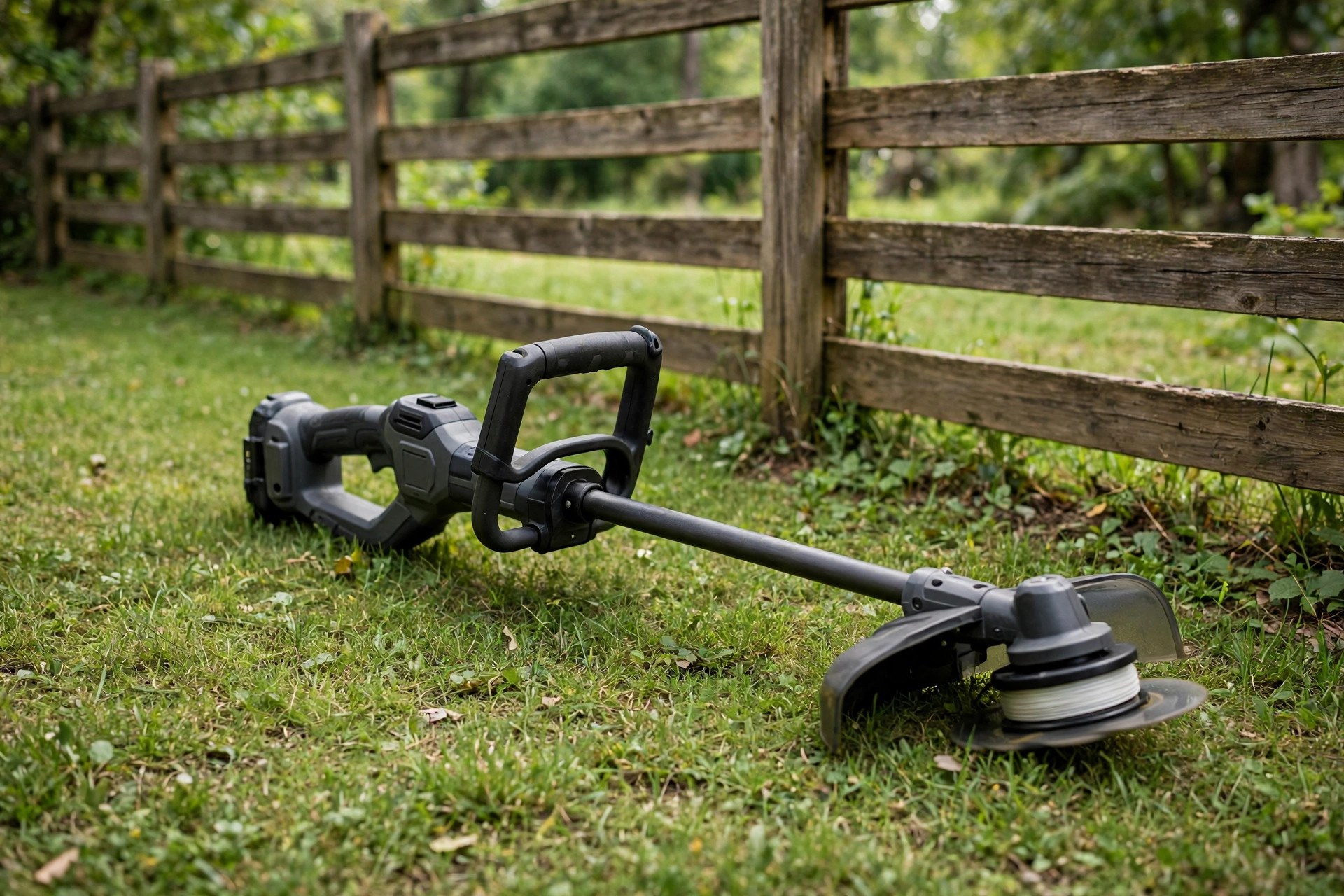 |
Trimmer | Edges, Corners, and Tight Detailed Spots | — |
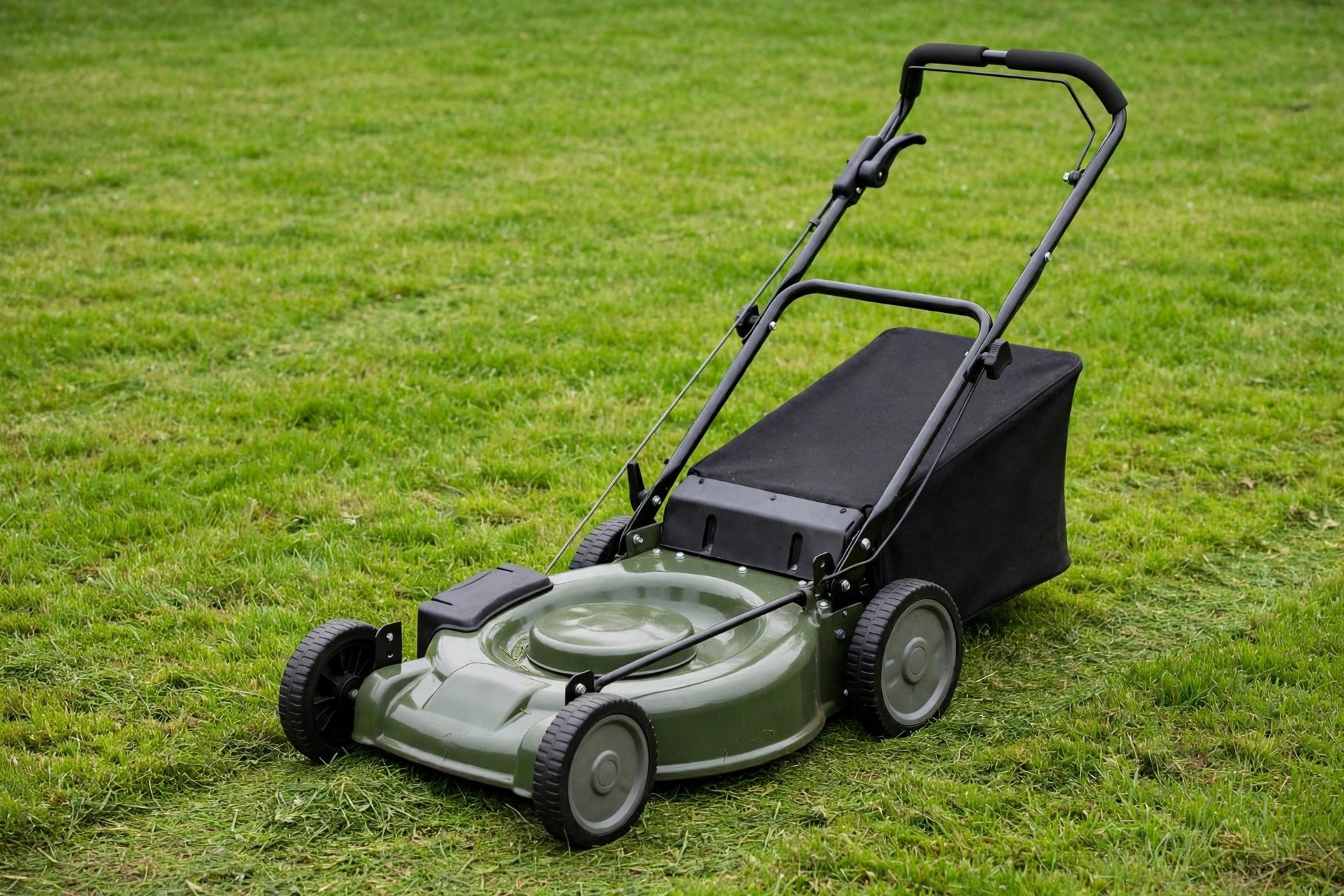 |
Mower | Open Lawns, Speed, and Even Cutting Height | — |
1. Trimmer — Edges, Corners, and Tight Spots
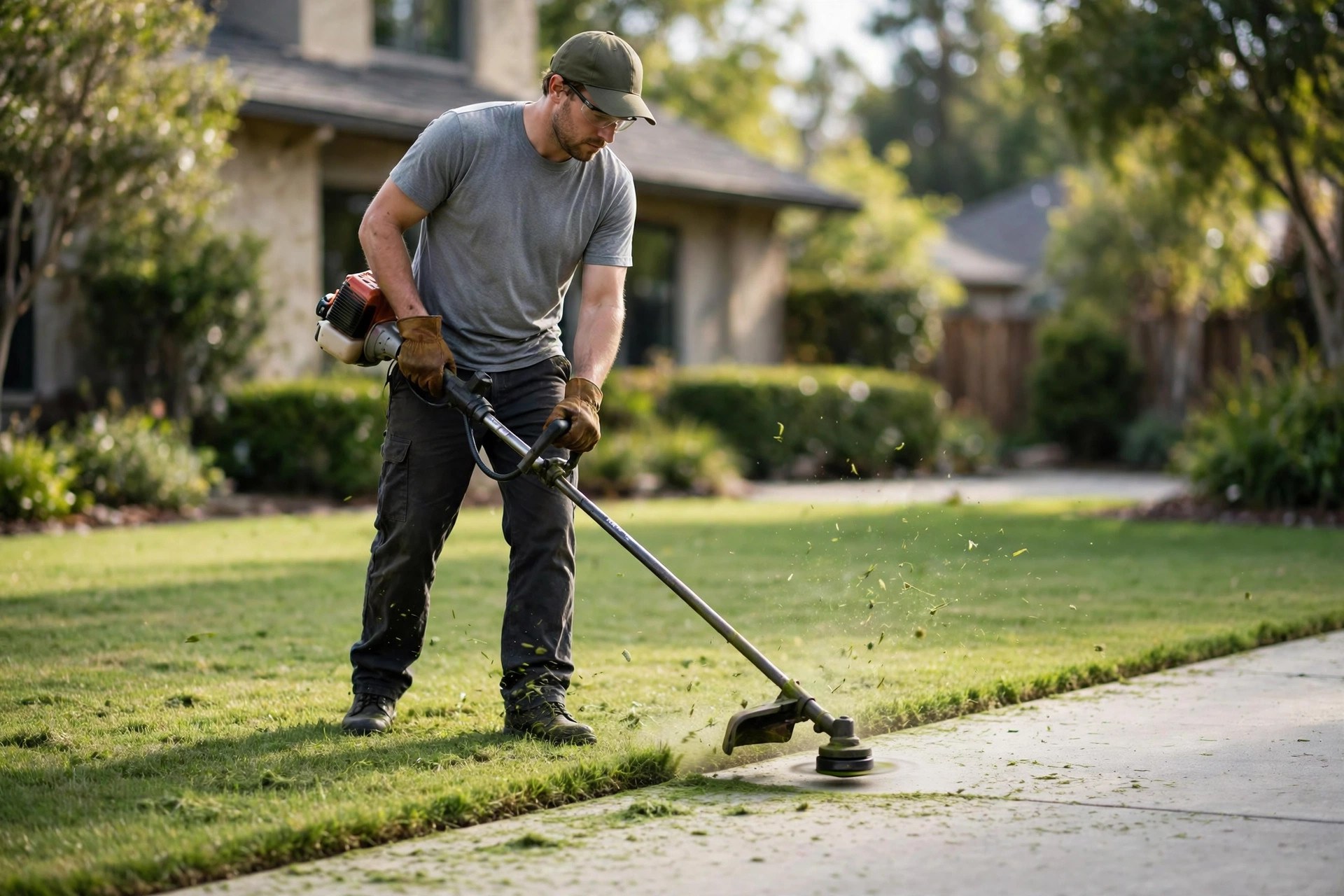
String trimmers cut grass and weeds near hard spots. Many folks call them weed eaters. A thin nylon line spins fast. It trims growth near fences and trees. The small head reaches spots mower decks can not reach. Line spins, grass falls. Small heads reach far spots. Weed eaters by nickname. Fences and trees get trimmed. Nylon line does the cutting. Decks can not reach there.
| Spec | Trimmer |
|---|---|
| Main job | Edges, corners, and hard-to-reach spots |
| Cutting method | Spinning nylon line or plastic blades |
| Cutting width | 10 to 14 inches per live guide |
| Power options | Gas, electric corded, or battery powered |
| Height control | Angled head and adjustable line length |
| Noise level | Low per the live guide comparison |
| Guide stated range | $50 to $300 per the live guide |
| Example brands named | Black+Decker, STIHL, and Worx per guide |
Key Features
- Light hand-held body for tight spots
- Spinning nylon line cutting head
- Gas, electric, and battery power picks
- Angled head reaches under low obstacles
Pros
- Fine cuts fit tight spaces, corners, and edges well.
- Light build stays easy to carry and steer each day.
- The guide gives trimmers lower emissions than mowers.
- Quiet running suits early or late yard work.
Cons
- Large open lawns take much longer with this tool.
- Tall and dense grass strains its narrow cutting head.
- Narrow cutting width limits ground covered each pass.
- Battery models stop early when their charge runs out.
The guide stresses neat control near soft planting beds. Users steer the light head along fences, paths, and borders. Gas models bring more power. They need fuel and care. Battery models move free of cords. But their run time stays short each day. Gas brings power and care. Battery brings free movement. Fences and paths guide the head. Run time stays short. Borders steer the light head. Soft beds need neat control.
Pick a trimmer when edges and fine work count most. Skip it as your sole tool for large lawns. Our what size trimmer is best guide shows sizing picks in full. Edges first, size next. Large lawns need more. Fine work counts most here. Sole tool, no, for big lawns. Sizing picks sit in the guide. Edges make the case.
2. Mower — Open Lawns, Speed, and Even Height
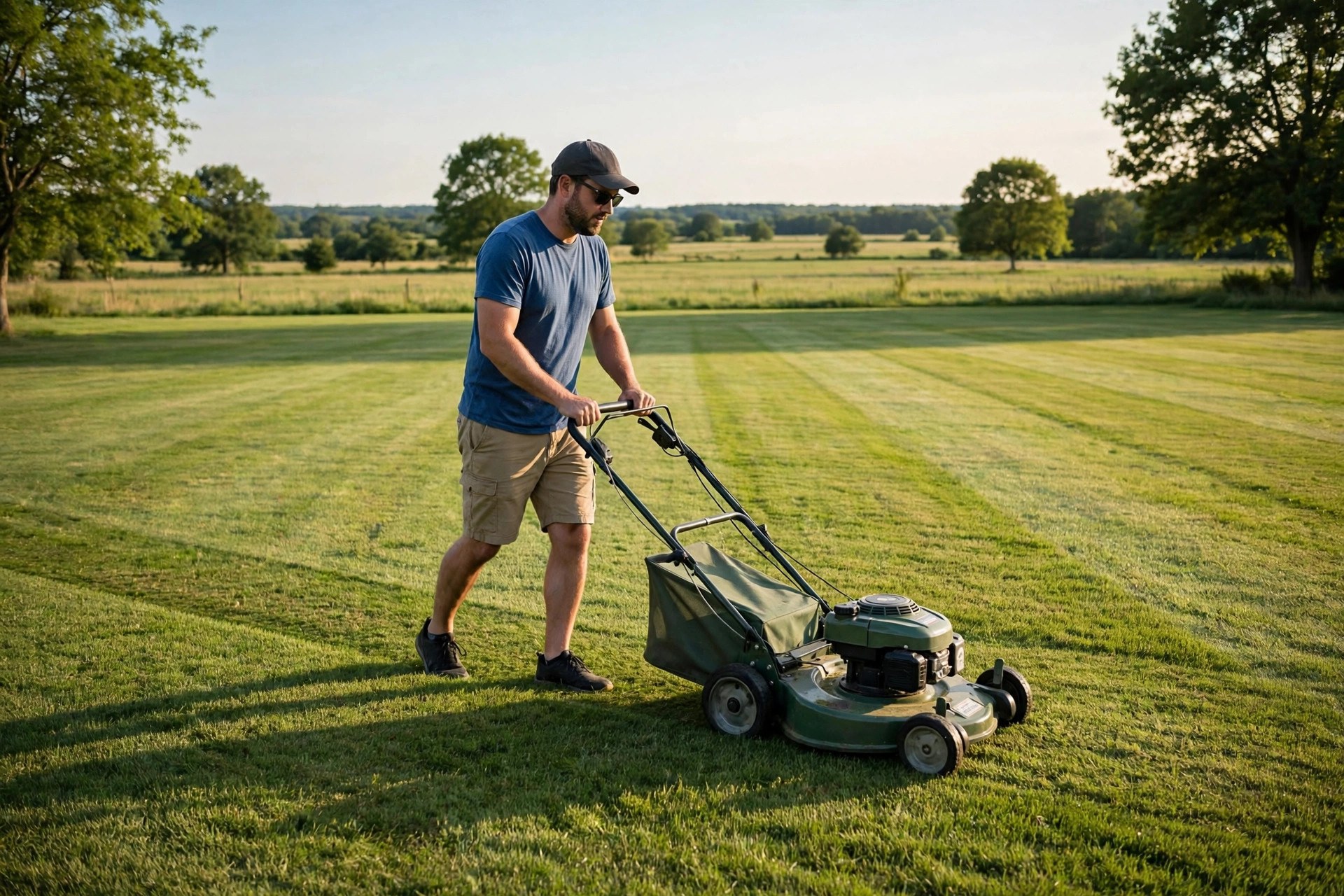
Mowers cut large grass areas fast. Their blades spin flat and wide. Push and self-propelled models suit unlike lawn sizes. Deck heights adjust to set your grass length. They give up tight corners for speed and reach. Wide blades spin flat. Speed beats corner care. Deck heights set length. Lawn sizes pick the drive. Fast cover of large areas. Tight corners get traded off.
| Spec | Mower |
|---|---|
| Main job | Cutting larger lawns evenly and quickly |
| Cutting method | Horizontal spinning blade under a deck |
| Cutting width | 20 to 60 inches or more per guide |
| Power options | Gas, electric corded, or battery powered |
| Height control | Multiple adjustable cutting height settings |
| Noise level | High per the live guide comparison |
| Guide stated range | $150 basic to over $1000 per guide |
| Example brands named | Husqvarna, Honda, and Toro per guide |
Key Features
- Wide deck covers open ground fast
- Heights adjust for many grass states
- Push or self-propelled drive picks
- Strong cutting power handles thick grass
Pros
- Wide decks finish large lawns fast.
- Heights adjust to match grass lengths with ease.
- Power picks suit many budgets, yards, and tastes.
- Clean, even cut covers open areas fast.
Cons
- Tight corners and narrow gaps beat its wide deck.
- Big, heavy body needs lots of storage space.
- Loud running can disturb close neighbors.
- Higher emissions mark gas models, per the guide.
The guide backs mowers for lawns, parks, and fields. Self-propelled models push themselves forward on long jobs. Gas models bring the most power. They need fuel and service. Corded electric models stay tied to cord length. Parks and fields suit mowers. Cords limit corded picks. Fuel and service feed gas power. Long jobs suit self-drive. Most power comes from gas. Fields and parks fit well.
Pick a mower when open area rules your yard. Skip it when tight edge work rules your week. Pair it with a trimmer for the corners it misses. Open yards want mowers. Corners want their pair. Edge weeks rule trimmers. Missed corners get paired help. Your yard rules the pick. Your week rules it too.
Trimmer vs Mower Buying Guide: Match Tool to Lawn
Start with your largest grass area. Note your tightest corner too. Open ground points to a mower for speed. Tight edges point to a trimmer for close control. The table below weighs both types trait by trait. Big area, tight corner. Traits sit in the table. Speed points to mowers. Control points to trimmers. Largest area speaks first. Tightest corner speaks next.
| Feature | Trimmer | Mower |
|---|---|---|
| Power Source | Gas, electric, battery | Gas, electric, battery |
| Cutting Width | 10 to 14 inches | 20 to 60 inches or more |
| Maneuverability | High in tight spaces | Medium around obstacles |
| Height Adjustment | Angled head, adjustable line | Adjustable cutting heights |
| Noise Level | Low | High |
| Upkeep Load | Line swaps and head cleaning | Oil, filters, and blade care |
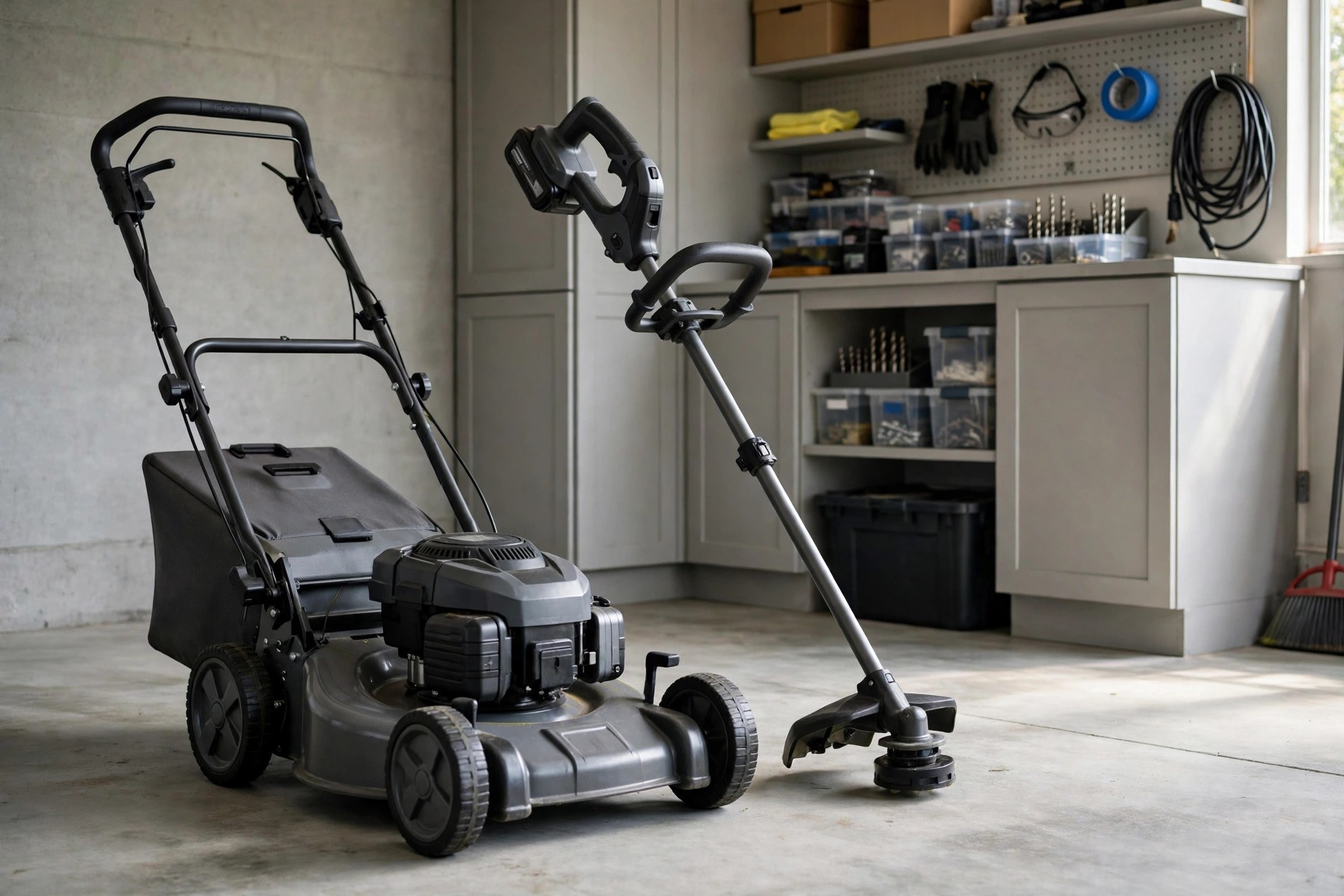
Our best lawn edge trimmer guide covers set edging tools in full. Our best battery operated lawn trimmer guide weighs cordless picks with care. The EPA shows safe handling for used home batteries. Three links, three topics. Safe handling gets shown. Edging tools get a guide. Cordless picks get weighed. Batteries need safe handling. Edging gets full cover.
The EPA lawn and garden guidance shares safer outdoor basics. Note one honest tension in the guide itself. It calls trimmers good for all heights. Yet it calls them weak on tall grass. Trust the weakness when thick, tall growth rules your yard. One tension stays flagged. Weakness wins on tall grass. Safer basics sit online. Thick growth tests the claim. Heights get praise in print. Tall grass gets doubt.
Frequently Asked Questions
What is the main difference between a trimmer and a mower?
A trimmer cuts edges and tight spots with spinning line. A mower cuts open lawns with flat spinning blades. Size and purpose split these two tools most. Line for edges, blades for lawns. Purpose splits the pair. Spinning line versus flat blades. Size splits them too. Tight spots versus open lawns. That gap runs the guide.
Which one is better for maintaining a small lawn, a trimmer or a mower?
A trimmer suits small lawns full of blocks best. It stays light, low cost, and simple to care for. Our can you cut a small lawn with a trimmer guide tells more. Small lawns suit trimmers. Light, cheap, plain care. Blocks fill small lawns. Care stays simple here. Low cost helps small yards. Light builds help hands.
Can a trimmer be used instead of a mower on a large lawn?
A trimmer works there, but it wastes much time. Its narrow head covers open ground far too slowly. Our can you use trimmer to mow lawn guide weighs both ways. Slow heads waste hours. Open ground needs width. Time drains on big lawns. Both ways get weighed. Narrow heads crawl on lawns. Mowers own that ground.
Do trimmers and mowers require different types of maintenance?
Yes, both tools need unlike care at home. Trimmers need fresh line and head cleaning. They need motor care at times too. Mowers need oil changes and filter swaps. They need sharp blades each year. Line and heads for trimmers. Oil and blades for mowers. Fresh line, clean heads. Sharp blades, fresh filters. Yearly blades for mowers. Fresh line for trimmers.
Can I use a trimmer and a mower interchangeably?
No, each tool serves its own purpose. Swap their jobs and results turn poor. Tool damage can follow too. Use each tool where its design works best. Each job has its tool. Poor swaps hurt tools. Design sets the best use. Results turn poor when swapped. Own jobs, own tools. Best use follows design.
Conclusion
Your pick follows lawn size and shape. Trimmers reward care near beds, fences, and trees. Mowers reward fast, even cover of open grass. No tool replaces the other in a full routine. Beds and fences reward trimmers. Open grass rewards mowers. Size and shape rule picks. Full routines need both. Trees and beds want care. Grass wants speed and evenness.
Many owners keep both tools for full lawn care. Check widths, power, noise, and care needs before you spend. Pick with care, work safe, and enjoy your neat lawn. Your yard will thank you each week this season. Check first, spend next. Neat lawns thank both tools. Widths, power, noise, care. Calm picks pay off weekly. Both tools, full care. Seasons reward calm picks.