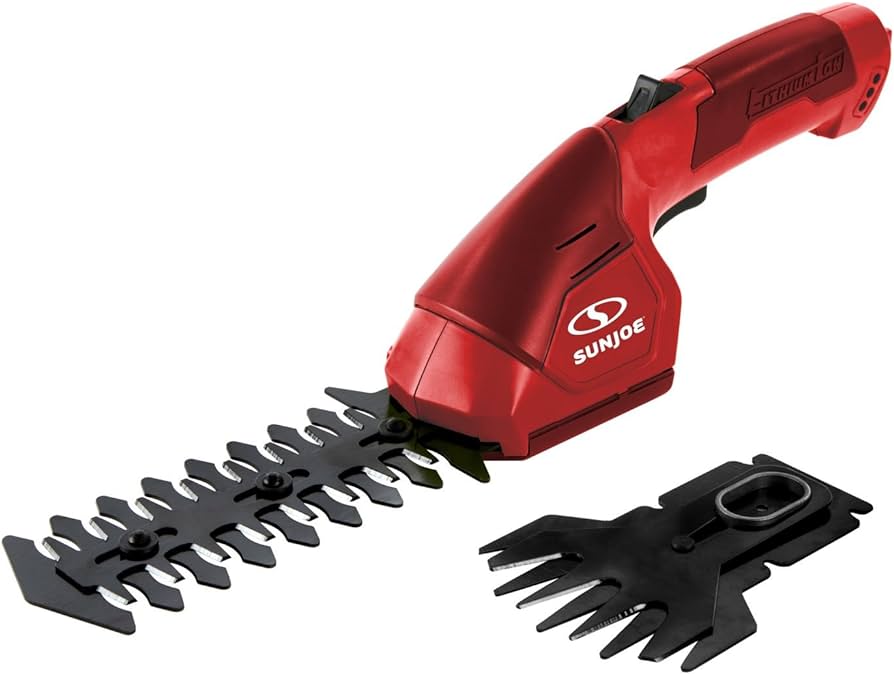
Can You Cut a Small Lawn With a Trimmer
Yes, you can cut it with a trimmer. A trimmer keeps the lawn neat and in good shape. It may not match a lawnmower for speed. Its care helps around tight, hard spots a lot. The look and health of the lawn still count most. A trimmer can cut it. The lawn stays neat. Speed is not its strength. Tight spots suit it well. Looks and health count most. Neat lawns come from trims. Care beats speed here. Health counts most of all. The trimmer keeps it neat. Awkward spots suit it. Good shape is the gain. Trim with care and it works.
Good cutting keeps grass healthy and tidy. Trimmers reach spots lawnmowers cannot reach with ease. The job takes more time though. The tool stays handy for the best shape. Think about your lawn needs before you pick tools. Cutting keeps grass healthy. Trimmers reach tight spots. Mowers miss those spots. More time goes in though. The tool stays handy. Lawn needs guide the choice. Shape stays best with the tool. Tight spots need the trimmer. Healthy grass is the aim. Tidy grass follows good cuts. Needs come before tools. Handy tools earn their keep.
Our mowing guide covers whole-lawn trimming trade-offs. Our lawn trimmer guide explains the tool itself first. The Wikipedia string trimmer page gives wider background reading. Choose the tool matching your lawn honestly. The guides cover the trade-offs. One guide explains the tool. One page gives wide context. Pick the tool for your lawn. Whole-lawn trade-offs sit there. Tool facts come first there. Wide context helps the choice. Match the tool to the lawn. Trade-offs get full cover. The tool guide comes first. Background reading sits there too. Honest picks match lawn needs.
Quick answer: Yes, a trimmer cuts a small lawn quite effectively. It keeps the grass well-maintained and neat. It reaches tight areas that lawnmowers cannot access. It may not save you time versus mowing. Careful cutting avoids slicing the grass too short.
Can You Cut a Small Lawn With a Trimmer: The Short Answer
A trimmer can do this job in full. Folks also call it a weed eater. Others call it a string trimmer instead. It cuts small areas around obstacles well. Tight corners beat plain lawnmowers quite often. A trimmer can do the job. Some call it a weed eater. Some call it a string trimmer. Small areas cut well. Tight corners beat mowers. The job can be done. Names vary, the tool is one. Obstacles cut around well. Corners suit it best. Weed eater is one name. String trimmer is one name. Possible is the plain word.
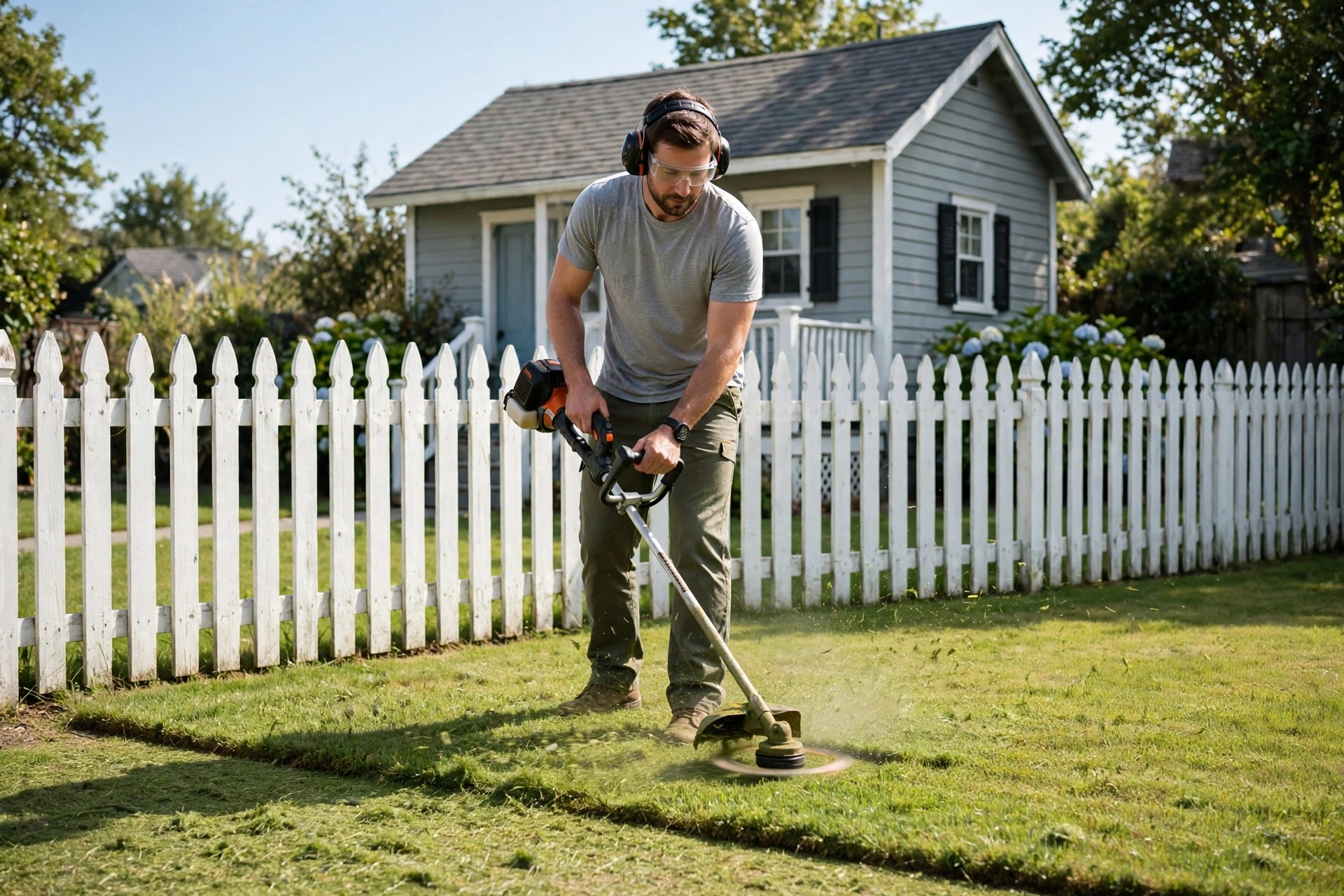
Pros and Cons of Using a Trimmer
The pros start with reach and precision. Hard-to-reach and tight areas cut cleanly here. Lawn edges stay maintained with little effort. The tool stays versatile for small lawns. Our edge trimming guide sharpens border work further. Reach and care lead the pros. Tight areas cut clean here. Edges stay neat with ease. The tool suits small lawns. Edge work sharpens with the guide. Borders sharpen with edge work. Small lawns suit its range. Clean cuts mark tight areas. Little effort keeps edges neat. Versatile work suits it. Pros start with reach. Precision marks the pros list.
| Trimmer Pros | Trimmer Cons |
|---|---|
| Effective in hard-to-reach and tight areas | Less time-efficient than a traditional lawnmower |
| Great for maintaining lawn edges | Limited height control can cause uneven cuts |
| Versatile for small lawn maintenance | More physically demanding on larger areas |
Speed lags behind plain lawnmowers though. Poor height control risks uneven cuts at times. The work tires you more on big areas fast. Plan slower rounds than mower passes allow. Speed lags behind mowers. Height control can slip. Uneven cuts can show. Big areas tire you fast. Plan slower rounds than mowers. Slow rounds are the plan. Tired arms mark big jobs. Uneven cuts are the risk. Mower passes run faster. Sessions run slow by plan. Demand grows on big areas. Height slips show in cuts.
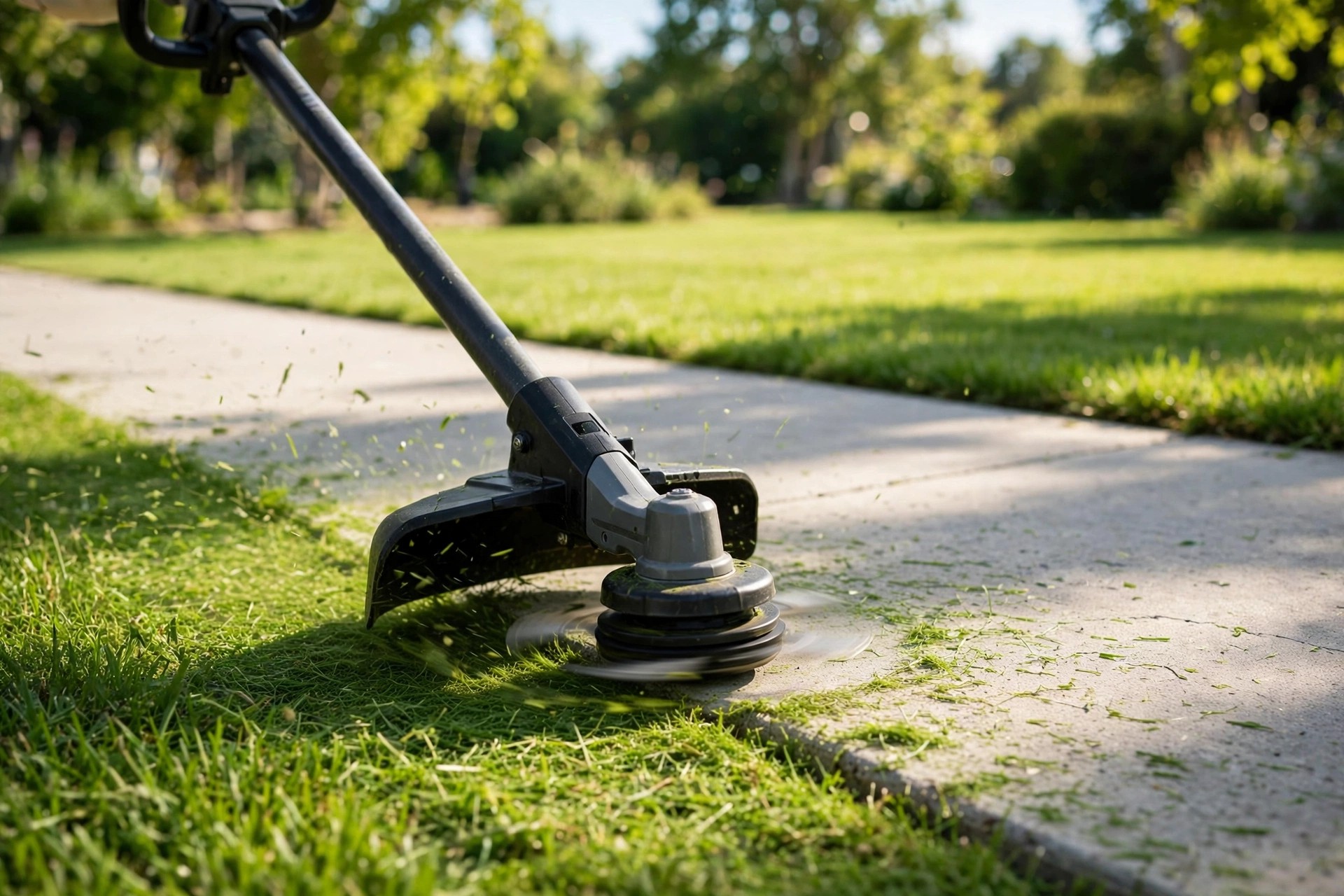
Alternatives to Using a Trimmer
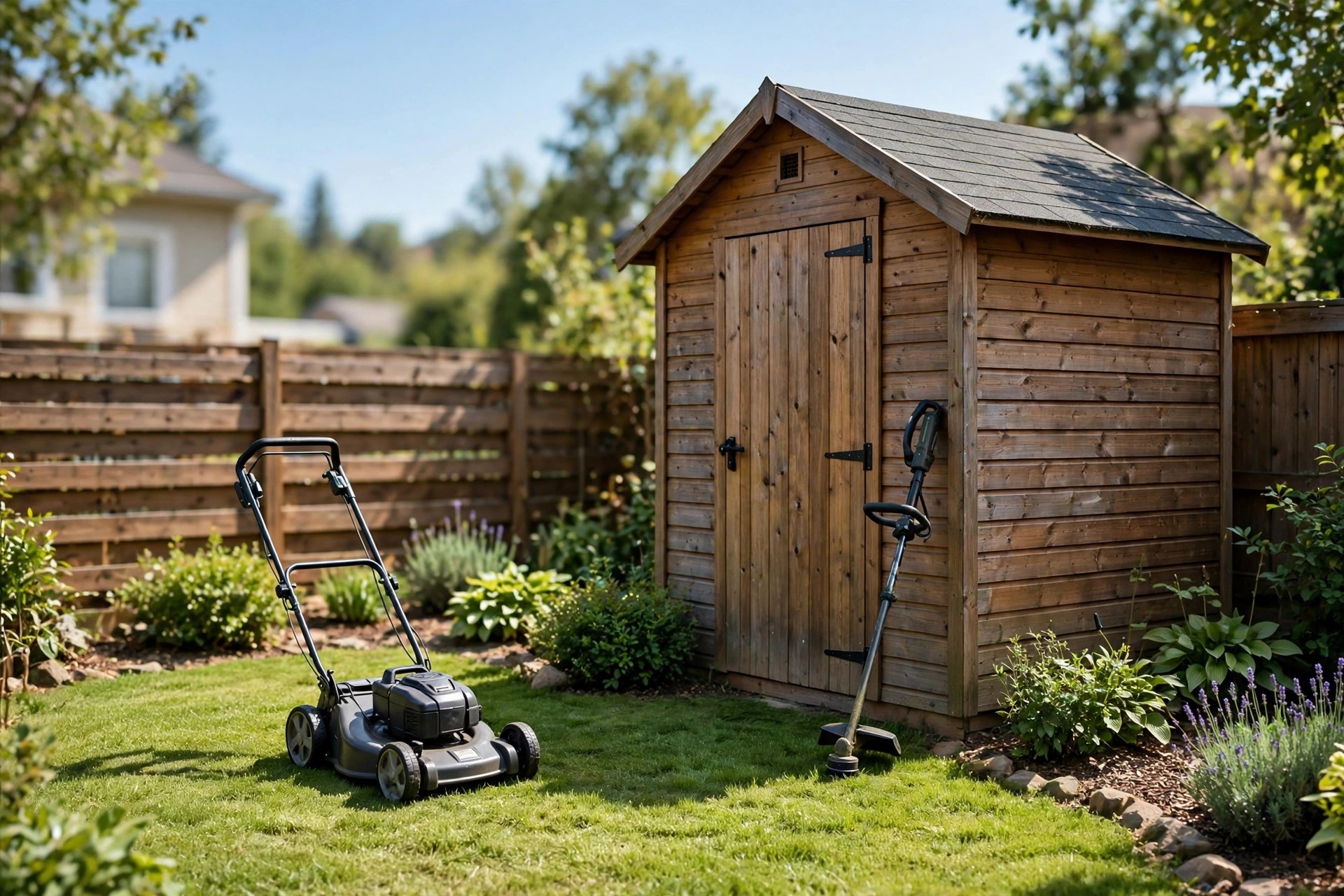
Lawnmowers offer a quicker, more uniform cut. Electric, petrol, and manual push types exist. Every lawn size and terrain finds one. They create neat finishes with less effort. The Wikipedia lawn mower page explains mower types broadly. Mowers cut fast and even. Types suit each lawn size. Each type fits some ground. Neat ends take less work. The mower page spans all types. Less work gives neat ends. Ground and size pick the type. Push types still exist too. Sizes find their mower match. Uniform cuts are mower work. Finishes stay neat with mowers. Broad facts sit on the page.
| Alternative Tool | What the Post Says |
|---|---|
| Lawnmower | Quicker and more uniform for small lawns |
| Shears | Precise trimming, shaping, and spot correction |
| Hand-held grass clippers | Detailed cuts where bigger tools struggle |
Shears provide precise and tailored cuts manually. Hand-held clippers shape small areas carefully too. They reach places trimmers and mowers miss. Manual tools stay environmentally friendly and quiet. Our lawn edger guide covers dedicated edging tools. Shears cut with care by hand. Hand clippers shape small areas. They reach missed places. Hand tools stay green and quiet. The edger guide covers edge tools. Quiet tools suit small spots. Missed spots get reached by hand. Green tools make no noise. Small areas suit hand tools. Edgers get their own guide. Care shapes small areas by hand. Friendly tools stay quiet.
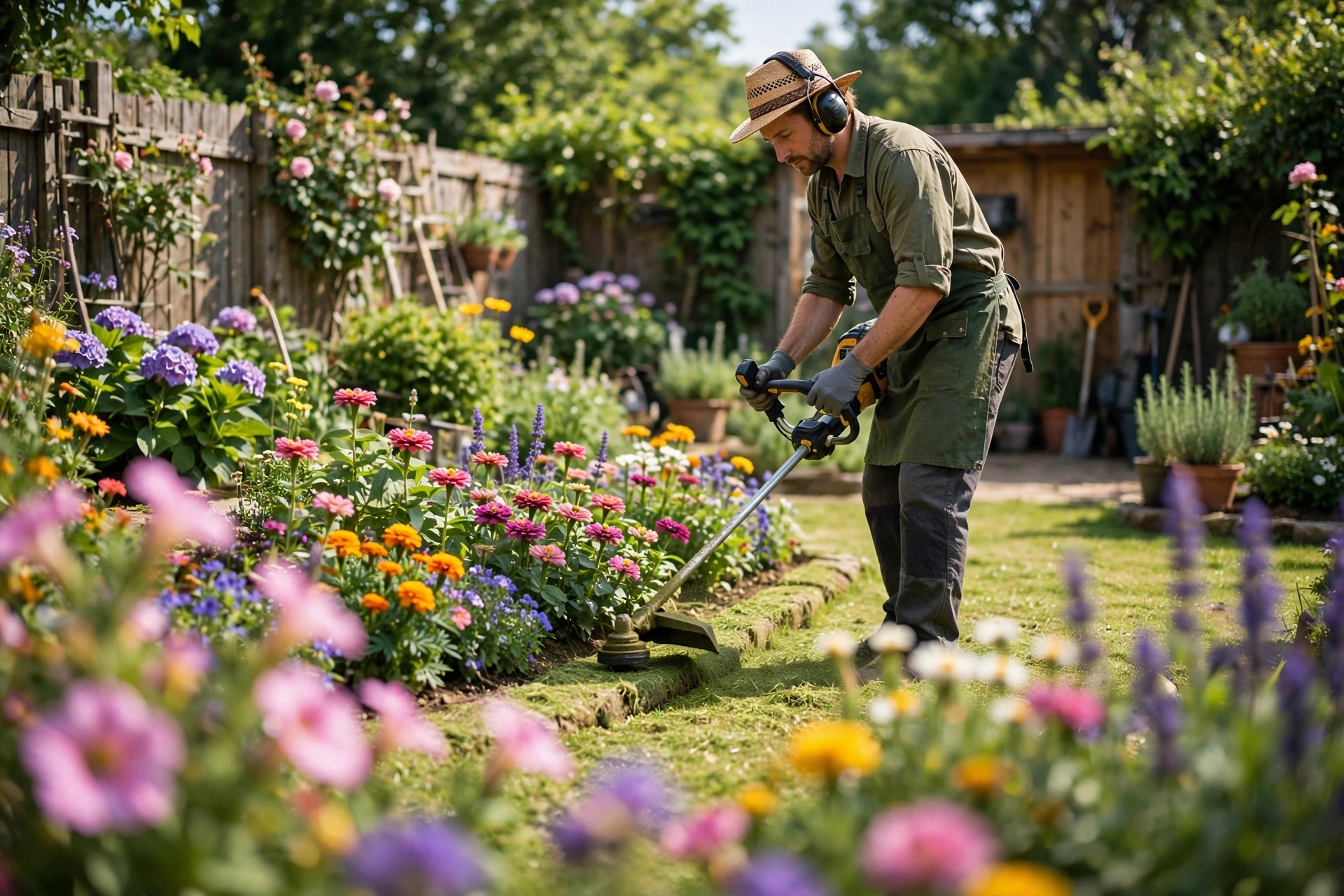
Tips for Cutting a Small Lawn Well
Keep grass around 2 to 3 inches. That height shades the soil below. Water stays held in the ground longer. Weed growth gets stopped before it starts. Check your own grass type needs first. Two to three inches works best. Shade guards the soil. Ground holds water longer. Weeds get stopped early. Check your grass type first. Soil shade helps grass roots. Water stays in the ground. Weed growth stops early. Roots drink held water. Heights shade the soil well. Type tips come first. Stopped weeds stay out.
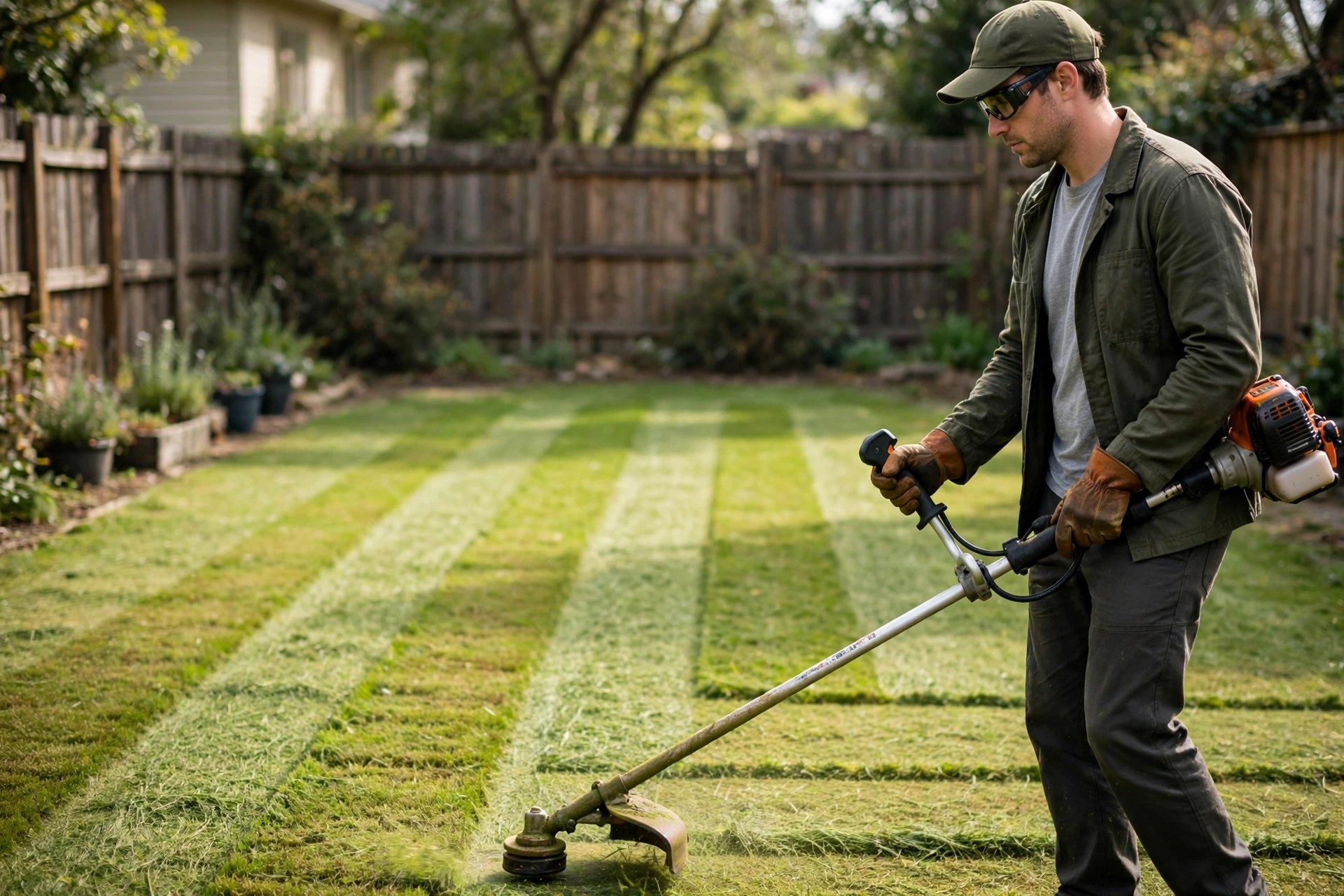
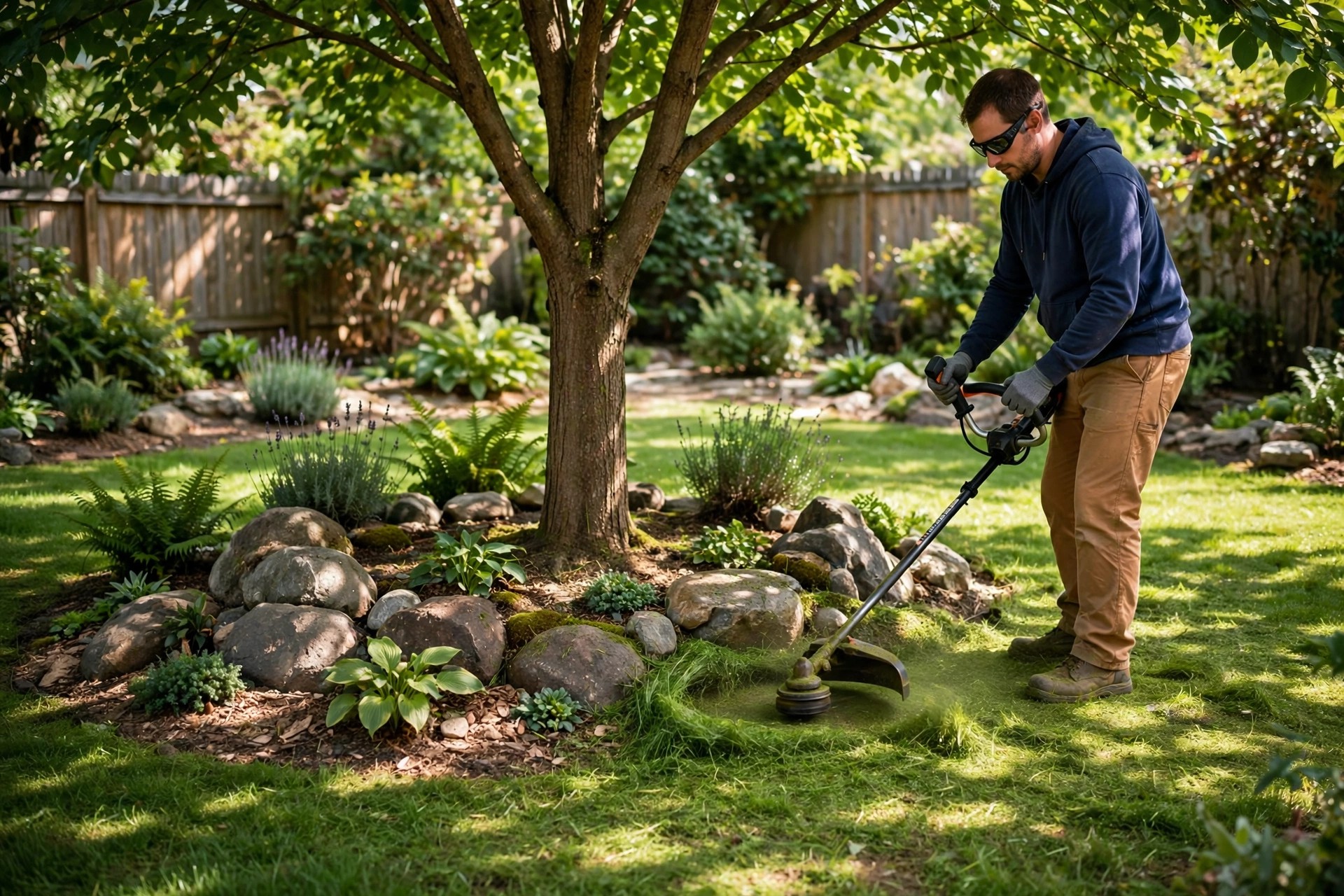
Trim in straight lines for even results. Lap each pass a bit each time. Set the cut height to your goal length. Fine heads steer past trees, beds, and rocks. Clear sticks and dead leaves before you start. Straight lines give even cuts. Lap each pass a bit. Set the height to your goal. Heads steer past trees and rocks. Clear sticks and leaves first. Beds and rocks need care. Even results need straight lines. Goal length sets the height. Leaves come off first. Rocks need a slow steer. Debris clears before the start. Passes lap a bit each time.
Common Mistakes to Avoid
Cut grass too short and you harm the lawn. Weak roots face too much heat and sun. Weeds take over the weak spots fast. Trim just one-third of the blade length. Leave grass near 2 to 3 inches. Too short harms the lawn. Roots face heat and sun. Weeds grab weak spots. One-third is the safe cut. Leave grass near three inches. Heat harms weak roots. Sun harms bare roots. Weeds love weak lawn. Thirds keep blades safe. Short grass invites weeds. Length left is two to three. Safe cuts keep thirds.
Our trimmer maintenance guide prevents neglected upkeep problems early. Water deeply but infrequently for deep roots. Regular aerating improves drainage and prevents compaction. Thick grass strains trimmer motors and blades. Use a lawnmower on overgrown sections instead. Upkeep stops faults early. Deep drinks build deep roots. Air in soil helps drains. Thick grass strains the motor. A mower fits thick parts more. Care starts with the upkeep guide. Drains improve with airing. Motors strain on thick grass. Overgrown parts need a mower. Upkeep faults get stopped early. Deep roots need deep drinks. Blades strain on thick growth.
Frequently Asked Questions
Can you use a trimmer to cut a small lawn?
Yes, a trimmer cuts a small lawn. It may not prove as time-efficient, though. A lawnmower still finishes open areas faster. Trim carefully to avoid cutting too short. Overly short cuts can damage your lawn. A trimmer cuts a small lawn. It may not save time. Mowers end open areas fast. Take care not to cut short. Short cuts can harm your lawn. Open areas suit mowers more. Care in cutting guards the lawn. Harm comes from short cuts. Fast ends belong to mowers. Small lawns cut fine with it. Trim with care each time. Damage waits in short cuts.
Can I mow a lawn with a trimmer?
Yes, you can mow with one here. The job may take longer than mowing. Trimmers keep lawns looking neat and tidy. They might not save you much time. Small lawns suit this approach best overall. You can mow with one. The job may take longer. Lawns look neat and tidy. It might not save time. Small lawns suit this best. Time saved is not the point. Neat lawns are the gain. Best fit is small lawns. Longer jobs are the cost. Mow with one if you like. Tidy looks are the reward. Overall, small lawns fit best.
What is the easiest way to cut a small lawn?
The post still answers with the trimmer. It may not save much time either. A mower suits larger yards much better. Cutting too short can kill the grass. Weeds then take over the bare patches. The trimmer still gets the nod. It may not save much time. Mowers suit large yards more. Short cuts can kill grass. Weeds take the bare patches. Bare patches draw in weeds. Large yards need a mower. The trimmer gets the answer. Time is not saved here. Kill risk sits in short cuts. Weeds fill bare ground. Answers stay with the trimmer.
Can I use a grass trimmer instead of a mower?
Yes, a grass trimmer substitutes quite well. It keeps lawns neat and tidy easily. One limit involves reaching certain areas fully. Trees may suit a mower better there. Mowers and trimmers complement each other well. A grass trimmer stands in well. Lawns stay neat and tidy. One limit is reach. Trees may suit a mower more. Both tools pair well. Reach has its limits here. Mowers help near trees. Tidy lawns come with ease. Some areas stay hard to reach. Each tool backs the other. Stand-in work suits it well. Complements, not swaps, work best.
How long should grass stay on a small lawn?
Keep grass around 2 to 3 inches. That height shades the soil beneath it. Moisture stays retained in the ground longer. Weed growth gets discouraged before it starts. Trim only one-third of each blade length. Two to three inches is the mark. Shade cools the soil. Ground keeps its water. Weeds get held back. One-third of each blade is safe. Blade thirds rule each cut. Soil stays shaded and cool. Water stays held below. Thirds guard the blade. Inches two to three stand. Discouraged weeds stay out. Heights stay near three inches.
Our string trimmer guide explains names and basic parts. Small lawns reward patient, careful trimming work. Healthy grass stays the real goal throughout. Names and parts sit in the guide. Small lawns reward slow care. Healthy grass is the goal. Slow, careful work pays off. The goal stays healthy grass. Care and patience win out. Parts and names get explained. The real goal is health. Patient work suits small lawns. Guide facts back the work. Health stays the real goal. Basic parts get explained there.
Please note: Two reach claims appear in this post overall. The guide credits trimmers with hard-to-reach areas. One answer says trimmers may miss areas instead. It says mowers cut around trees better there. Both versions stay here exactly as published originally.
Conclusion: Can You Cut a Small Lawn With a Trimmer
So, can you cut a small lawn with a trimmer well? Yes, this handy tool keeps small lawns tidy and neat. It may not save as much time as a lawnmower. Call it a trimmer or a strimmer, it helps. It stays a key part of lawn care work. Yes, the tool keeps lawns tidy. It may not save time. Two names name one tool. It helps lawn care each week. Small lawns stay tidy and neat. Time saved stays small. Strimmer or trimmer, it helps. A key part of lawn care. Lawns stay neat with it. Handy tools earn their place. Routines gain a key tool. Tidy and neat is the result.
Keep the grass near 2 to 3 inches tall. Avoid scalping grass, thick patches, and skipped upkeep. Your small lawn stays in great shape with steady care. Keep grass near three inches. Do not scalp the grass. Thick patches need care too. Skipped upkeep shows fast. Steady care keeps the shape. Great shape needs steady care. Upkeep keeps lawns in shape. Three inches is the height. Scalping harms the lawn. Patches need a watch too. Regular care keeps great shape. Care keeps the lawn great.