
Ever considered that the size of your trimmer line could drastically affect the performance of your Stihl FS38 grass trimmer? Surprisingly, the optimal line size can make a tangible difference in both efficiency and noise level. The right line size ensures that your trimmer works at its peak capability, allowing you to achieve a more precise cut with less effort.
The Stihl FS38 grass trimmer is ideally suited for a line size of 2.0 millimeters. Stihl recommends this specific size to maintain the trimmer’s balance and efficiency. Notably, using a 2.0mm line also reduces wear and tear on the trimmer’s motor, ensuring longevity and optimal performance. This precision-tailored approach can save time and maintenance costs, making it highly beneficial for professionals and enthusiasts alike.
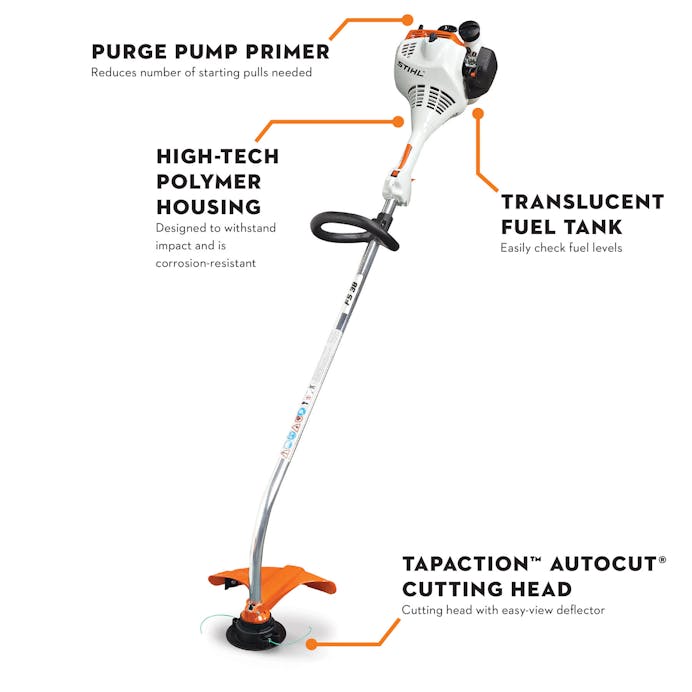
What Size Line for Stihl FS38 Grass Trimmer
Choosing the correct line size for your Stihl FS38 grass trimmer is crucial for its performance. Most experts recommend a 2.0 millimeter line for this model. This size ensures the trimmer runs smoothly without overloading the motor. Using the right line size also minimizes wear and tear. Ultimately, it can extend the lifespan of your trimmer.
Why is a 2.0mm line recommended? It’s all about balance and efficiency. A line that’s too thick could make the motor work harder. On the other hand, a thinner line might break easily. According to the article, the 2.0mm size strikes the perfect balance.
You might wonder how to use different line sizes effectively. For lighter tasks like trimming grass edges, a 1.6mm line might suffice. However, this thinner line may not be durable. For overgrown weeds and thicker vegetation, a 2.4mm line offers extra strength but may strain the FS38 motor.
To maintain peak performance, always refer to the manufacturer’s guidelines. Regularly check the trimmer head and replace the line when it shows signs of wear. Consistently using the recommended line size ensures your Stihl FS38 runs efficiently. For more detailed information, here is the post on best practices for trimmer maintenance.
Importance of Selecting the Right Line Size for your Stihl FS38 Grass Trimmer
Selecting the correct line size for your Stihl FS38 grass trimmer is key for its efficiency. The right size can help in achieving a clean cut without overloading the motor. When the line size is optimal, the trimmer works seamlessly, reducing the need for frequent maintenance. This not only saves time but also extends the life of the trimmer. Additionally, it can make your yard work less tiring.
Using an incorrect line size has several drawbacks. A line that is too thick or too thin will pose issues. Thicker lines may stress the motor, while thinner lines may break easily. According to this expert opinion, maintaining the recommended line size ensures balanced performance. This helps in minimizing unexpected breakdowns.
Understanding the recommended size is just the starting point. The Stihl FS38 grass trimmer is designed to use a 2.0mm line. This size strikes a balance between durability and performance. It’s engineered to handle light to moderate trimming tasks efficiently. Thus, keeping the line size consistent is crucial for optimal results.
Always refer to the user manual for the best line size recommendations. Regularly inspecting the line for wear and tear can prevent unexpected issues. Check the spool and replace the line when needed. This promotes consistent performance and reduces the likelihood of mechanical problems. Keeping these factors in mind will make your trimming tasks more efficient.
How the Right Line Size Enhances the Performance of your Stihl FS38 Grass Trimmer
Choosing the right line size can significantly enhance the performance of your Stihl FS38 grass trimmer. A properly sized line optimizes engine performance, ensuring the motor is neither underwhelmed nor overwhelmed. This balance allows for smoother operation and less frequent stalling. The right line size also ensures a cleaner and more precise cut, which is particularly beneficial for maintaining a well-manicured lawn.
Efficiency and fuel consumption are also affected by the line size. With a 2.0mm line, the engine operates within its recommended parameters, avoiding unnecessary strain. This can lead to lower fuel consumption and reduced emissions. Reduced strain not only prolongs the life of the motor but also keeps the trimmer running at peak efficiency over time. It’s not just about the performance, but also cost-effectiveness.
Moreover, the right line size can improve user comfort and safety. A line that is too thick can create excessive vibrations, making the trimmer harder to handle. Conversely, a line that’s too thin may break more frequently, requiring constant stops to replace it.
- Using a 2.0mm line ensures fewer interruptions during operation.
- It provides a balanced experience, reducing hand fatigue and improving control.
This balance significantly enhances user experience.
Maintenance and upkeep become easier with consistent line size. Regularly using the recommended 2.0mm line means fewer unexpected issues with the trimmer head and motor. To keep the trimmer in top condition, always follow the maintenance guidelines in the manual. These steps ensure the trimmer remains reliable and effective over long periods. Keeping the right line size can make maintenance straightforward and more predictable.
Maintaining Your Stihl FS38 Grass Trimmer for Optimal Performance
Regular maintenance of your Stihl FS38 grass trimmer is essential for ensuring its optimal performance. Start by cleaning the trimmer head after every use. Remove any grass or debris that gets stuck in the head. This prevents clogging and keeps the trimmer running smoothly. A clean trimmer head helps in achieving a precise cut.
Inspect the trimmer line frequently to check for wear and tear. Replace the line when it becomes brittle or frayed. Using a damaged line can strain the motor and reduce efficiency. Keeping an eye on the line condition can lead to smoother operation. According to the article, replacing the line before it breaks can save time and effort.
The engine’s air filter is another crucial component that needs attention. Clean or replace the air filter every few months, depending on usage. A clogged air filter makes the engine work harder and shortens its lifespan. Ensuring a clean air filter maintains engine health. A well-maintained air filter also improves fuel efficiency.
Check the spark plug periodically as it affects the ignition of the trimmer. A dirty or worn-out spark plug can cause starting issues. Replace the spark plug annually or as recommended. This ensures the trimmer starts easily and runs consistently. Having a reliable spark plug supports overall performance.
Fuel management is also vital for optimal trimmer performance. Use fresh, high-quality fuel and store it in a clean container. Stale or contaminated fuel can harm the engine. Following proper fuel storage guidelines can prevent engine damage. This extends the life of your trimmer.
Adhering to these maintenance tips will keep your Stihl FS38 grass trimmer in top shape. Regular checks and timely replacements ensure it operates efficiently. Keeping your trimmer well-maintained saves you from costly repairs. It also provides a better trimming experience. Simple maintenance can make a big difference.
Frequently Asked Questions
Here are some common questions related to the Stihl FS38 grass trimmer and its maintenance. Understanding these can help you keep your trimmer running optimally.
1. How often should I replace the trimmer line on my Stihl FS38?
The frequency of replacing the trimmer line depends on how often you use the trimmer. For regular home use, replacing the line every 5-7 hours of trimming may be sufficient. However, for heavy-duty or professional use, you might need to replace it more frequently.
Always inspect the line before each use to check for wear and tear. If it appears brittle or frayed, it’s time to change it. Consistently using a fresh line ensures better performance and reduces strain on the motor.
2. What type of fuel should I use in my Stihl FS38 grass trimmer?
The Stihl FS38 grass trimmer is designed to run on a mix of gasoline and two-stroke engine oil. Specifically, you should use a fuel mix ratio of 50:1 (50 parts gasoline to 1 part oil). Using high-quality unleaded gasoline with a minimum octane rating of 89 is recommended.
Avoid using fuel that contains more than 10% ethanol as this can harm the engine components over time. Proper fuel management ensures smooth operation and prolongs the lifespan of your trimmer’s motor.
3. Why does my Stihl FS38 grass trimmer have trouble starting?
Trouble starting your Stihl FS38 grass trimmer can be due to several reasons like a dirty air filter, old spark plug, or stale fuel. First, check if the air filter needs cleaning or replacement as a clogged filter can restrict airflow and affect ignition.
If the air filter is clean but you’re still having issues, examine the spark plug for signs of wear or dirt buildup. Replacing it annually could help in maintaining consistent start-up performance.
4. Can I sharpen the cutting blades on my Stihl FS38 grass trimmer?
The Stihl FS38 typically uses nylon lines rather than metal blades for cutting, so sharpening isn’t necessary for most basic models. However, certain attachments that include metal blades might benefit from occasional sharpening with proper tools while following safety guidelines.
It’s always advisable to consult your user manual for specific instructions related to any attachments you’re using before attempting maintenance like blade sharpening to avoid damage or safety risks.
5. How do I properly store my Stihl FS38 during off-season periods?
Proper storage is crucial when your Stihl FS38 is not in use for extended periods such as winter months. Before storing it away, make sure to empty any remaining fuel from the tank by running the engine until it shuts off automatically from lack of fuel supply which prevents gumming up within carburetor elements over time.
Additionally ensuring all moving parts are cleaned and lubricated will maintain readiness upon reactivation next season guaranteeing smoother start-ups overall reliability enhancing longevity machine operational life cycle significantly preventing rusting mechanical failures arising due prolonged inactivity suboptimal storage conditions environmental factors negatively impacting overall functionality products long term usage perspective priorities areas focus aspect care maintenance scheduling routines essential preserving optimal operating states years come thereby maximizing value investments minimizing costs repairs replacements future contexts scenarios adequate planning foresight implementation preventive measures critical achieving satisfactory}
ConclusionMaintaining your Stihl FS38 grass trimmer involves selecting the correct line size, performing regular maintenance, and following proper storage guidelines. These practices ensure that your trimmer operates efficiently and lasts longer. By taking the time to care for your trimmer, you not only enhance its performance but also make your trimming tasks easier and more effective.
Whether you’re a professional landscaper or a homeowner, understanding these key aspects can make a significant difference. Taking proactive steps in maintenance can save you time and money in the long run. Keep your Stihl FS38 in top shape, and it will serve you well for years to come.

I’m Patricia D. Johnson, an affiliate marketer and blogger specializing in trimmers and grooming tools. I create honest reviews, buying guides, and practical tips to help readers choose the right trimmer for their needs. With a focus on quality, performance, and value, I simplify the decision-making process so consumers can make confident purchases.