
Choosing the right size trimmer line can feel like a perplexing puzzle. For professionals who deal with various terrains and vegetation density, the correct trimmer line size can significantly impact efficiency and results. Surprisingly, many experts find that a mere adjustment in line thickness can enhance cutting performance manifold.
The history of trimmer lines dates back to the 1970s with the advent of versatile nylon lines. Today, professionals often prefer lines ranging from 0.095 inches to 0.155 inches, depending on the application. For instance, a 0.105-inch line is a popular choice for tackling medium to heavy weeds, providing the perfect balance between durability and cutting power.
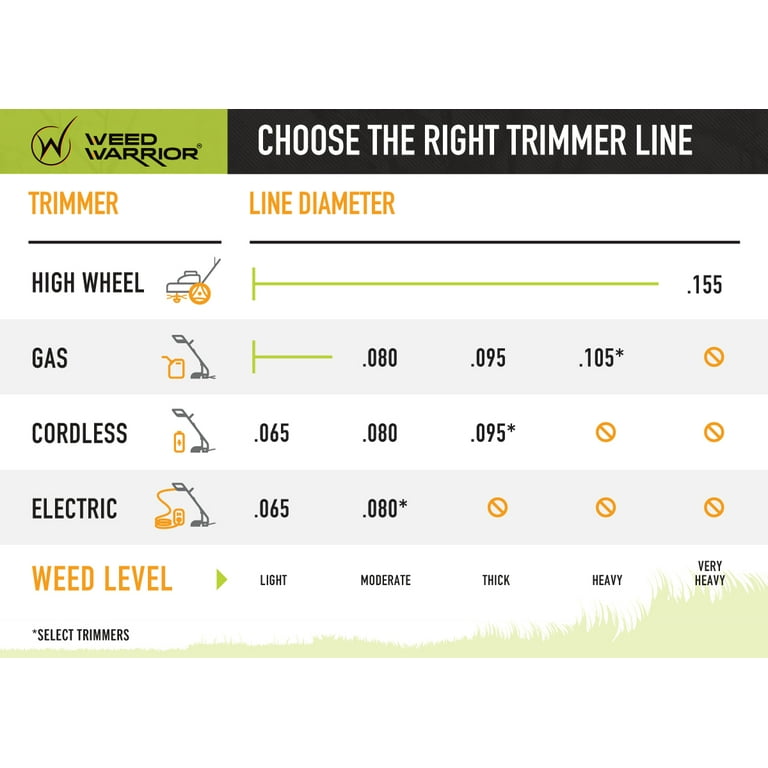
What Size Trimmer Line Do I Need?
Choosing the correct size trimmer line depends on the type of vegetation and the trimmer model. Light trimming tasks, like grass and small weeds, often require thinner lines, around 0.065 to 0.080 inches. These smaller lines are typically more flexible and cost-effective. For more demanding tasks, such as tackling thick weeds or dense foliage, a thicker line, in the range of 0.085 to 0.105 inches, might be more suitable. According to this article, using the appropriate line size ensures efficiency and better performance.
Factors influencing the choice of trimmer line size include the power of your trimmer and the density of the vegetation. Electric trimmers generally work well with thinner lines, while gas-powered trimmers can handle thicker lines due to their higher power output. Additionally, some trimmers have specific recommendations from the manufacturer regarding line sizes. It’s important to check these guidelines to avoid damaging your equipment. Always refer to your trimmer’s manual before making any changes.
The shape of the trimmer line also plays a role in its cutting efficiency. Round trimmer lines are durable and best for light-duty tasks. However, if you need more cutting power, consider twisted or serrated lines. These shapes increase cutting efficiency and can tackle tougher vegetation without breaking easily. This variety allows you to choose the best option for your specific needs.
Let’s look at a quick comparison of different trimmer line sizes and their ideal uses:
| Line Size (inches) | Best For |
|---|---|
| 0.065 – 0.080 | Light grass and small weeds |
| 0.085 – 0.105 | Thicker grass and larger weeds |
| 0.110 and above | Heavy-duty tasks like dense brush |
Using the right line size increases the efficiency of your trimmer, minimizes wear and tear, and ensures a cleaner cut. For a deeper understanding of trimmer line usage and benefits, you can refer to this post. Selecting the correct size is essential for maintaining your equipment and ensuring optimal performance.
Factors Influencing the Choice of Trimmer Line Size
The type of vegetation you are tackling is a major factor in choosing the trimmer line size. Lighter vegetation, such as grass and small weeds, requires thinner lines, which are often more flexible and easier to handle. For denser vegetation, like thick weeds or small brush, a thicker line provides more cutting power. Gardens with mixed vegetation might need multiple trimmer lines to handle different areas effectively. This allows for versatile performance whether you’re trimming a manicured lawn or an overgrown yard.
The trimmer’s power source also influences the choice of line size. Electric trimmers, which are usually less powerful, work best with thinner lines. On the other hand, gas-powered trimmers can handle thicker lines due to their robust engines. Checking the manufacturer’s recommendations can prevent unnecessary wear and tear on your equipment. Always ensure that the line size matches the trimmer’s specifications.
According to this expert opinion, using a thick string trimmer line for tough vegetation can significantly improve cutting efficiency. The type of trimmer head can also affect the performance of the line. For example, some trimmer heads are designed to handle only specific line sizes and shapes. Choosing the right head and line combination ensures optimal performance.
Let’s break down the factors in a quick list for better understanding:
- Type of vegetation
- Power source of the trimmer
- Manufacturer’s recommendations
- Trimmer head compatibility
Taking these factors into account can help you choose the best trimmer line size for your needs. This ensures an efficient and smooth trimming experience, saving both time and effort. Following these guidelines will help maintain your trimmer and achieve the best results.
Different Sizes of Trimmer Lines and Their Uses
Trimmer lines come in various sizes to handle different types of vegetation and trimming tasks. The most common sizes range from 0.065 inches to over 0.110 inches. Thinner lines, like those measuring 0.065 to 0.080 inches, are perfect for light trimming tasks. They work best on simple lawns and small weeds, providing a clean and precise cut. This makes them ideal for smaller gardens or residential areas.
For medium-duty tasks, lines measuring 0.085 to 0.105 inches are more suitable. These lines are thicker and sturdier, making them effective against tougher grass and some brush. Professionals often use these sizes in commercial landscaping for their versatility and durability. They also last longer, reducing the frequency of replacements. This makes them a cost-effective option for frequent use.
Heavy-duty tasks require the thickest trimmer lines, typically above 0.110 inches. These lines are designed to tackle dense vegetation, including thick brush and saplings. They offer maximum strength and durability. However, using such thick lines requires a powerful trimmer, usually gas-powered, to handle the extra load. This ensures you get the job done efficiently without overworking your equipment.
Here’s a quick breakdown of trimmer line sizes and their best uses:
| Line Size (inches) | Best Uses |
|---|---|
| 0.065 – 0.080 | Light trimming, small weeds |
| 0.085 – 0.105 | Medium grass, tougher weeds |
| 0.110 and above | Thick brush, heavy-duty tasks |
Choosing the correct trimmer line size can make a significant difference in your gardening or landscaping work. It ensures that the job gets done efficiently and effectively. Always match the line size to your specific needs and the capabilities of your trimmer for the best results.
Importance of Choosing the Right Size Trimmer Line
Selecting the proper trimmer line size is crucial for achieving optimal performance. The right size line ensures efficient cutting and minimizes wear on your trimmer. Choosing a line that is too thin for tough vegetation can result in frequent breaks and increased frustration. Conversely, using a line that is too thick for light tasks can overburden your trimmer. Matching the line size to the task at hand will save you time and effort.
Using the incorrect line size can also affect the safety of your trimming work. A line that breaks easily might cause debris to fly, posing a risk of injury. On the other hand, thicker lines require more power, potentially causing the trimmer to become harder to control. Keeping the line size appropriate for the job helps maintain stability and precision. This reduces hazards and ensures a cleaner cut.
The efficiency of your trimmer directly ties to the size of the line being used. A fitting line size ensures the trimmer operates at its peak, reducing the strain placed on the motor. This extends the life of the engine and other internal components. By reducing the frequency of replacement, you also save on cost and maintenance. Investing a little time in choosing the right line can lead to significant long-term savings.
Several factors influence the best line size for your trimmer. These include the type of vegetation, the trimmer’s power source, and the manufacturer’s recommendations. When these factors align, your trimmer runs smoothly, and the results are cleaner. Whether you are maintaining a residential lawn or handling commercial landscaping, the right line size makes a tangible difference. Proper alignment leads to better performance and enhanced durability.
Here is a quick summary of why the right size matters:
- Ensures efficient cutting
- Reduces motor strain
- Enhances safety
- Minimizes maintenance costs
Ultimately, selecting the right trimmer line size leads to a more effective and enjoyable trimming experience. It ensures the work is done faster and reduces the likelihood of damage to your equipment. Keeping these benefits in mind will help you make the best choice for your trimming needs.
Frequently Asked Questions
Choosing the right trimmer line size is essential for effective and efficient trimming. Here are some common questions to help you make an informed decision.
1. How often should I replace my trimmer line?
The frequency of replacing your trimmer line depends on usage and the type of vegetation you cut. For heavy use or thick vegetation, you might need to replace it more frequently, perhaps every few sessions. Lighter use in smaller lawns may require replacement less often, maybe once a month.
Regularly check the wear and tear on your trimmer line. If it becomes too short, frayed, or broken frequently, it’s time to replace it. Keeping an eye on its condition will ensure consistent performance and avoid unexpected breaks during tasks.
2. Can I use any trimmer line with my weed eater?
No, not all trimmer lines are compatible with every weed eater. Each model has specific recommendations for line sizes and types that suit their design and power capacity. It’s crucial to refer to your weed eater’s manual for recommended line specifications.
Using the wrong type or size can lead to poor performance and potential damage to your equipment. Always match the trimmer line with what your weed eater can handle for optimal results and longevity of your investment.
3. What are the benefits of using a twisted or serrated trimmer line?
A twisted or serrated trimmer line offers enhanced cutting efficiency compared to round lines. They are designed for tougher jobs involving dense weeds and thicker grass because they provide better precision and power in each cut.
These specialized lines also cause less noise during operation which is beneficial in noise-sensitive areas. Moreover, they tend to last longer as their design reduces breakage from hard materials like stones or fence posts.
4. Does the color of the trimmer line indicate anything about its strength?
The color of a trimmer line doesn’t necessarily indicate its strength or quality but rather serves as a marketing identifier for different product lines from manufacturers. Each brand has various colors representing different product features such as low-noise lines or commercial-grade durability.
You should always check the packaging for specific details about thickness, material composition, and intended use case rather than relying solely on color coding. This way, you’ll choose a line that meets your trimming needs regardless of its hue.
5. Is there an eco-friendly option available for trimmer lines?
Yes, there are eco-friendly options available made from biodegradable materials like plant-based polymers instead of traditional nylon plastic lines. These environmentally friendly alternatives break down naturally over time reducing environmental impact.
However, it’s essential to ensure that eco-friendly lines still meet the task requirements without compromising performance. Checking reviews and user experiences can guide you in selecting durable yet sustainable trimming solutions suitable for regular garden maintenance.
according here
Conclusion
Choosing the right size trimmer line is crucial for maintaining your lawn efficiently and effectively. It not only ensures optimal performance but also extends the lifespan of your equipment. By considering factors like vegetation type, trimmer power, and line durability, you can make an informed decision.
Always refer to your trimmer’s manual for specific recommendations to avoid potential issues. Regularly checking and replacing the trimmer line keeps your garden tasks smooth and hassle-free. Investing in the right trimmer line size adds up to a well-maintained, beautiful lawn.

I’m Patricia D. Johnson, an affiliate marketer and blogger specializing in trimmers and grooming tools. I create honest reviews, buying guides, and practical tips to help readers choose the right trimmer for their needs. With a focus on quality, performance, and value, I simplify the decision-making process so consumers can make confident purchases.