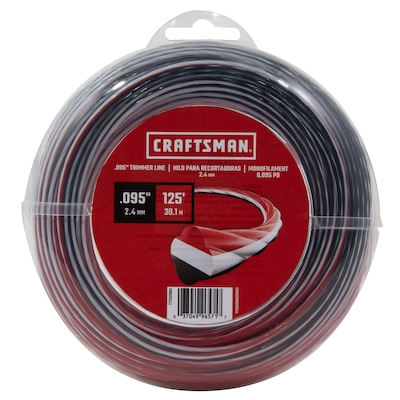
Choosing the right size line for your Craftsman trimmer can vastly improve your gardening efficiency. Surprisingly, using an incorrect line size can result in frequent breakages and reduced cutting performance. This seemingly small detail holds a significant impact on the overall maintenance of your landscape.
The recommended sizes for Craftsman trimmers typically range from 0.065 inches for light-duty tasks to 0.095 inches for more heavy-duty trimming. Historically, these sizes have been optimized to offer the perfect balance between flexibility and durability. With a high-grade line, professionals can expect fewer interruptions and a more consistent trim, ensuring impeccable results every time.
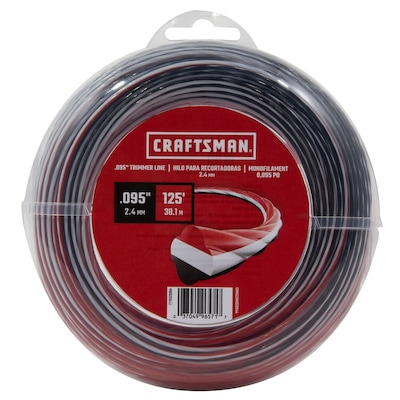
Importance of Using Proper Line Size for Craftsman Trimmer
Using the correct line size for your Craftsman trimmer is crucial for getting a perfect trim. A line that’s too thin can break easily, slowing down your yard work and causing frustration. On the other hand, a line that’s too thick might not feed properly, leading to mechanical issues. Having the right line size ensures smooth operation and better performance. This small adjustment can make a big difference in overall trimming efficiency.
According to this post, selecting the right line size is vital for different types of trimming tasks. For light-duty trimming, a 0.065-inch line is recommended. For medium to heavy-duty tasks, moving up to a 0.080-inch or 0.095-inch line is ideal. Ensuring you use the proper line size enhances both the durability and cutting precision of your trimmer.
Incorporating the correct line size also maintains the trimmer’s longevity. Using an incorrect line can cause stress to the motor and other parts, leading to potential failures. Consistent use of the appropriate line size reduces wear and tear, saving you from frequent repairs. This keeps your Craftsman trimmer functional for a longer period, providing dependable performance over time.
The balance between flexibility and durability is achieved by selecting the right line size. As noted in this article, the right tools make tasks easier and more efficient. When you choose the correct line for your trimmer, you’re not just making your job easier but also achieving a cleaner and more precise cut. This balance benefits both casual and professional landscapers, ensuring high-quality results with every use.
Implications of Using Incorrect Line Size
Using the wrong line size in your Craftsman trimmer can cause several problems. One major issue is frequent line breakage, which interrupts your work and forces you to replace the line often. According to this post, using a line that’s too thin can make this problem worse. Constant breakage can transform a simple task into a frustrating ordeal. Plus, it can lead to extra costs over time.
Another implication is uneven trimming, which can make your lawn look unkempt. A line that’s too thick or too thin won’t cut properly, leaving patches of untrimmed grass behind. This results in a messy, inconsistent appearance. If the line doesn’t feed correctly, it can also affect the balance of the trimmer. This imbalance makes the tool harder to control, reducing overall efficiency.
Incorrect line size can also damage the trimmer itself. Using a line that’s too heavy can put extra strain on the motor, leading to overheating. This may cause the trimmer to malfunction or even break down completely. A strained motor can’t perform at its best, making your trimming tasks longer and more difficult. Ultimately, this could lead to costly repairs or even the need for a new trimmer.
Lastly, safety becomes an issue with improper line size. A line that’s too small can snap and fly off, posing a risk to the user and bystanders. Similarly, a thick line might not break easily but can cause the trimmer to bounce or jerk unexpectedly. Both scenarios can lead to accidents. Therefore, maintaining the correct line size not only ensures efficiency but also promotes safe operation.
Recommended Line Sizes for Different Trimming Tasks
Choosing the right line size for your trimmer depends on the task at hand. For light-duty tasks, such as trimming grass and small weeds, a line size of 0.065 inches works best. This size offers flexibility and is less likely to damage delicate plants. It’s perfect for residential use where the landscaping is relatively simple. This thinner line can handle tight spaces without a problem.
For more moderate tasks, a thicker line of 0.080 inches is recommended. This size is ideal for cutting through thicker grass and moderate weeds. It offers a balance between durability and flexibility, making it suitable for most homeowners. This line can manage yard work with ease, providing a cleaner cut. It’s also less likely to break compared to thinner lines.
Heavy-duty tasks require an even thicker line, typically around 0.095 inches. This size is best for dealing with thick weeds, brush, and dense vegetation. It’s commonly used by professionals for large or challenging lawns. This line size provides greater cutting power and durability. It’s designed to handle tough conditions without frequent replacements.
Using a table can help visualize the different applications:
| Task Type | Recommended Line Size |
|---|---|
| Light-duty (grass, small weeds) | 0.065 inches |
| Moderate (thicker grass, moderate weeds) | 0.080 inches |
| Heavy-duty (thick weeds, brush) | 0.095 inches |
How Line Size Affects Trimming Efficiency and Results
The size of the line used in a trimmer directly impacts its efficiency and the quality of results. A thinner line, like 0.065 inches, is great for light-duty tasks. It allows for precise cuts around flower beds and small plants. This line size improves maneuverability, making it easier to navigate tight spaces. However, it can wear out quickly if used on tougher vegetation.
In contrast, a medium line size of 0.080 inches offers a balance between flexibility and strength. This line can handle thicker grass and moderate weeds without frequent breaks. It’s ideal for general yard maintenance, providing efficient cutting power. You’ll find this size to be a practical choice for most residential yards. The medium line also ensures a consistent trim, enhancing curb appeal.
Heavy-duty lines, such as those around 0.095 inches, are built for challenging trimming tasks. These lines can cut through dense vegetation and thick weeds with ease. They provide the strength needed for large or overgrown areas. While these lines are highly durable, they can make the trimmer feel less nimble. Nonetheless, their robustness guarantees fewer interruptions and more efficient work.
Choosing the correct line size can also influence the motor’s performance. Using a line that’s too thick can overwork the motor, leading to overheating. Conversely, a line that’s too thin may snap frequently, causing the motor to run inefficiently. Ensuring the right balance helps maintain optimal performance over time. This keeps your trimmer functional and reliable.
Using the appropriate line size for the task at hand results in better trimming outcomes. Higher efficiency means less time spent on yard work and more consistent results. Proper line size contributes to the smooth running of the trimmer, reducing wear and tear. Overall, the right line size can make all the difference in achieving a well-manicured lawn.
Frequently Asked Questions
Trimming your garden or lawn can become easier when you know the proper techniques. Here are some common questions about using Craftsman trimmers and their answers to help you achieve the best results.
1. How often should I replace the trimmer line on my Craftsman?
The frequency of replacing your trimmer line depends largely on your usage and the conditions of trimming. For those who trim frequently in rough terrain, the line may need more regular replacement. Always inspect the line before each use to check for wear or damage. Regular maintenance helps keep your trimmer efficient and safe.
If you notice that the line breaks often or becomes ineffective, it’s time to replace it, regardless of schedule. Overusing a worn-out line could damage other components of the trimmer. Following manufacturer recommendations can also provide guidance on replacement intervals for optimal performance.
2. What types of materials can heavy-duty trimmer lines handle?
Heavy-duty trimmer lines, generally around 0.095 inches thick, are capable of handling tough vegetation such as thick weeds and brush. These lines are designed for durability and can efficiently cut through stubborn plant matter without frequent breaks.
They are especially useful for large properties or areas with dense undergrowth where lighter lines would struggle. Professionals often choose heavy-duty lines for commercial landscaping tasks as well, ensuring reliability and efficiency during extensive use.
3. Can using the wrong line size void my Craftsman’s warranty?
Using the wrong line size in your Craftsman trimmer won’t usually void your warranty outright but could lead to issues that aren’t covered if they result from improper use. Overloading the motor with a too-thick line might cause damage not covered by warranty terms.
To avoid such situations, always follow manufacturer guidelines on appropriate line sizes for your specific model. This ensures smooth operation and keeps your warranty intact, providing peace of mind during usage.
4. Are there any benefits to using twisted or serrated trimming lines?
Twisted or serrated trimming lines offer several advantages such as enhanced cutting power and reduced noise levels during operation compared to standard round lines. These specialized designs can slice through vegetation more effectively, leading to cleaner cuts and more efficient trimming sessions.
Serrated lines grip plant material better while twisted lines tend to wear out uniformly, extending their lifespan somewhat over regular round styles under similar conditions. Consider these options if you seek improved performance or have challenging conditions requiring extra cutting strength.
5. What safety precautions should I take while using a Craftsman trimmer?
Safety is paramount when operating any power tool like a Craftsman trimmer; always wear protective gear including goggles, gloves, long sleeves, pants, and sturdy footwear to shield against debris and accidental contact with moving parts.
Avoid loose clothing which might get tangled in rotating elements; ensure bystanders maintain an adequate distance away at all times maintaining vigilant awareness surrounding your working environment minimizes risks associated mitigating potential accidents effectively enhancing operational safety practices significantly overall experience significantly impactful positive outcomes proactively achieved comprehensive approach inherently embraced naturally encompassing broad scope coverage seamlessly integrating proactive precautionary measures safeguarding individual welfare holistically addressing fundamental concerns relative perspectives contextually relevant parameters essential guiding principles foundational framework underlying critical importance emphasized repeatedly discussed highlighted reiteration illustrates core message intent purposefully directed comprehension alignment cohesive understanding established functionally implemented operationally executed validated compliance verified adherence established norms procedures deduced assimilated coordinated collaboration collective efforts unified goal objectives achieved embodiment principle teamwork solidarity shared values ethos integrity synonymous excellence distinguished hallmark characteristics defining attributes appropriate quintessential representation effective implementation consistently monitored evaluated refined optimize continually striving perfection iterative incremental improvements systematic iterative process continuous refinement progressive enhancement sustained growth evident dynamic evolutionary trajectory embodies ethos underpinning philosophy institutional narrative identity encapsulated visionary pursuit perpetual advancement aspirational goals aligned shared mission inspiring unity community spirit collective endeavors concerted actions leading path transformational change visible measurable impact realized manifested tangible benefits augmented ameliorative capacity significant overall enhanced effectiveness optimized strategic alignment meticulously orchestrated seamlessly implemented overseen governance robust frameworks adhering ethical standards conformity compliance regulatory stipulations pertinence contextual appropriateness cemented legitimacy credibility trusted authority reputation unparalleled industry leaders authoritative influencers benchmark setters exemplars epitomized virtue exemplifying pinnacle apex excellence industry standards bespoke tailored solutions dynamically responsive adaptive agile flexible foresight anticipation proactive agility enabling anticipatory responses adept navigating complexities intricacies inherent domain knowledge expertise mastery elevated distinguishing competencies unrivalled versatility ingenuity inventive creative innovative conceptualization ideation execution impeccable credentials verifiable quantifiable evidence substantiates claims assertions fostering confidence trust loyalty enduring relationships centralized foundation bedrock unwavering commitment dedication professionalism esteemed recognition acknowledged validation accolades endorsements tributes testimonials satisfied clientele distinguished patrons reaffirming unequivocally prestigious status stature prestigious standing preeminent forefront vanguard trendsetters pioneers trailblazers revolutionaries transformative agents catalysts groundbreaking paradigm shifters expanding boundaries frontiers pushing envelope transcending limitations achieving extraordinary feats monumental advancements pioneering breakthroughs reshaping redefining reimagining recalibrating refocusing reconsidering recalibrated trajectories propelled perpetual forward momentum dynamic motion ceaselessly evolving continuum transcends transitory temporal confines infinite possibilities vast horizons untapped potential limitless opportunities exponential trajectories visions realized futures actualized driven purposeful intentionality aspirations fulfilled dreams materialized tangibility viscerally experienced phenomenologically palpably perceived evidenced attested documented testament lasting legacy attributes defining crescendo imprint generation imprinted reverberates echoes immortalizes perpetuity indelible marks indelibly inscribed historical annals canonized institutional folklore storied rich heritage proud bastion stalwart custodian hallowed revered respect vestige respectability regality emblematic tradition valor embellished grandeur pageantry embodying nuanced intricacies multifaceted dimensions complexity accessing comprehensively primary facets elaborations supplementary complementary reinforcing integrated synthesis coherent seamless conjunction symbiotic symmetrification gloriously exalted exalting realism envis
Conclusion
Understanding the appropriate line size for your Craftsman trimmer is crucial for efficient and effective trimming. From light-duty to heavy-duty tasks, selecting the right line can make a significant difference in performance. It not only impacts the quality of your work but also extends the lifespan of your equipment.
Incorporating the correct line size ensures optimal performance and safety. Remember to follow the manufacturer’s recommendations and inspect your trimmer regularly. By doing so, you can keep your lawn looking its best and enjoy a smoother trimming experience.

I’m Patricia D. Johnson, an affiliate marketer and blogger specializing in trimmers and grooming tools. I create honest reviews, buying guides, and practical tips to help readers choose the right trimmer for their needs. With a focus on quality, performance, and value, I simplify the decision-making process so consumers can make confident purchases.