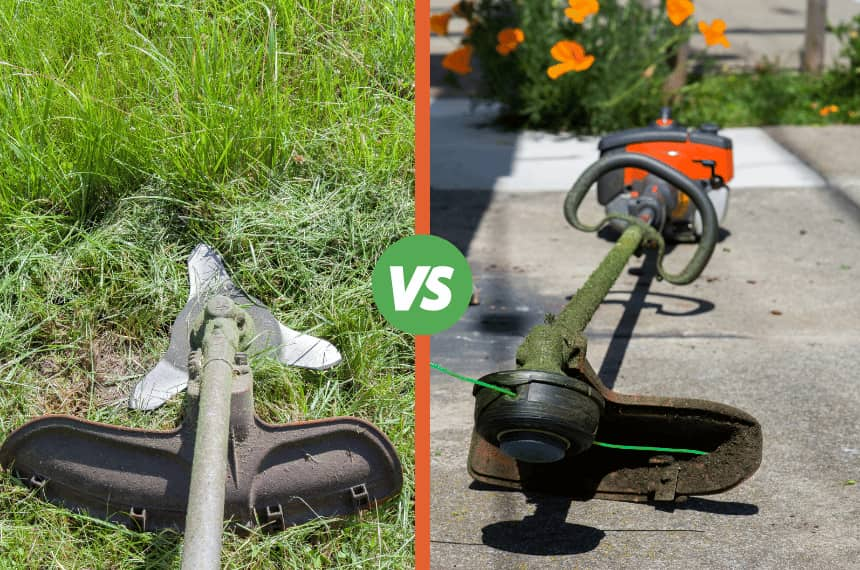
Is A Line Trimmer A Whipper Snipper
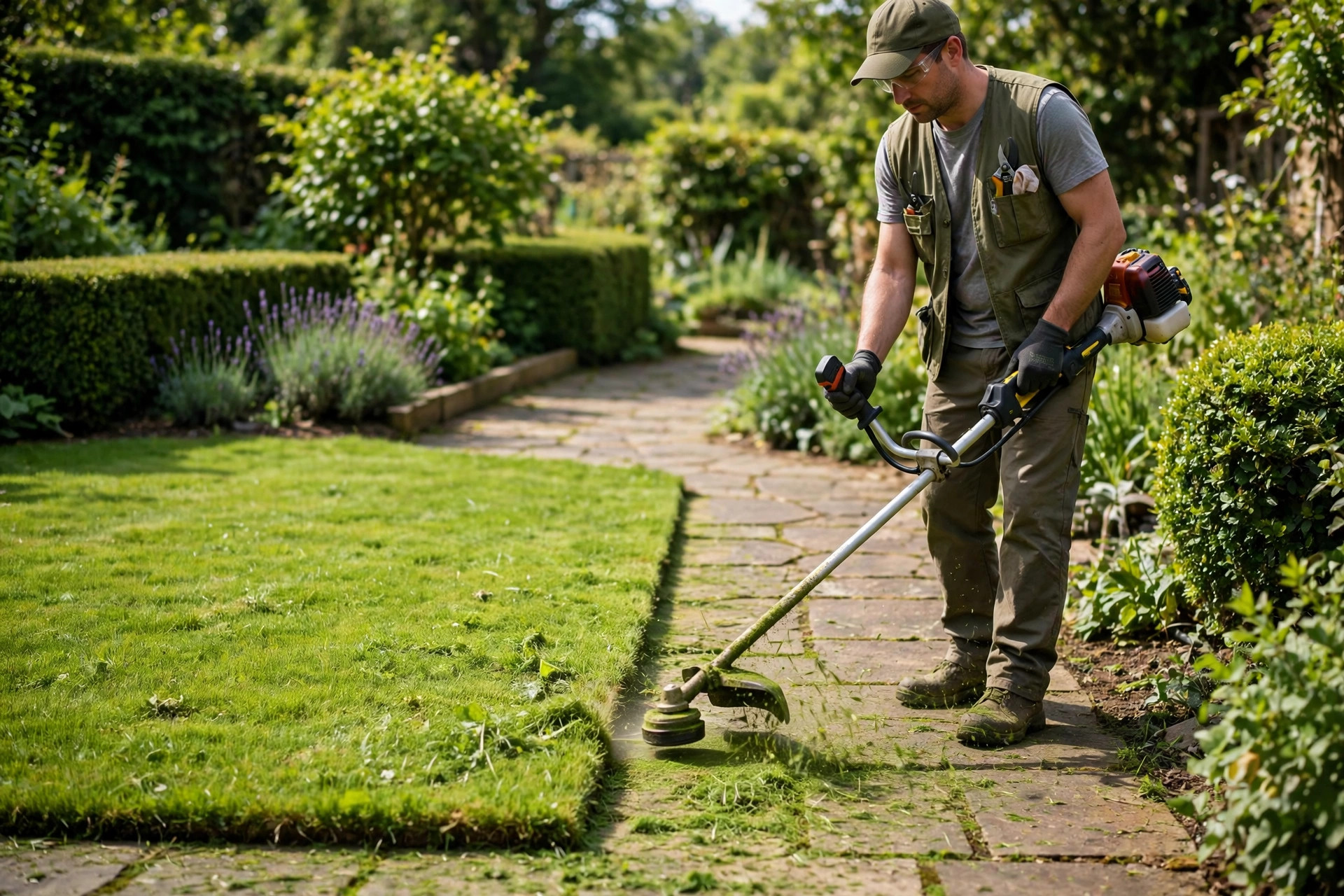
Have you ever asked why gardens stay so neatly trimmed? In Australia, ‘whipper snipper’ is the word for lawn care. This tool has a second name. That may surprise you.
Elsewhere, folks know it as a line trimmer. Both terms mean the same must-have yard tool.
The line trimmer has a rich past. In Australia, locals call it the whipper snipper. It came from the 1970s in the U.S. Its design took its cue from car wash brushes.
You may use either name. Its job stays the same.
Did you know ‘whipper snipper’ is just a second name for ‘line trimmer’? Despite the two names, the duties are the same. This split comes mainly from regional language choices.
Quick answer: This split mainly comes down to language choices. Despite the two names, the duties are the same. Both cut grass and weeds with a fast-spinning plastic line. Their goal is quicker yard work.
- Is a Line Trimmer a Whipper Snipper: Unraveling the Terminology
- Storing Your Line Trimmer Properly
- Origins and Evolution of the Terms
- Key Features and Functions of Line Trimmers and Whipper Snippers
- Cutting Widths, Heads and Common Features
- The Ubiquity and Uses of Line Trimmers, aka Whipper Snippers, in Gardening
- Versatility, Ease of Use and Community Gardens
- Frequently Asked Questions
- Edging and Maintenance Questions
- Power Choice and Safety Questions
- Conclusion: Is a Line Trimmer a Whipper Snipper
Is a Line Trimmer a Whipper Snipper: Unraveling the Terminology
Did you know ‘whipper snipper’ is just a second name for ‘line trimmer’? In Australia, ‘whipper snipper’ is the common term. It names a tool other countries know well. They call it a line trimmer. Despite the two names, the duties are the same.
| Term | Where It Is Used |
|---|---|
| Line trimmer | United States and many other countries |
| Whipper snipper | Australia |
| Weed eater | United States |
People often wonder if the two differ. But in truth, they are the same. This split mainly comes down to language choices. Learn how to add trimmer line before you start trimming.
The line trimmer dates back to the 1970s. It began in the U.S. It eased the trimming of grass and weeds. It reached the hard spots too.
In time, the name ‘whipper snipper’ caught on in Australia. The name is catchy and easy to recall. These tools are now must-haves for neat lawns and gardens.
Call it a line trimmer or a whipper snipper. The function remains the same. Both cut grass and weeds with a fast-spinning plastic line. They are light and easy to handle.
They are great for tidying lawn edges and tight spots. Most models today are corded or battery models. Gas-powered ones are still sold too. Their goal is quicker, more efficient yard work.
Storing Your Line Trimmer Properly
You may wonder how to store this handy tool. Sound options exist. There are a few sound ways. Keep your line trimmer in a dry, safe place. Keeping it dry helps it last longer.
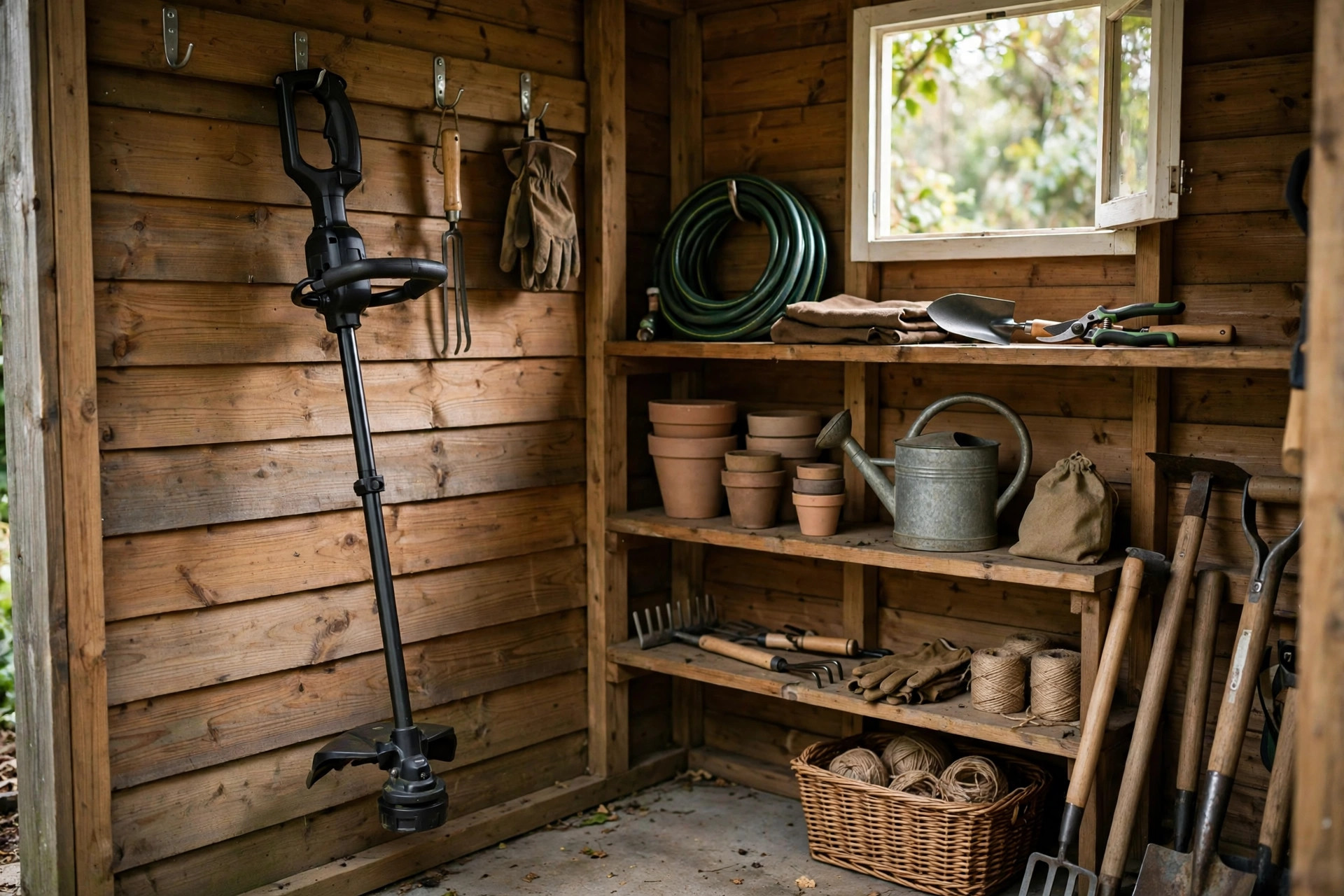
Good storage saves space. It keeps the tool working well too. Some use wall hooks. Others prefer floor stands or custom storage units.
Good storage keeps your yard trimmer in top shape. It stays that way for years.
Origins and Evolution of the Terms
The line trimmer has a great origin story. Many know it as the weed eater. George Ballas invented it in the 1970s in Houston, Texas. It changed lawn care for good.
The spinning brushes at car washes gave Ballas the idea. He tied fishing line to a tin can. That was his first prototype. This simple, clever tool laid the groundwork. The modern line trimmer grew from it.
As the tool caught on, each region coined its own name. In Australia, the term “whipper snipper” came up. The name stuck. It is catchy and easy to recall.
The U.S. stuck with the line trimmer name. They used the name ‘weed eater’ there too. Despite the two names, the function remained the same.
Over the years, the line trimmer has seen many upgrades. At first, it ran on gas motors. It was quite heavy and loud. Today, corded and battery models are the norm.
They are quieter and kinder to the planet. These steps made the tool much easier to use. Now all can use it with ease. Learn how to refill string trimmer spool between jobs.
Still confused by the two names? Both terms describe the same tool. The split is mainly due to language choices.
Call it either name in the end. It remains a must-have. It helps keep a yard tidy.
Key Features and Functions of Line Trimmers and Whipper Snippers
The line trimmer is made for precise lawn care. Many call it a whipper snipper. One top feature is the fast-spinning nylon line.
That line cuts through grass and weeds. It is ideal for work around obstacles. Think trees, fences and flower beds.
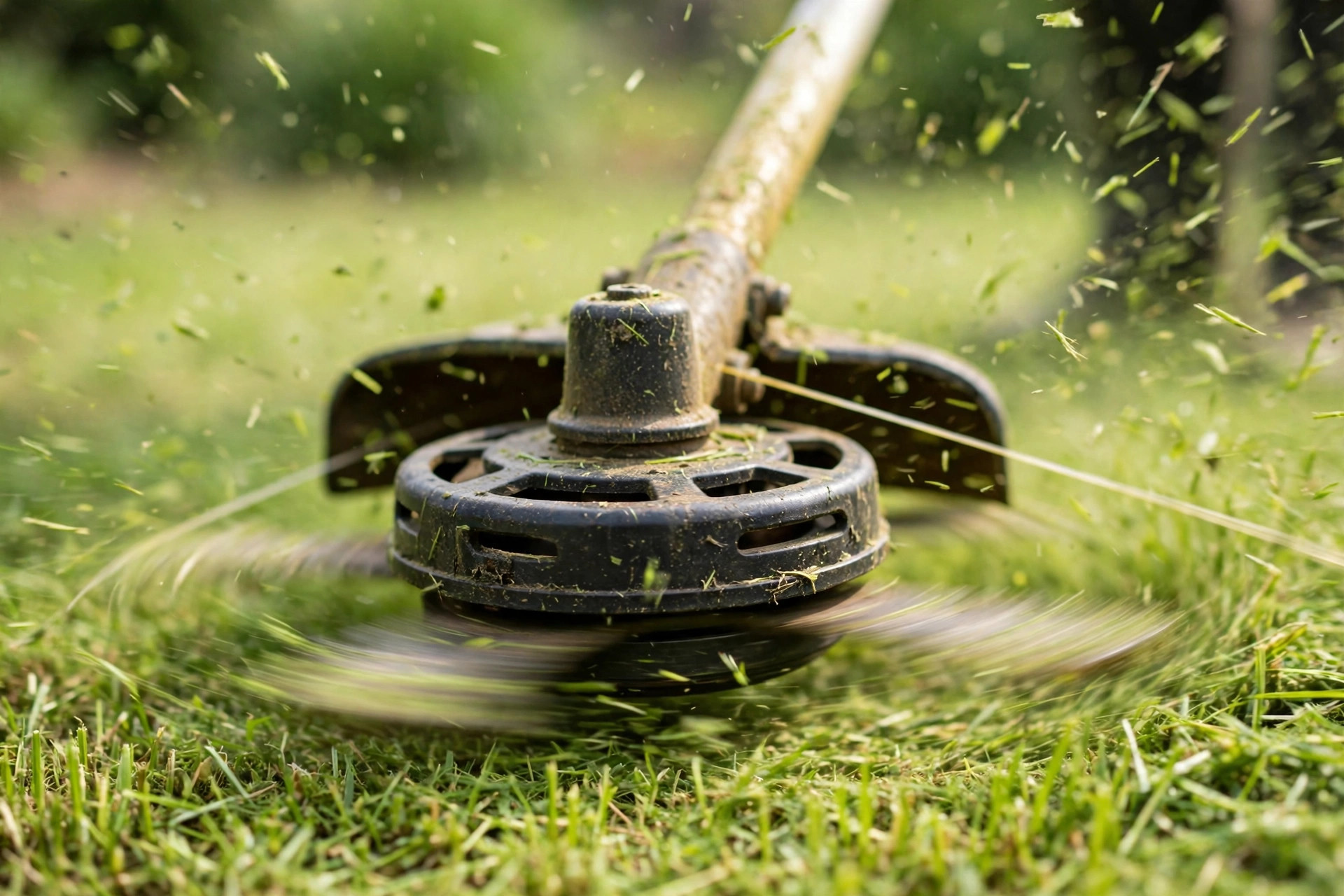
The tool is light and easy to move around. It is perfect for tricky spots. Mowers might miss those spots. See how to choose trimmer line before buying more line.
Modern line trimmers come with many power types. They suit varied needs. You can choose between electric, battery and gas models. Corded models are great for small yards.
They run quietly and give off no fumes. Battery trimmers free you from cords. Gas trimmers give strong power. They suit larger areas or tougher jobs.
A further nice feature is the handle you can adjust. It adds comfort in use. Some models include shafts that slide. You adjust the height with them.
So users of all sizes can run the tool with ease. Many trimmers have a guard. It protects the user from debris. All these together make it an easy, swift tool.
Cutting Widths, Heads and Common Features
Line trimmers offer varied cutting widths for many tasks. Some include cutting heads you can swap for extra range. Here is a table of shared traits in top models.
| Feature | What It Does |
|---|---|
| Rotating nylon line | Cuts through grass and weeds |
| Handle you can adjust | Adds comfort during use |
| Guard | Protects the user from debris |
| Varied power types | Electric, battery and gas models |
| Heads you can swap | Adds range for varied tasks |
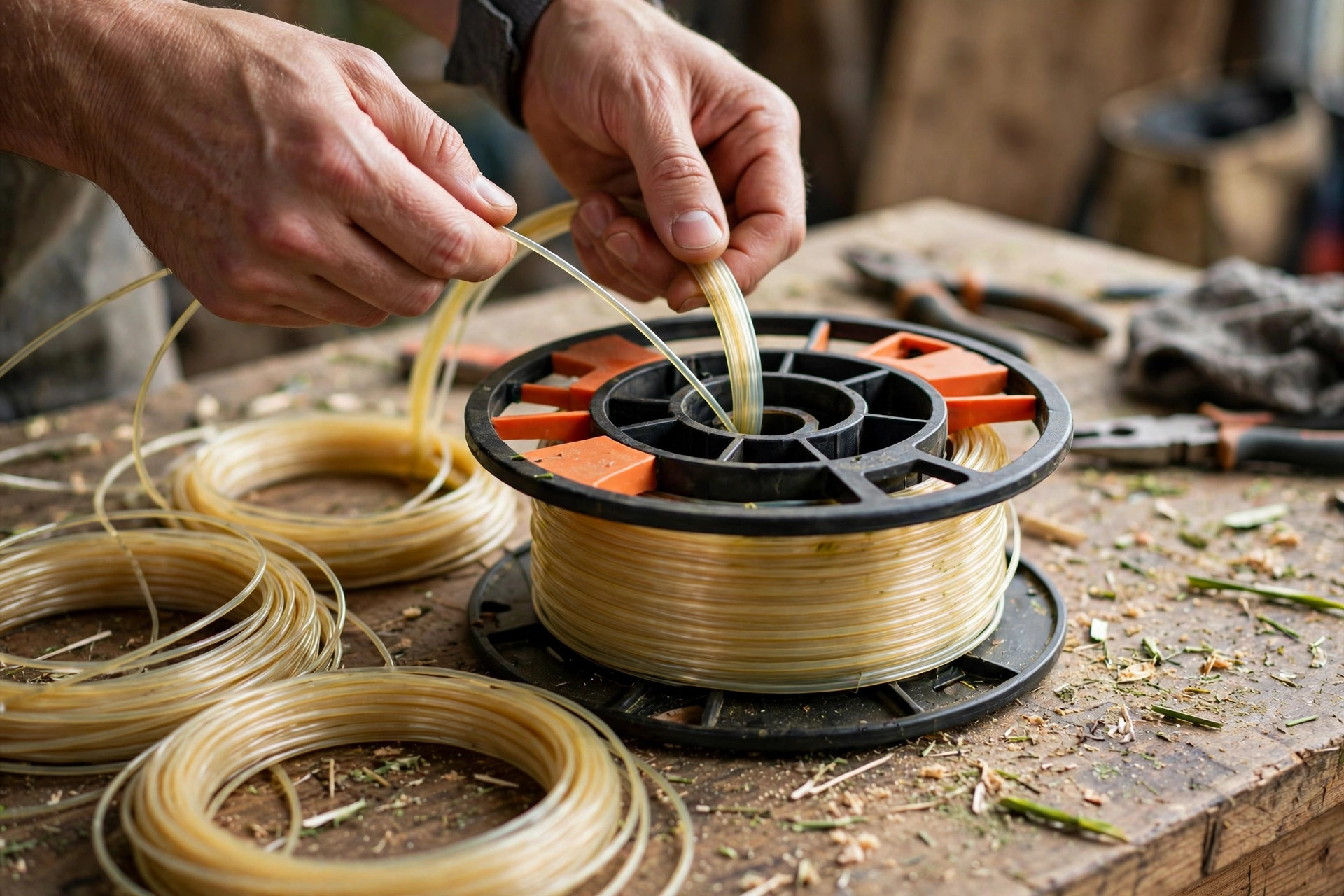
All this helps make lawn care easier and more precise. Learn how to load string trimmer line step by step. They help you trim edges and tight spots cleanly.
The Ubiquity and Uses of Line Trimmers, aka Whipper Snippers, in Gardening
Line trimmers are found in gardens worldwide. Most folks call them whipper snippers. These handy tools keep outdoor spaces clean and tidy.
They are great for trimming grass in places mowers can’t reach. Users value their precise cuts around edges and obstacles. Their wide use shows how handy and swift they are.
In home gardens, line trimmers are a must-have. Homeowners use them to keep lawns neat and well-groomed. They make overgrown grass easy to manage. That holds along driveways, sidewalks and yard borders.
They are handy for trimming around trees and flower beds. They serve other yard spots too. Garden lovers made them a top pick for this ease of use.
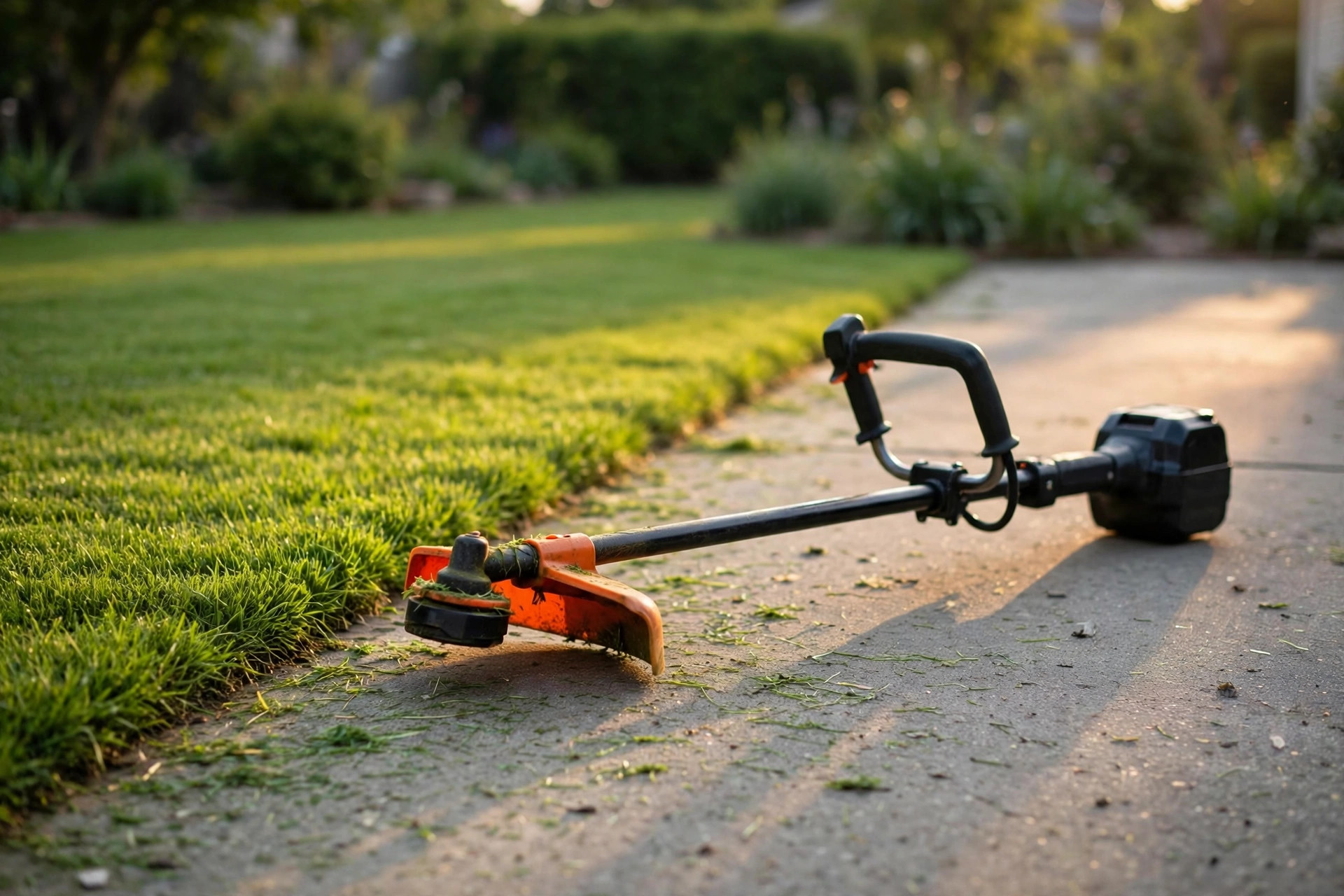
For pro landscaping, line trimmers are just as vital. Pro crews rely on these tools. They use them for big lawn care jobs. They help workers clean up edges fast. They reach tight spots mowers miss too.
This keeps public parks looking good. It serves school grounds and business sites too. They work so well over large areas. That makes them a go-to tool for pros.
Versatility, Ease of Use and Community Gardens
Line trimmers gain range from many add-ons and extras. Some models come with swap heads for varied tasks. These can include hedge trimmers, edgers, or brush cutters.
This expands what they can do. They do far more than trim grass. This range makes them suited to varied yard work.
Many gardeners prefer line trimmers. They like the light design and ease of use. They are simple to run. They need little effort or skill.
This makes them open to new and seasoned users alike. They save time and effort in yard care. Their ease of use keeps them a top choice.
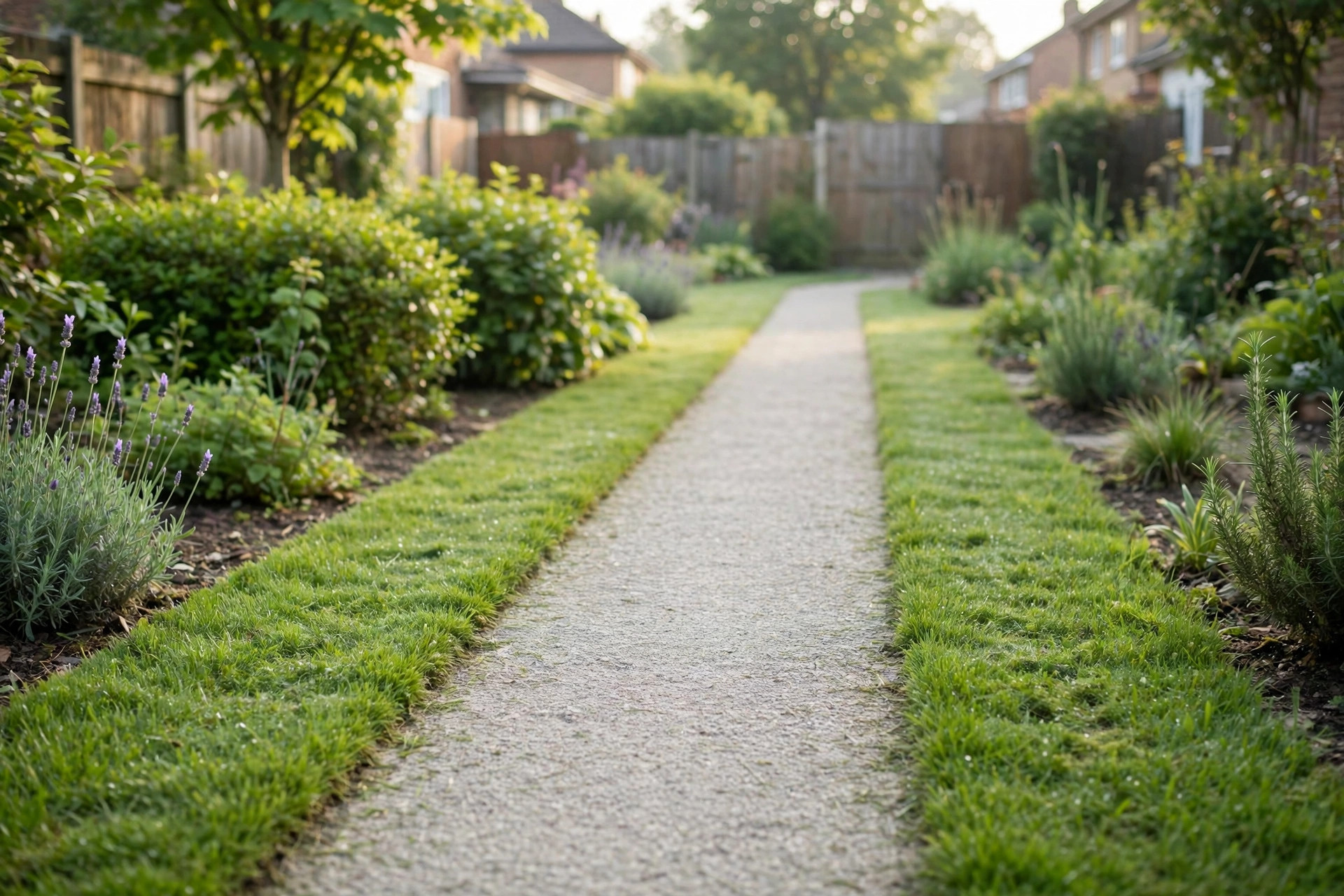
In shared garden projects, line trimmers play a key role. They help volunteers keep shared spaces well-kept and warm. These tools are key in the upkeep of shared gardens. They serve parks and public green spaces too.
They handle varied terrains well. That makes them priceless in such spots. With line trimmers, shared garden work gets done faster.
Frequently Asked Questions
Get answers to top questions on line trimmers. They are known as whipper snippers. Learn more about their uses, upkeep and traits.
What are the benefits of using a line trimmer?
Line trimmers offer many pluses for yard care. They are light and easy to handle for yard work. They suit precise work around yard edges and obstacles. They help you trim tight areas where lawn mowers can’t go.
Modern models come with many power types. These include electric, battery and gas motors. This range lets users choose. They pick the model that suits them best. In all, line trimmers make yard work quicker, easier and faster.
Edging and Maintenance Questions
Can a line trimmer be used for edging?
Yes, you can use a line trimmer for edging. It works along sidewalks and driveways. It makes clean lines along those paths. Some models have a head you can adjust. Some add extra add-ons made just for this task.
This added range makes them handy garden tools. They can do many tasks. Many users value this two-in-one use from a single tool. See how to use a string trimmer as an edger today.
How often should you maintain your line trimmer?
Upkeep needs depend on how often you use your line trimmer. Check the cutting line often. Replace it when worn out. Also, inspect other parts now and then. The air filter is one such part.
Clean the air filter if it has one fitted. Learn how to replace trimmer line when it wears out.
For a gas model, keep up timely oil changes. Keep an eye on fuel levels too. For corded or battery models, check the batteries before each use. Make sure they are fully charged before each use.
Power Choice and Safety Questions
See the STIHL USA for official guidance. See the EPA lawn and garden page for safe yard work. The answers below cover power choices and safe use.
How do I choose between electric and gas-powered models?
Your choice between the two types depends on your own needs. Corded models are quieter, lighter and easier to maintain. But they may lack power for larger jobs.
Gas models offer robust performance, ideal for large lawns. But they need more upkeep due to their engine parts. Weigh factors like garden size and ease of use. Then decide.
What safety precautions should you take while using a line trimmer?
Always wear safety gear such as gloves, goggles and long sleeves. Safety gear protects you from flying debris. Keep children and pets well away while you run the tool.
Avoid using a line trimmer in wet weather during yard work. Wet use can risk shocks if yours plugs in. Always read the user manual in full before you start. Know the safety steps required before you start. Learn how to put string in weed trimmer safely.
Conclusion: Is a Line Trimmer a Whipper Snipper
Line trimmers, whether called whipper snippers or weed eaters, are key tools. They help maintain a tidy garden. Handy and swift, they make trimming edges and tight spots simple. Their varied power types suit many user needs. That makes yard care open to all.
Choose the right model and know its traits. That can greatly lift your yard work. Regular upkeep keeps them strong and safe for years.
With these tools on hand, lawns stay well-kept. The task becomes easy. So, is a line trimmer a whipper snipper after all?

I’m Patricia D. Johnson, an affiliate marketer and blogger specializing in trimmers and grooming tools. I create honest reviews, buying guides, and practical tips to help readers choose the right trimmer for their needs. With a focus on quality, performance, and value, I simplify the decision-making process so consumers can make confident purchases.