
Is Trimmer Line Biodegradable
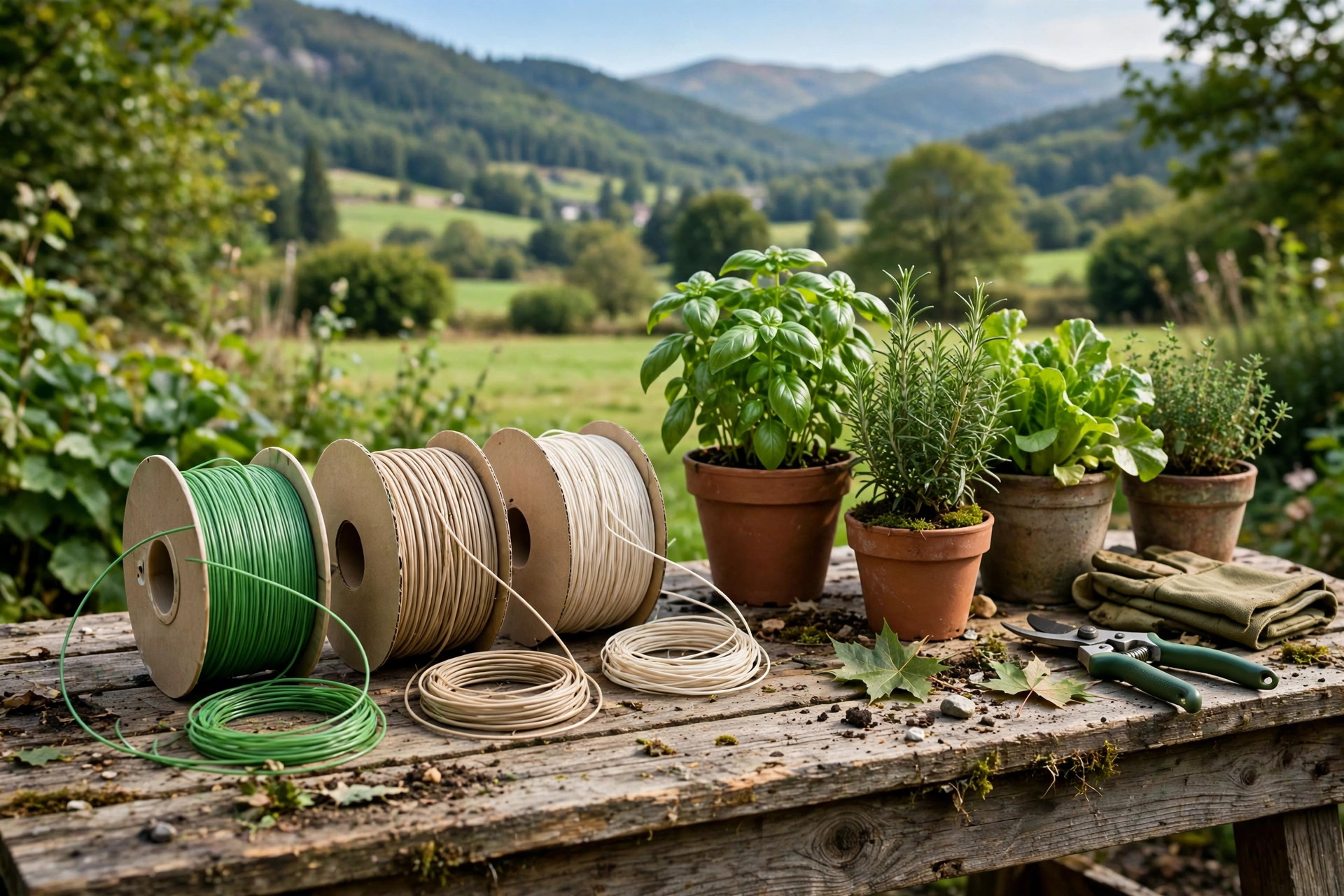
Have you thought of how green your yard tools are? Most trimmer line is made of nylon. That nylon can sit in the soil for years. This fact makes folks ask if the line can rot away.
At first, line was made with no thought for the earth. The goal was strength, and strength was all. Now, new lines come from plants and break down. These new lines cut long-term harm by a lot. They still cut grass and weeds just as well.
So, is trimmer line biodegradable in day-to-day use? Plain nylon line can not rot away at all. New plant-based lines break down at a fast pace.
Quick answer: Most plain trimmer lines are made from nylon. That nylon does not break down in soil or air. New green lines use corn starch blends in its place. These green picks are a sound way to trim. They still cut grass and weeds just as well.
- Is Trimmer Line Biodegradable
- The Composition and Environmental Impact of Standard Trimmer Lines
- The Shift Towards Biodegradable Trimmer Lines
- Advantages and Potential Challenges of Using Biodegradable Trimmer Lines
- Availability, Durability and Education Challenges
- Frequently Asked Questions
- Garden Conditions and Choosing Questions
- Compatibility Questions
- Conclusion: Is Trimmer Line Biodegradable
Is Trimmer Line Biodegradable
Plain trimmer lines are most made of nylon. That tough plastic takes a long time to break down. When a line snaps, bits fall to the ground. Those bits add to soil harm that lasts for years. Small bits can sit in the soil and hurt plants and wild life.
See what size trimmer line for the sizes and kinds in wide use. Such stuff lasts so long that green care gets hard. More and more folks want lines that do less harm. New kinds use plant blends, like corn starch plastics.
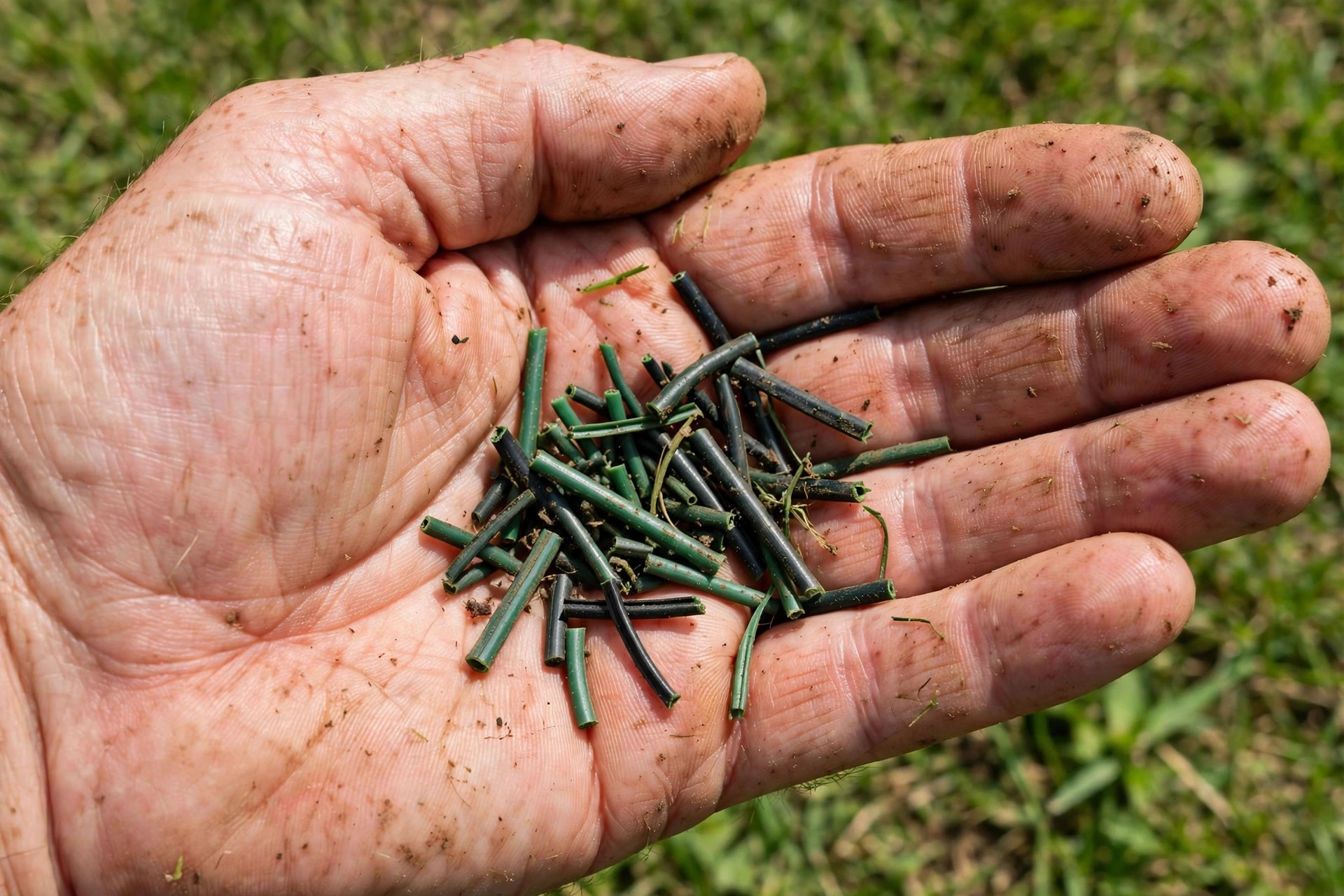
These new lines break down at a fast pace outside. A fast break-down means less harm in the long run. Still, few folks have made the switch so far. Most are still new to the gains and the stock.
| Material | Traits | Breakdown | Cost and Access |
|---|---|---|---|
| Nylon | Strong, tough, plain plastic | Does not break down with ease | Costs less and is stocked in most shops |
| Cornstarch-based polymers | Made from plants that regrow | Breaks down faster in nature | Costs more and is hard to find |
Cost is a big cause of the slow switch. Green lines tend to cost more than nylon ones. That price can put off buyers on a tight budget. Gains for the earth come second for them.
Shop stock can be thin in some towns too. That makes green lines hard to track down. The lines add less harm to soil and water. They break down fast, so dumps fill at a slow pace.
Still, green lines bring big gains for the earth. Green picks in lawn care help keep the earth sound. A switch to such lines can aid the health of the earth. It is a small step with real weight.
The Composition and Environmental Impact of Standard Trimmer Lines
Plain trimmer lines are most made from nylon, a plastic. That makes them strong and tough for thick grass and weeds. But when these lines snap, they leave small plastic bits. The bits spread out all across the lawn. These bits do not break down with ease at all.
They stay in the soil and air for years and years. The harm from plain lines is far from small. Nylon bits can drift into soil and streams. There, they can hurt wild life in its home. Small beasts may eat the bits, and plastic waste piles up in time.
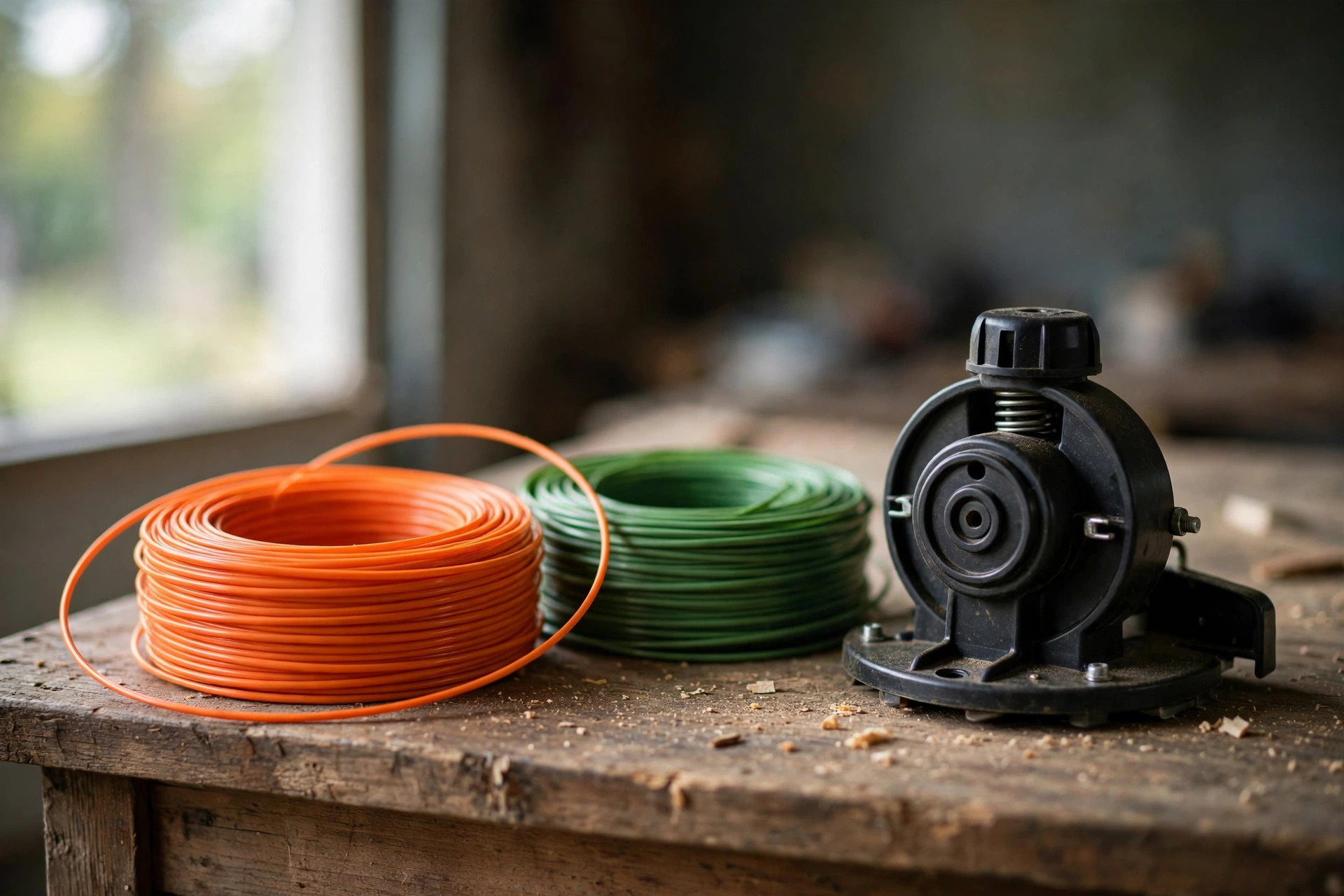
Work to fix this harm has led to tests of green lines. These kind lines can break down at a much faster pace. Corn starch, a plant stuff that rots, is put to the test as a nylon swap. Still, not all green lines are in wide stock yet. Thin stock slows how fast buyers can make the switch.
One more point is safe use in each time of year. That point adds a fresh side to the harm tale. New lines try to match good lawn care with care for the earth. See how long does trimmer line last for facts on line life span.
The Shift Towards Biodegradable Trimmer Lines
As more folks learn of the harm, brands now make green lines. These lines come from stuff that grows back. Some use plant blends, like corn starch, in place of nylon. They are made to break down fast in the wild. That makes them a kind swap for plastic line.
The switch to green lines brings clear gains. First, they cut long-term waste in dumps. Next, they keep soil and water more clean. With less plastic left in the wild, wild life meets less risk. It is a big step for green yard care.
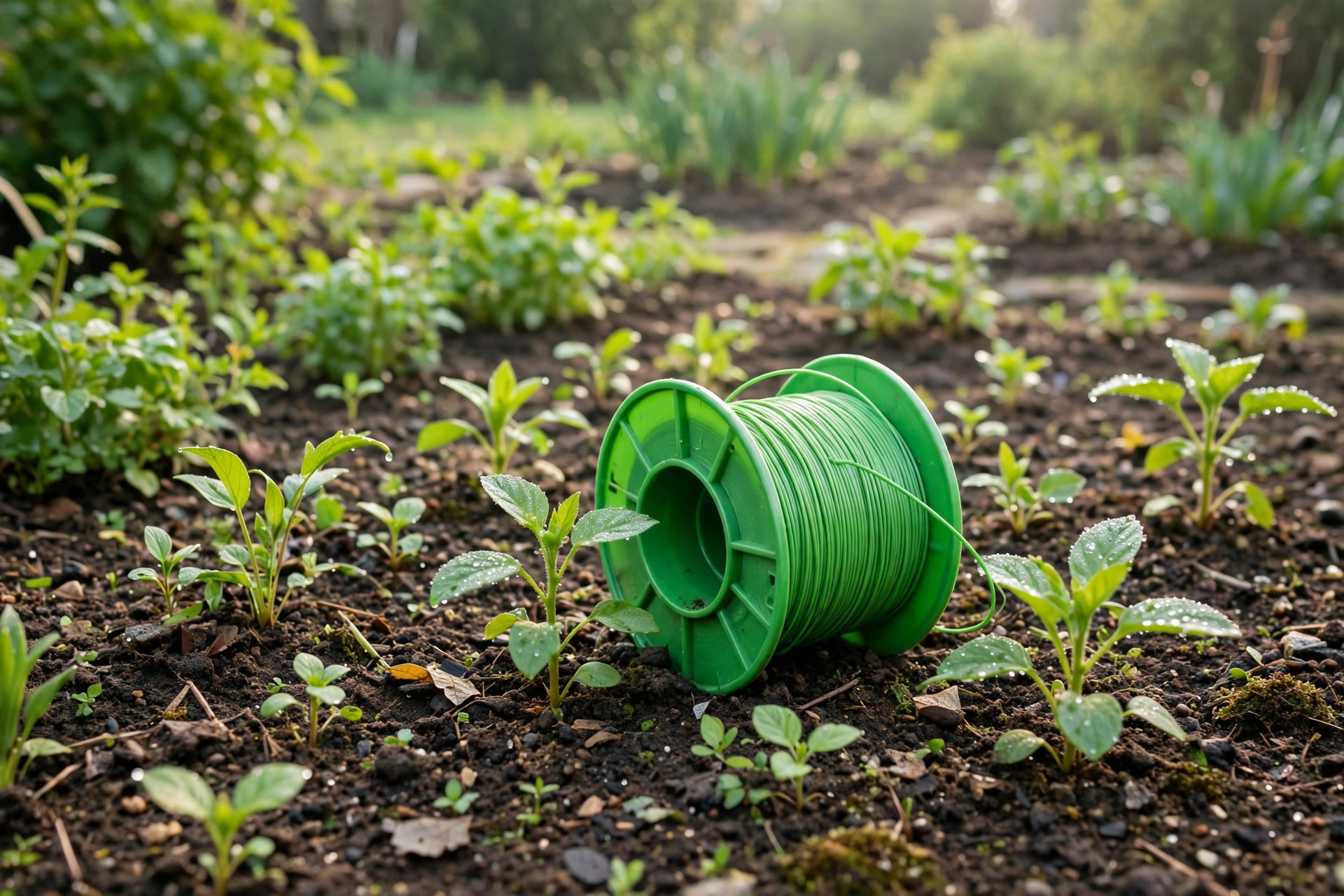
Still, green lines come with hard points of their own. Cost is a chief one for most buyers. These kind picks tend to cost more than plain nylon lines. That can make them less of a draw for tight budgets.
How well they cut is still put to the test by brands. Tests check strength and cut skill next to plain lines. Stock is one more block for lots of buyers. Green lines are not in wide stock in local shops.
Buyers tend to hunt on the web to find these lines. Shops have now begun to stock them as calls grow. This slow shift points to a green road for lawn care. See the EPA lawn and garden page for safe yard habits.
Advantages and Potential Challenges of Using Biodegradable Trimmer Lines
Green trimmer lines bring lots of gains for the earth. These lines break down fast, so dumps hold less waste. They keep soil and water clean as well. Made from plant stuff, they are less apt to harm wild life. This kind pick lines up with green goals round the world.
One more gain is how well they cut each day. Green lines now cut as well as plain nylon lines. They are built strong to take on tough weeds and grass. They give the same cut with less harm to the earth. That makes them a sound pick for green lawn care.
Please note: The shift part says cut strength is still put to the test. The pros part says the lines now cut as well as plain nylon. Both claims stand, just as first shared. Brands still test and lift these lines year by year.
Still, cost is a big block when you pick green lines. These kind picks tend to cost more than nylon ones. The high price can put off buyers on a tight budget. Shops need to teach buyers why the lines pay off in time. That case can help the first spend feel fair.
Availability, Durability and Education Challenges
One more block is stock in local shops right now. Green lines are not yet stocked in most brick shops. Buyers tend to hunt on the web to find them. Thin stock could slow the switch to green lines. More calls for them might push more shops to stock up.
Doubts on how long green lines last hang on too. Lots of them match nylon in strength, in truth. Still, some users fret the lines wear out fast. Long tests and user word are a must for trust in them. Brands keep at work to lift the lines to what buyers want, and new gains should put doubts to rest in time.
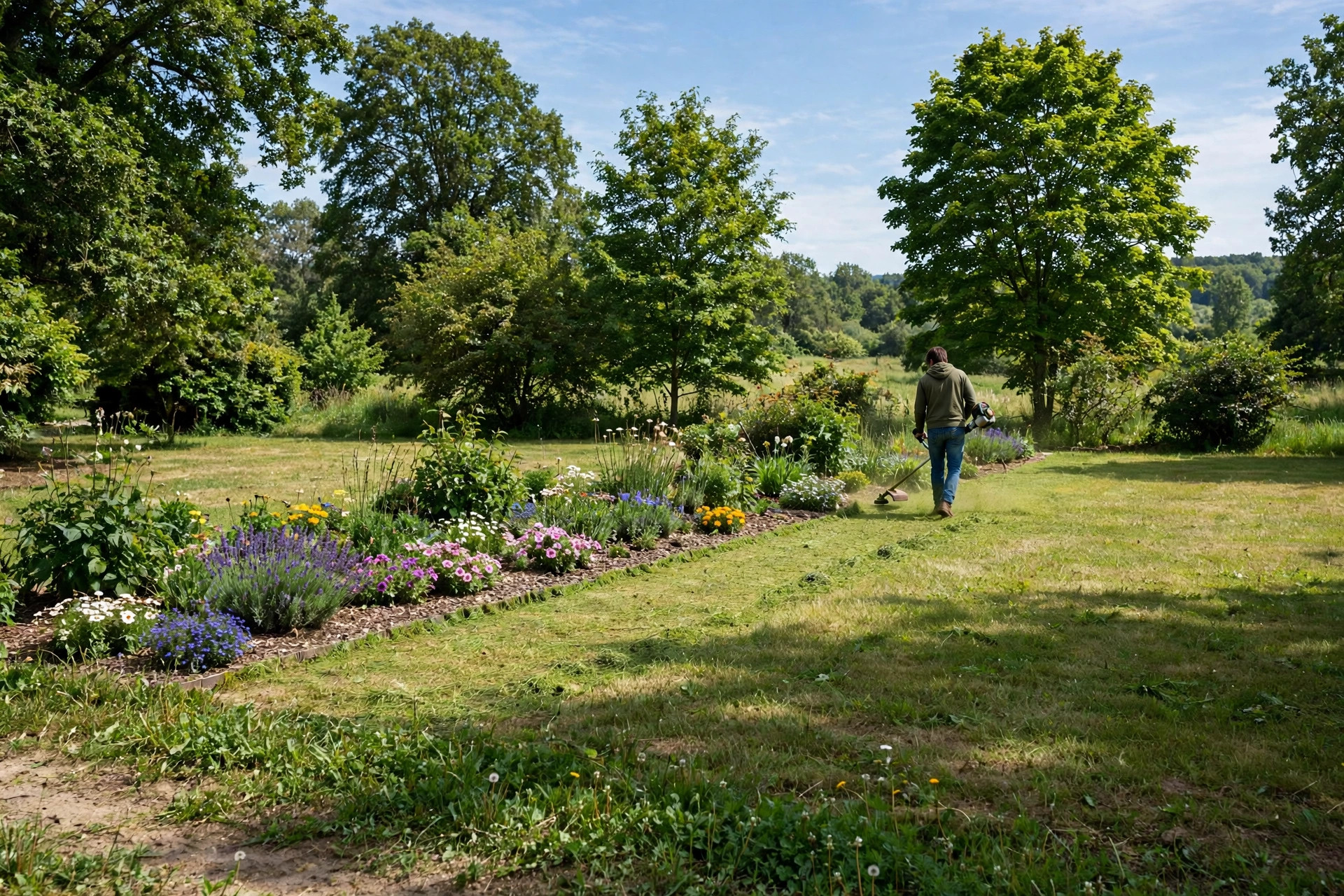
Shops and buyers both play a part in this green shift. Both need to learn the gains and the hard points. As more folks learn, calls for green lines will grow. This change paves the way to a sound earth and wise lawn care. Learn why soak trimmer line in water before you store line.
| Topic | Advantage | Challenge |
|---|---|---|
| Waste | Cuts long-term landfill waste | Higher cost than nylon lines |
| Pollution | Less soil and water pollution | Hard to find in local shops |
| Wildlife | Less likely to harm wildlife | Doubts on strength still persist |
| Everyday use | Cuts as well as plain nylon line | Performance still being tested |
Frequently Asked Questions
Here are plain doubts and facts on trimmer lines. This part aims to clear up use and harm points. Read how to choose trimmer line before you buy. The facts below use this post and its own guide.
What materials are commonly used for trimmer lines?
Trimmer lines are most made from nylon right now. That tough plastic takes on thick grass and weeds. Nylon is picked for its strength and flex in work. It suits hard yard jobs in a sound way.
Some lines add man-made blends or such stuff in the mix. These kinds aim to add strength and cut skill. They help the line cut in a smooth way.
How do biodegradable trimmer lines differ from conventional ones?
Green lines use plant stuff, like corn starch blends. These blends break down fast in the wild. Plain nylon lines do not rot at that pace. Green lines are a kind pick for the earth.
Their cut has grown to match plain nylon lines. They can cost more than stock lines, all told. They are hard to find in local shops too.
Garden Conditions and Choosing Questions
Are there any specific conditions where biodegradable trimmer lines perform better?
Green lines work well in most yard scenes. They shine where less harm to the earth counts most. They break down fast in rain and sun. That suits folks who pair green care with good lawn work. But shop stock near you may be thin at times.
What factors should you consider when choosing a trimmer line?
Pick your line by its width and stuff, for your yard. Thick weeds call for a thick line with more strength. A thick line cuts with more force as well. If harm to the earth is on your mind, plant lines help a lot. Cost and stock count as key points in your pick. See how to refill string trimmer spool for spool refills.
Compatibility Questions
Can you use any type of trimmer line with all models of weed eaters?
No. Not all line kinds fit all weed eater types. Each tool has set needs for line width and stuff. The wrong kind can cut less well in use. It can harm the tool in time as well.
Read the book for your tool before you buy. See STIHL USA for the brand’s own firm guide. Learn how to load string trimmer line before you load new line. Read how to replace trimmer line when line wears out.
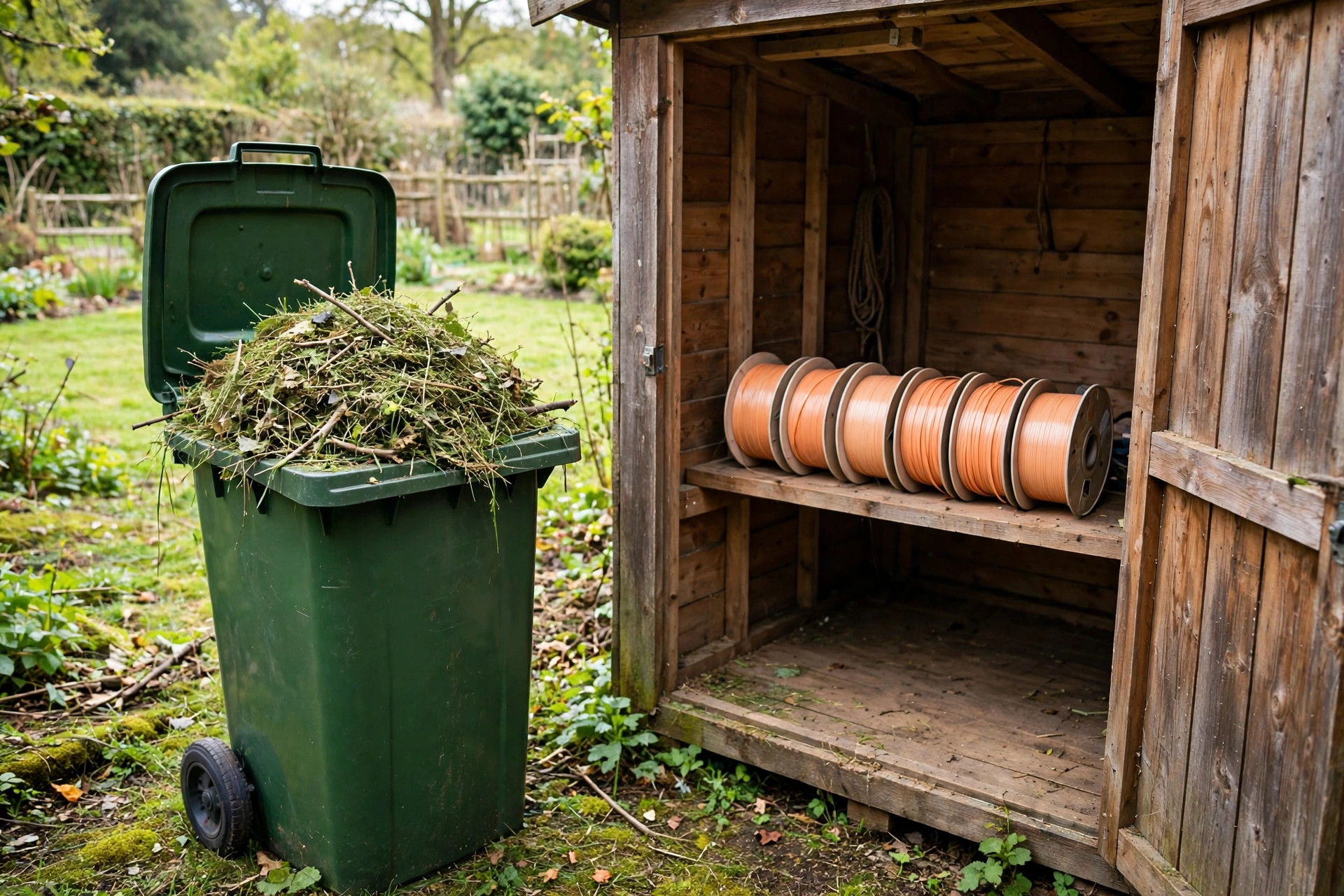
Conclusion: Is Trimmer Line Biodegradable
The shift to green lines is a sound step for yards. These kind picks cut long-term waste in dumps. They keep soil and water clean as well. They cost more, and stock is thin in shops. Their gains for the earth are big, all told.
If buyers learn these gains, more will make the switch. As tools grow and calls rise, stock will grow too. New kinds like these aid the health of the earth. They back wise lawn care in homes and yards. So, is trimmer line biodegradable with new kinds in shops?

I’m Patricia D. Johnson, an affiliate marketer and blogger specializing in trimmers and grooming tools. I create honest reviews, buying guides, and practical tips to help readers choose the right trimmer for their needs. With a focus on quality, performance, and value, I simplify the decision-making process so consumers can make confident purchases.