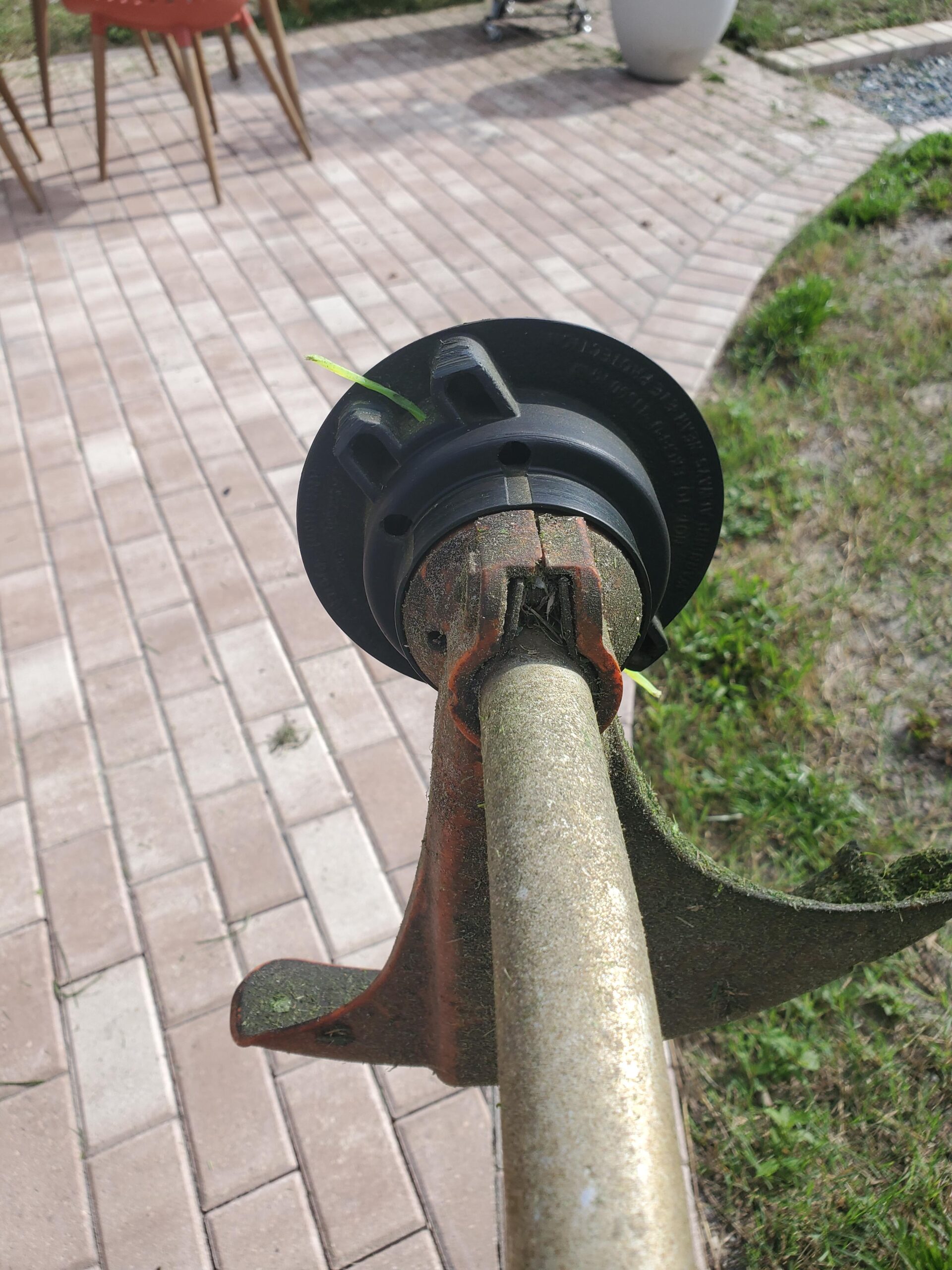
Ever noticed how a trimmer line that has been sitting in your garage for years seems to snap more easily than a newly purchased one? It’s not just your imagination; age can indeed cause trimmer lines to become brittle. This brittleness is often due to prolonged exposure to environmental conditions like UV rays and extreme temperatures.
The science behind it reveals that the polymers in trimmer lines break down over time, losing their flexibility and strength. Historically, trimmer line material has evolved, but aging remains an issue. Recent studies suggest that soaking the line in water can rejuvenate some of its lost properties, providing a practical yet straightforward solution to this common problem among lawn care professionals.

Does Trimmer Line Get Brittle with Age?
Do you remember the last time you used an old trimmer line? It might have snapped more often than a new one. Trimmer lines do get brittle as they age, and this is due to several factors. One of the main reasons is prolonged exposure to UV rays. UV rays weaken the material, making it less flexible over time.
Temperature extremes also play a role in making trimmer lines brittle. High heat can cause the plastic to degrade, while freezing temperatures make it more prone to breaking. Another factor is humidity levels, which can dry out the line. Dehydrated lines become stiff and are easier to snap.
In some cases, soaking a brittle trimmer line in water for 24 hours can restore its flexibility. Keeping your trimmer line in a dry, shaded place can extend its lifespan. Regular maintenance is also essential. For example, according to the article, “https://trimmerity.com/how-to-wind-a-string-trimmer-spool/”, proper winding techniques enhance performance and longevity.
Using fresh trimmer lines can save you time and frustration. Old lines are more likely to break, requiring frequent replacements. To find out more about maintaining your trimmer, you can check out [here is the post](https://trimmerity.com/what-is-the-best-lawn-trimmer/). This way, your lawn care routine stays smooth and efficient.
Factors that Cause Trimmer Line to Become Brittle
One primary factor that causes trimmer lines to become brittle is UV exposure. Over time, the sun’s ultraviolet rays break down the polymers in the plastic. This process weakens the line, making it more susceptible to snapping. Interestingly, storing your trimmer line in a shaded area can help mitigate this issue.
Temperature fluctuations also play a significant role. Extreme heat can cause the material to degrade, while freezing temperatures make it rigid and prone to breaking. Humidity levels can similarly affect the line. Keeping it in a controlled environment can help maintain its flexibility and strength.
The quality of the trimmer line itself is another important factor. Higher-quality lines tend to last longer and withstand harsh conditions better. Lesser quality lines may become brittle more quickly. According to this resource, using a premium line can reduce the frequency of breakages.
Finally, how you store your trimmer line can also affect its longevity. Keeping it coiled in a cool, dry place will prolong its life. Avoid leaving it out in the elements when it’s not in use. Proper storage practices can make a significant difference.
Impact of Brittle Trimmer Line on Lawn Care
Brittle trimmer line can make your lawn care routine frustrating. When the line snaps frequently, you spend more time replacing it. This constant interruption affects your efficiency. Sometimes, the line can break inside the trimmer head, causing even further delays.
Using a brittle line also results in uneven cutting. It may rip grass instead of trimming it smoothly, leading to a patchy appearance. This inconsistent performance can make your lawn look unkempt. It also puts extra strain on your trimmer, potentially shortening its lifespan.
Broken trimmer lines can also pose a safety risk. Bits of the brittle line can fly off, potentially causing injury. This is especially dangerous if you’re working near others. It’s always best to replace old lines to ensure everyone’s safety.
Maintaining a fresh trimmer line can enhance your lawn care experience. You’ll spend less time dealing with breakages and more time perfecting your lawn. A smooth operation not only looks better but also extends the life of your trimmer. It’s a simple way to keep things running efficiently.
Maintaining and Extending the Life of Trimmer Lines
Proper storage is crucial for keeping your trimmer line in good shape. Store it in a cool, dry place away from direct sunlight. High temperatures and UV rays break down the material. Keeping it inside a garage or shed is often a good idea.
Soaking your trimmer line in water before use can also extend its life. This practice can restore some flexibility to older lines. Simply let it sit in a bucket of water for about 24 hours. This small step can make a big difference in preventing breakage.
Using high-quality trimmer lines is another way to make sure they last longer. Premium brands often use better materials that resist UV and heat damage. These lines tend to perform better and require fewer replacements. Investing a bit more upfront can save you time and money later.
Regularly check your trimmer for any signs of wear and tear. A well-maintained trimmer puts less stress on the line. Make sure the spool is clean and free of debris. This will ensure smooth operation and prolong the life of the trimmer line.
Wrapping the line correctly on the spool is essential for its longevity. Improper winding can cause tangles and breaks during use. For guidance, you can check out here is the article on proper winding techniques. Following these tips will help you get the most out of your trimmer line.
Frequently Asked Questions
Here are some common questions and answers related to trimmer lines. These FAQs address various aspects such as maintenance, performance, and material quality.
1. What is the best material for trimmer lines?
The best material for trimmer lines usually is copolymer nylon. This material is known for its durability and flexibility. It resists breaking better than other materials. Users often find it performs well under various conditions.
Another high-performing option is titanium-reinforced nylon. This material offers extra strength, making it ideal for heavy-duty tasks. While more expensive, it provides longer-lasting performance. Choosing the right material can save you time and reduce line replacements.
2. How do I store a trimmer line to extend its life?
To extend the life of your trimmer line, store it in a cool, dry place. Avoid direct sunlight and areas with extreme temperature changes. Humidity control also plays a crucial role in maintaining its flexibility.
Some experts recommend soaking the line in water before storage to keep it hydrated. Placing it in an airtight container can further protect it from environmental factors. Proper storage practices ensure that your trimmer line remains durable over time.
3. Can I use any brand of trimmer line with my trimmer?
Not all brands are compatible with every trimmer model, so check your user manual first. Using the appropriate brand ensures optimal performance and prevents machine damage.
If unsure, consult with the manufacturer or visit their website for recommendations. Trying to cut corners by using incompatible lines can lead to inefficiency and frequent breakages on the job.
4. How does regular maintenance affect trimmer line performance?
Regular maintenance substantially impacts how well your trimmer line performs during use. Clean the spool regularly to remove dirt and debris that may cause friction or breakage.
Tighten loose parts to ensure smooth operation and extend the life of both your machine and its accessories like the line itself.
Routine checks help identify potential issues early on.
”
5.What causes frequent snapping of trimer lines Conclusion
Understanding the factors that cause trimmer line to become brittle can save you time and effort in lawn care. Proper storage and choosing high-quality materials are crucial steps to maintain efficiency. Regular maintenance and using the right techniques also play a significant role.
Addressing these issues promptly ensures a smoother lawn care experience. Not only will your trimmer line last longer, but you will also achieve better results. Simple preventive measures can make all the difference in extending the life of your trimmer lines.

I’m Patricia D. Johnson, an affiliate marketer and blogger specializing in trimmers and grooming tools. I create honest reviews, buying guides, and practical tips to help readers choose the right trimmer for their needs. With a focus on quality, performance, and value, I simplify the decision-making process so consumers can make confident purchases.