Does String Trimmer Line Go Bad
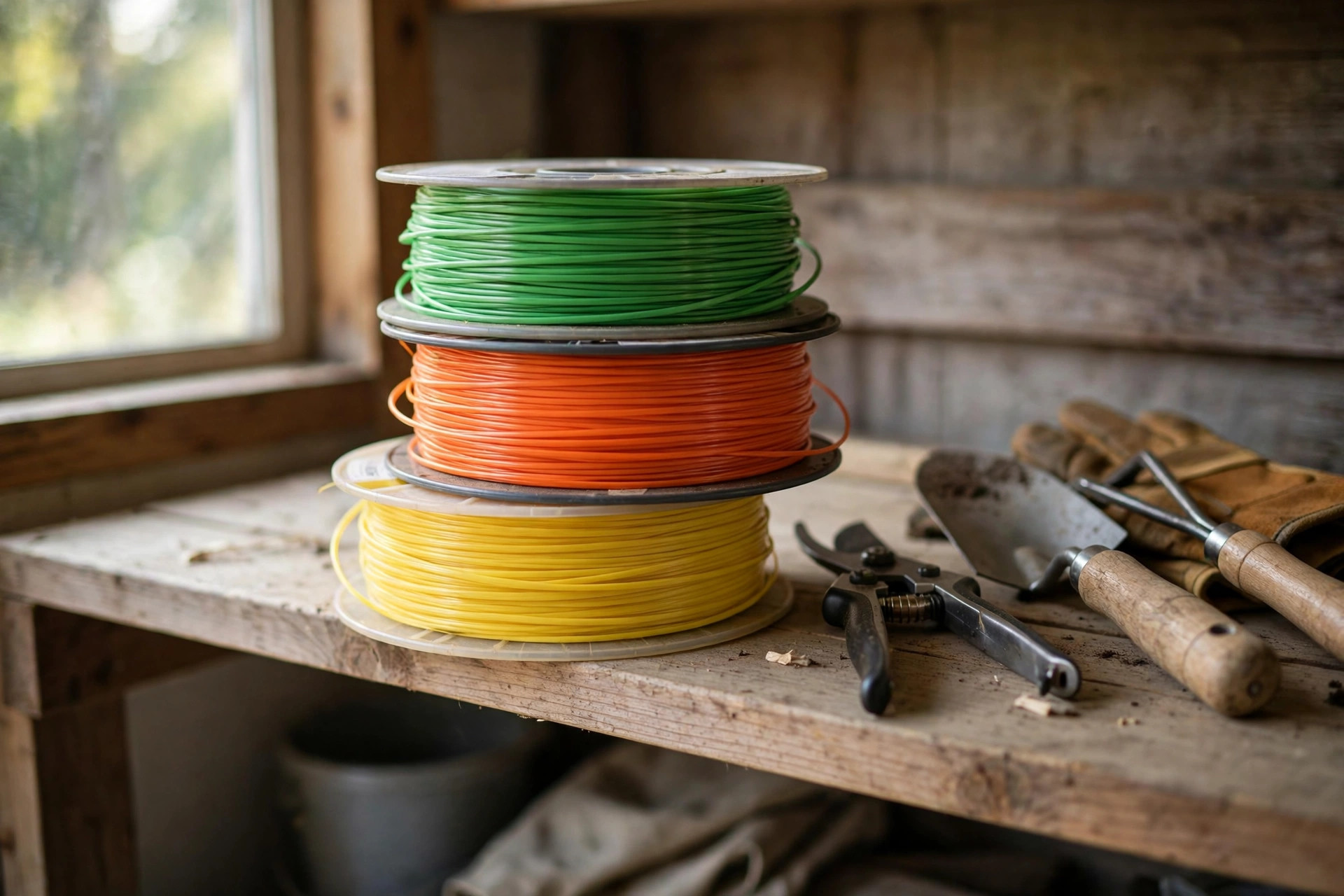
Many owners ask, does string trimmer line go bad? Sunlight, heat swings and poor storage slowly weaken line. Even strong premium line ages under harsh conditions. Old line turns brittle and snaps during use.
Makers once built line mainly for toughness alone. Newer materials cut faster but sometimes age sooner. Unused spools can lose strength during long storage. Cool dark storage helps every spool last longer. Good habits protect both line and machine.
This guide explains each cause of line decay. You will learn storage habits that slow aging. You will also learn clear replacement warning signs. Simple checks keep every trimming job clean, smooth and safe.
Quick answer: Yes, string trimmer line can go bad over time. Sun exposure, temperature swings and poor storage cause decay. Old line grows brittle and cuts less well. Store spools in cool dark places instead. Keep line away from moisture and direct sunlight.
- Does String Trimmer Line Go Bad
- Factors Affecting the Durability of String Trimmer Line
- How to Maximize the Life Span of String Trimmer Line
- Signs That Your Trimmer Line Requires Replacement
- Frequently Asked Questions
- Soaking and Storage Questions
- Grades and Choosing Questions
- Conclusion: Does String Trimmer Line Go Bad
Does String Trimmer Line Go Bad
String trimmer lines can indeed go bad over time. Sunlight exposure, temperature swings and poor storage drive decay. Line in a hot garage turns brittle fast. Brittle line breaks easily and cuts grass poorly.
Material quality shapes how fast line ages outdoors. Cheaper materials tend to deteriorate faster than premium ones. Even premium lines age under sun and air. Poor storage speeds aging for every line type.
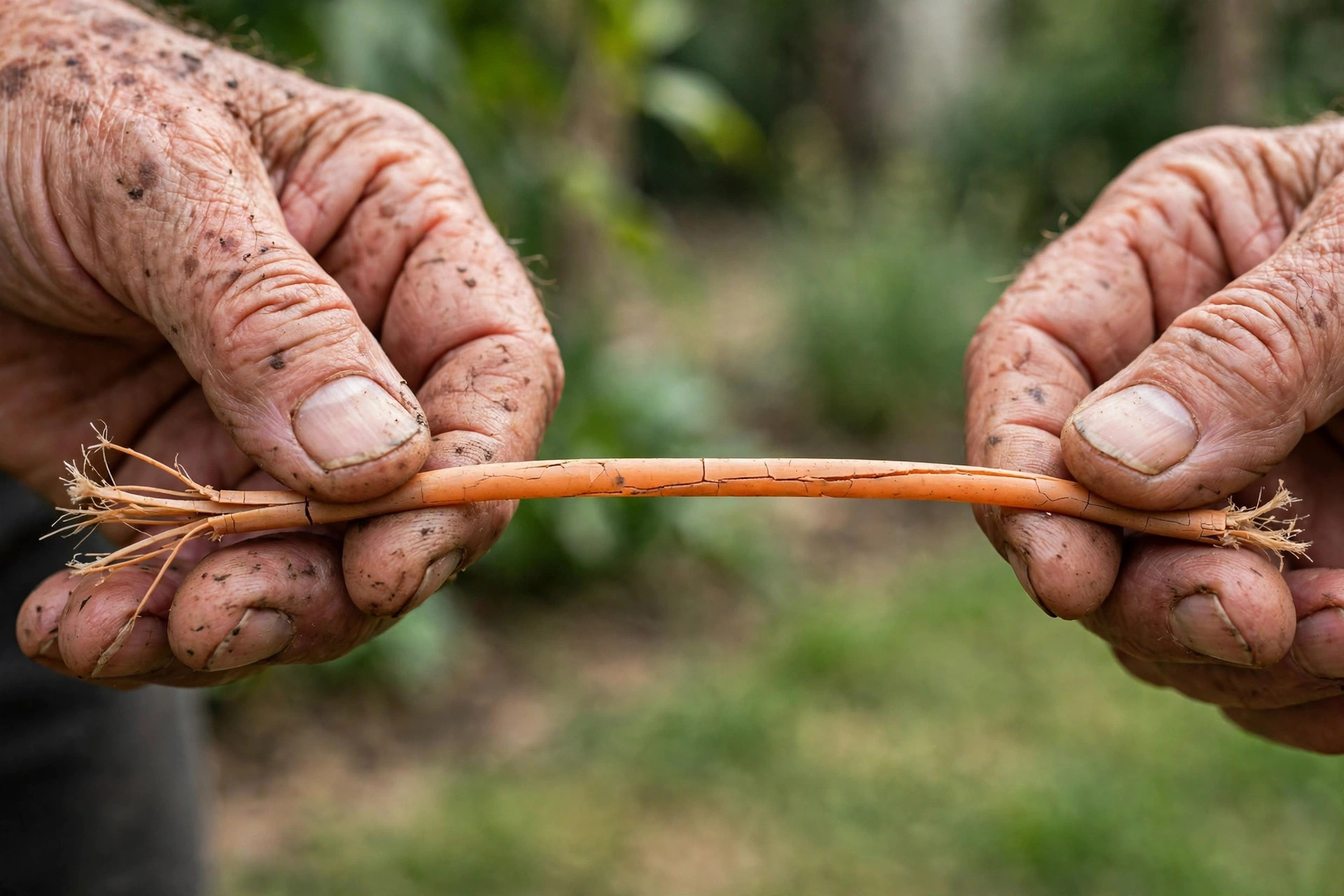
Proper storage slows aging and protects line strength. Keep line in a cool dark place always. Sealed containers block extra moisture and outside air. See how to store a string trimmer for full storage guidance.
| Cause | What Happens | Simple Fix |
|---|---|---|
| Sunlight and UV rays | Line turns brittle and fades | Store spools away from direct sun |
| Heat and cold swings | Line loses flexibility over time | Keep line in steady temperatures |
| Moist air and damp rooms | Line can swell and weaken | Use a sealed dry container |
| Hard use near concrete | Line wears and frays quickly | Trim clear of hard surfaces |
Your eyes can spot line gone bad early. Look for dull faded color, cracks and fraying. Bad line breaks easily and trims less efficiently. Regular checks help you replace line on time.
Factors Affecting the Durability of String Trimmer Line
Sunlight exposure strongly affects how long line lasts. Ultraviolet rays weaken the material and turn it brittle. Weak line breaks often and wears out sooner. Shaded covered storage limits daily sun exposure well.
Temperature swings also drive steady line degradation indoors. Extreme heat or cold steals line flexibility slowly. Stiff line gives a rough, uneven trimming result. Steady room temperatures protect line during storage months. Consistent temperatures matter greatly for lasting durability overall.
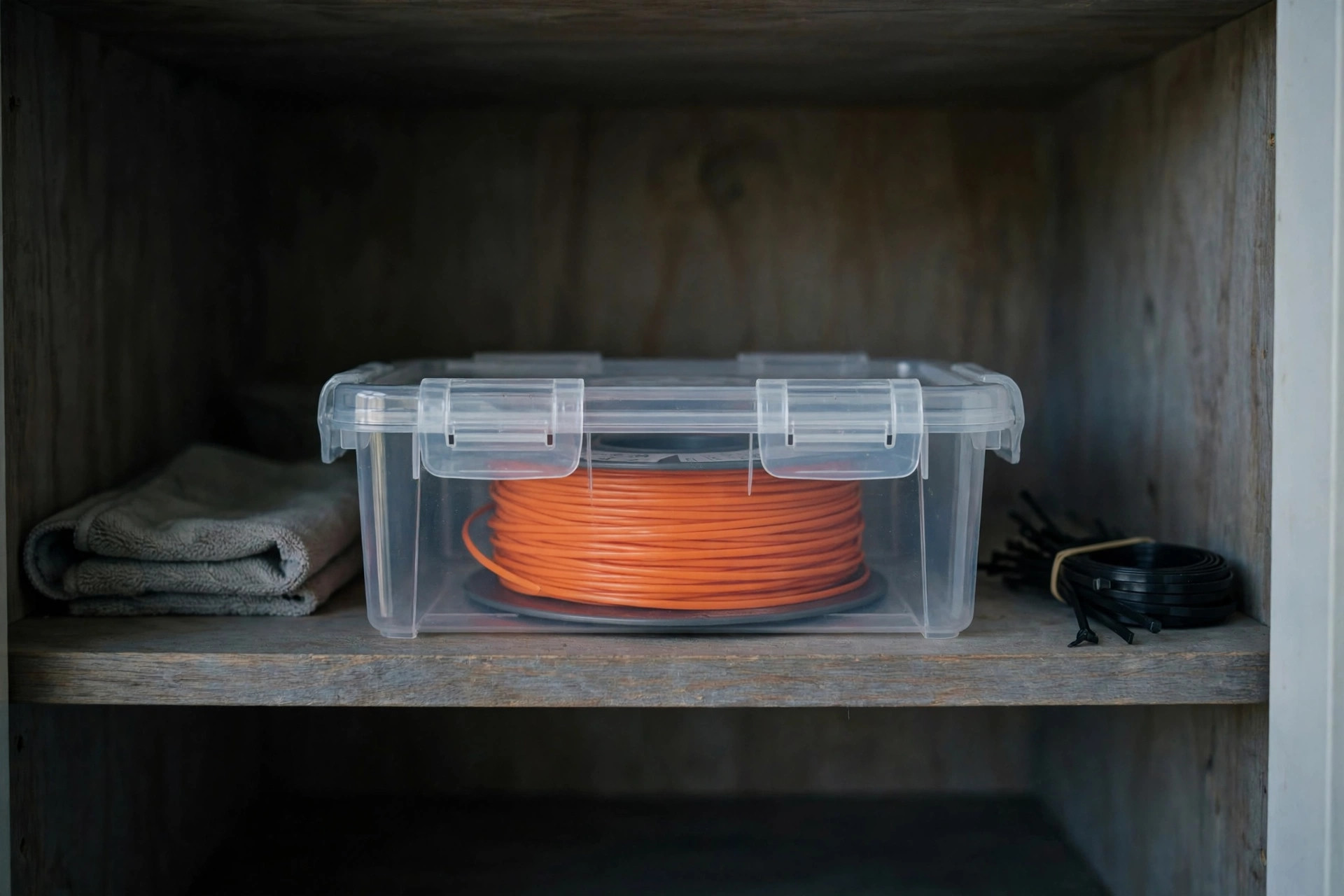
Line quality itself shapes long term durability greatly. High quality durable materials usually last much longer. Strong lines resist sun, heat and damp air. Lower quality lines can deteriorate surprisingly quickly outside. Premium lines often reward buyers with longer service.
Poor storage also shortens line durability at home. Moist storage air can swell and weaken line. Keep line in a dry cool place instead. A sealed container helps protect line integrity daily. Read how long does trimmer line last for typical line lifespan details.
How to Maximize the Life Span of String Trimmer Line
Proper storage comes first for longer line life. Keep line cool, dark and shielded from sunlight. Ultraviolet rays weaken line and make it breakable. Sealed containers further block moisture from stored line. See the EPA lawn and garden page for safer yard care.
Soaking line in water also extends its life. Water keeps the line flexible before each use. Flexible line resists snapping during tough trimming work. Soak line one full day before installing it. Learn why soak trimmer line in water for deeper soaking guidance.
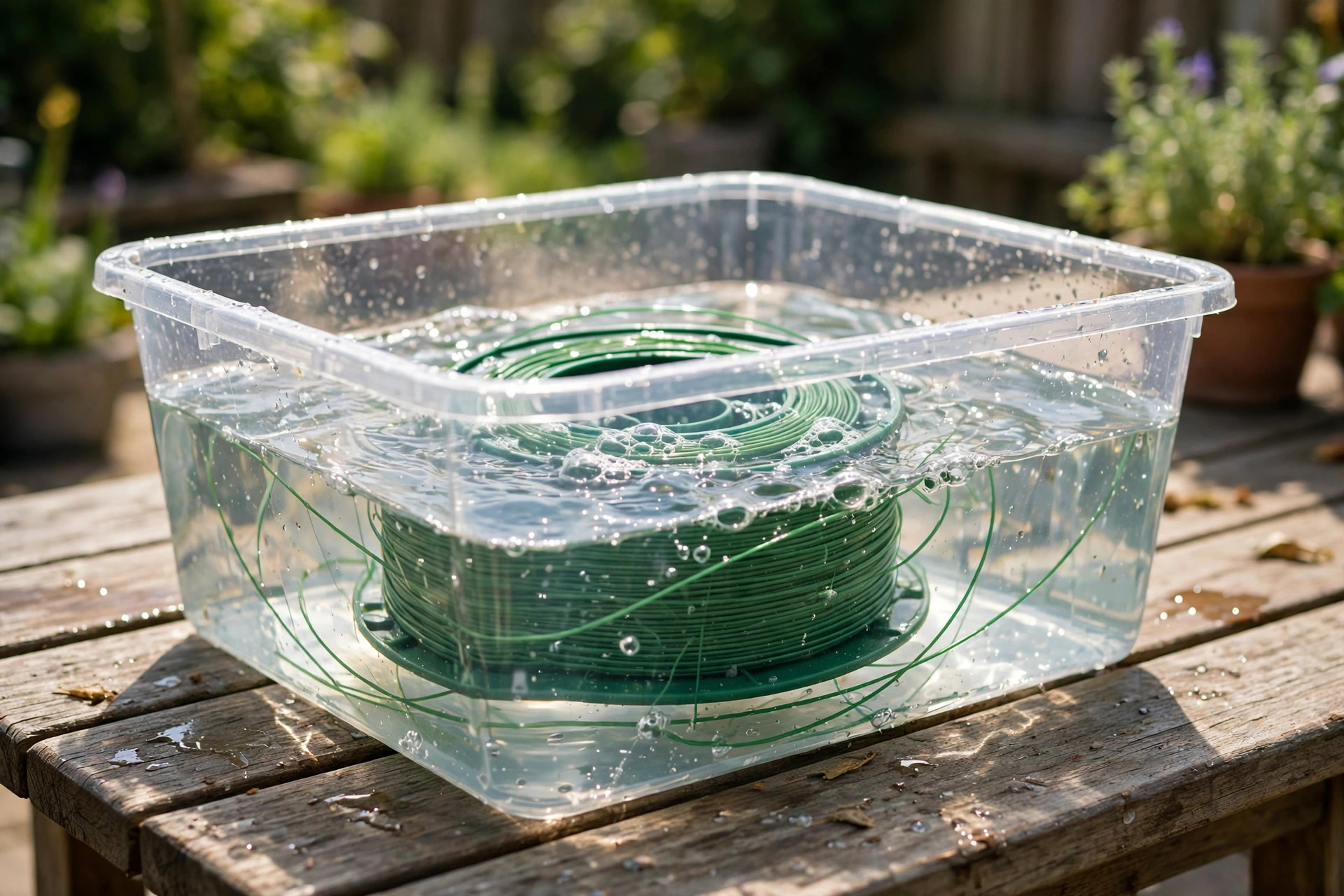
Regular inspection also protects line and trimmer performance. Check for fraying, cracking or fading before use. Replacing damaged sections keeps trimming performance strong daily. Watching these signs prevents sudden breaks mid task. Keep a spare spool ready for quick swaps.
Your trimming technique also affects line longevity daily. Concrete and rocks wear line down very fast. Careful technique reduces strain on the line greatly. Set the head height as makers recommend always. Read how to thread a string trimmer before winding fresh line.
Signs That Your Trimmer Line Requires Replacement
| Sign | What It Means | What To Do |
|---|---|---|
| Line snaps during use | Line turned brittle with age | Replace the line soon |
| Faded or dull color | Sun weakened the material | Plan a fresh spool |
| Cracks, splits or fraying | Surface damage blocks clean cuts | Swap in new line |
| Stiff rigid feel | Line lost its flexibility | Soak or replace it |
| Uneven struggling sound | Worn line strains the trimmer | Inspect then replace line |
Frequent breaking during use signals replacement time clearly. Snapping line has likely turned brittle with age. Brittle line cuts poorly and wastes your effort. Fresh line restores clean and efficient trimming again. Regular checks help you avoid sudden mid-job breaks.
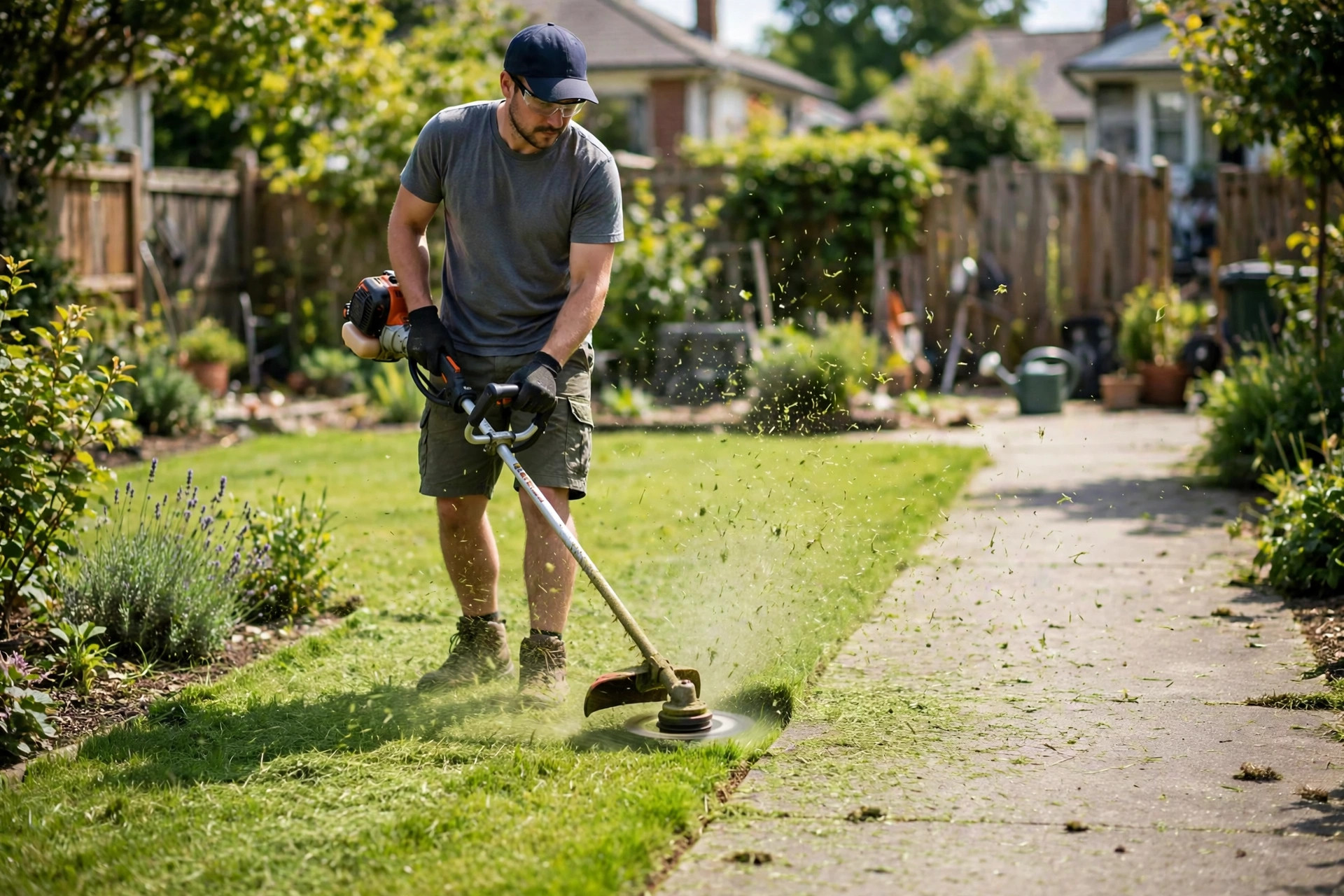
Faded or discolored line also signals aging damage. Sunlight and weather slowly fade stored line outdoors. Faded line usually means weakened material inside it. Cracks or splits give another visible warning sign. Replace line once these warning signs appear together.
Rough trimming often means the line has frayed. Frayed line cannot cut grass and weeds cleanly. It leaves ragged edges across your lawn instead. Your yard looks untidy after every rough pass. Fresh line restores a cleaner cut every time.
Line can look right yet still perform poorly. Poor performance often means lost flexibility over time. Flexible line bends without breaking during trimming work. Stiff rigid line needs prompt replacement at home.
Trimmer sound can also reveal worn line early. Struggling uneven sounds often signal a worn line. Uneven sound can drag down overall trimming performance. New line often solves that sound problem quickly. Learn how to replace trimmer line before your next swap.
Frequently Asked Questions
Care keeps line strong and trimming results steady. People ask common questions about line care often. Read how to choose trimmer line before buying your next spool. The answers below follow this guide’s own advice.
How often should I replace my string trimmer line?
Replacement timing depends on use and conditions outside. Heavy use in harsh conditions wears line faster. Hard daily use can exhaust line after one session.
Light occasional use may need one seasonal replacement. Regular inspections reveal fraying or brittleness early on. Your checks guide each replacement decision at home.
Can I use any type of string trimmer line in my trimmer?
Use only line types your maker recommends always. Not every line fits every trimmer model sold. Wrong line can hurt performance and damage machines.
Check your manual or the maker’s website first. See STIHL USA for official maker guidance online. Following guidance ensures smooth operation and less wear.
Soaking and Storage Questions
Does soaking my string trimmer line in water help it last longer?
Soaking line in water improves flexibility and durability. Flexible line bends instead of breaking during trimming. This step keeps line effective for longer periods.
Soak line one full day before installing it. Explore is trimmer line biodegradable for greener line choices. Water restores bounce that dry storage removes slowly. Gentle care habits protect line between every use.
What is the best way to store a string trimmer line?
Store line somewhere cool and dark at home. Keep spools far from direct sunlight every day. Dark rooms also keep line temperatures steady daily. Ultraviolet rays weaken line and make it brittle.
Airtight containers block moisture absorption during long storage. These steps keep line durable until next use. Cool shade also shields line from daily heat. Dry shade protects line better than garages do.
Grades and Choosing Questions
Are there different grades of string trimmer lines available?
Grades range from basic home lines to commercial. Basic lines stay thinner and suit light work. Thin lines wear faster during heavy yard work.
Commercial lines use thicker and tougher materials daily. Tough lines suit frequent and challenging trimming jobs. Right grade choices prevent waste and weak cuts. Match grade to your yard for best results.
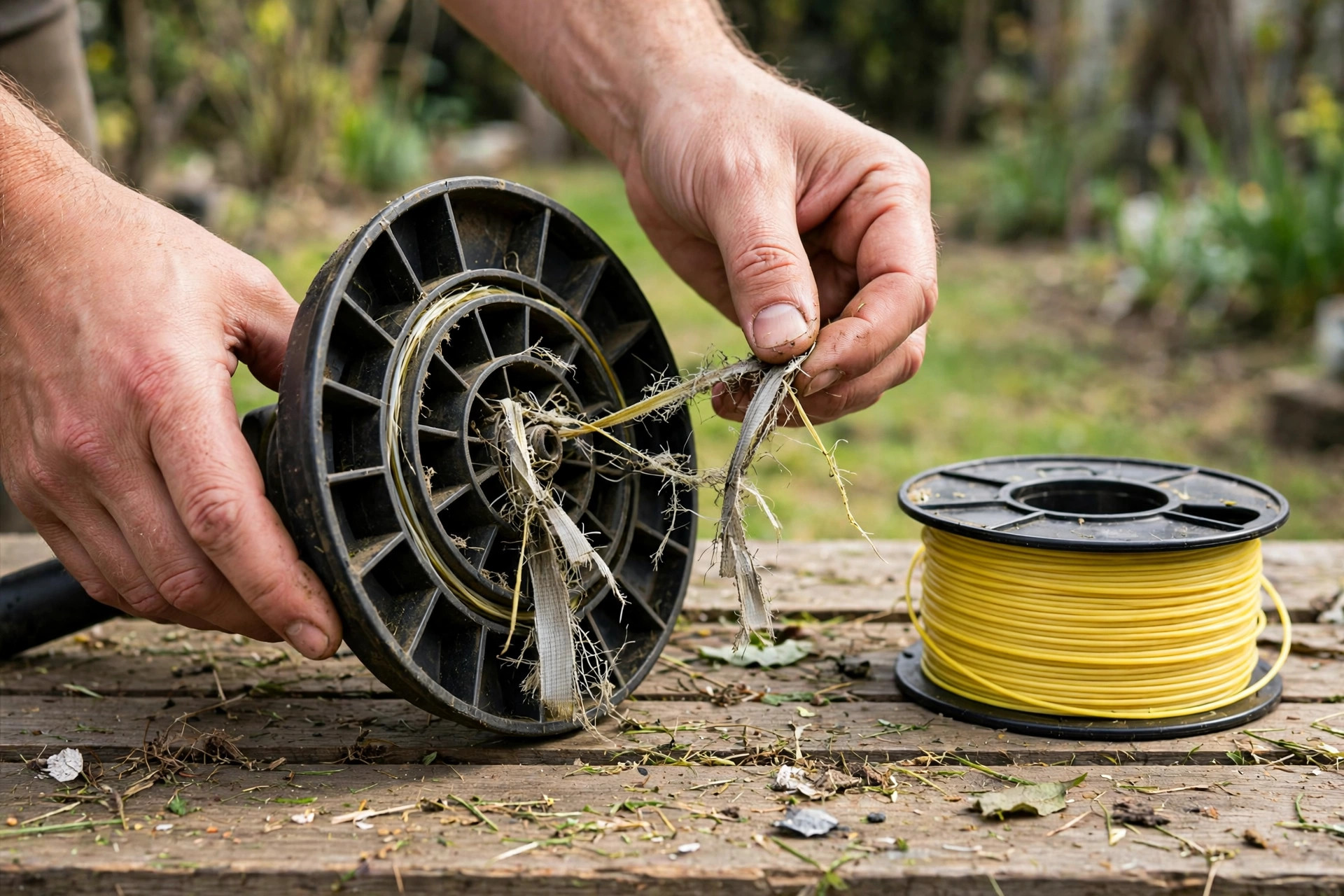
Conclusion: Does String Trimmer Line Go Bad
Caring for your line protects performance and longevity. Proper storage, regular checks and the correct line help. Soaking line in water boosts its durability and effectiveness. Simple habits beat costly early spool replacements always. Each small habit guards the next spool too.
Small daily details keep every trimming session smooth outside. Staying informed extends line life season after season. Good care saves money and tidies your yard. So, does string trimmer line go bad without proper care? Start today with one cool dark shelf.

I’m Patricia D. Johnson, an affiliate marketer and blogger specializing in trimmers and grooming tools. I create honest reviews, buying guides, and practical tips to help readers choose the right trimmer for their needs. With a focus on quality, performance, and value, I simplify the decision-making process so consumers can make confident purchases.