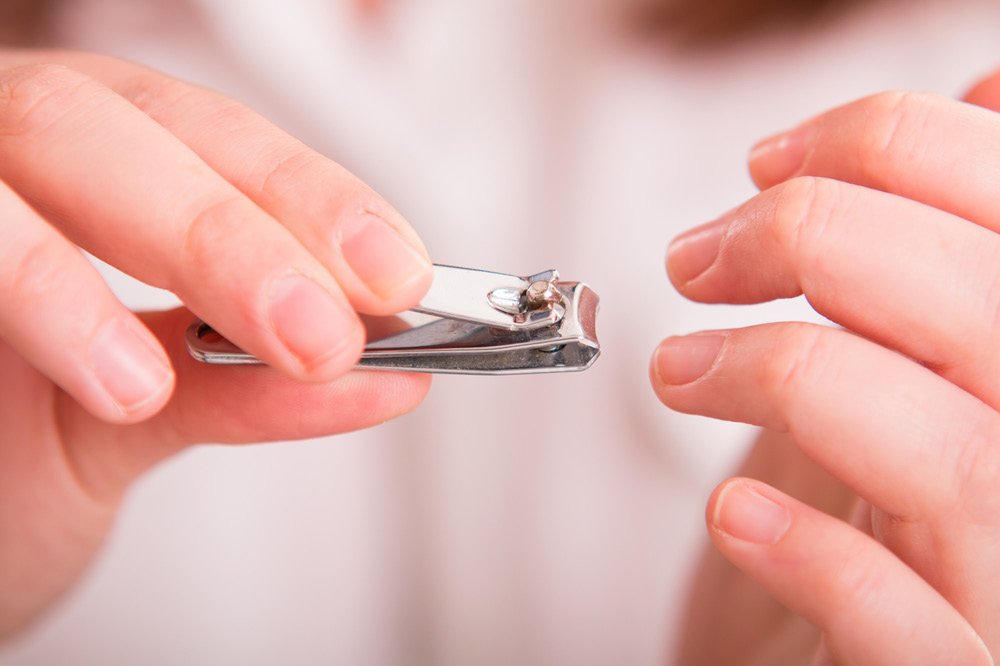
Ever wondered how something as simple as a nail trimmer became an essential part of our daily grooming routine? Throughout history, the evolution from rudimentary cutting tools to the sophisticated nail trimmers we use today is nothing short of fascinating. In fact, the development of the modern nail trimmer revolutionized personal hygiene, offering a quick and effective solution to maintaining nail health.
Using a nail trimmer correctly not only ensures precision but also prevents damage to the nails. Begin by carefully selecting a quality trimmer designed for your specific needs, whether for fingernails or toenails. Regular trimming helps avoid painful nail conditions and maintains overall nail health. When it comes to technique, cutting straight across and avoiding uneven edges goes a long way in promoting nail integrity.
- Choose the right nail trimmer for your specific nail type.
- Soften nails by soaking them in warm water and then dry thoroughly.
- Trim nails straight across to avoid ingrown nails, using smooth, even pressure.
- Smooth rough edges with a nail file, filing in one direction.
- Clean the trimmer with alcohol after each use to prevent infections.
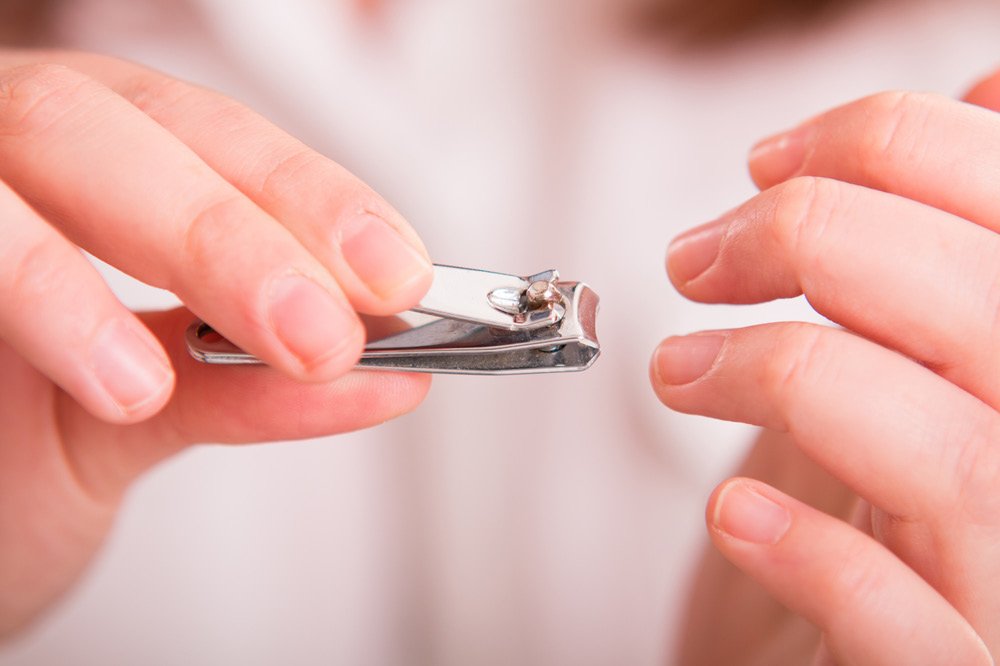
How to Use a Nail Trimmer
Choosing the right nail trimmer is the first step to successful nail care. Make sure to select one that suits your needs, whether for fingernails or toenails. Clean the trimmer with alcohol before each use to prevent infections. If you are trimming a baby’s nails, specific nail trimmers are designed for their delicate nails. According to this post, these tools ensure a safe and comfortable trimming experience.
Before cutting, it’s essential to prepare your nails. Soak them in warm water for a few minutes to soften them. Dry your nails completely to get a clean cut. Doing this minimizes the risk of splitting or cracking. It also makes the trimming process smoother and more efficient.
When trimming, begin by cutting straight across the nail. Avoid cutting too close to the skin to prevent pain or ingrown nails. It’s important to trim little by little, especially for thicker nails. Round off the edges carefully to reduce the chance of snagging. Always use gentle pressure when trimming to maintain control.
Post-trimming care should not be overlooked. Use a nail file to smooth the edges, making them less likely to catch on fabrics. After filing, moisturize your hands and nails to keep them hydrated. Regular cleaning and oiling of the trimmer will prolong its life. For questions about using different types of nail trimmers, here is the article addressing common concerns.
Step 1: Choosing the Right Nail Trimmer
Picking the right nail trimmer can make a huge difference in your nail care routine. Different types of nail trimmers are available for varying needs, including straight edge, curved edge, and electric trimmers. It’s important to know not all trimmers are created equal. If you have thicker nails, a larger and sturdier trimmer might be the best option. According to this expert opinion, using the right tool can prevent unnecessary damage and make the process easier.
Another factor to consider is the material of the trimmer. Stainless steel trimmers are usually more durable and less prone to rust, ensuring longevity. Plastic trimmers, while often cheaper, might not last as long or cut as precisely. Some people prefer electric trimmers for their convenience and precision. It’s wise to evaluate your specific needs before making a choice.
Ergonomics also play a crucial role in choosing a nail trimmer. A comfortable grip can make the trimming process easier and safer. Look for trimmers that offer non-slip handles. This feature is especially important if you’re trimming nails regularly. Comfort during use can prevent accidents and ensure a better trimming experience.
Price can be a deciding factor for many. While it may be tempting to go for the cheapest option, investing in a good quality nail trimmer can pay off in the long run. Higher-end trimmers often provide better performance and durability. Read reviews and compare different brands to make an informed decision. Always consider what features are most important for your specific needs.
Step 2: Preparing Nails for Trimming
Preparing your nails before trimming is a crucial step. Start by washing your hands with warm soapy water. This helps to soften the nails, making them easier to cut. After washing, dry your hands thoroughly. This ensures you get a clean cut without any slipping.
If you have particularly thick or hard nails, consider soaking them longer. Fill a small bowl with warm water and soak your nails for about 5 to 10 minutes. Adding a few drops of essential oil can provide extra benefits for your nails and cuticles. After soaking, dry your hands completely. This step is especially useful for toenails, which tend to be tougher.
Examine your nails closely before trimming. Look for any signs of damage or infection. If you notice any abnormalities, it might be best to consult a healthcare professional before proceeding. Also, make sure your trimming tools are clean and sterilized. This prevents any risk of infection.
Pushing back your cuticles gently can also help in preparing your nails. Use a cuticle stick to carefully push back the cuticles. Avoid cutting the cuticles as this can lead to infections. By preparing your nails properly, you set the stage for an effective and safe trimming session. Remember, taking these steps can make the trimming process much smoother.
Step 3: Proper Trimming Technique
Getting the right trimming technique is essential for maintaining healthy nails. Begin by positioning the trimmer perpendicular to the nail. This ensures a clean, straight cut. Use smooth, even pressure as you trim. Avoid quick, jerky movements that could result in uneven cuts.
Avoid trimming too close to the skin or cutting the nails too short. Cutting too deep can cause pain and even lead to infections. It’s best to leave a small white edge on the nail for comfort and safety. Save the final touches for a nail file. Filing smooths any rough edges and helps prevent accidental snags.
If you have thick or tough nails, consider trimming them in sections. This means making multiple small cuts instead of one large one. Cutting in sections allows for more control and reduces the risk of splitting the nail. It’s especially useful for toenails, which are usually thicker. Take your time to ensure each cut is precise.
Trimming your nails regularly is key to preventing problems like ingrown nails. Set a schedule that works for you, ideally every two to four weeks. This keeps your nails at a manageable length and reduces the likelihood of discomfort. Consistency is crucial to maintaining good nail health. Regular grooming routines make the process easier over time.
Different nails may require slightly different approaches. Fingernails are generally easier and faster to trim compared to toenails. Adjust your technique based on the type of nail you are trimming. Having different tools for each type can also be beneficial. This ensures you’re always using the best tool for the job.
Lastly, be mindful of your environment when trimming. Good lighting and a comfortable setting can make the process more effective. Proper lighting helps you see what you’re doing, reducing the risk of mistakes. A calm, comfortable environment ensures you can focus on the task at hand. Simple steps like these make nail trimming both easy and safe.
Step 4: Finishing Touches
After trimming your nails, it’s important to smooth out any rough edges. Use a nail file to gently round off the corners and edges of your nails. This helps prevent snags and reduces the risk of tears. File in one direction to avoid splitting. Always be gentle to preserve the health of your nails.
Moisturizing your nails and cuticles is a key finishing touch. Apply a hydrating lotion or cuticle oil to keep them nourished. Massaging the moisturizer into your nails and cuticles can improve circulation and nail health. It’s especially beneficial during dry weather. Regular moisturizing keeps your nails flexible and less prone to breaking.
For added protection, consider applying a clear nail strengthener. This can help reinforce your nails and prevent damage. A good quality nail strengthener provides a barrier against everyday wear and tear. Some products also include nutrients to support nail growth. It’s a simple step that can make a big difference.
Maintaining cleanliness is crucial after a nail trimming session. Clean your nail tools with an alcohol wipe to prevent bacterial buildup. Store them in a dry place to avoid rusting. Proper tool maintenance ensures they last longer and remain effective. Clean tools are essential for safe nail care.
Lastly, take a moment to admire your work. Well-trimmed nails not only look good but also feel comfortable. Regularly assessing the condition of your nails helps catch any potential issues early. Stay consistent with your nail care routine for the best results. Happy nails make for happy hands and feet.
Step 5: Nail Trimmer Maintenance
Maintaining your nail trimmer is vital for its longevity and performance. Start by cleaning it after every use. Use a brush to remove any nail debris. After brushing, wipe the trimmer with an alcohol pad to disinfect it. This step helps prevent any bacterial buildup.
Regular lubrication of the trimmer’s joints can keep it working smoothly. Apply a few drops of light machine oil to the hinge. Open and close the trimmer several times to spread the oil evenly. Doing this reduces wear and tear on the moving parts. It ensures that your trimmer cuts efficiently over time.
Sharpening the blades periodically is also important. Dull blades can cause uneven cuts and may damage your nails. If your trimmer has detachable blades, remove and sharpen them using a small, fine-grit sharpening stone. Alternatively, you can take the tool to a professional for sharpening. Keeping the blades sharp provides a clean and precise trim.
Proper storage is another key aspect of maintenance. Store your nail trimmer in a dry place to avoid rust and damage. Consider using a small case or pouch to protect it from dust and moisture. This ensures that your trimmer stays in good condition between uses. Proper storage also makes your nail care routine more organized.
Lastly, inspect your nail trimmer regularly for any signs of wear or damage. Check the blades, hinge, and handles to see if they are still in good shape. If you notice any problems, it may be time to replace the trimmer. Regular inspections help you stay ahead of any issues, ensuring a smooth and safe trimming experience.
Common Mistakes When Using a Nail Trimmer
One of the most common mistakes when using a nail trimmer is cutting nails too short. This can be very painful and may even cause bleeding. Always leave a small white edge to avoid discomfort. Cutting nails too close to the skin may also lead to ingrown nails. It’s better to trim gradually to achieve the desired length.
Using dull trimmers can result in uneven cuts and damage your nails. Dull blades tear rather than cut, leading to jagged edges. Regularly check and replace or sharpen the blades as needed. Investing in a quality nail trimmer pays off over time. Sharp blades ensure clean, precise cuts.
Another common error is neglecting proper hand care before trimming. Dirty or wet hands increase the risk of slippage and infection. Washing and thoroughly drying your hands provide a stable surface for trimming. Failing to prepare your nails adequately makes them more prone to splitting and cracking during cutting.
Ignoring cuticle care is another frequent oversight. Cutting or pushing back cuticles too harshly can cause infections and other issues. Gentle pushing with a soft tool keeps your cuticles healthy without damaging them. Proper cuticle care enhances overall nail appearance and health.
- Avoid ripping hangnails
- Use moisturizing lotion or cuticle oil
- Do not share nail tools
Lastly, skipping post-trimming maintenance leads to long-term problems for both your nails and tools. Not filing rough edges after trimming can result in snags, while failing to clean your trimmers increases bacterial buildup risk. Store your tools properly in a dry place after cleaning them with alcohol wipes.
Consistent maintenance habits extend the life of both your nails and trimming tools.
Health Implications of Incorrect Nail Trimming
Incorrect nail trimming can cause several health issues. One major problem is ingrown nails, which occur when the nail grows into the skin. This condition can be extremely painful and may require medical treatment. In severe cases, ingrown nails can lead to infections. Always trim nails straight across to prevent this.
Another health risk is fungal infections, often resulting from improperly cleaned nail trimmers. Fungi thrive in warm, moist environments, and they can transfer from dirty tools to your nails. Regularly disinfecting your trimmers can help prevent these infections. Using separate tools for hands and feet is also advisable. Proper hygiene minimizes the risk of fungal growth.
Cutting nails too short can also expose the sensitive skin underneath, leading to infections. This can cause redness, swelling, and even pus formation. It’s crucial to leave a small white edge on your nails to protect this area. Overly short nails are more susceptible to injury and bacteria. This practice also makes the trimming process less painful.
Incorrect trimming can also result in nail splitting and cracking, which weakens the nails. Splits can extend into the nail bed, causing significant discomfort. Regularly moisturizing can help maintain nail flexibility. Weak nails are more likely to break during daily activities, causing further problems. To keep nails healthy, always follow recommended trimming guidelines.
Inconsistent trimming schedules can exacerbate nail problems. Irregular trimming can lead to uneven nail growth and potential damage. Stick to a regular trimming routine to keep nails at a manageable length. Consistency helps in maintaining overall nail health. A well-maintained trimming schedule prevents many common issues.
Nail care: Beyond Trimming
Nail care goes beyond just trimming them regularly. Moisturizing your nails and cuticles is vital for keeping them healthy. Use a good-quality hand cream or cuticle oil daily. Moisturizing helps prevent nails from becoming dry and brittle. It also keeps cuticles soft and less likely to crack.
A balanced diet plays a crucial role in nail health. Foods rich in biotin, such as eggs and nuts, can strengthen your nails. Vitamins like B, C, and E also contribute to nail health. Drinking plenty of water helps maintain overall hydration. Proper nutrition ensures your nails receive the necessary nutrients to stay strong.
Avoid using nails as tools to open containers or scratch off labels. Misusing your nails can cause them to break or split. Instead, use appropriate tools for such tasks. By protecting your nails from unnecessary strain, you maintain their integrity. Simple habits like these can make a big difference in nail health.
Regularly cleaning your nails is essential to keep them free of germs and bacteria. Use a soft nail brush to gently scrub under your nails. This step ensures that any dirt or residue is removed. Clean nails not only look better but also are less prone to infections. Good hygiene practices are a cornerstone of nail care.
If you enjoy using nail polish, give your nails a break every now and then. Constant use of nail polish can lead to discoloration and weaken your nails. Allowing your nails to breathe helps them recover. Make sure to use a gentle nail polish remover. Opt for products that are free from harsh chemicals to minimize damage.
Frequently Asked Questions
Discover answers to some of the most common questions related to nail trimming. From selecting the right tools to preventing common issues, find all you need to know here.
1. What type of nail trimmer should I use for thick nails?
If you have thick nails, it’s recommended to use a heavy-duty or larger nail trimmer. These are designed with stronger blades and a wider opening, making it easier to cut through tougher nails without causing damage.
A high-quality stainless steel trimmer can offer better durability and precision. Ensure the trimmer is sharp and has a comfortable grip for easier handling and better control during trimming.
2. How often should I trim my nails?
The frequency of trimming your nails depends on how fast your nails grow. Generally, trimming every two weeks keeps your nails at a healthy length and prevents them from getting too long or breaking.
Some people may need to trim more or less frequently based on their activities and nail growth rate. Regular inspection of your nails helps in determining the best trimming schedule for you.
3. Can children use adult nail trimmers?
Children’s nails are usually softer and more delicate than adults’, so using an adult nail trimmer may not be safe or effective. Specially designed children’s nail trimmers provide safer, gentler cuts appropriate for their small fingers.
If you’re unsure about which type of trimmer to get, look for ones labeled specifically for kids or ask a pediatrician for recommendations. Always supervise young children during nail trimming sessions.
4. Are electric nail trimmers better than manual ones?
Electric nail trimmers offer convenience with automatic cutting features that reduce manual effort. They are especially useful if you have limited hand strength or dexterity issues, providing an even cut with minimal physical input.
However, they might be more expensive than manual options and require regular recharging or battery replacements. Manual trimmers give more control but may take longer to achieve the same results as their electric counterparts.
5. What should I do if I accidentally cut my skin while trimming my nails?
If you cut your skin while trimming your nails, first wash the area with soap and water to reduce infection risk. Apply an antiseptic ointment and cover it with a bandage until it heals completely.
If bleeding persists or the cut shows signs of infection like redness, swelling, or pus, consult a healthcare professional immediately for further treatment advice. Being cautious during trimming can help prevent such accidents in the future.
Conclusion
Mastering the art of nail trimming involves careful steps and the right tools. By following proper techniques, you can ensure healthy and well-maintained nails. Regular nail care not only enhances appearance but also prevents various health issues.
From choosing the right trimmer to understanding common mistakes, attention to detail is key. Consistent care keeps your nails strong and appealing. Always prioritize hygiene and precision for the best results in your nail care routine.

I’m Patricia D. Johnson, an affiliate marketer and blogger specializing in trimmers and grooming tools. I create honest reviews, buying guides, and practical tips to help readers choose the right trimmer for their needs. With a focus on quality, performance, and value, I simplify the decision-making process so consumers can make confident purchases.