Can We Use Trimmer for Private Parts? A Careful Guide
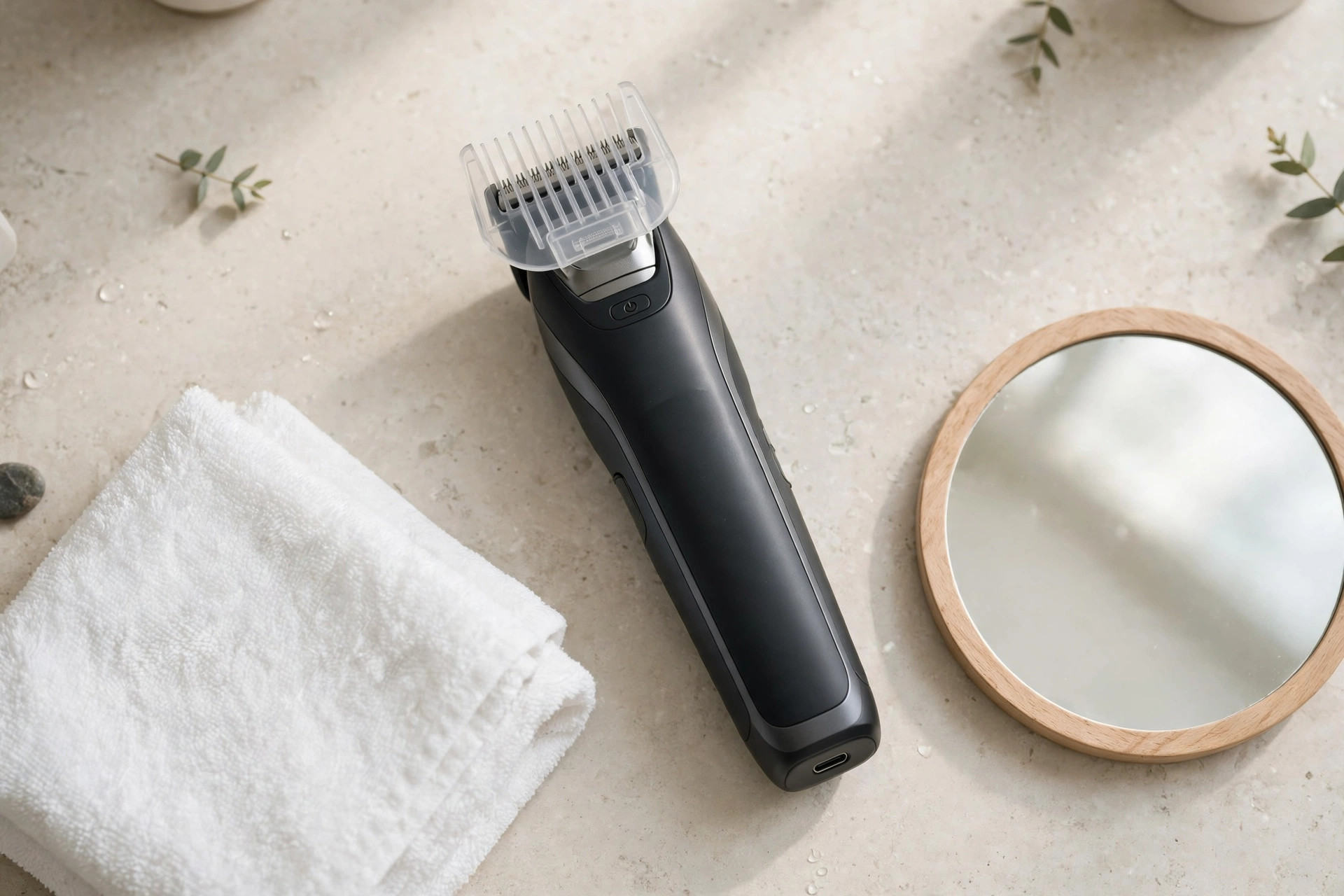
Many adults ask one careful question before grooming. Can we use trimmer for private parts safely at home? Many people trim the bikini and groin area regularly. They choose trimming for comfort, hygiene, and personal preference.
The skin in this area stays thin and sensitive. Folds, bumps, and loose skin catch blades very easily. A rushed pass can nick skin or leave redness behind. Careful habits make a real difference for most people.
This guide explains guards, slow technique, and cleaning basics. It also covers aftercare and clear warning signs afterwards. General guidance from the American Academy of Dermatology supports gentle hair care daily. Nothing here replaces personal advice from a doctor.
Quick answer: Yes, many people use a clean trimmer there carefully. A guard, slow strokes, and light pressure protect sensitive skin. Trim dry skin, or follow your maker’s directions exactly. Never share the tool, and clean it thoroughly afterwards. See a doctor for cuts, spreading redness, or pain.
Health note: This article shares general grooming and skin information only. It cannot diagnose any skin problem or replace medical advice. Please see a doctor for cuts that never heal properly. A professional can examine persistent problems in person safely.
- Can We Use Trimmer for Private Parts Safely?
- Why a Guard Matters on Sensitive Skin
- How to Trim This Area, Step by Step
- What Risks Come With Trimming Delicate Skin?
- How Should You Clean the Trimmer Afterwards?
- Can We Use Trimmer for Private Parts During Pregnancy?
- How Should You Care for Skin After Trimming?
- Frequently Asked Questions
- Conclusion
Can We Use Trimmer for Private Parts Safely?
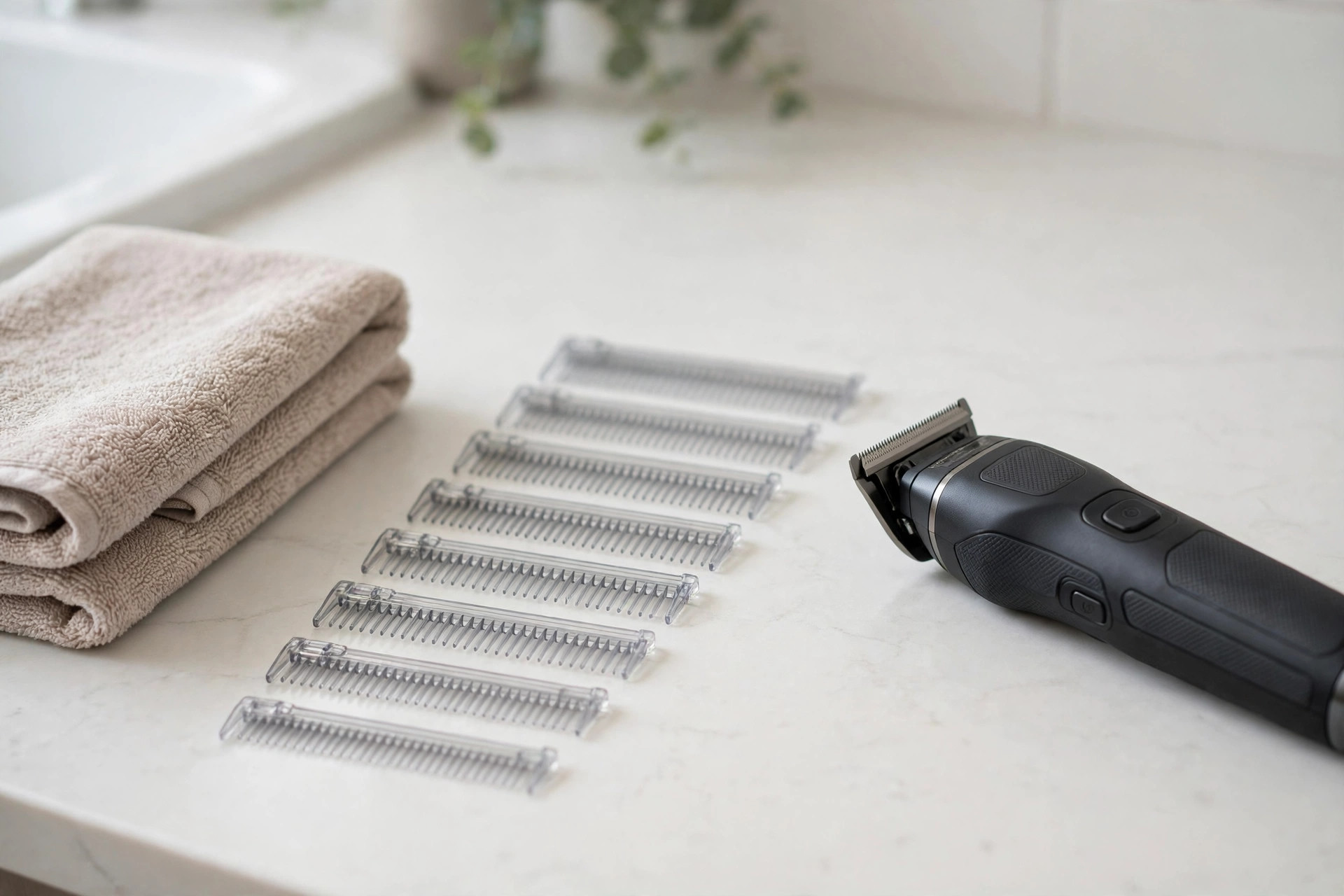
Many people trim this area without any serious problems. The trimmer cuts hair above the skin surface level. Its guard holds blades slightly away from skin directly. That small gap lowers the chance of nicks greatly.
Some people find trimming gentler than using a razor. A razor can leave burn, bumps, or sharp stubble behind. Trimming leaves short, soft hair instead of bare skin. Our guide on trimming pubic hair with an electric trimmer compares both tools.
Why a Guard Matters on Sensitive Skin
A guard comb controls how much hair stays behind. Longer guards leave more length and need fewer passes. Shorter guards cut closer and demand slower, careful strokes. Start with a longer guard setting first each time.
| Guard Setting | Hair Length Left | Simple Advice |
|---|---|---|
| Long guard | Longer, neat and even | Good choice for a first pass |
| Medium guard | Shorter, tidy finish | Work slowly over every fold |
| Short guard | Very short, close result | Use light pressure and patience |
| No guard | Closest possible cut | Highest nick risk on folds |
Pressing through folds can scrape skin and cause soreness. Our guide asks whether a trimmer can damage skin in daily use. Another guide explains whether a trimmer is good for skin overall. Both guides share the same gentle, guard-first approach here.
How to Trim This Area, Step by Step
Wash your hands and the skin with mild soap. Pat the area dry with a clean, soft towel. Most people trim dry skin for a clearer view. Good light and a mirror improve control and safety.

Comb longer hair gently before the first trimming pass. Hold the skin smooth and flat with one hand. Move the trimmer slowly in short, controlled strokes throughout. Stop often and check your progress in the mirror.
Never rush around folds, scars, moles, or raised bumps. Skip any spot with cuts, sores, or active irritation today. A second short session beats one long, rushed session. Comfort matters more than a perfectly close result always.
What Risks Come With Trimming Delicate Skin?
Even careful trimming carries some small, real risks here. The skin folds easily, and blades can catch quickly. Dirty tools can carry germs onto tiny skin openings. Sharing tools passes germs between people very easily too.
| Risk | Why It Happens | Simple Response |
|---|---|---|
| Small nick | Rushed pass over a fold | Clean the spot and rest skin |
| Redness | Friction or repeated passes | Cool water and gentle moisturizer |
| Ingrown hair | Hair curling back into skin | Rest the area, avoid squeezing |
| Germs | Dirty or shared tool | Clean the tool, never share |
Watch for spreading redness, swelling, warmth, or increasing pain. Those signs can point toward infection needing medical care. MedlinePlus explains basic hair removal safety for general readers. See a doctor promptly when these signs appear together.
Some readers worry that trimmed hair changes skin color. Trimming cuts hair above the surface, not pigment below. Our guide on whether a trimmer can darken skin explains the details. Short regrowth can simply look darker at first glance.
How Should You Clean the Trimmer Afterwards?
Clean the trimmer before and after every single use. Brush loose hairs away from the blade teeth gently. Follow the maker’s cleaning directions for your exact model. Some heads rinse under water, while others never should.
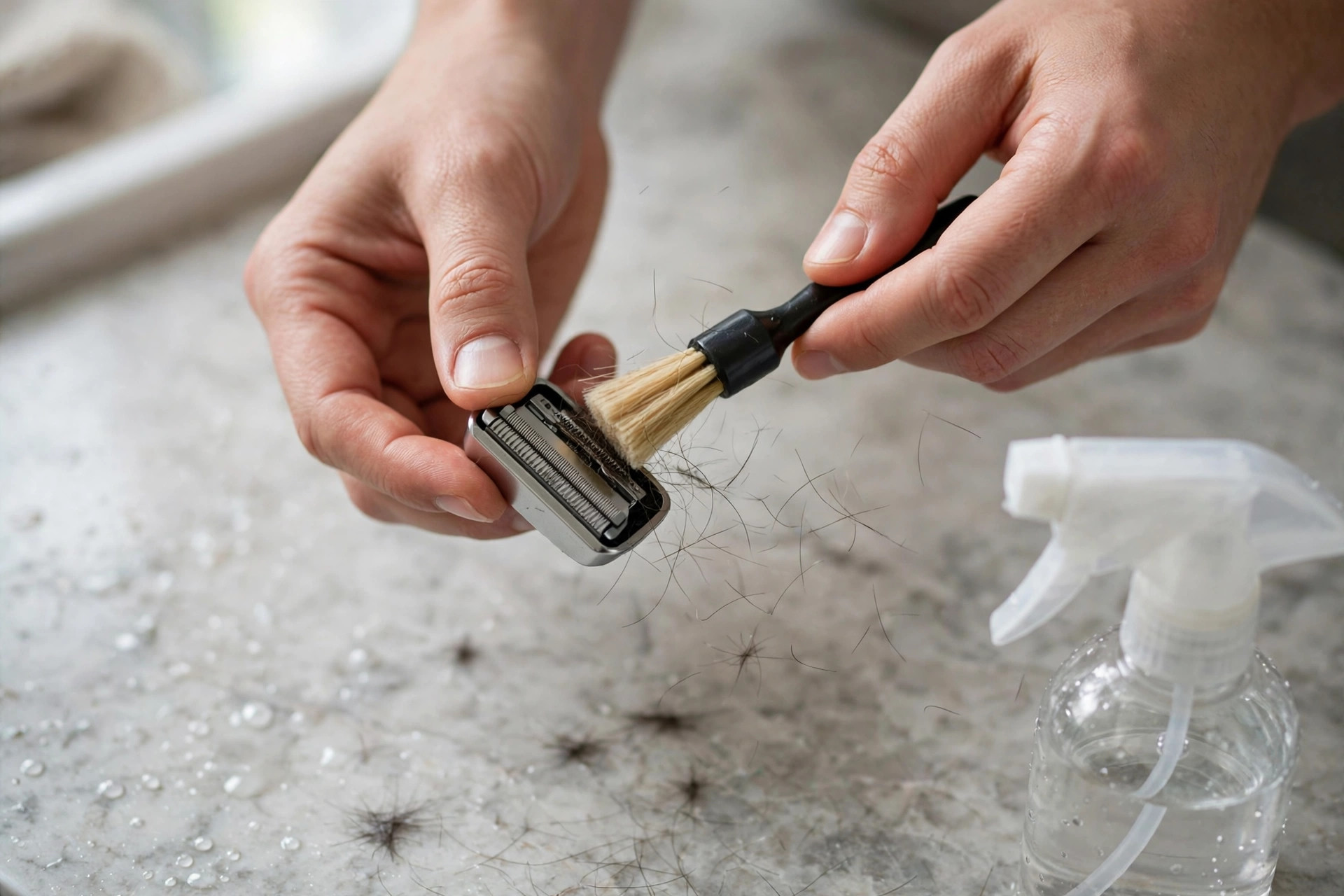
Dry every part fully before storing the trimmer away. Store it in a clean, dry place between uses. Our guide on how to clean a bikini trimmer covers each step. Never share this personal tool with anyone else ever.
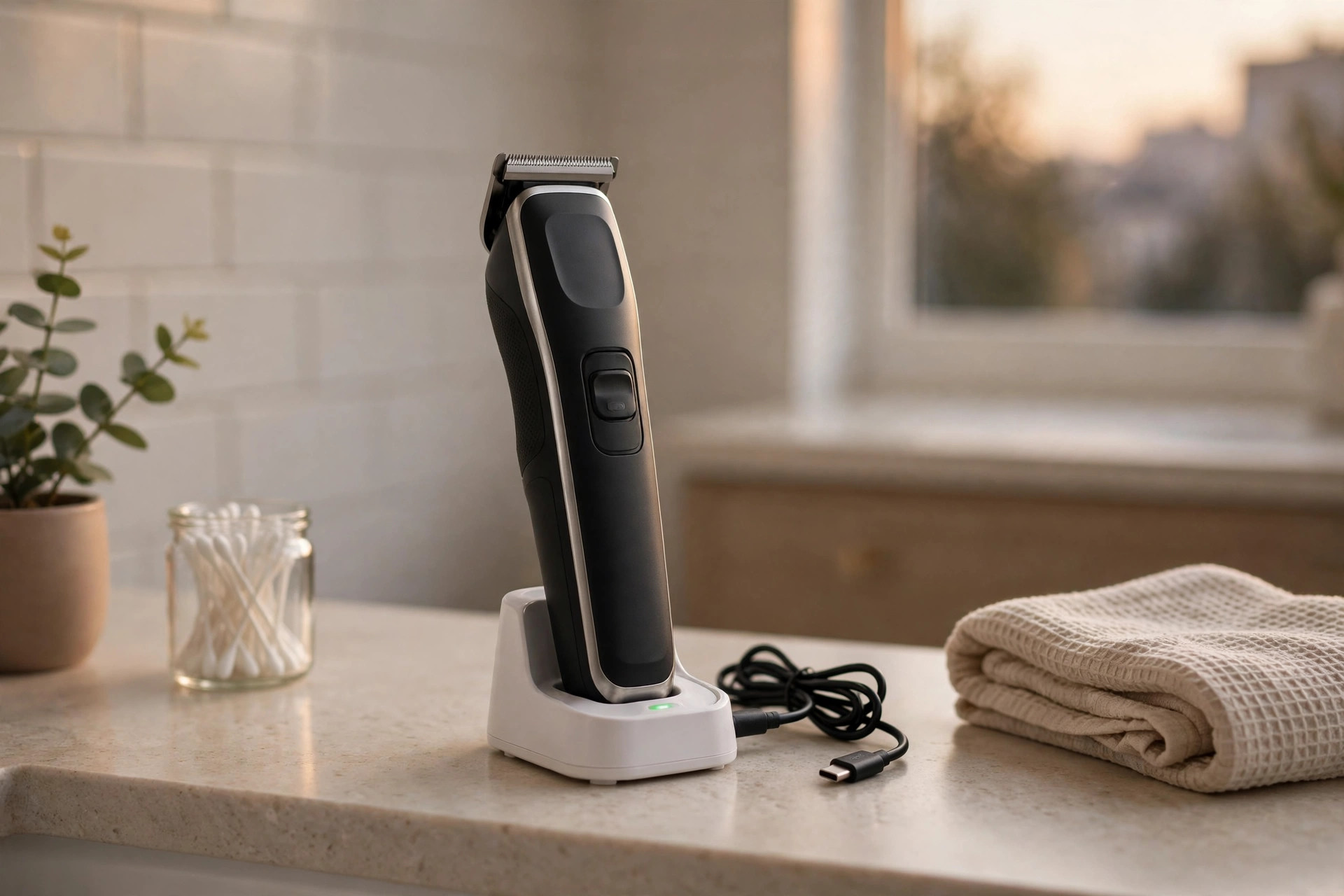
Dull blades tug hair instead of cutting it cleanly. Tugging raises redness and small nicks on delicate skin. Replace worn heads when the maker recommends a change. A sharp, clean head always feels gentler during use.
Can We Use Trimmer for Private Parts During Pregnancy?
Pregnancy can make skin more sensitive and reactive overall. A growing belly also makes this area harder to see. Many pregnant readers choose trimming over close shaving instead. A mirror and seated position can improve control greatly.
Our guide on using a trimmer to remove pubic hair during pregnancy goes deeper. It covers comfort, positioning, and extra care steps there. Waist trimmer belts raise very different questions during pregnancy. Our waist trimmer while pregnant guide explains those safety concerns.
Ask your doctor before grooming near broken or irritated skin. Also ask first when you take regular medicines daily. Personal medical advice always beats general online guidance here. Stop trimming whenever you feel dizzy, sore, or uncomfortable.
How Should You Care for Skin After Trimming?
Rinse the area gently with lukewarm water after trimming. Pat dry with a soft towel, never rub hard. Apply a plain, unscented moisturizer if skin feels dry. Skip strong scents and alcohol products on fresh skin.
Wear loose, breathable underwear for a few hours afterwards. Tight fabric can rub freshly trimmed skin quite quickly. Avoid heavy exercise and swimming right after trimming today. Give sore skin a full rest before trimming again.
Frequently Asked Questions
Is it safe to use a trimmer on private parts?
Many people do this safely with care and patience. A guard, clean blades, and slow strokes lower risks. Sensitive skin still deserves extra caution and gentle pressure. Stop whenever skin feels sore, hot, or irritated afterwards.
Should I trim dry or wet skin?
Many makers design body trimmers for dry use only. Others allow use on damp skin or in showers. Your model’s manual gives the safest answer for it. Never guess when the directions stay unclear about water.
Can I share my trimmer with my partner?
Sharing is never a good idea for this area. Tools can carry germs between people through tiny openings. Each person should keep a separate, personal trimmer always. Clean your own tool before and after every use.
What should I do after a small nick?
Press a clean cloth gently against the small nick. Rinse the spot once the bleeding slows or stops. Keep the area clean and dry while it heals. See a doctor when bleeding continues or redness spreads.
How often should I trim this area?
There is no single schedule that suits every person. Many people trim when regrowth starts feeling uncomfortable again. Waiting longer between sessions often suits sensitive skin better. Your comfort and skin reaction should set the pace.
Conclusion
So, can we use trimmer for private parts at home safely? For many people, yes, with care and clean tools. A guard, slow strokes, and patience protect sensitive skin. This area simply rewards patience more than speed always.
Clean the tool before and after every session always. Never share it, and rest skin after any irritation. Watch for spreading redness, swelling, pain, or slow healing. A doctor should check those warning signs in person. Gentle habits keep personal grooming comfortable, calm, and simple.
