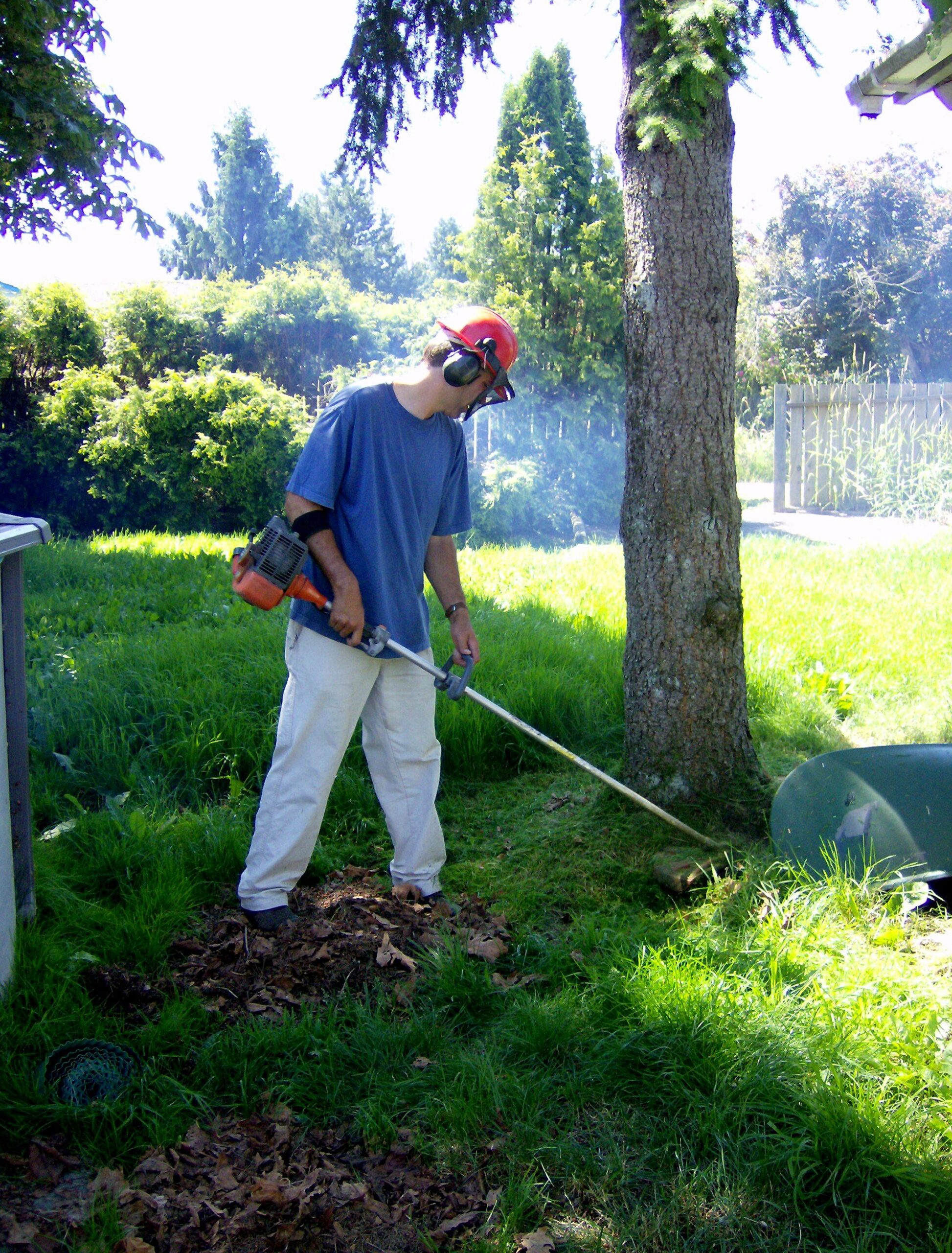
When it comes to stringing a weed trimmer, I’ve got you covered. Here’s a step-by-step guide:
- Start by removing the trimmer head cover.
- Familiarize yourself with the direction of the string rotation.
- Cut a length of trimmer line that matches your trimmer’s specifications.
- Insert one end of the trimmer line into the anchor hole in the trimmer head.
- Wind the trimmer line tightly and evenly in the direction of the arrow on the trimmer head.
- Leave enough line hanging to reach the length you desire.
- Finally, reinstall the trimmer head cover and you’re good to go!
Follow these steps, and you’ll have your weed trimmer strung up and ready to tackle any overgrown yard in no time!
As a professional in the landscaping industry, I’ve learned a thing or two about the art of weed trimming. Did you know that properly stringing a weed trimmer can significantly enhance its performance and durability? It’s a crucial step that often gets overlooked, but with the right technique, you can ensure a clean and efficient trimming experience.
When it comes to stringing a weed trimmer, there are a few key steps you should follow. First, make sure to select the right type and thickness of trimmer line for your specific trimmer. Choosing the wrong size can lead to subpar results and potential damage to your equipment. Next, carefully remove the trimmer head and clean out any debris or old string. This ensures smooth operation and prevents any tangling issues. Finally, carefully thread the new trimmer line through the designated holes or eyelets on the trimmer head, following the manufacturer’s instructions. With a well-strung weed trimmer, you’ll be able to tackle even the toughest of weeds with ease.

Understanding the Importance of Stringing a Weed Trimmer
Stringing a weed trimmer is an essential task for maintaining the efficiency and effectiveness of this powerful tool. Whether you are a professional landscaper or a homeowner, knowing how to properly string a weed trimmer can save you time and frustration. The string or line on a weed trimmer serves as the cutting tool, so it needs to be properly installed and replaced when worn out. In this step-by-step guide, I will walk you through the process of stringing a weed trimmer, ensuring that you can achieve clean and precise cuts every time you use this tool. Let’s get started!
Step 1: Selecting the Right Trimmer Line
The first step in stringing a weed trimmer is selecting the right trimmer line. The trimmer line comes in different shapes, sizes, and materials, and choosing the right one for your specific trimmer is crucial for optimal performance. You’ll want to check the manufacturer’s recommendations for the specific line type and diameter that is recommended for your trimmer model. Typically, trimmer lines are made of nylon and come in round, square, or twisted shapes. The shape, diameter, and material of the trimmer line will affect its cutting performance and durability.
Once you have determined the appropriate line type for your trimmer, you can purchase it from a local hardware store or online. It is wise to have a spare spool of trimmer line on hand so that you can quickly replace it when needed during a trimming session. Now that you have the right trimmer line, let’s move on to the next step.
Step 2: Preparing the Weed Trimmer
Before you begin stringing your weed trimmer, it is important to take some preparatory steps to ensure a smooth process. Start by disconnecting the spark plug wire and removing any remaining string from the trimmer head. This will prevent any accidental startup and keep you safe during the stringing process.
Next, remove the trimmer head from the weed trimmer. This is typically done by unscrewing the head or pressing a release button, depending on the model. Once the trimmer head is detached, clean it thoroughly to remove any debris or dirt that could affect its performance.
Inspect the trimmer head to ensure that all parts are in good condition. Look for any signs of damage or wear, such as cracks or worn-out spool holders. If any parts are damaged, it is recommended to replace them before proceeding with stringing the weed trimmer. Now that the trimmer is prepped and ready, let’s move on to the next step.
Step 3: Loading the Trimmer Line onto the Spool
Now that you have the right trimmer line and your weed trimmer is prepared, it’s time to load the line onto the spool. Start by cutting a length of trimmer line that is appropriate for your trimmer’s head size. The packaging of the trimmer line should have guidelines on the recommended length to use.
Before inserting the line into the spool, check the spool for any arrows or directional indicators. These markings indicate the direction in which the line should be wound onto the spool. Follow the directions to ensure that the line is loaded correctly. In most cases, the line will need to be wound counterclockwise.
Start by inserting one end of the trimmer line into the anchor hole or slot on the spool. Secure the line by winding it a few times in the direction indicated by the arrows. Make sure the line is held securely in place.
Next, carefully wind the trimmer line onto the spool in neat and even rows. Take your time to avoid any tangling or overlapping of the line. Leave a small length of line unwound so that it can extend from the trimmer head during operation. This extra line will be used to cut grass or weeds.
Step 4: Installing the Trimmer Line Spool
With the trimmer line properly wound onto the spool, it’s time to install the spool back into the trimmer head. Align the spool with the spool holders in the trimmer head and press it firmly until it clicks into place. Ensure that the spool is securely attached to the trimmer head.
Once the spool is installed, pull the trimmer line through the trimmer head’s eyelets or guide holes. This will ensure that the line is properly positioned and ready for use. Make sure the line is not tangled or obstructed in any way.
Tighten any screws or caps that were loosened during the removal of the trimmer head. This will ensure that everything is securely in place and ready for operation. Now that the spool is successfully installed, let’s move on to the final step.
Step 5: Testing and Adjusting the Trimmer Line
Before you begin trimming, it’s important to test the trimmer line and make any necessary adjustments. Reconnect the spark plug wire and start the weed trimmer. Allow it to run for a few minutes to ensure that the trimmer line is feeding out properly and without any issues.
If you notice any problems, such as the line not feeding or breaking too easily, you may need to adjust the tension of the line. Consult your trimmer’s manual for instructions on how to adjust the line tension properly. It is also a good idea to trim in short bursts initially to ensure that the line is functioning correctly and cutting effectively.
Once you are satisfied with the performance of your newly installed trimmer line, you are ready to tackle any trimming or edging tasks with confidence. Remember to periodically check the trimmer line during use to ensure it doesn’t wear out or become too short. Replace the trimmer line as needed to maintain optimal cutting performance.
Now that you understand the step-by-step process of stringing a weed trimmer, you can keep this essential tool in top shape and achieve professional-looking results in your landscaping projects. Remember to prioritize safety throughout the process and consult your trimmer’s manual for any specific instructions or recommendations. Happy trimming!
How to Change the Line | Weed Eater String | Replace Weed Wacker [2021]
Frequently Asked Questions
In this section, I will answer some commonly asked questions about how to string a weed trimmer.
How do I replace the trimmer line on my weed trimmer?
To replace the trimmer line on your weed trimmer, follow these steps:
- Step 1: Turn off the trimmer and disconnect it from the power source for safety.
- Step 2: Locate the trimmer head. Depending on your model, it may have a cap or cover that needs to be removed.
- Step 3: Carefully remove any remaining pieces of the old trimmer line.
- Step 4: Measure and cut a new length of trimmer line that is suitable for your trimmer head.
- Step 5: Insert one end of the trimmer line into the hole or anchor point on the trimmer head.
- Step 6: Wind the trimmer line tightly and evenly around the trimmer head, following the directional arrows if applicable.
- Step 7: Secure the loose end of the trimmer line in the designated slots or notches on the trimmer head.
- Step 8: Replace the cap or cover on the trimmer head.
How often should I replace the trimmer line on my weed trimmer?
The frequency of replacing the trimmer line depends on how often you use your weed trimmer and the type of vegetation you are cutting. As a general rule of thumb, it is recommended to replace the trimmer line when it becomes worn or breaks easily.
If you are regularly trimming thick and dense vegetation, you may need to replace the trimmer line more frequently. It’s also a good idea to inspect the trimmer line before each use and replace it if it shows signs of wear or damage.
Keep in mind that using a worn or damaged trimmer line can result in less efficient cutting and can strain the motor of the trimmer.
Can I use any type of trimmer line for my weed trimmer?
No, it is important to use the appropriate type and size of trimmer line for your specific weed trimmer. Consult the user manual or manufacturer’s instructions to determine the recommended trimmer line specifications.
Using the wrong type or size of trimmer line may result in poor performance, increased wear and tear on the trimmer, and potential safety hazards.
There are different types of trimmer line available, such as round line, square line, and twisted line. Each type has its own advantages and is designed for specific cutting conditions. Choose the trimmer line that is most suitable for your trimming needs.
How can I prevent the trimmer line from breaking frequently?
To reduce the likelihood of the trimmer line breaking frequently, you can follow these tips:
1. Use the recommended type and size of trimmer line for your weed trimmer.
2. Avoid trimming too close to hard surfaces (e.g., concrete, stones) that can cause excessive wear on the trimmer line.
3. Cut with the tip of the trimmer line rather than using excessive force, which can increase strain on the line.
4. Avoid hitting objects such as rocks or tree roots, which can cause the trimmer line to break.
5. Regularly inspect the trimmer line for signs of wear or damage and replace it as needed.