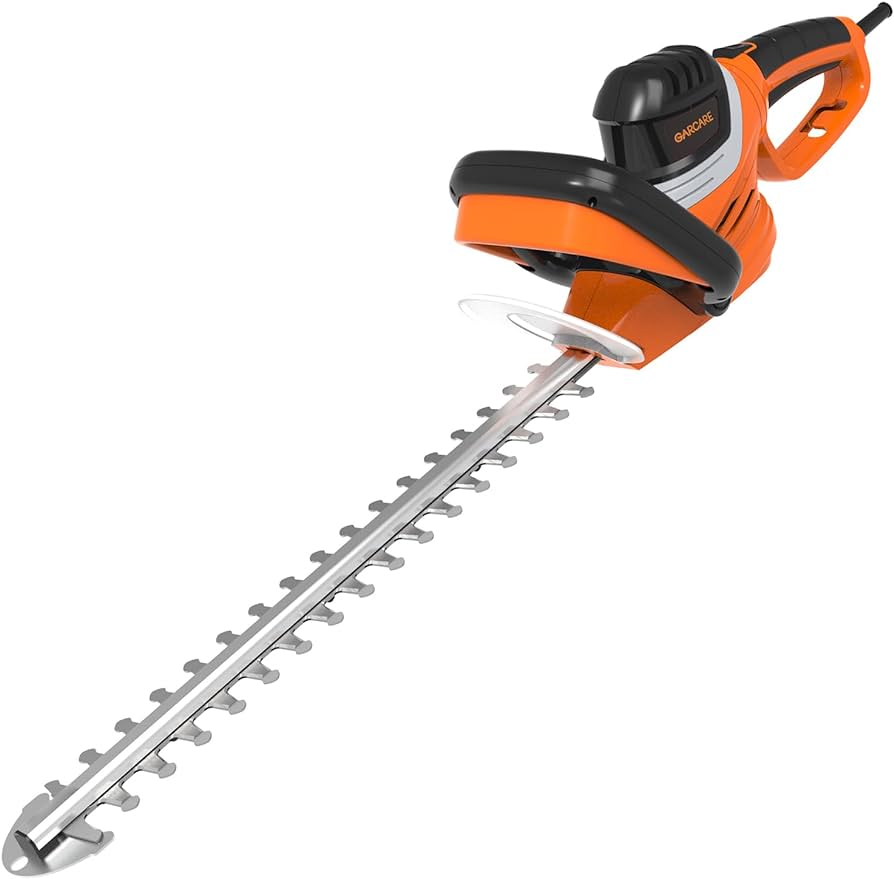
Yes, a hedge trimmer can cut briars effectively. They are versatile tools that can handle thick, thorny underbrush, such as briars, with their sharp blades.
Hedge trimmers are commonly used to trim and shape hedgerows and bushes, but they can also be used to cut through dense vegetation like briars. This makes them a valuable tool for trail maintenance or clearing overgrown areas. Additionally, hedge trimmers can be used to prune perennials, grasses, and ground cover.
They are capable of cutting branches that fit between the teeth of the trimmer’s blade and can even be utilized to cut down large weeds and overgrowth when dry.
Can a Hedge Trimmer Cut Briars?
A hedge trimmer can be used to cut briars, especially if they are not too thick or dense. However, for thicker briars, it is recommended to use other tools such as brush blades or bush axes for effective cutting.
When it comes to tackling tough and thorny briars, many people wonder if a hedge trimmer is suitable for the job. Hedge trimmers are primarily designed for trimming hedges and shrubs, but can they handle the challenge of cutting through stubborn briars? Let’s explore this question and find out if a hedge trimmer is up to the task.
Alternative Uses of Hedge Trimmers
Hedge trimmers are versatile tools that can be used for more than just maintaining hedges. While they may not be specifically designed for cutting briars, some users have found success using hedge trimmers for this purpose. It’s important to note that using a hedge trimmer to cut briars may require some modifications or additional attachments.
One alternative use of a hedge trimmer for cutting briars is brush hogging, as showcased in various videos on YouTube. Brush hogging involves attaching different blades, such as hook blades or swing blades, to the hedge trimmer. This allows for more efficient cutting through thick and thorny underbrush.
Best Tools For Cutting Briars
While a hedge trimmer can be used to cut briars, it may not always be the most effective tool for the job. When dealing with dense and stubborn briars, utilizing specialized tools designed for cutting brush and undergrowth is highly recommended.
One such tool is the bank blade, which comes in various forms like the hook blade, swing blade, or bush axe. These blades have a long double sharp edge that can easily slice through the thick, thorny underbrush encountered during trail maintenance. Using a bank blade ensures a more efficient and precise cut, minimizing the risk of damaging the hedge trimmer or struggling with dense briars.
User Experience with Hedge Trimmers and Briars
There are mixed user experiences when it comes to using hedge trimmers to cut briars. Some users have reported success with modifications or attachments, while others have found that specialized brush-cutting tools are more effective.
While a hedge trimmer may work for occasional or lighter cuttings of briars, it may struggle with thicker vegetation or extensive briar patches. Ultimately, the success of using a hedge trimmer to cut briars depends on the specific circumstances and the user’s expertise.
It’s important to exercise caution and prioritize safety when attempting to cut briars with a hedge trimmer. Protective gear such as gloves, eye protection, and sturdy clothing should be worn to avoid injuries from thorns and flying debris.

Credit: www.amazon.com
Effectiveness of Hedge Trimmers
A hedge trimmer can effectively cut through briars, making it a suitable tool for tackling thick brush and undergrowth. It provides a faster and more efficient solution compared to manual clearing methods.
Comparison With Other Cutting Tools
When it comes to cutting briars, hedge trimmers are a popular choice among professionals and homeowners alike. They offer several advantages over other cutting tools. Unlike hand pruners or shears, hedge trimmers are designed to handle larger branches and thicker vegetation. They are equipped with sharp, serrated blades that can easily slice through tough briars.
Hedge trimmers also have a longer reach, allowing you to trim hard-to-reach areas without straining or contorting your body. Additionally, hedge trimmers are more efficient and time-saving compared to other cutting tools, making them a preferred option for tackling briars.
Handling Different Types of Briars
Briars come in various forms, including thorny underbrushes, brambles, and green briars. Hedge trimmers are versatile enough to handle all types of briars with ease. The sharp blades of hedge trimmers can effortlessly cut through thorns and dense vegetation, minimizing the risk of injury. Whether you’re dealing with thick, woody briars or thin, tangled brambles, hedge trimmers provide the cutting power and precision needed to effectively clear them out.
Tips For Using Hedge Trimmers On Briars
To achieve optimal results when using hedge trimmers on briars, follow these helpful tips:
- Inspect your hedge trimmers before starting to ensure the blades are sharp and in good condition.
- Wear protective clothing, including gloves, long sleeves, and pants, to shield yourself from thorns and scratches.
- Start by trimming the outer edges of the briars to create a manageable work area.
- Hold the hedge trimmers at a slight angle to ensure a clean and precise cut.
- Avoid forcing hedge trimmers through thick briars; instead, let the sharp blades do the work.
- Take breaks frequently to rest your hands and prevent fatigue.
- After trimming, make sure to clean and oil your hedge trimmers for prolonged use.
By following these tips, you can effectively and safely use hedge trimmers to cut through briars and restore your outdoor space to its former beauty.
Challenges When Cutting Briars
Briars can present a challenging obstacle when using hedge trimmers due to their dense and thorny nature. The dense and tangled growth of briars can make it difficult for traditional hedge trimmers to effectively cut through them. Additionally, the presence of thorns can pose a safety risk to the operator when attempting to navigate through the overgrown vegetation.
Dealing With Thick Undergrowth
Thick undergrowth poses a significant challenge when using hedge trimmers to cut briars. The dense and intertwined vegetation can hinder the effectiveness of the trimmer, requiring multiple passes to achieve a clean cut. It’s essential to approach thick undergrowth with caution, as the dense foliage can obscure potential hazards such as uneven terrain or hidden obstacles.
Controlling Briar Growth
Controlling the growth of briars is crucial in managing their impact on a property. Regular maintenance and trimming can help prevent briars from becoming overgrown and unmanageable. However, it’s important to employ the right tools and techniques to effectively control the growth of briars to avoid them spreading and encroaching on other areas.
Seasonal Considerations For Cutting Briars
The season can impact the ease of cutting briars, as they may experience different growth patterns and densities throughout the year. Understanding the seasonal variations in briar growth can help in planning the most effective times for cutting and managing this resilient plant species.
Best Practices For Briar Control
When it comes to briar control, using a hedge trimmer can effectively cut through a thick, thorny underbrush. Hone and maintain bank blades, hook blades, or bush axes to keep green briars from taking over. Alternatively, a hedge trimmer is a favorable tool for clearing thick briars and brushes.
Manual Removal of Briars
When it comes to controlling briars, manual removal is often the most effective method. Using a pair of heavy-duty gardening gloves and a pair of long-handled pruners, you can safely and efficiently remove these stubborn plants. Start by identifying the location of the briar patch and carefully approach it. Make sure to wear sturdy shoes to protect your feet from thorns.
Next, using the long-handled pruners, cut the briars at the base, as close to the ground as possible. This will help prevent regrowth. Be cautious of the thorny stems and ensure they are securely held in place with your gloves. If the briars are particularly stubborn or thick, consider using a small hand saw or machete to make the task easier.
Effective Usage Of Herbicides
If manual removal is not a feasible option or if the briar infestation is extensive, the use of herbicides can be an effective solution. It is important to choose a herbicide that is specifically designed for briar control and follow the instructions on the label carefully. Pay attention to the dosage, application method, and safety precautions.
Prior to applying the herbicide, make sure to remove any debris or vegetation around the briar patch. This will allow the herbicide to directly target the briars and increase its efficacy. Apply the herbicide directly to the foliage of the briars, ensuring thorough coverage. Avoid spraying on windy days to prevent the herbicide from drifting to unintended areas. Follow up with regular inspections to monitor the effectiveness of the herbicide and reapply as necessary.
Optimal Times for Briar Control
Timing is crucial when it comes to controlling briars. The best time to manually remove or use herbicides on briars is during their active growth period, typically in late spring or early summer. This is when the briars have the highest concentration of nutrients in their foliage, making them more susceptible to control methods.
It is also important to consider the weather conditions when planning your briar control. Avoid treating briars during rainy or windy periods, as the effectiveness of herbicides may be reduced. Choose a day with calm weather and when rain is not expected for at least 24 hours after application.
By following these best practices for briar control, you can effectively manage and eliminate these thorny nuisances from your outdoor space. Whether you choose manual removal or herbicide application, remember to prioritize safety and always wear protective gear when dealing with briars.
Other Tools For Briar Control
When it comes to cutting briars, a hedge trimmer can be a useful tool. It can effectively trim and shape hedgerows, as well as cut through thick underbrush and thorny vegetation. Using a hedge trimmer can make briar control easier and more efficient.
Pruners and Saw Blades
When it comes to cutting through tough briars, pruners and saw blades are valuable tools to have in your arsenal. Pruners are perfect for smaller briar growth, allowing you to easily snip away the thorny branches. Look for bypass pruners with sharp blades that can cleanly cut through the briars without crushing or damaging them.
On the other hand, saw blades are more effective for larger briar growth. A small handheld saw or a folding saw with serrated teeth can make quick work of thicker briars. The serrated teeth grip the briar stems, allowing you to saw through them with ease. Just be sure to choose a saw blade with a comfortable handle to make the task more manageable.
Clearing Undergrowth With Various Tools
In addition to pruners and saw blades, there are several other tools that can help you effectively clear undergrowth infested with briars. One such tool is a mattock, which combines an axe blade with a hoe. The axe blade can cut through thick briars and roots, while the hoe can be used to remove the debris.
Another option is a brush hook, also known as a slasher or sickle, which features a blade that curves around like a hook. This tool is specifically designed to cut through dense undergrowth and can easily slice through briars. It’s important to note that brush hooks can be a bit more challenging to use, so be sure to exercise caution and wear protective gear when using them.
Effectiveness of Weed Eaters/brush Cutters
Weed eaters, also known as string trimmers or brush cutters, can be effective in clearing briars, especially when equipped with a blade specifically designed for cutting through thick vegetation. These blades are typically made of durable metal and feature serrated edges, allowing them to easily slice through briars and other tough plants.
When using a weed eater or brush cutter, it’s important to keep safety in mind. Wear protective clothing, including long pants, gloves, and safety goggles, to shield yourself from any debris that may fly up during the operation.
Additionally, be aware of your surroundings and avoid using tools near structures or valuable plants. Overall, while a hedge trimmer can be helpful in some situations, pruners, saw blades, and other tools specifically designed to cut through briars and undergrowth are generally more effective.
By using the right tools and taking proper safety precautions, you can successfully tackle thick briars and reclaim your space from these unwelcome plants.
Community Recommendations
Experiences and Suggestions From Reddit Users
Reddit users shared their experiences and suggestions on whether a hedge trimmer can effectively cut briars. Many users have found that using a hedge trimmer can be a viable solution for cutting through briars. Some users recommend using a hedge trimmer with a sturdy blade and protective gear for safety. They also advise being cautious and mindful of the thickness and density of the briars, as this can impact the effectiveness of the hedge trimmer.
Insights From Farming and Gardening Forums
Farming and gardening forums offer valuable insights into using hedge trimmers to cut briars. Members of these forums often discuss the best techniques for using hedge trimmers, such as choosing the right blade and maintaining the trimmer for optimal performance. Some members share success stories of using hedge trimmers to clear thick briars, while others caution about the potential limitations of hedge trimmers when dealing with extremely dense or woody briars.
Feedback From Online Communities
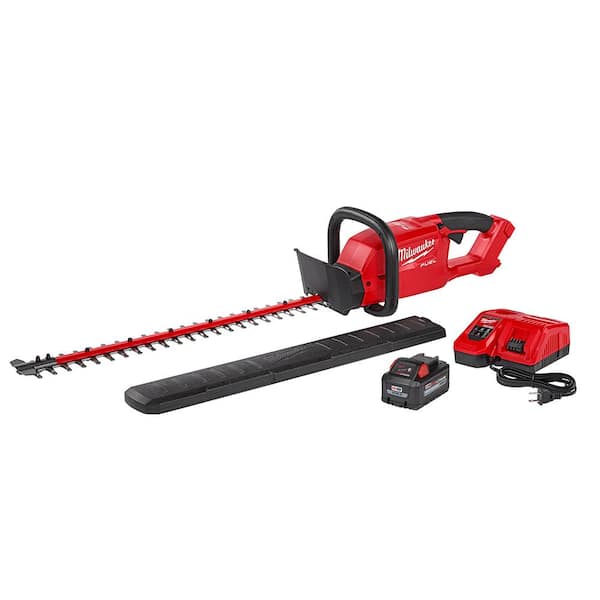
Online communities provide varied feedback on the effectiveness of hedge trimmers in cutting briars. Many community members have shared their positive experiences with using hedge trimmers for this purpose, highlighting the importance of using a powerful and sharp trimmer. However, some users also emphasize the need for proper technique and safety precautions when using a hedge trimmer to tackle briars. Overall, the consensus is that while hedge trimmers can be useful for cutting briars, it’s essential to consider the specific characteristics of the briars and adjust the approach accordingly.
Credit: www.homedepot.com
Frequently Asked Questions On Will A Hedge Trimmer Cut Briars
What Is The Best Tool To Cut Briars With?
The best tool to cut briars is a bank blade. It comes in different forms like the hook blade, swing blade, or bush axe. These blades have a long double sharp blade to easily cut through a thick, thorny underbrush while performing trail maintenance.
What Is The Best Way To Get Rid Of Briars?
The best tool to cut briars is a bank blade, featuring a long double sharp blade to efficiently cut through thick and thorny underbrush. It comes in various forms such as the hook blade, swing blade, or bush axe, suitable for trail maintenance.
Can You Use a Hedge Trimmer to Cut Brambles?
Yes, a hedge trimmer can be used to cut brambles. It is a versatile tool that can trim and shape hedgerows as well as cut through medium-to-large bushes and hard-to-reach areas. However, it is important to take proper safety precautions when using a hedge trimmer to cut brambles due to their thorny nature.
What Can a Hedge Trimmer Cut Through?
A hedge trimmer can cut through hedgerows, medium-to-large bushes, deep and hard-to-reach bushes, perennials, grasses, ground cover, branches that fit between the teeth of the trimmer’s blade, and dry large weeds and overgrowth. It can also be used to tackle thick briars and clear undergrowth efficiently.
Conclusion
While a hedge trimmer can be used to cut through briars, it may not be the most effective tool for the job. Other specialized tools like bank blades or brush axes may provide better results for cutting thick, thorny underbrush.
Consider the specific needs of your project before choosing a cutting tool.