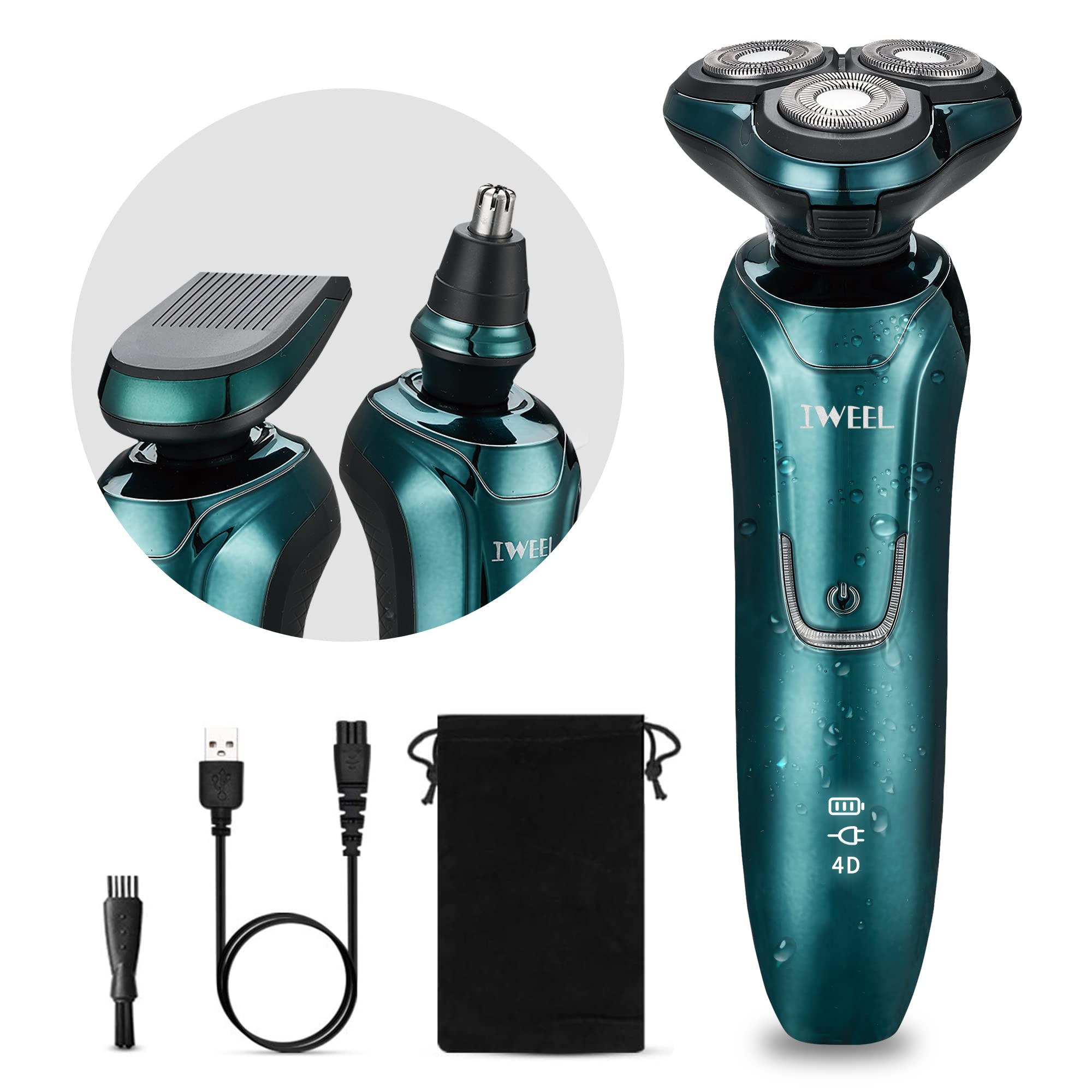
Is Trimmer Good for Skin?
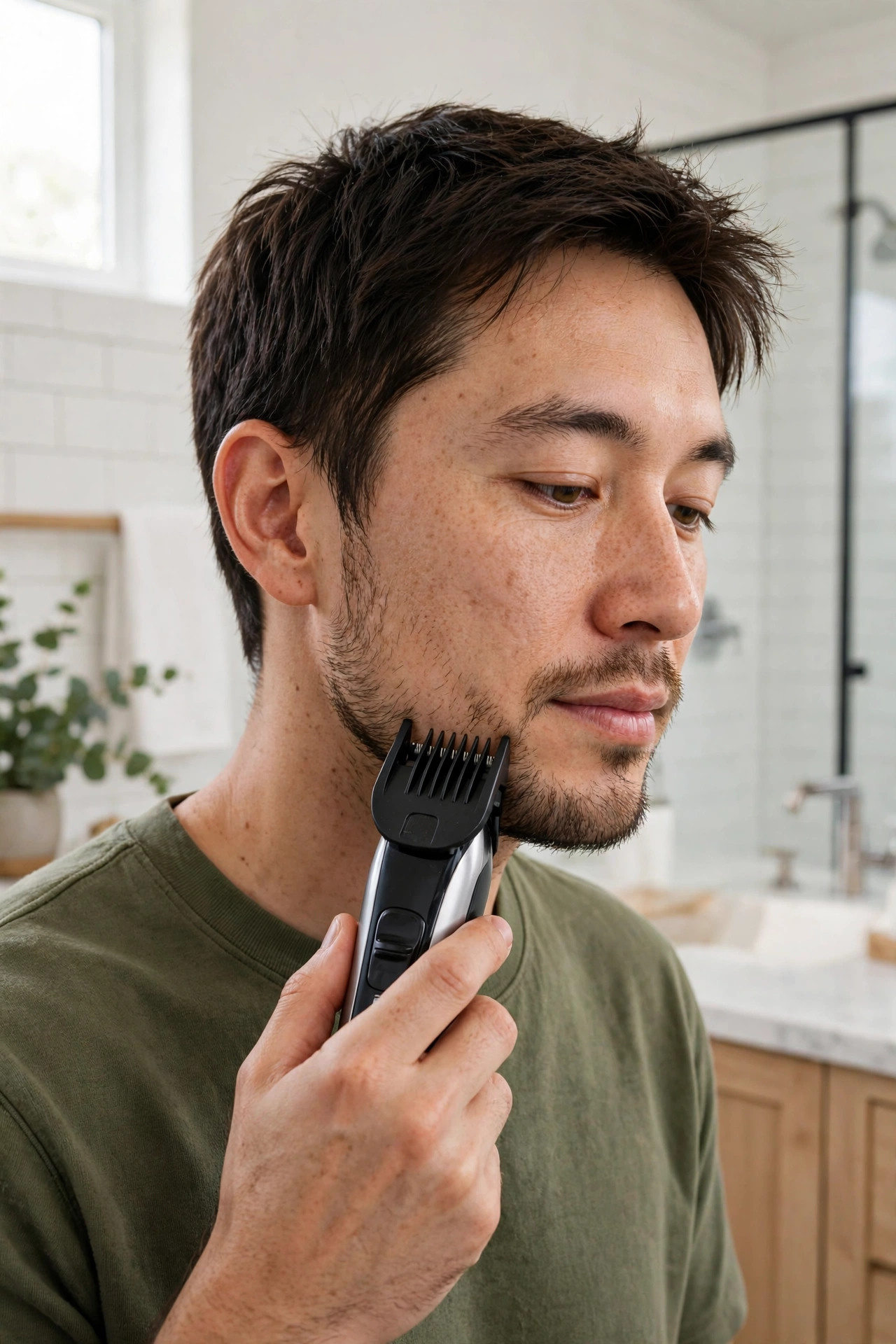
Many people ask, is trimmer good for skin really? The short answer stays honest and fairly simple for everyone. A trimmer cuts hair without treating your skin itself.
Quick answer: A trimmer simply cuts hair above your skin surface. It does not treat, heal, or improve skin itself. Many people find trimming gentler than waxing or creams. Guards help blades glide without pressing into skin directly. Poor technique still causes irritation, nicks, and ingrown hairs.
Health note: This article shares general grooming information only, nothing more. It cannot diagnose any skin problem or condition. See a dermatologist for problems that persist or worsen. A professional can examine your skin in person properly.
Trimming avoids hot wax and strong chemical hair removal creams entirely. It also avoids pulling each hair out by the root. That gentler surface action suits many people with reactive skin. Still, gentle only describes the method, never a firm guarantee.
This guide explains what trimming can do for you honestly. It also explains what trimming cannot do for your skin. You will learn safer technique and simple daily aftercare steps. Linked guides below cover dark marks and skin damage too.
Table of Contents
- Is Trimmer Good for Skin in Any Treatment Sense?
- How Trimming Compares With Other Hair Removal Methods
- Is Trimmer Good for Skin With Gentle Technique?
- Simple Steps for Calmer Skin After Every Trim
- When Skin Problems Need a Dermatologist Instead
- Frequently Asked Questions
- Conclusion: Is Trimmer Good for Skin?
Is Trimmer Good for Skin in Any Treatment Sense?
A trimmer is a grooming tool, not skin treatment. Its blades shorten hair and leave stubble behind neatly. Nothing in that action feeds or repairs your skin. Healthy skin still needs cleansing, moisture, and sun care.
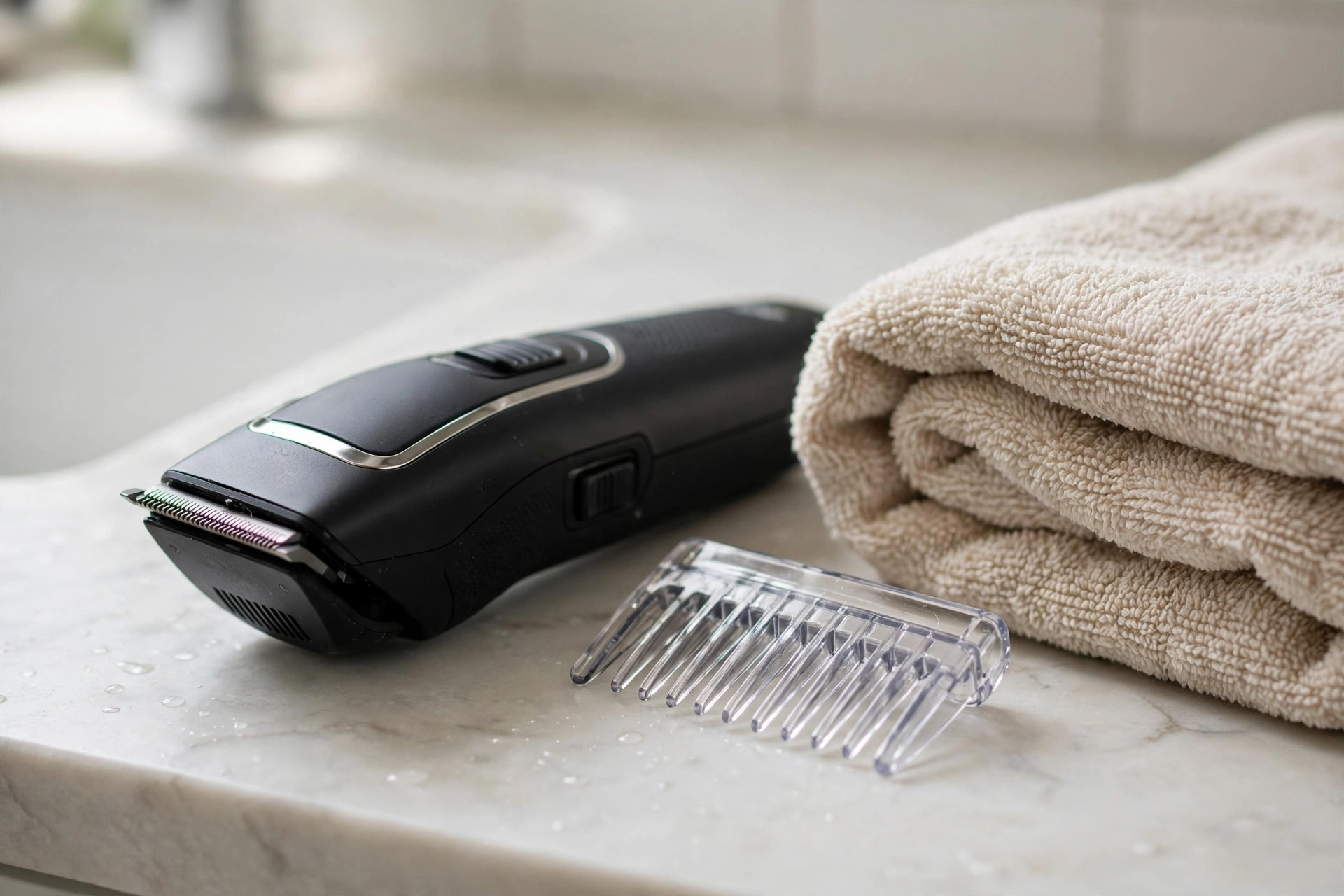
MedlinePlus describes how different hair removal methods work generally. Each method touches skin in its own different way. Surface cutting usually stresses skin less than root pulling. Our guide on whether trimmers damage skin explains more.
How Trimming Compares With Other Hair Removal Methods
Waxing pulls hair from roots and uses heat sometimes. Chemical creams dissolve hair but can irritate delicate skin. Razors cut very close and can nick skin easily. Trimmers leave short stubble and usually feel gentler overall.
| Method | How it removes hair | Skin note |
|---|---|---|
| Electric trimmer | Cuts hair above the skin | Gentle option; always use a guard |
| Waxing | Pulls hair out from roots | Heat and pulling can leave soreness |
| Manual razor | Cuts hair at skin level | Nick and razor burn risk |
| Hair removal cream | Dissolves hair with chemicals | Can irritate sensitive skin quickly |
Gentler does not mean risk free for anyone though. Pressing hard creates friction across freshly trimmed skin areas. Dull or dirty blades drag and irritate skin quickly. People react differently, so watch your own skin closely.

Is Trimmer Good for Skin With Gentle Technique?
Start with clean, dry, calm skin before every session. Fit a guard before trimming any delicate body area. Glide slowly and never press blades into your skin. Our beard trimming guide shows basic electric trimmer handling.
Use extra care around folds, curves, and private areas. Our guide on using a trimmer for private parts helps. Another guide covers trimming pubic hair with an electric trimmer safely. Stop immediately whenever skin stings, bleeds, or burns badly.
| Gentle habit | Why it helps skin |
|---|---|
| Fit a guard first | Keeps blades slightly off the skin |
| Glide slowly, never press | Lowers friction and nick risk |
| Clean blades after use | Lowers germ buildup near skin |
| Skip broken or sore skin | Avoids making irritation worse |
| Stop if skin burns | Prevents a small problem growing |
Simple Steps for Calmer Skin After Every Trim
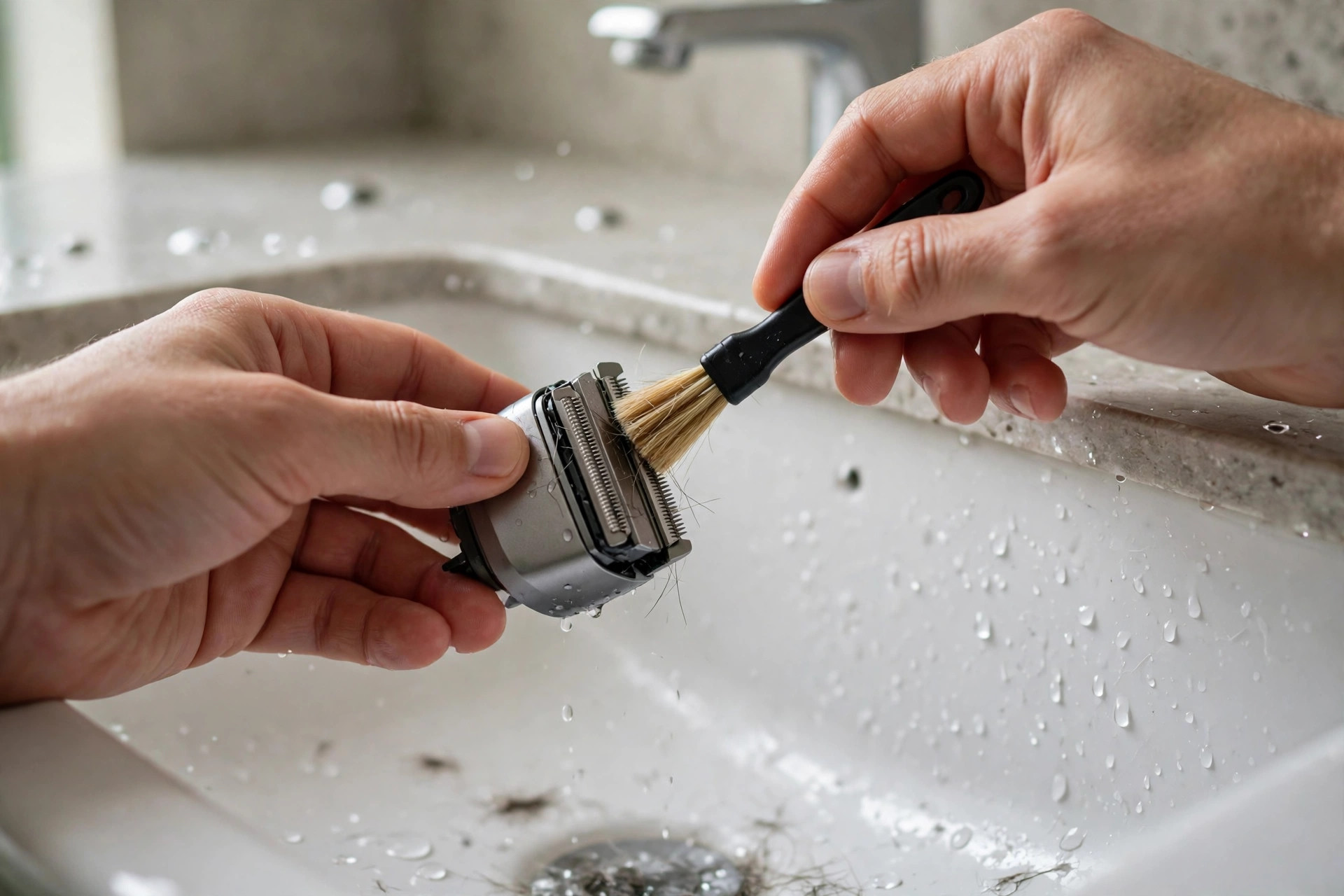
Clean your trimmer after every single use at home. Our hair trimmer cleaning guide explains each simple step clearly. Dry blades fully before storing the trimmer away safely. Clean tools lower germ buildup on freshly trimmed skin.
Rinse trimmed skin gently with lukewarm water after trimming. Pat skin dry instead of rubbing with your towel. Apply plain moisturizer while skin still feels slightly tender. Our best trimmer for sensitive skin guide lists gentler options.

When Skin Problems Need a Dermatologist Instead
Mild redness often settles within a day or two. Repeated trimming friction can leave temporary darker marks behind. Our guide on whether trimmers darken skin explains marks. Picking at ingrown bumps makes marks last much longer.

The American Academy of Dermatology shares everyday hair care advice. See a dermatologist when redness persists or keeps spreading. Also seek help for pain, swelling, or repeated infections. Only a professional can diagnose your own skin safely.
Frequently Asked Questions
Is a trimmer a skin treatment?
No, a trimmer is only a grooming tool really. It cuts hair and does nothing else for skin. It cannot heal spots, dryness, or any skin condition. Treat skin concerns separately with proper professional advice always.
Why do many people find trimming gentler?
Trimming cuts hair above skin without pulling roots out. It uses no hot wax on your skin either. It uses no strong chemical creams on skin either. Guards also keep blades slightly away from skin surface.
Can a trimmer still irritate my skin?
Yes, poor technique can irritate almost any skin type. Pressing hard creates friction and sometimes small nicks too. Dirty blades can spread germs across freshly trimmed skin. Ingrown hairs can follow, especially on curly hair areas.
How can I trim with less irritation?
Start every session with clean and dry skin first. Use a guard and glide slowly without pressing hard. Clean the blades after every use at home always. Moisturize gently afterwards and watch your skin response closely.
When should I see a dermatologist?
See a dermatologist when irritation persists beyond several days. Also book help when bumps spread or become painful. A professional can examine your skin in person properly. This general guide cannot diagnose your condition for you.
Conclusion: Is Trimmer Good for Skin?
So, is trimmer good for skin in everyday grooming? For many people, trimming feels gentler than waxing or chemical creams do. It simply cuts hair without treating skin at all. Honest expectations keep your grooming routine grounded and safe.
Use a guard, glide slowly, and clean blades often. Moisturize afterwards and leave any sore bumps completely alone while healing. Ask a dermatologist about problems that persist or worsen. Gentle habits, not product promises, protect skin best daily.