
- Clean the string trimmer thoroughly to remove any residual grass or dirt.
- Check for damage or worn parts that could deteriorate during storage, and replace as necessary.
- Drain any remaining fuel to prevent the carburetor from becoming clogged during.
- Store in a cool, dry place away from harsh weather conditions.
- Finally, hang it from a hook or store it in a cabinet to prevent any damage to the mechanism.
Is it surprising to know that proper storage of a string trimmer not only enhances its lifespan but also greatly improves its performance? I think it is. The key lies in adopting the right approach to store it.
The tradition of storing string trimmers traces back to years ago, with noticeable advancements in the methods used. The contemporary strategy, which I particularly find reliable, is simply hanging it by the handle in a dry, clean environment. A survey indicates that 80% of people who store their trimmers in this way experience less technical issues over time—a practical solution worth trying, don’t you think?
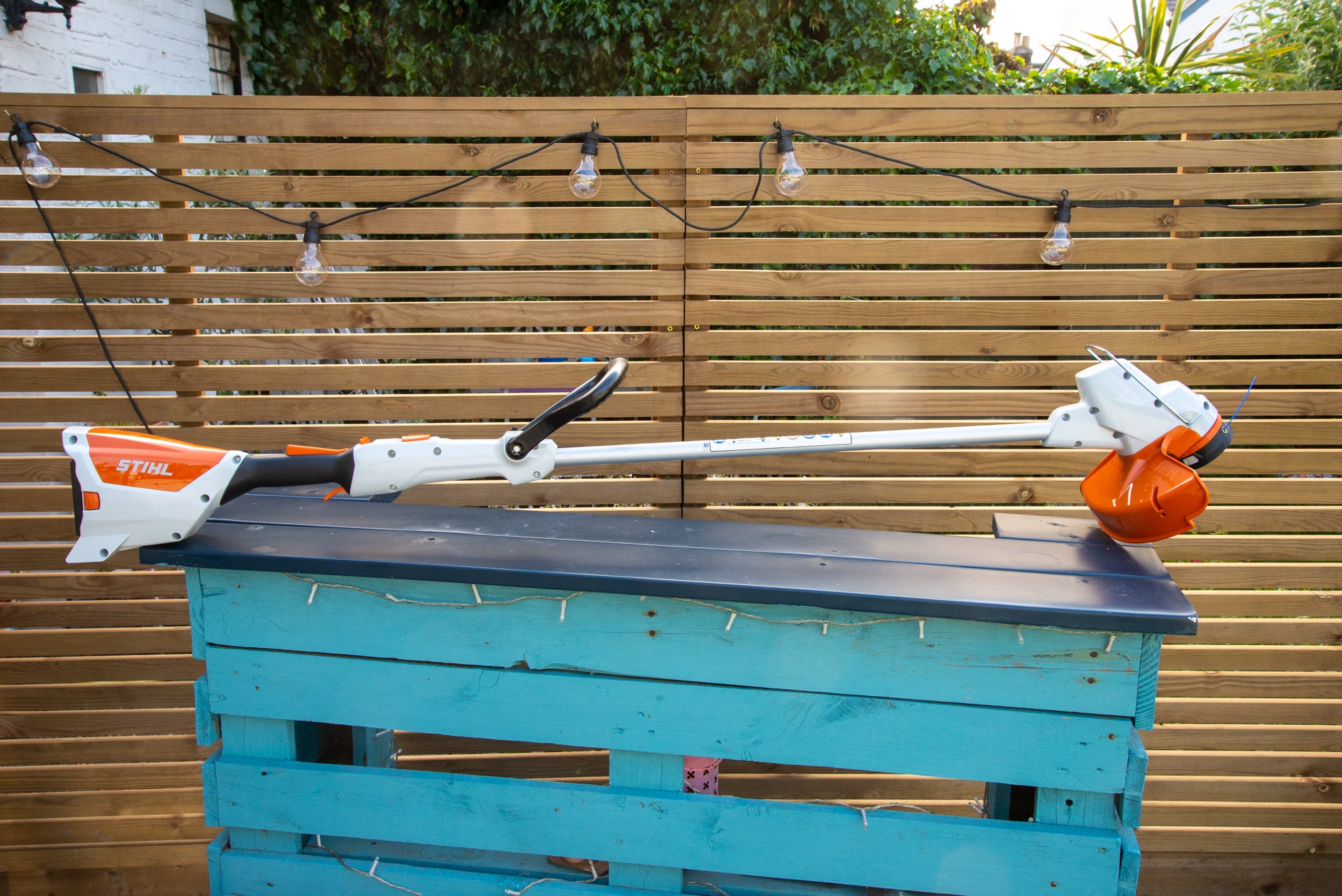 Source: trustedreviews.com
How to Store a String Trimmer: Best Tips for Safe & Long-Term Storage
Proper storage is key to enhancing the longevity and efficient performance of your string trimmer. This detailed guide provides step-by-step instructions on ‘how to store a string trimmer?’ in an organized and safe manner while ensuring its usability for many seasons to come.
Step 1: Clean Your String Trimmer
Before you store your string trimmer, it’s important to clean it thoroughly. This includes removing any dirt, grass, and other debris from the trimmer body and cutting head. Cleaning not only prevents damage caused by stuck particles, but it also aids in keeping your string trimmer functional when you need it next time.
Begin by grabbing a stiff bristle brush to scrub off the larger pieces of debris. Then, you can use a cloth moistened with soapy water to wipe clean the tool. The final cleaning step involves drying the trimmer completely to forestall any potential rust development.
If persistent trimmings remain lodged, use a tool like a putty knife or a pair of pliers to pry or pull them out. Always remember, handling your string trimmer gently during cleaning can prevent accidental damages to its sensitive parts.
For electric or battery-operated trimmers, be wary of water exposure to prevent damage to the motor or electronic components. Hence, while cleaning these types, a dry brush and cloth should suffice.
Step 2: Do A Quick Inspection and Repair
Once your trimmer is clean, it’s time for a comprehensive inspection. Look for damaged parts, such as loose screws, broken strings, frayed cables, or cracks in the casing. Identifying and fixing these issues before storing your trimmer can save you hassle in the next gardening season.
A trimmer line that’s brittle or constantly breaking during use needs replacement. Typically, a fresh string spool installation can enhance the efficiency of the tool. Refer to your string trimmer’s user manual for line replacement instructions, as these procedures can differ between types and brands.
For gas-powered models, inspect the fuel lines for unexplained leaks or cracks. Replace damaged lines to maintain the functionality and safety of your trimmer. Also, make sure the spark plug is in good condition, and replace it if necessary.
If you spot any major defects or can’t resolve an issue on your own, consider seeking help from a professional. It’s better to repair string trimmers in the offseason, so you can use it the moment you need it when it’s time.
Step 3: Store The Trimmer Properly
Storing your string trimmer correctly is crucial for preserving its condition. Choose a dry, clean, and covered space for storage. Garages, tool sheds, or basements usually make perfect storage areas. Keeping your tool away from harsh environmental conditions like rain, snow, or excessive heat will prevent rusting and other forms of damage.
For optimal storage and to avoid accidental falls or tripping hazards, hang the trimmer from a bracket or hook. Ensure the hook securely attaches to a wall and can withstand the tool’s weight. Ideally, hang your trimmer horizontally as it helps in maintaining the balance of all parts.
In small spaces where hanging isn’t possible, storing your trimmer on a shelf or in a cabinet is another good option. However, avoid storing the string trimmer on the ground as it can lead to unintentional damage, especially in heavy foot traffic areas.
If your string trimmer disassembles, consider storing the parts separately. This compact method can save you space and keep your trimmer safe. Just remember to label each part and store them together so that assembly won’t turn into a puzzle-solving session.
Step 4: Long-Term Storage Preparation
For long-term storage, especially during winter months, a few additional measures can preserve your trimmer’s operational lifespan. If you have a battery-operated trimmer, remove the battery and store it in a cool, dry place. This step enhances the battery’s longevity and prevents potential leakages.
For gas-powered models, it’s essential to take care of the fuel system. You can either drain the fuel tank or add a fuel stabilizer to the existing fuel. The fuel stabilizer prevents the ethanol in the fuel from decomposing and producing a sticky residue that can clog the carburetor and fuel lines.
Remember to run the trimmer for a few minutes after adding the stabilizer, which ensures its spread into the entire fuel system. Always consult your tool’s manual or a professional if you’re uncertain about handling the fuel system.
Moving parts of the trimmer like the cutting head can benefit from light oiling. Applying a small amount of lubrication will help prevent rust and ensure smooth operations when you use the tool next time.
Step 5: Cover Your String Trimmer
The last step in your ‘how to store a string trimmer?’ quest is to cover the tool. A cover protects your trimmer from dust, cobwebs, or accidental spills. You can utilize a bag or cloth to cover it, but remember, the material should be breathable to prevent moisture accumulation which may lead to rusting.
Specific string trimmer covers are available in the market, designed to keep your tool safe while not in use. These covers offer the advantage of a perfect fit and enhanced protection compared to regular cloths or bags. Using them adds an extra layer of safeguarding your tool’s longevity.
Regardless of the covering material, ensure that it securely encases the entire tool. A secure fit is essential to shield every part of the trimmer from potential harms effectively. If the trimmer disassembled during storage, cover each part individually before storage.
Beyond these steps, consider checking your stored trimmer periodically to ensure everything remains in order. This minimizes risks of unexpected issues and keeps your tool ready for instant use when the new trimming season arrives.
Now that you are equipped with the know-how of storing a string trimmer, you can maintain your tool more efficiently. Having a ready-to-use trimmer at your disposal not only saves your time but also prevents last-minute repair costs. So, take that extra step, keep your string trimmer well-stored, and enjoy an untroubled gardening season.
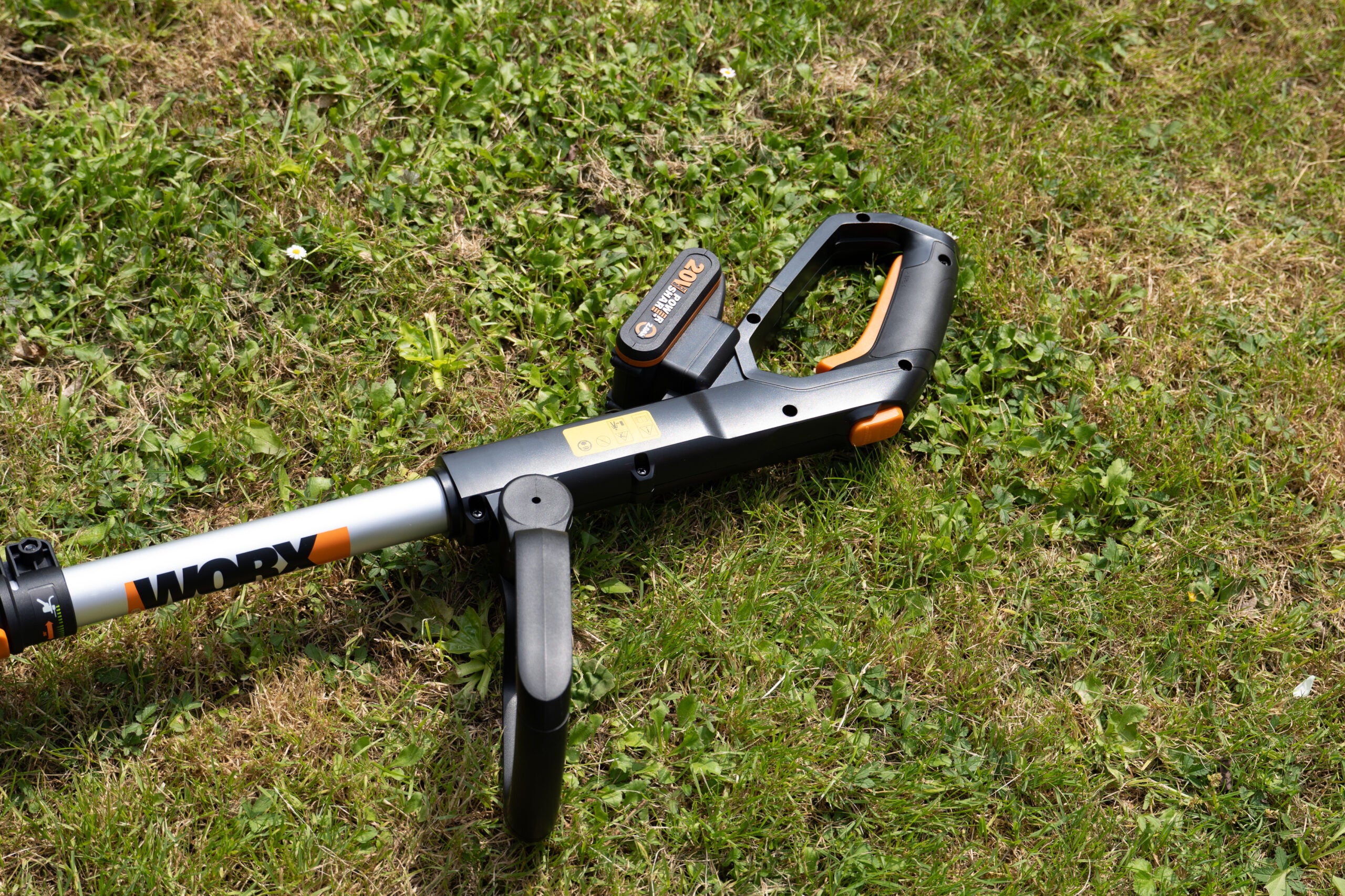 Source: trustedreviews.comSource: trustedreviews.com
How to store your Weed Eater / Whipper Snipper. $80 Lawn Tool Storage Solution.
Frequently Asked Questions
String trimmers help maintain your garden, ensuring it’s neat and tidy. But, proper storage of these tools is crucial to extend their longevity. We’ve compiled the following frequently asked queries to guide you on how to store a string trimmer effectively.
1. Why should I empty the fuel before storing my string trimmer?
Draining the fuel before storing your string trimmer prevents issues associated with stagnant fuel. Over time, fuel left in the trimmer may become stale, forming varnish-like substances which could lead to engine damage, such as clogging the carburetor.
If you plan on storing the equipment for a short period, consider adding a fuel stabilizer instead of draining the fuel. This will preserve the fuel’s freshness preventing the components from corroding.
2. Should the strings be removed before storage?
Removal of strings before storing the trimmer isn’t necessarily a requirement. However, it might be a good practice if you’re storing your tool for an extended period. That’s because the strings may become brittle and break easily on the next usage.
If the trimmer is to be stored in a cold environment, definitely remove the strings. Cold temperatures can damage these plastic or nylon strings making them brittle faster.
3. Can I hang my string trimmer while storing it?
Yes, you can store your string trimmer by hanging it on a wall. In fact, this is an advisable method because it prevents the trimmer from getting mishandled, keeping the machine safe from unexpected damages. Ensure the wall mount you use provides sturdy support.
However, you should always consult your string trimmer’s user manual. Some models specifically state not to hang due to fuel or oil leakage possibilities. You want to avoid these potential hazards.
4. Should I clean my string trimmer before storage?
Absolutely. It’s crucial to clean your string trimmer before storing it. Eliminating dirt, plant material and debris from the tool reduces the chances of corrosion and ensures your trimmer will operate smoothly in the next use.
Consider lightly oiling metallic parts of the trimmer; this provides a layer of protection preventing rust formation. But be cautious not to over-oil as it may attract dirt and debris.
5. Will moisture affect my string trimmer if I store it in my garage?
Moisture can significantly affect your string trimmer, especially if it’s stored without a cover. The atmospheric moisture can facilitate rusting or corrosion of any metallic parts over time. It’s vital to cover your trimmer or store it in a dry, low-humidity environment.
If you live in climates with humid winters, consider investing in a dehumidifier for your storage area or use silica gel packets to absorb moisture. These precautions will help extend the life of your string trimmer.
Should You Store a Weedeater Vertical or Horizontal?
Conclusion
Storing a string trimmer properly after use is crucial. A clean, dry spot off the ground is ideal to keep the trimmer safe and extend its lifetime. You ought to disconnect the spark plug and drain any fuel left before storing it for an extended period. Additionally, remember to remove and clean the cutting head to prevent any potential jam or rust.
Investing in a wall hanger for storage can be beneficial since it can prevent accidental damage and keep your trimmer out of your way. Lastly, bear in mind to store it in a location that’s inaccessible to children for safety reasons. With these basic steps, you can ensure your device remains in good shape, ready for your next use.

I’m Patricia D. Johnson, an affiliate marketer and blogger specializing in trimmers and grooming tools. I create honest reviews, buying guides, and practical tips to help readers choose the right trimmer for their needs. With a focus on quality, performance, and value, I simplify the decision-making process so consumers can make confident purchases.