Will a Hedge Trimmer Cut Brambles
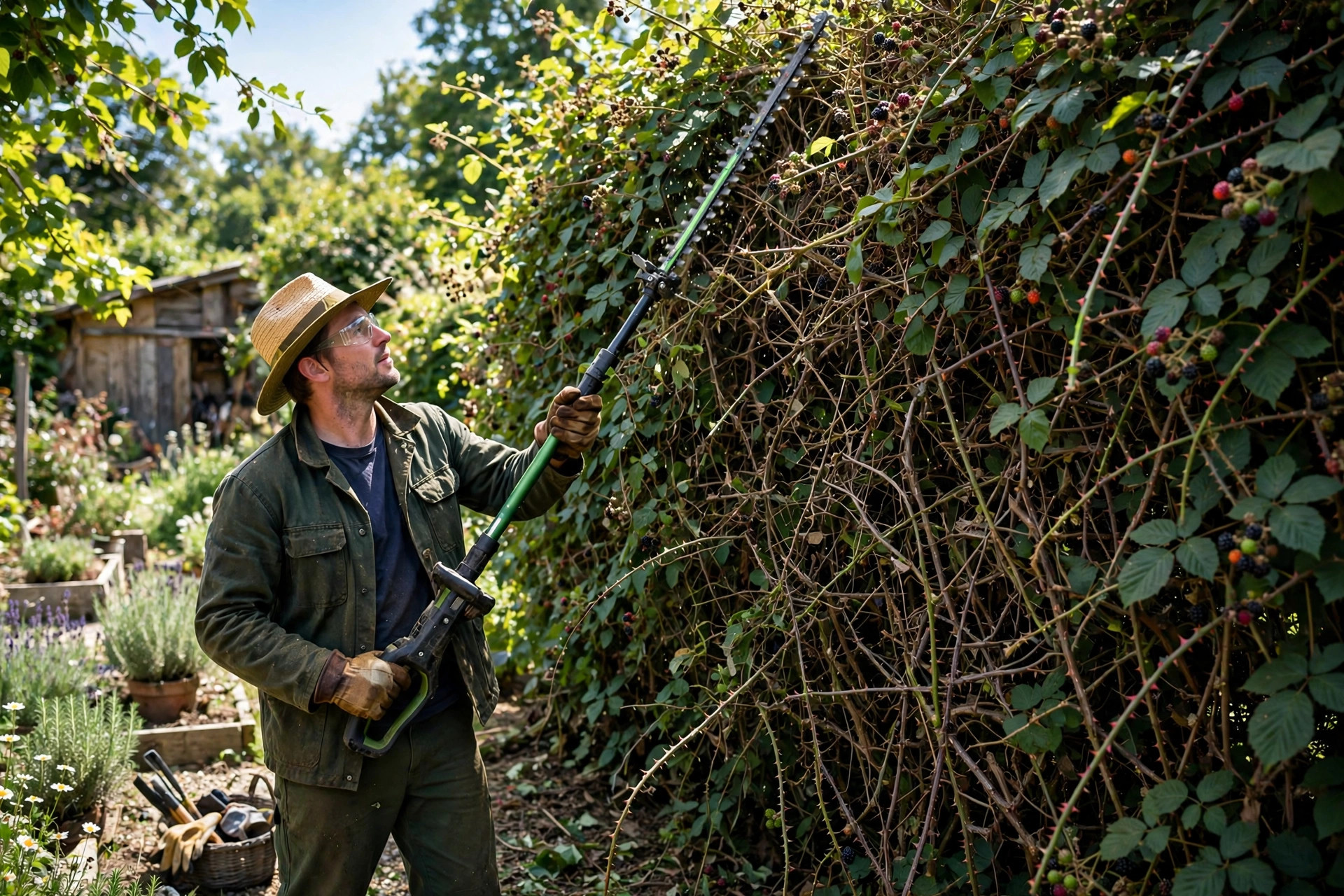
Yes, a hedge trimmer can cut many brambles well. How well rests on cane thickness and how much they bend. A hedge trimmer shapes and keeps up hedges each day. Its blades also cut light woody growth past hedges. Thin canes cut best here. Hedges are its day job. Light woody growth falls to it too. Thickness is the first check. Shapes and keeps hedges each day. Bendy canes cut less well.
Brambles grow thorny limbs in thick tangled patches. That thick growth can test any cutting tool. Thin, young canes tend to cut quite well. Thick, stiff canes fight plain hedge trimmer blades. Thorns and tangles mark these patches. Young canes give way first. Stiff canes fight plain blades. Dense patches test all tools. Tangled patches slow the work down. Thin canes are the soft side.
So, will a hedge trimmer cut brambles near trees? It can take on growth round trees and slopes. Power and blade stock set the end result. This guide spells out the limits and safe picks. Trees and slopes both count here. Blade stock helps set the result. Limits and safe picks come below. Power counts in the end. Growth round trees can be cut. Slopes can be cut too.
Quick answer: Yes, a hedge trimmer cuts younger and thinner brambles well. Thick, tall and mature canes often strain standard trimmer blades badly. A sharp blade and strong motor improve every cutting result. Heavy brush cutters handle the oldest growth more safely. Always check cane thickness before you start cutting.
- Will a Hedge Trimmer Cut Brambles
- Understanding Hedge Trimmers and Brambles
- Will a Hedge Trimmer Cut Brambles in Tall Growth
- Optimal Tools for Dealing With Brambles
- Practical Steps and Safety for Cutting Brambles
- What Gardeners Find When Cutting Brambles
- Frequently Asked Questions
- More Bramble Cutting Questions
- Safety and Timing Questions
- Conclusion: Will a Hedge Trimmer Cut Brambles
Will a Hedge Trimmer Cut Brambles
Hedge trimmers cut through many brambles quite well. How well rests on power and blade stock. They help in hard spots round trees outside. They also help on steep slopes quite well. Power and blade stock set the pace. Steep slopes gain help too. Hard spots round trees gain help. Many brambles fall to them. Slopes and trees both gain help. Blade stock counts as well.
A hedge trimmer can take on woodier growth well. That growth counts ivy, brambles and stinging nettles. Electric models need care in damp air outside. Use a residual current device for electric models. Ivy and nettles count as woodier growth. Damp air calls for care. A safety device guards electric work. Woodier growth can be cut. Nettles sit in that group too. Electric care counts in damp air.
| Bramble Growth | Traits | Hedge Trimmer Fit |
|---|---|---|
| Young thin shoots | Soft and flexible new canes | Cuts easily and cleanly |
| Younger less dense growth | Thinner stems in open patches | Convenient and efficient option |
| Mature thick canes | Tall woody stems over six feet | Struggles and strains blades |
| Blackberry canes | Long flexible and tough canes | Harder as canes mature |
| Raspberry canes | Smaller and more manageable canes | Generally easier to cut |
Understanding Hedge Trimmers and Brambles
Hedge trimmers are built to trim hedge leaves. Their blades suit thin limbs and soft leaves. Small, thin brambles cut quite well. The bramble type can change the whole job. Thin limbs are what blades suit. Small patches cut with ease. Soft leaves are blade ground. Bramble type shifts the job. Less dense growth cuts with ease. Leaves and thin limbs suit blades.
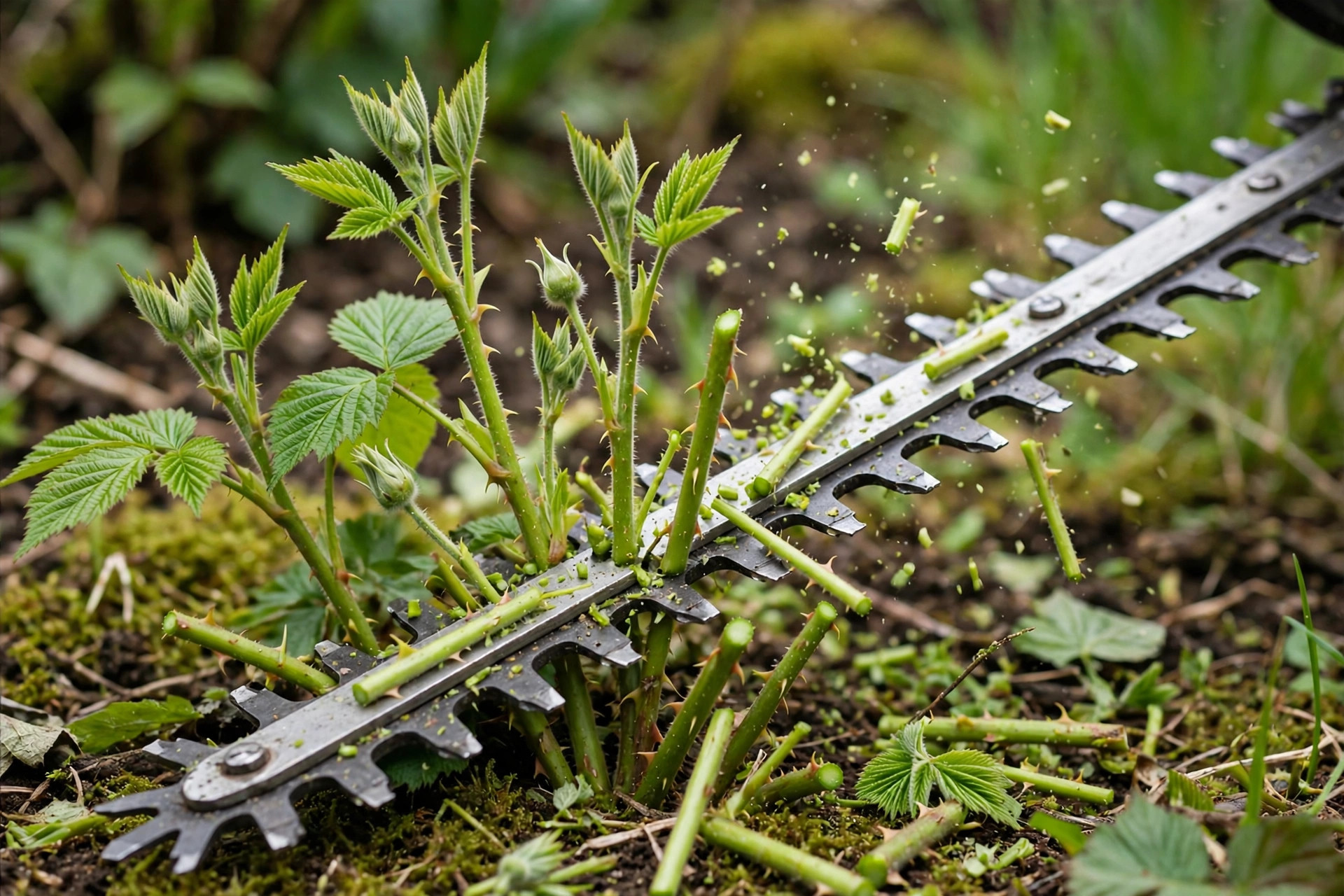
Young, thin growth cuts with more ease. A strong motor makes cutting smoother each time. A sharp blade cuts strain on the tool. See can you sharpen hedge trimmer blades for blade care. Sharp blades ease the strain. Strong motors smooth the cut. Blade care has its own guide. Ease grows with young growth. A strong motor smooths each pass. Young growth is the easy side.
Brambles count thorny shrubs like blackberries and raspberries. Blackberry canes grow long, bendy and quite tall. Those canes turn tough and woody with age. Raspberry canes stay smaller and more in hand. Blackberry canes grow tall and bendy. Raspberry canes stay more in hand. Age turns those canes woody. Shrubs with thorns count here. Tall and long marks blackberry canes. Small marks raspberry canes.
Check thickness and how thick it grows before you cut. Thick, dense brambles may need heavy-duty tools. The patch at hand sets the right path. Thick patches may need big tools. Each patch sets its path. Check before you cut at all. Dense growth may beat plain tools. The right path comes from the patch. Thick growth needs big force.
Will a Hedge Trimmer Cut Brambles in Tall Growth
Tall brambles make the first big cutting test. Brambles can grow past six feet tall outside. They also grow thick stems in time outside. Plain blades may lack length and power here. Six feet of height is the test. Thick stems grow in time. Plain blades can fall short here. Length and power both lack. Thick stems come with time. Height is the first test.
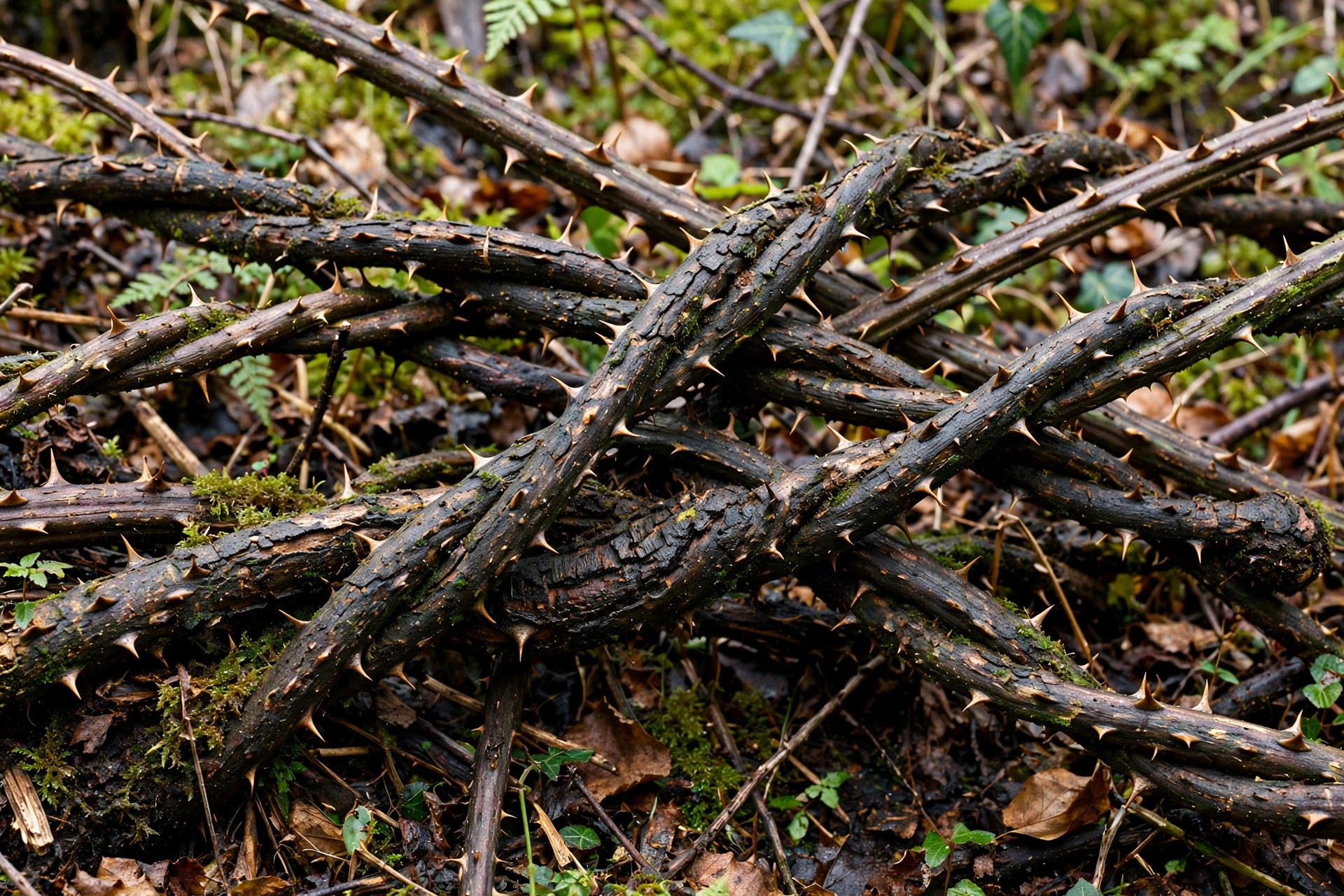
Hedge trimmers may strain on tougher woody growth. They take on soft green growth far more well. How well rests much on bramble type and age. For tall patches, see how to use a pole hedge trimmer first. Soft growth is the easy side. Type and age set the pace. A pole trimmer guide helps tall work. Tough growth strains them more. Age counts in how well they do. Soft growth stays the easy side.
Bendy limbs make the next big cutting test. Long thin limbs flex and bend with ease. That bend makes clean, true cuts harder. Cut ends can sprout fresh new growth fast. Trimmed brambles tend to grow back with no more care. Bend makes true cuts hard. Fresh growth sprouts from cut ends. Trimmed patches grow back fast. More care keeps them down. Long thin limbs bend the most. Clean cuts get hard there.
Optimal Tools for Dealing With Brambles
The right tool pick can change the end result. Thorny, thick growth calls for real cutting force. Plain hedge trimmers suit pruning and shaping work. Their limits show on thick, dense growth. Thorny growth needs real force. Shaping work suits plain trimmers. Pruning and shaping are their ground. Dense growth shows their limits. Real force is the call here. Plain trimmers shape and prune.
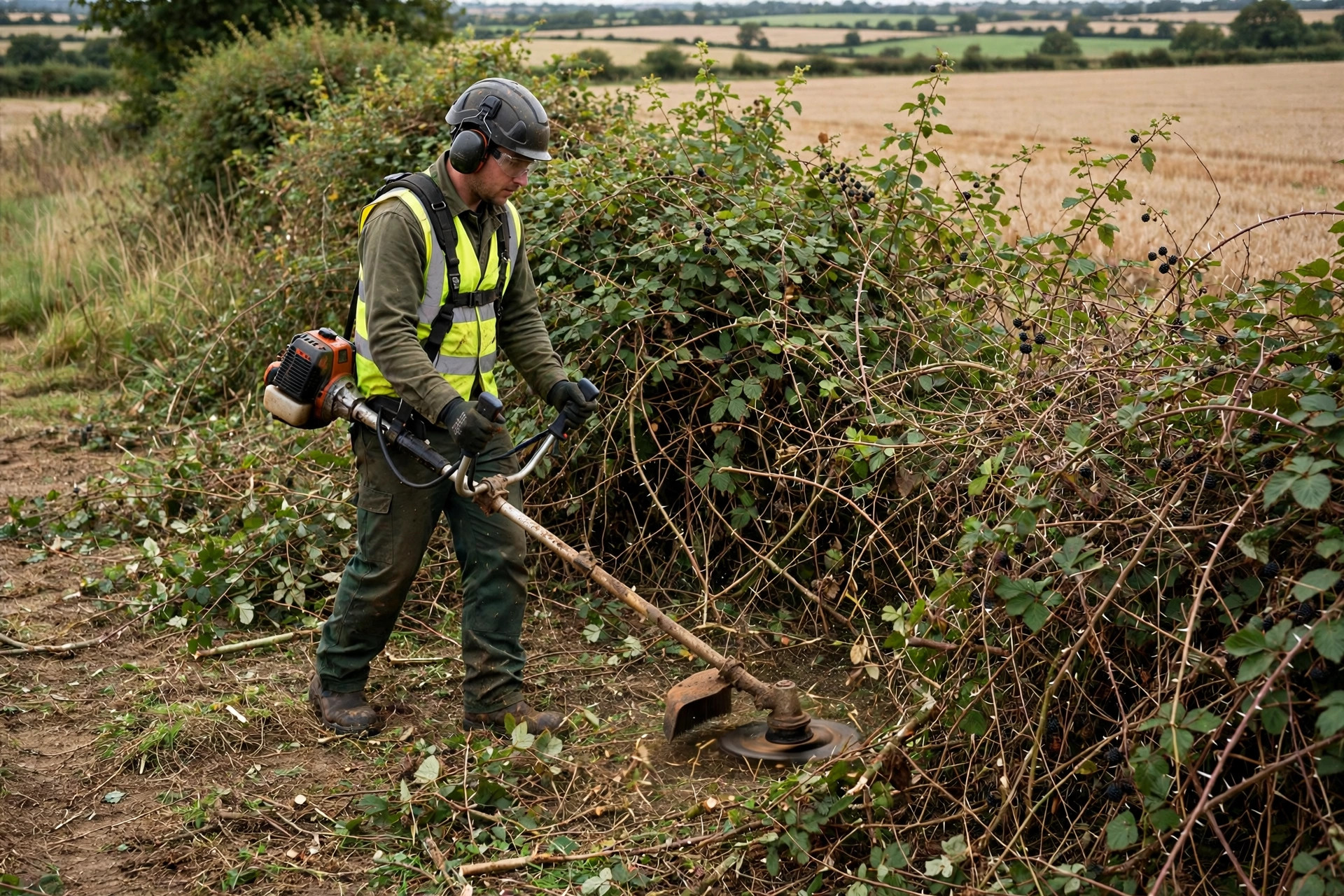
Heavy-duty brush cutters give stronger cutting force outside. Strong strimmers also take on brambles quite well outside. Fit cutting heads can sharpen work on tough stems. Hand shears give fine, aimed cuts in their place. Brush cutters bring the most force. Shears give the most aimed cuts. Strong strimmers do well outside. Fit heads sharpen tough work. Hand shears cut one stem at a time. Tough stems gain from fit heads.
| Tool | Best Use | Main Limit |
|---|---|---|
| Hedge trimmer | Young and less dense brambles | Struggles on thick mature growth |
| Brush cutter | Thicker and older brambles | Bigger tool for heavier work |
| Strimmer | Tricky places and woody growth | Depends on power and blade material |
| Shears and loppers | Precise and targeted removal | Manual work on each stem |
First take out large thick growth with loppers outside. Then trim the stems left with the trimmer. Compare what is the best commercial hedge trimmer for heavier work. See the STIHL USA for official tool guidance. Loppers clear the big growth first. The trimmer does the rest. Big tools have their own guide. Brand facts sit at STIHL USA. Stems left get the trimmer next. Heavier work has a guide too.
Practical Steps and Safety for Cutting Brambles
Safety should come first with cutting tools. Wear gloves and goggles against thorns and bits. Strong shoes guard your feet outside too. Clear the space of blocks before you start work. Keep a safe gap from other folks nearby. Gloves and goggles guard you here. Clear ground comes before cuts. Strong shoes guard your feet. A safe gap guards folks nearby. Thorns and bits are the risk. Work starts on clear ground.
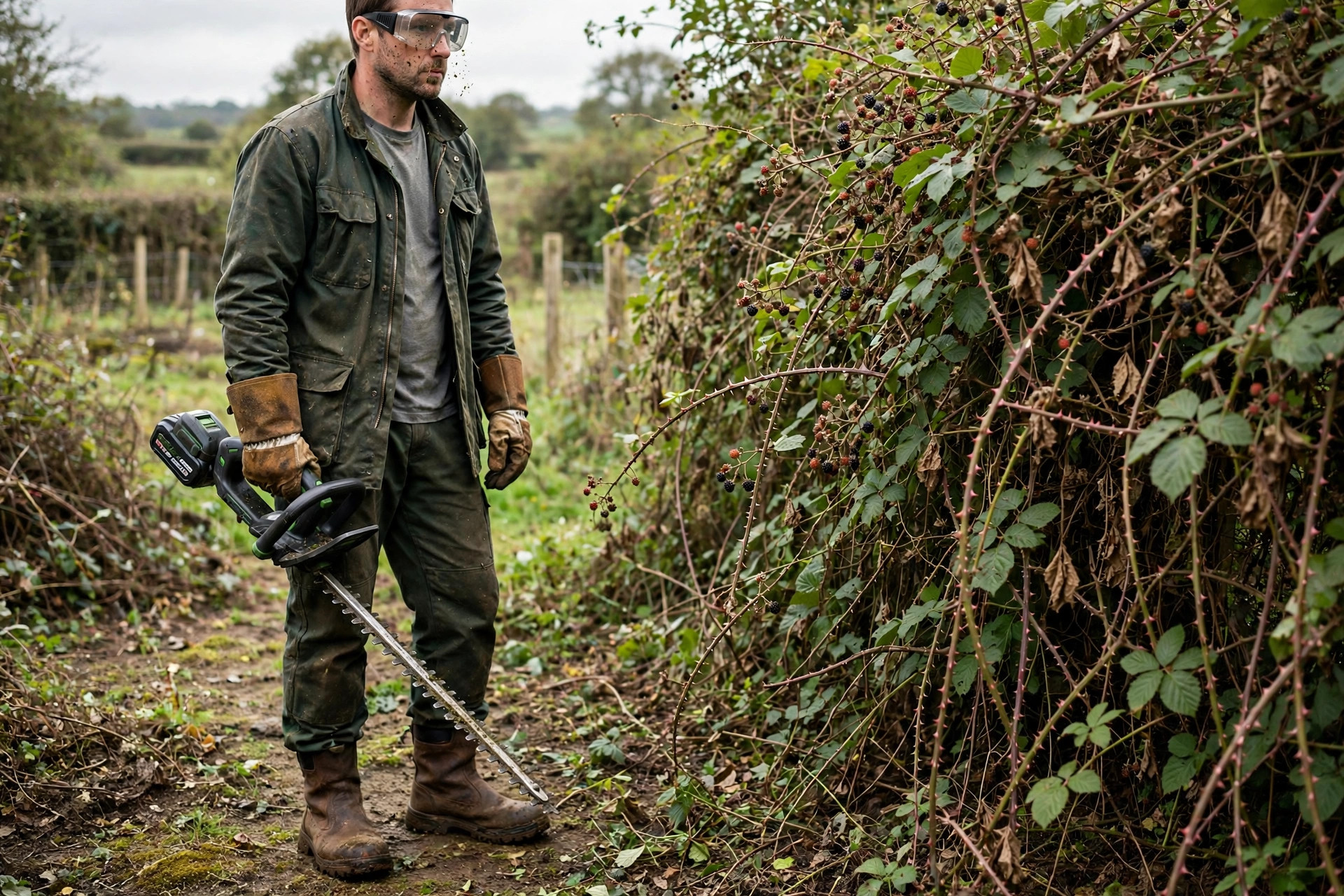
Stand in a firm stance before you trim outside. Hold the trimmer with a firm grip at all times. Move the trimmer back and forth with slow moves. Clean the blades on a set plan in the job. Take cut brambles out to stop new growth. A firm grip and slow moves help. Clean blades in the job too. Cut growth comes out at the end. New growth stops that way. Slow moves keep the work true. Blades stay clean in the job.
Read how to use electric hedge trimmer for basic technique. Read how to use cordless hedge trimmer for battery models. Read how to use a gas hedge trimmer for engine models. Check can i use electric hedge trimmer after rain before wet work. See the EPA lawn and garden page for safer garden practices. Each tool type has its own guide. Wet work needs a check first. Gas, cord-free, and plug-in each differ. Safe yard habits sit at the EPA. Rain checks come before wet work. Each guide fits one tool type.
Watch for hid blocks and rough ground outside. Mind your feet on slopes and rough ground. These habits keep the work space safer all round. Careful work keeps gardens neat and trim at the end. Rough ground can hide blocks. Neat gardens come from care. Slopes call for firm feet. Care keeps the space safe. Hid blocks are a trip risk. Tidy gardens end the work.
What Gardeners Find When Cutting Brambles
Results shift wide from patch to patch outside. Young shoots trim with ease on a hedge trimmer. Old, thick brambles prove far more of a test. Care helps when you take on old, thick growth. Young shoots are the easy side. Old growth tests you more. Care helps on old growth most. Patch by patch, results shift. Thick brambles are the hard side. Young shoots stay the soft side.
Chest-high brambles suit hedge trimmers quite well outside. Stems on the ground clear with ease as well. Each bramble type needs its own work and way. Trimmers also keep up bushes and grass beneath them. Ground stems clear with ease. Each type needs its own way. Bushes and grass gain care too. Chest-high growth suits them well. Ground stems are the easy part. Work shifts by bramble type.
All round, hedge trimmers show real strength here outside. They suit set upkeep work most of all outside. Plan more trips for patches that grow back fast. Set upkeep is their best fit. Fast patches need more trips. Real strength shows in this work. More trips keep patches down. Upkeep work is their home ground. Growth that leaps back needs trips.
Frequently Asked Questions
Gardeners ask these bramble questions quite often. The answers below track this article’s guidance with care. Each answer uses the facts set out above. Check your own brambles before you pick a tool. Facts above feed each answer. Your own patch comes first. No tool pick comes before a check. These questions come up often. Each answer stays with the facts. Tool picks come past the check.
What Is The Best Tool For Cutting Brambles?
No one tool suits each bramble patch in full. A strimmer reaches tricky spots quite well outside. It also takes on woodier growth quite well outside. Thick old growth may need a brush cutter. Strimmers reach the tricky spots. Old growth may beat them all. Tricky spots are strimmer ground. Woodier growth falls to them too. A brush cutter takes thick old growth. One tool can not do all.
Will A Strimmer Cut Through Brambles?
Yes, a strimmer can cut through brambles well. It also cuts ivy and stinging nettles with ease. Results rest on power and blade stock in use. Tricky spots suit strimmers most of all each day. Ivy and nettles cut with ease. Power sets the end result. Stinging nettles fall with ease too. Tricky spots suit them best. Blade stock counts in the result. Each day of yard work gains.
More Bramble Cutting Questions
What Do You Use To Cut Brambles?
You can use a hedge trimmer on brambles. It suits growth that is not too thick. Stems that flex too much bend away with ease. Thick, tough growth suits a brush cutter more. Hand work also serves small patches at times. Thin growth is trimmer ground. Tough growth wants a brush cutter. Stems that bend slip away. Small patches take hand work. Brush cutters take the tough side. Hand work serves small spots.
Safety and Timing Questions
When Should You Not Use A Hedge Trimmer?
Shun damp air with no residual current device. Electric models need more care in wet air. Watch the cable while you cut with electric models. Follow all safety steps on each job you do. Wet air needs more care here. The cable needs a watch too. Safety steps rule each job. Damp air is the risk here. Cables need care in wet work. Each job needs the full steps.
Conclusion: Will a Hedge Trimmer Cut Brambles
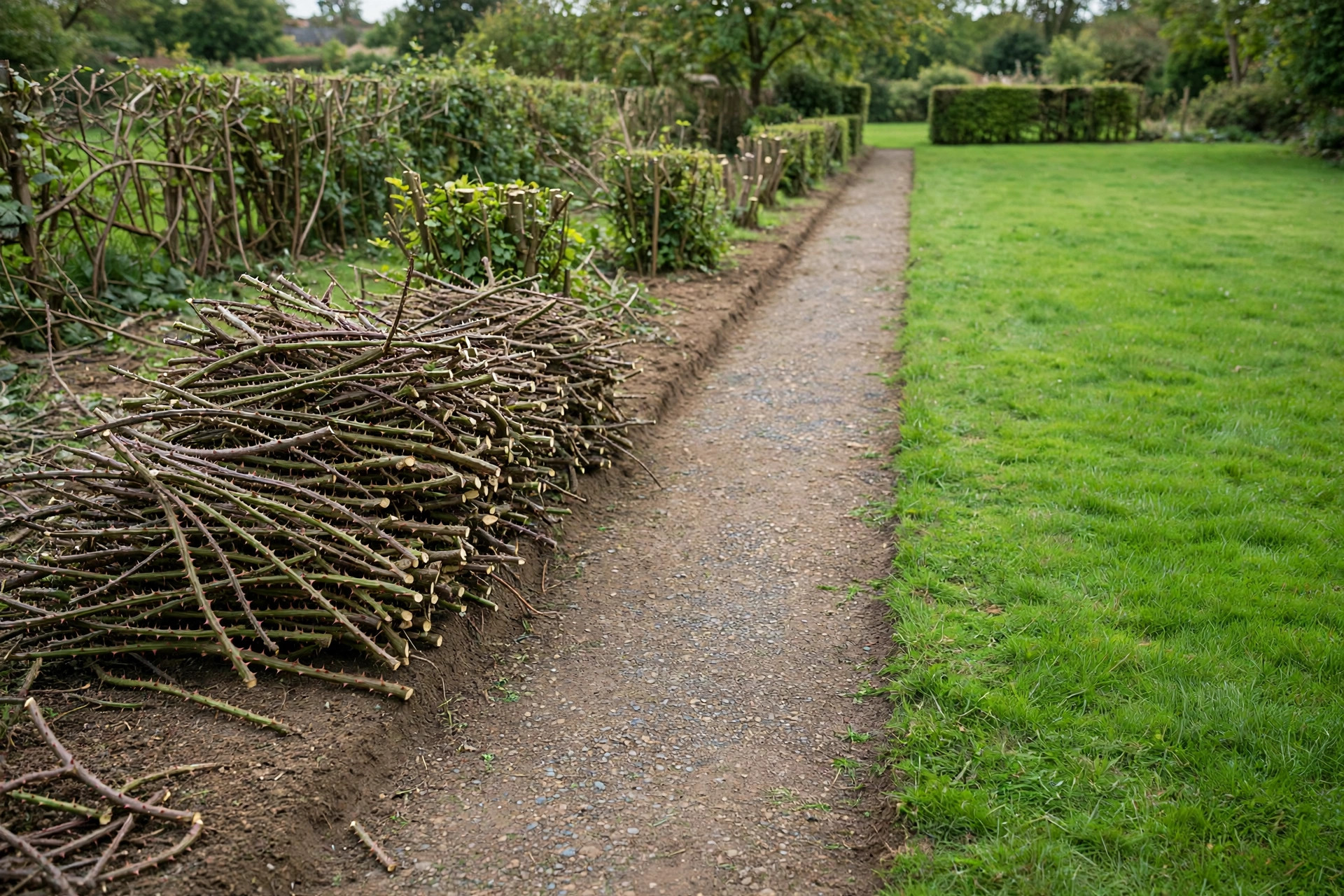
Hedge trimmers can cut brambles quite well all round. Results rest on how much they bend and how thick. Thick or old brambles may test trimmers hard. Check your brambles before you use a hedge trimmer. The right pick keeps your garden trim outside. Bend and thickness rule the result. Check first, then pick the tool. Old brambles test them the most. A trim garden is the prize. Your own check comes first here. Trimmers cut quite well all round.
Put safety steps first when you run hedge trimmers. Young growth suits a hedge trimmer quite well. Old thick growth suits a brush cutter more. Pick the tool that fits your patch today. So, will a hedge trimmer cut brambles for you? Young growth fits the trimmer best. Old growth fits the brush cutter. The patch sets the right tool. Safety comes first each time. Patch fit makes the last call. Young and old growth split here.

I’m Patricia D. Johnson, an affiliate marketer and blogger specializing in trimmers and grooming tools. I create honest reviews, buying guides, and practical tips to help readers choose the right trimmer for their needs. With a focus on quality, performance, and value, I simplify the decision-making process so consumers can make confident purchases.