
Ever wondered about the sustainability of gardening tools? Many trimmer lines are made of nylon, a material that can persist in the environment for hundreds of years. This alarming fact raises questions about their biodegradability and the potential environmental impact.
Initially, trimmer lines were designed without considering environmental implications, focusing solely on durability. However, recent advancements have brought forward biodegradable options composed of plant-based polymers. These innovative solutions are a step forward, offering a significant reduction in long-term environmental contamination while maintaining performance standards.
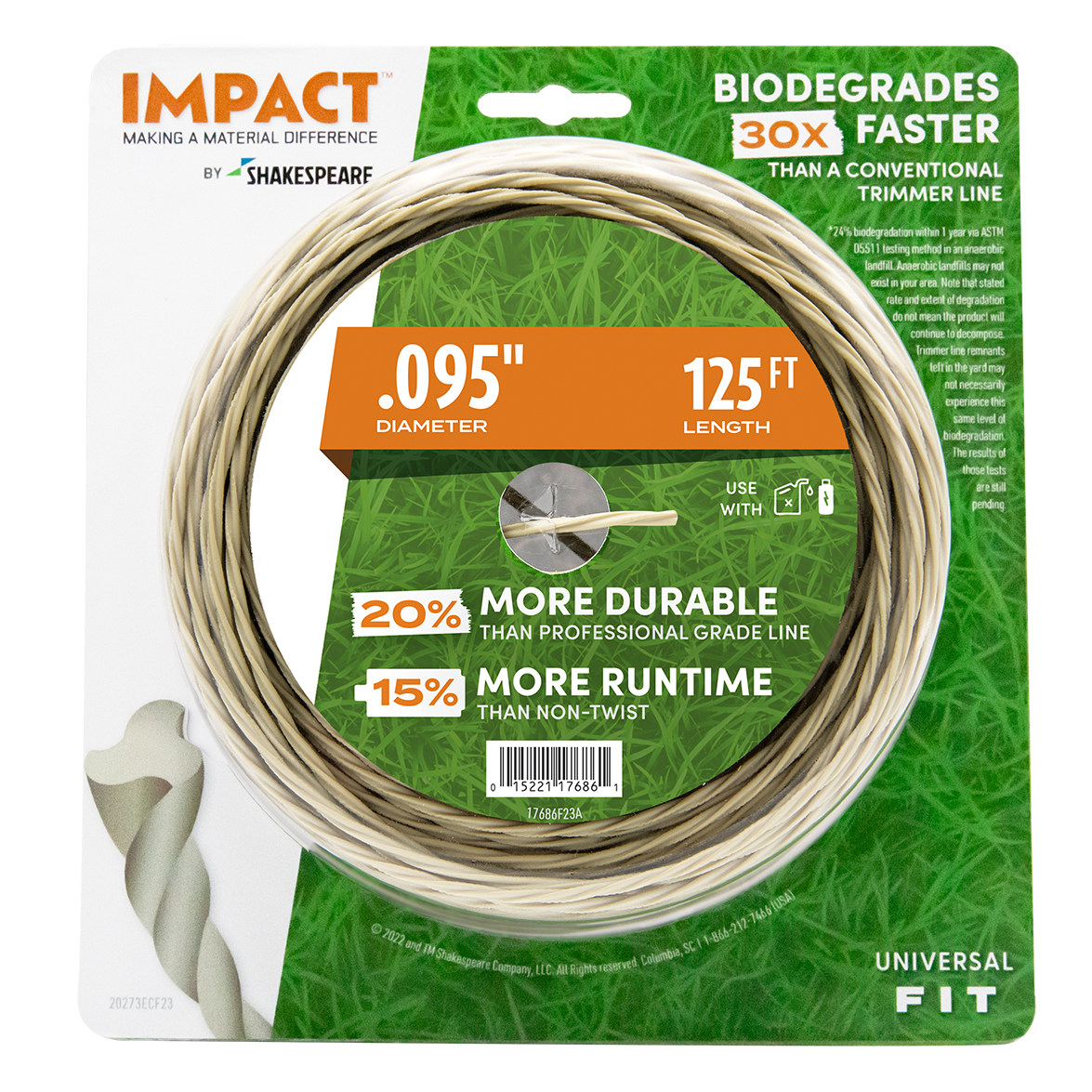
Source: businesswire.com
Is Trimmer Line Biodegradable
Standard trimmer lines are usually made from nylon, a durable plastic that takes centuries to decompose. This means that every time a trimmer line snaps and falls to the ground, it contributes to long-term environmental pollution. Even small fragments can linger in the soil, affecting both flora and fauna. According to this post, the standard sizes and types of trimmer lines are widely used, despite their environmental issues. The longevity of these materials poses significant challenges for sustainability.
There’s growing interest in making trimmer lines more eco-friendly. Newer options are being developed with biodegradable materials such as cornstarch-based plastics. These types of trimmer lines break down more quickly in the environment, reducing their long-term impact. However, widespread adoption has been slow. People are still learning about the benefits and availability of these alternatives.
One of the main reasons for this slow adoption is the cost. Biodegradable trimmer lines are often more expensive than their nylon counterparts. This can deter consumers who prioritize budget over environmental concerns. Despite the benefits, not everyone is willing to make the switch. Additionally, availability in local stores can be limited, making it harder for consumers to find these eco-friendly options.
Despite the higher cost, using biodegradable trimmer lines offers substantial environmental advantages. They contribute to less soil and water pollution. Furthermore, they decompose faster, reducing landfill waste. According to this article, making sustainable choices in lawn care can be a significant step towards preserving the environment. Ultimately, investing in biodegradable trimmer lines can be a meaningful contribution to a healthier planet.
The Composition and Environmental Impact of Standard Trimmer Lines
Standard trimmer lines are typically made from nylon, which is a plastic material. This makes them strong and durable, ideal for cutting through thick grass and weeds. However, when these lines break, they become tiny plastic pieces scattered across the lawn. These plastic fragments don’t decompose easily. Instead, they remain in the environment for many years.
The environmental impact of standard trimmer lines is substantial. These nylon pieces can find their way into soil and water systems. There, they can harm wildlife and disrupt ecosystems. For instance, small animals might mistake these fragments for food. Over time, these tiny plastic bits accumulate, adding to the growing problem of plastic pollution.
Efforts to address these environmental concerns have led to research into biodegradable alternatives. These environmentally friendly trimmer lines can break down much faster. Compostable materials like cornstarch are being tested as replacements for nylon. Despite these advances, not all biodegradable lines are available widely. Limited availability affects how quickly consumers can switch to these eco-friendly options.
Another concern is the safety aspect of using trimmer lines during different seasons. According to this expert opinion, using a weed eater with non-biodegradable trimmer lines can pose fire risks during dry seasons. This highlights yet another dimension of the environmental impact. Fire hazards linked to plastic trimmer lines add to the urgency of finding safer, biodegradable alternatives. These innovations aim to balance effective lawn care with environmental responsibility.
The Shift towards Biodegradable Trimmer Lines
As awareness of environmental issues grows, many manufacturers are developing biodegradable trimmer lines. These lines are made from natural, renewable materials. For example, some use plant-based polymers like cornstarch instead of traditional nylon. These materials are designed to break down faster in natural environments. This makes them an eco-friendly alternative to plastic trimmer lines.
The transition to biodegradable trimmer lines offers several benefits. First, they reduce long-term waste in landfills. Second, they minimize soil and water pollution. With less plastic lingering in the environment, wildlife faces fewer threats. It’s a significant step forward in sustainable yard maintenance.
Despite these benefits, biodegradable trimmer lines are not without challenges. One major issue is cost. These eco-friendly options are usually more expensive than regular nylon lines. This can make them less attractive to budget-conscious consumers. Additionally, the performance of biodegradable lines is still being tested to ensure they match traditional lines in durability and efficiency.
Availability is another hurdle. Biodegradable trimmer lines are not as widely stocked in local stores. Buyers often need to look online to find these products. Retailers are slowly beginning to stock these eco-friendly options as demand grows. This gradual shift promises a greener future for lawn care and gardening tools.
Advantages and Potential Challenges of Using Biodegradable Trimmer Lines
Biodegradable trimmer lines offer numerous environmental benefits. These lines break down more quickly, reducing long-term waste in landfills. They also minimize soil and water pollution. Made from natural materials, they are less likely to harm wildlife. This eco-friendly option aligns with global sustainability goals.
Another advantage is their performance in everyday use. Biodegradable lines have been improved to match the cutting efficiency of traditional nylon lines. They are designed to be strong enough to handle tough weeds and grass. Many users report similar performance levels with fewer environmental drawbacks. This makes them a practical choice for sustainable lawn maintenance.
However, the cost is a significant challenge when choosing biodegradable trimmer lines. These eco-friendly options tend to be more expensive than their nylon counterparts. The higher price can be a deterrent for budget-conscious consumers. Retailers need to educate buyers about the long-term benefits. This can help justify the initial investment.
Another challenge is availability. Biodegradable trimmer lines are not yet widely stocked in physical stores. Consumers often have to search online to find them. This lack of availability could slow down the transition to using eco-friendly lines. Increased demand might encourage more retailers to stock these products.
Concerns about the durability of biodegradable trimmer lines also persist. While many are comparable in strength to nylon, some users worry about their longevity. Extensive testing and feedback are needed to ensure reliability. Manufacturers continue to improve these products to meet consumer expectations. Over time, advancements are expected to overcome these durability concerns.
Retailers and consumers both play a role in this shift towards sustainability. Education about the benefits and challenges of biodegradable options is crucial. As awareness grows, so will the demand for eco-friendly trimmer lines. This change paves the way for a healthier planet and more responsible lawn care practices.
Frequently Asked Questions
Here are some common questions and answers related to trimmer lines. This information aims to provide clarity on various aspects of their usage and impact.
1. What materials are commonly used for trimmer lines?
Trimmer lines are commonly made from nylon, a durable plastic designed to handle tough grass and weeds. Nylon is chosen for its strength and flexibility, making it practical for heavy-duty yard work.
In addition to nylon, some trimmer lines include reinforced polymers or other synthetic materials. These alternatives aim to increase durability and efficiency, ensuring smoother cutting experiences.
2. How do biodegradable trimmer lines differ from conventional ones?
Biodegradable trimmer lines are made from natural materials like cornstarch-based plastics that break down faster in the environment. Unlike traditional nylon lines, these eco-friendly options decompose more quickly, offering an environmentally responsible choice.
The performance of biodegradable lines has been improved to match traditional ones in terms of cutting efficiency. However, they may be more expensive and less readily available in local stores compared to standard options.
3. Are there any specific conditions where biodegradable trimmer lines perform better?
Biodegradable trimmer lines perform well in typical garden settings where reducing environmental impact is essential. They break down more quickly when exposed to natural elements like moisture and sunlight.
This makes them ideal for gardeners committed to sustainability while maintaining effective lawn care practices. However, their availability might be limited depending on local store inventories.
4. What factors should you consider when choosing a trimmer line?
When choosing a trimmer line, consider the thickness and material based on your yard’s needs. For heavy-duty tasks involving thick weeds, a thicker line offers better durability and cutting power.
If environmental impact is a concern, opting for biodegradable materials can make a significant difference. Additionally, cost and availability are crucial factors that may influence your choice.
5. Can you use any type of trimmer line with all models of weed eaters?
No, not all types of trimmer lines are compatible with every model of weed eater. Each weed eater has specific requirements regarding line thickness and material type that ensures optimal performance.
Always refer to the user manual or manufacturer guidelines for compatible types of trimmer lines before making a purchase. Using the wrong type can reduce efficacy and possibly damage the equipment.
Conclusion
The shift towards biodegradable trimmer lines marks a positive step in sustainable gardening. These eco-friendly alternatives not only reduce long-term waste but also minimize soil and water pollution. Although they come with challenges such as higher costs and limited availability, their benefits to the environment are substantial.
Educating consumers about the advantages and addressing the practical concerns of biodegradable trimmer lines can aid in broader adoption. As technology advances and demand increases, these options are likely to become more accessible. Embracing such innovations contributes significantly to environmental conservation and responsible lawn care practices.

I’m Patricia D. Johnson, an affiliate marketer and blogger specializing in trimmers and grooming tools. I create honest reviews, buying guides, and practical tips to help readers choose the right trimmer for their needs. With a focus on quality, performance, and value, I simplify the decision-making process so consumers can make confident purchases.