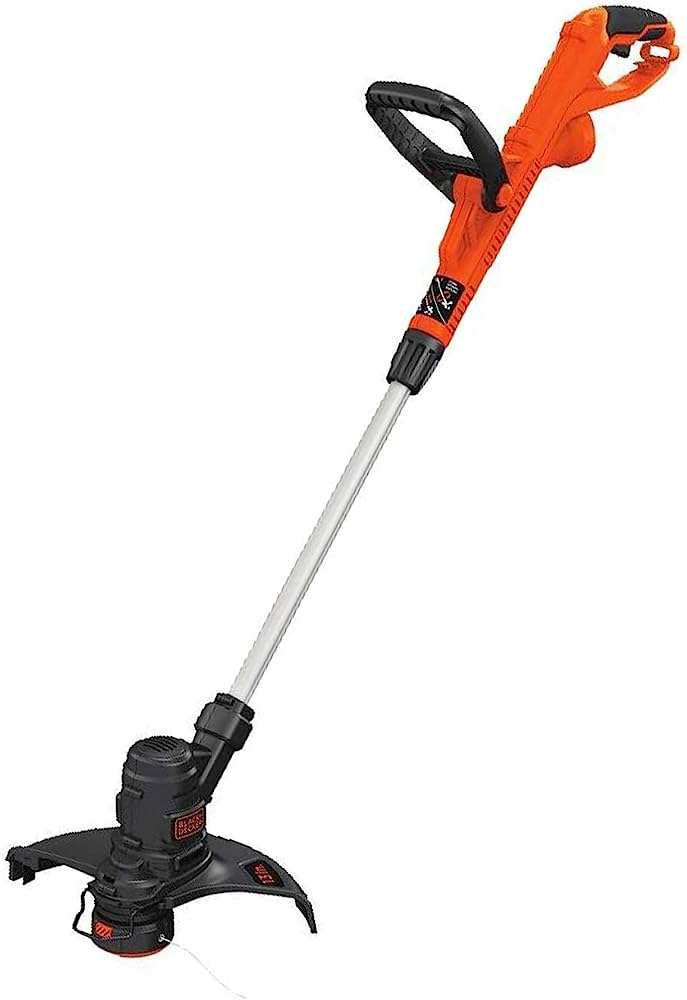
Can You Use a Lawn Edger for Flower Beds? Full Guide
Flower beds look best with sharp, clean borders. You may ask, can you use a lawn edger for flower beds? Yes, the post says this tool works well. It cuts precise boundaries around beds quickly and neatly. Sharp borders lift beds. The tool works well here. Clean cuts come fast. Beds gain crisp borders. Quick neat cuts help beds. Beds look best with edgers.
Clean edges lift the whole garden’s look at once. Homeowners and pro landscapers both use this method often. Many blade shapes let you tailor each edge. The tool suits many garden styles and bed sizes. Clean edges lift the look. Pros use this method too. Blade shapes tailor edges. Styles and sizes all fit. Each edge shape is yours. Homeowners use it a lot.
This guide covers gains, edger types, and steps. It shares tips and hand tools for beds too. Plain care keeps the edges crisp all season long. Read on to edge your beds like the pros. Gains come first here. Types come next here. Tips and hand tools follow. Care keeps edges crisp. Pros set the bar here. Steps fill the guide.
Quick answer: Yes, you can edge flower beds with one. A lawn edger cuts clean, precise bed boundaries quickly. It blocks grass and weeds from creeping inward too. The result looks professional and saves repeated hand work. Gas, electric, cordless, and manual models all fit.
Can You Use a Lawn Edger for Flower Beds? Key Benefits
The post lists four clear benefits of edger use. Clean edges come first on that benefit list today. A firm barrier against grass creep comes second overall. A professional look and saved effort complete it. Four gains lead the list. Clean edges come first. Grass creep gets blocked. Pro looks complete the list. Saved effort ends the list. Firm barriers rank second.
Why the Edges Matter
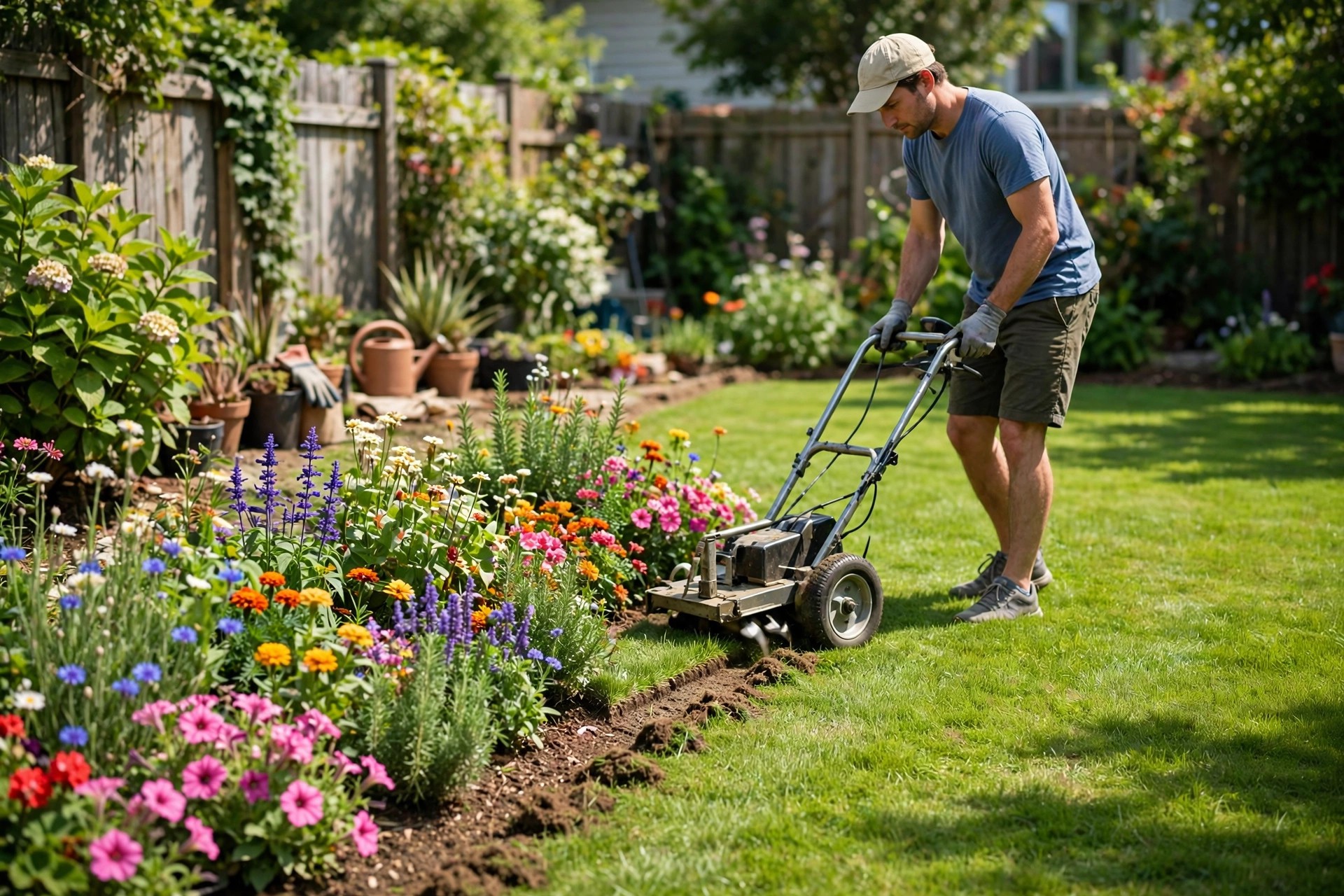
Sharp edges give beds a polished, manicured appearance fast. The clear line stops stray grass entering the bed. That barrier reduces weeding and frequent maintenance work greatly. Our lawn edger uses guide lists more jobs. Sharp edges polish beds. Weeding drops a lot. Links add depth here. Jobs sit in one link. Barriers block grass creep. Less weeding follows on.
Looks and Curb Appeal
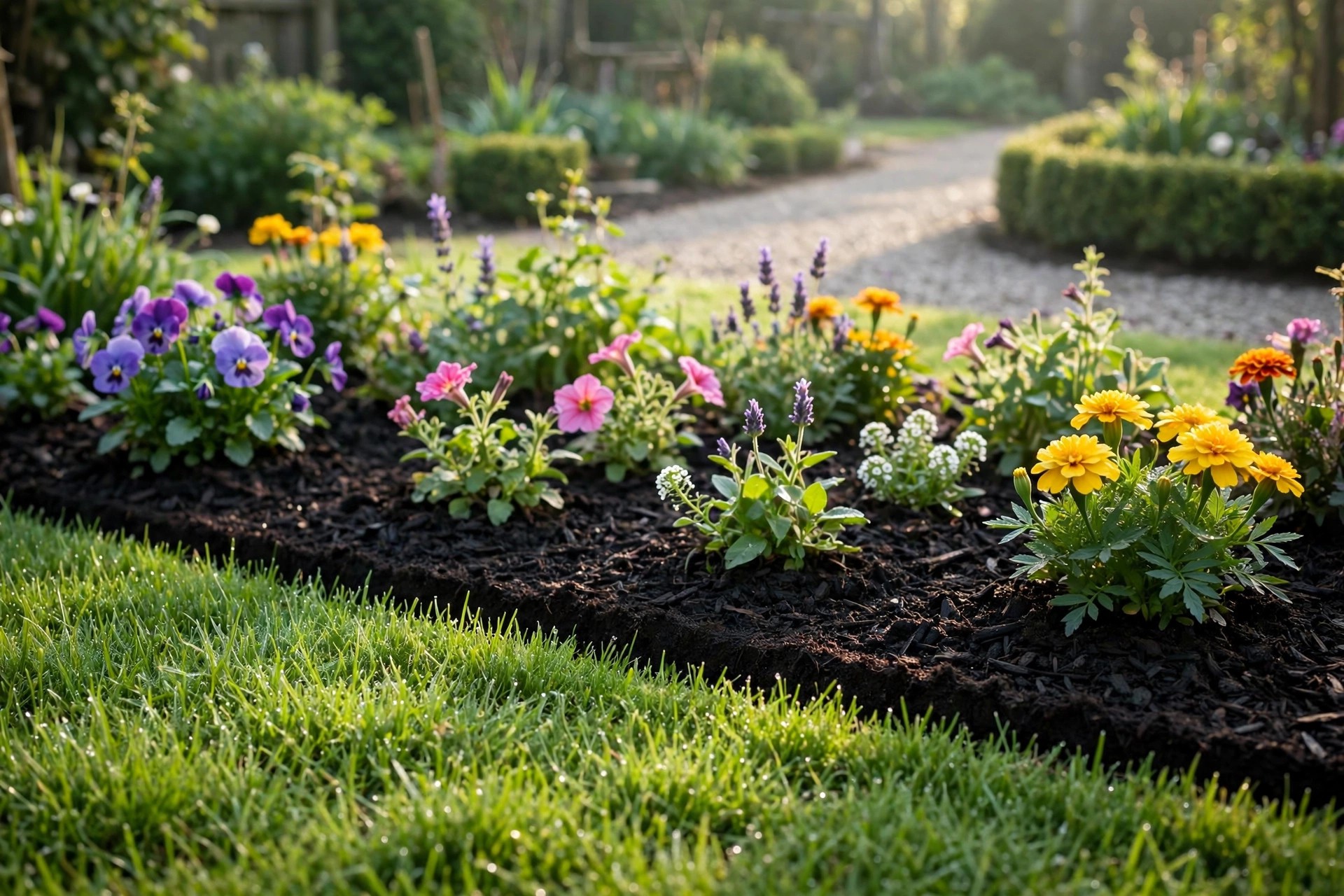
Crisp edges add elegance to the whole landscape design. They raise the curb appeal of your property too. Precise cuts keep beds looking pristine for weeks. Our seller and price guide compares buying options. Crisp edges add class. Curb appeal rises too. Beds stay neat for weeks. Prices sit in one link. Pristine beds last for weeks. Landscapes gain class too.
Choosing the Right Edger Type for Your Beds
Four edger types serve flower beds in their own ways. The table below sums up the post’s guidance in plain terms. Bed size and power access drive the right pick. Each type brings its own traits for your garden. Four types serve beds. The table sums it up. Bed size drives the pick. Power access drives picks too. Traits differ by type. Garden tastes steer picks.
| Edger Type | Post Guidance |
|---|---|
| Gas-powered | Robust power for tough grass and larger beds |
| Electric | Light, precise, low upkeep for smaller beds |
| Cordless | Battery freedom for medium beds and gardens |
| Manual | Quiet control for smaller beds, needs effort |
Matching Type to Bed Size
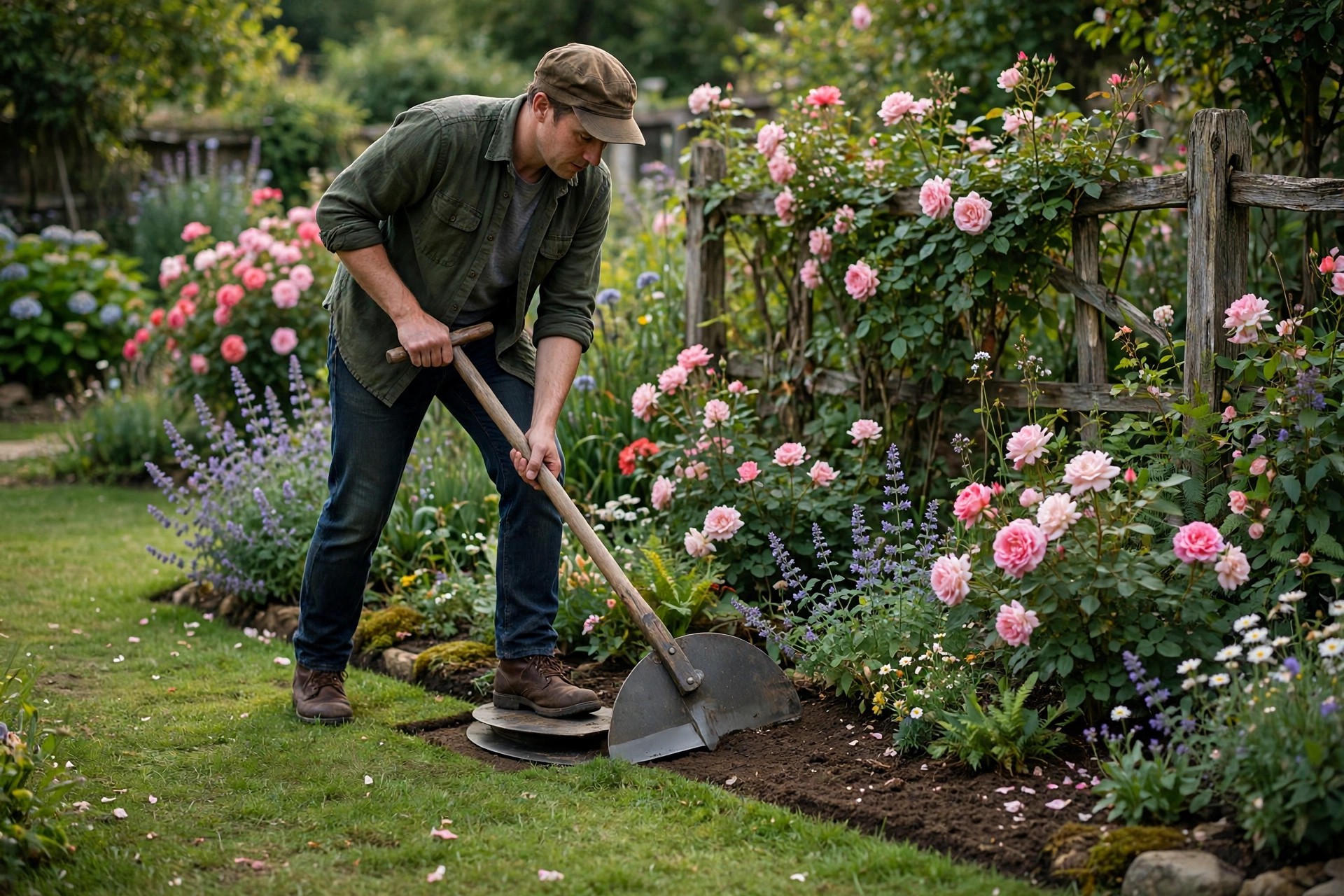
Gas models handle extensive landscaping projects without cords. Electric models suit gardens near a power source best. Cordless models balance power and portability for most yards. Our edge trimmer guide covers technique basics. The Wikipedia lawn edger page explains tool basics. Gas suits big jobs. Electric suits homes near power. Cordless balances both well. Links add depth here. Tool basics sit linked. Technique sits in one link.
How to Edge Flower Beds Step by Step
The post breaks edging into five clear stages. Prep and safety checks come before any cut. Marking and blade setup shape the end result most. Cleanup at the end keeps the finish sharp. Five stages shape the job. Prep comes before cuts. Marking shapes the result. Cleanup keeps the finish sharp. Safety checks come first. Blade setup shapes cuts.
Prepare, Mark, and Set the Blade
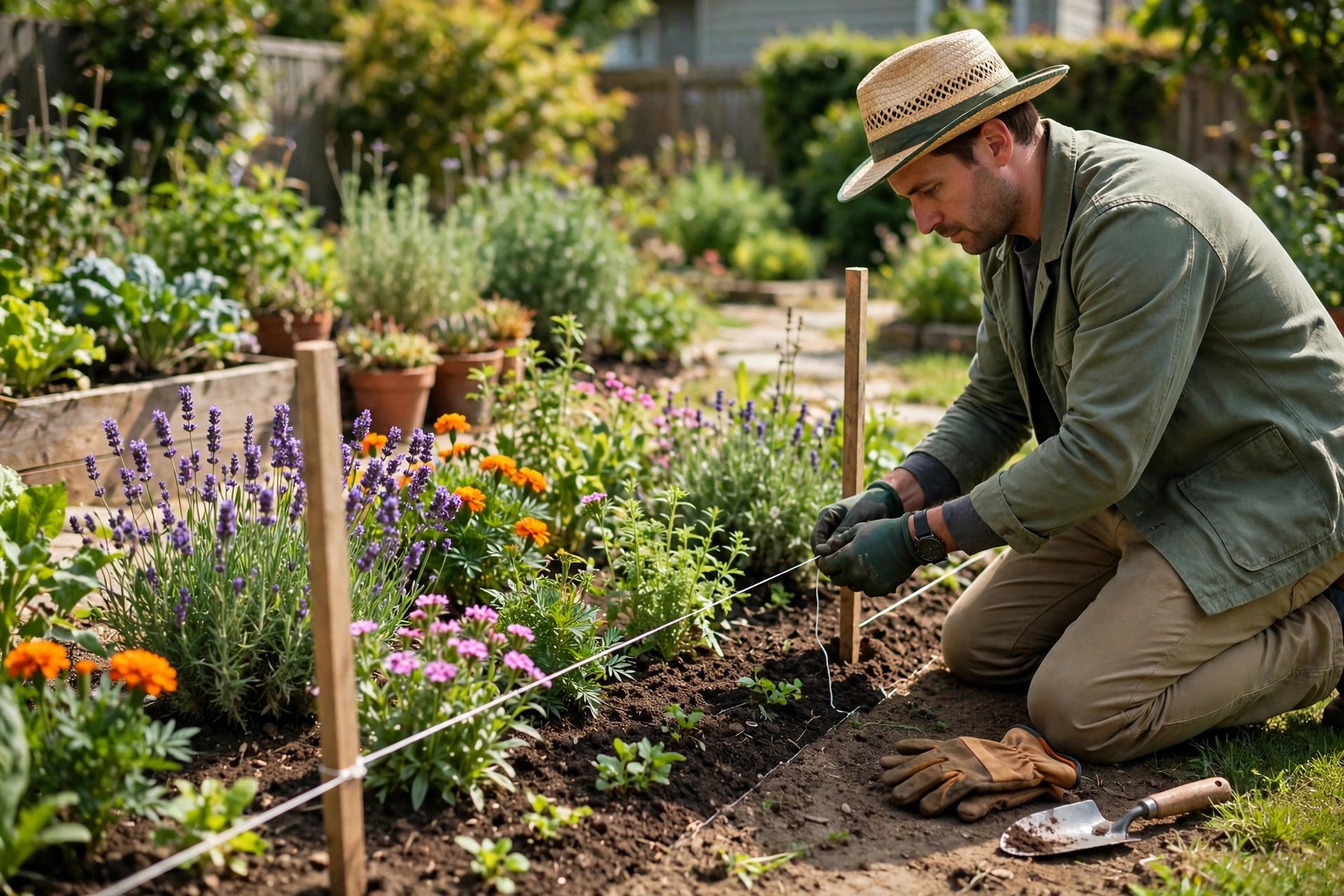
Clear debris, rocks, and plants from the edge first. Wear safety goggles, gloves, and closed-toe shoes always. Stretch a string between stakes to mark lines. Loosen the adjustment knob and set blade depth carefully. Clear the edge first. Gear guards you always. String marks the line. Set blade depth with care. Stakes hold the string line. Knobs set the blade depth.
Cut Along the Line, Then Clean Up
Hold the edger firm with both hands as you cut. Guide it slowly along the marked line at a steady speed. Press gently so the blade cuts smoothly through. Rake loose soil away and check the finished edge. Two hands hold the tool. Slow guides cut best. Soft pressure cuts smooth. Check the edge at the end. Loose soil gets raked off. Speed stays steady all through.
Never set the blade deeper than the job needs. A deep cut can damage your plants’ roots badly. Wet or muddy soil makes edging harder and messier. Our manual edger guide covers foot-powered cutting. Shallow cuts guard roots. Wet soil makes a mess. Links add depth here. Foot tools get a guide. Deep cuts harm roots. Mud makes edging messy.
Tips for Cleaner Edges Every Time
Five plain habits sharpen each edging session at home. Timing and depth lead the post’s tip list here. A steady pace keeps each cut even and straight. The table below pairs each tip with its payoff. Five habits sharpen work. Timing leads the list. Depth leads the list too. The table pairs tips with gains. Steady pace keeps cuts straight. Payoffs pair with each tip.
| Tip From the Post | Why It Helps |
|---|---|
| Edge after rain or watering | Moist soil cuts smoothly and cleanly |
| Watch depth and angle | A slight bevel boosts visual appeal |
| Keep a steady pace | Even cuts without jagged edges |
| Overlap each pass slightly | No gaps or missed sections remain |
| Use a string or hose guide | Straight lines around curves stay true |
Timing Matters Most
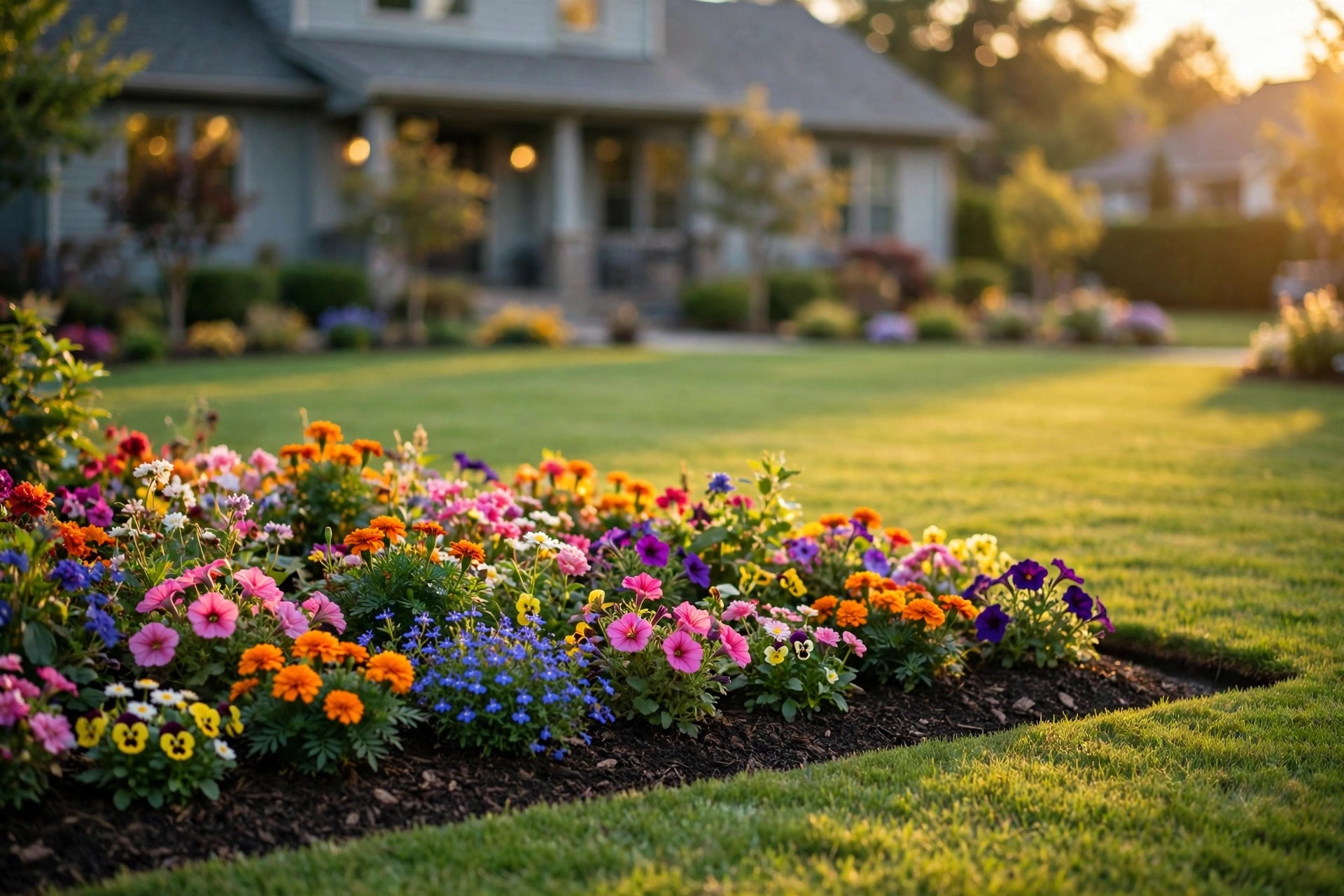
Moist soil lets the blade slice cleanly without tearing. Dry periods give rough, uneven edges by contrast here. Angle the edger slightly toward the bed when cutting. Our string trimmer edging guide shows another method. Moist soil slices clean. Dry soil cuts rough. Angle toward the bed. One more method sits linked. Wet soil tears far less. String tools edge too.
Alternative Ways to Edge Flower Beds
Four more ways appear in the post for hand edging. A garden spade leads the hand tools listed there. A shovel and a weed trimmer work well too. Landscape edging gives a more lasting border instead. A spade leads hand tools. Shovels work well too. Trimmers work well too. Lasting borders come from edging. Hand work stays an option. Permanent borders last longer.
Please note: This guide presents the lawn edger as ideal. Its own FAQ names the nursery spade best. Both claims stay here exactly as published below.
Spades, Shovels, and Trimmers
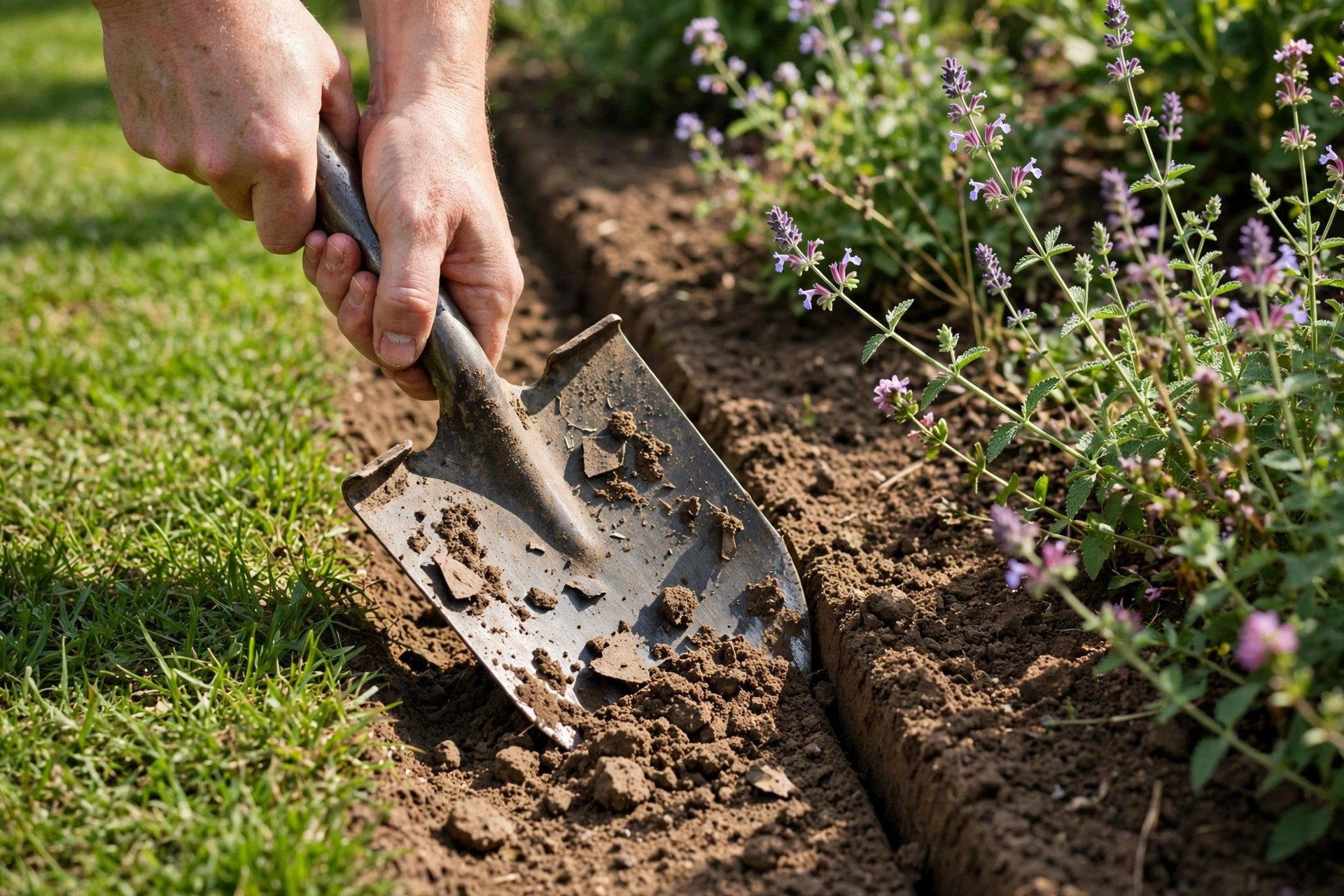
A flat-bladed nursery spade cuts clean, straight edges best. A round-bladed shovel works but cuts less precisely overall. A trimmer with an edging blade attachment works quickly. Trimmer edges need more frequent maintenance over time though. Flat blades cut straight. Round blades cut less clean. Trimmers work fast too. Trimmer edges need more care. Straight edges come from flat blades. Attachments speed trimmer work.
Materials and Professional Help
Plastic, metal, or stone edging forms a lasting barrier. The material sits in a trench along the bed. Professional landscapers bring knowledge, experience, and specialized tools. Our rental guide covers hiring tools instead. Stone and metal last long. Pros bring deep skill. Links add depth here. Rentals get a guide too. Trenches hold the barrier. Knowledge comes with pros.
Frequently Asked Questions
Can you use an edger for flower beds?
Yes, the post confirms edgers suit flower beds well. The edger helps create clean and defined edges. Those edges enhance the flower beds’ appearance greatly. It works for homeowners and professional landscapers alike. Edgers suit beds well. Edges come out clean. Homes and pros both use them. Defined edges lift beds. Great looks follow clean edges. Landscapers use edgers too.
What is the best tool to edge a flower bed?
The post names the flat-bladed nursery spade best. It provides clean and precise cuts along beds. It beats rounded shovels with a blunt point. You cut along the bed edge for definition. The flat spade wins here. Clean cuts line the beds. Flat beats blunt round. Beds gain clean lines. Shovels lose to flat spades. Definition comes from cuts.
How do you edge a flower bed with a power edger?
First, cut into the ground along the bed edge. Next, lay a garden hose along the outline. Then cut down into the grass along it. Pull back to open a shallow trench line. Cut along the bed edge. A hose marks the line. Pull back for a trench. Trenches open with a pull. Grass cuts come after marks. Shallow trenches take shape.
What is the easiest way to edge a flower bed?
The post calls the metal edger the easiest way. Cut into the ground along the bed edge first. Establish the outline with a garden hose beforehand too. Pull back to form a shallow trench after. Metal cuts the easy way. A hose sets the outline. Pull back for the trench. Trenches form with a pull. Ground cuts come first here. Shallow trenches form last.
When is the best time to edge flower beds?
The post advises edging after rain or watering sessions. Moist soil is simply easier to work with. The blade cuts through it far more smoothly then. Cleaner and sharper edges result from that timing. Edge after rain falls. Moist soil works with ease. Blades cut smooth then. Sharp edges follow good timing. Watered soil works best. Smooth cuts follow moist soil.
Conclusion: Can You Use a Lawn Edger for Flower Beds
So, can you use a lawn edger for flower beds? Yes, it creates clean, defined edges quickly and efficiently. The post shows it opens new beds with ease. Multiple blade profiles help you match your garden style. Clean edges come fast. New beds open with ease. Blade shapes match your style. Quick work saves hand work. Beds look pro with edgers. Styles match with blade shapes.
For hand-cut edges, the post favors a flat spade. Both routes keep beds neat with regular, light upkeep. Pick the method that fits your beds and budget. Your garden will look polished all season long. Crisp borders reward you after every mowing session. Flat spades suit hand work. Light upkeep keeps beds neat. Crisp borders reward you. Mowing shows off the borders. Budgets steer the pick. Season-long polish is the prize.