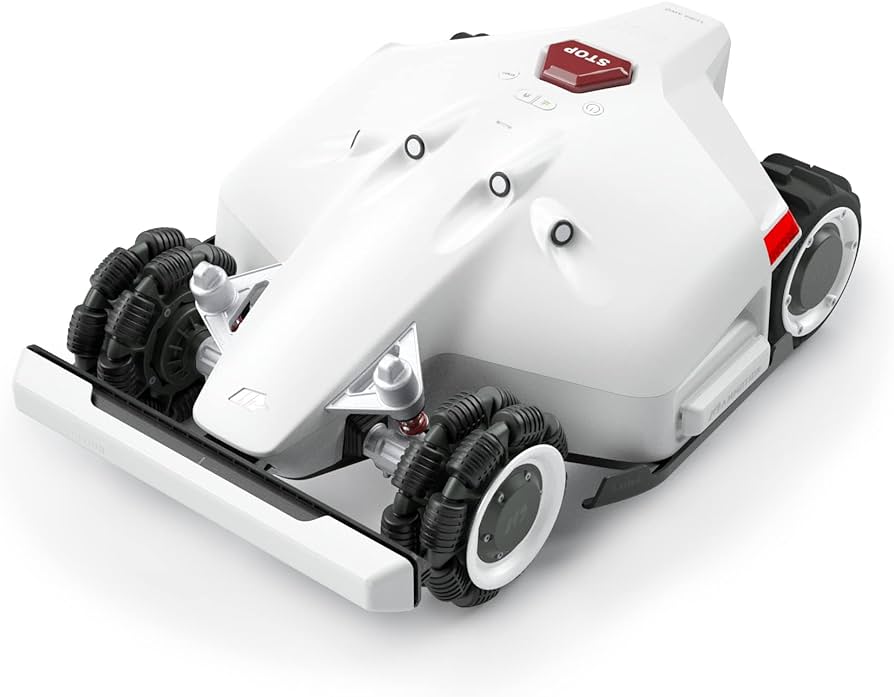
Yes, string trimmers can potentially damage vinyl fences. The rotating string can cause scratches, gouges, and even cracks in the vinyl material.
When it comes to maintaining your vinyl fence, you want to be sure that every step you take is done with care and precision. This includes using a string trimmer to keep the grass and weeds at bay. But, will using a string trimmer damage your vinyl fence?
In this blog post, we will answer this question and provide you with valuable insights on how to safely use a string trimmer near your vinyl fence. So, if you’re a proud owner of a vinyl fence and want to know the best practices for maintenance, keep reading!
Understanding Vinyl Fences
Before diving into whether a string trimmer will damage a vinyl fence, let’s first understand what vinyl fences are, their advantages, and the various types available.
Advantages Of Vinyl Fences
Vinyl fences offer numerous benefits, making them a popular choice for homeowners. The advantages of vinyl fences include:
- Durability: Vinyl fences are highly durable, standing up well to various weather conditions.
- Low Maintenance: They require minimal maintenance, as they do not need to be repainted or refinished.
- Versatility: Vinyl fences come in a wide range of styles and colors, allowing for customization to complement any property.
- Longevity: With proper care, vinyl fences can last for many years, making them a cost-effective option in the long run.
Types Of Vinyl Fences
There are several types of vinyl fences available, each serving different purposes and aesthetic preferences. The common types of vinyl fences include:
- Privacy Fences: These fences are designed to provide privacy and can feature solid panels or closely spaced pickets.
- Picket Fences: Known for their classic look, picket fences are popular for their decorative appeal.
- Ranch Rail Fences: Also referred to as split rail fences, these are suitable for large properties and provide a rustic charm.
- Pool Fences: Specifically designed to meet pool safety requirements, these fences are essential for securing swimming pools.

Credit: www.amazon.com
Potential Damage Caused By String Trimmers
When it comes to maintaining the cleanliness of your vinyl fence, string trimmers can be a convenient tool. However, it’s important to be mindful of the potential damage they can cause if not used carefully. Various factors can lead to damage to your vinyl fence when using a string trimmer, and being aware of these can help you take the necessary precautions to protect your fence.
Scratching The Surface
Using a string trimmer too closely to the vinyl fence can lead to scratching the surface of the material. The rapid movement of the trimmer’s string can cause friction against the fence, leading to unsightly scratches that detract from the fence’s appearance.
Cracking Or Breaking The Vinyl Panels
Another potential risk of using a string trimmer near a vinyl fence is cracking or breaking the vinyl panels. This can occur if the trimmer accidentally makes direct contact with the panels, leading to damage that requires costly repairs.
Preventing Damage To Vinyl Fences
Vinyl fences provide an attractive and low-maintenance option for homeowners. They are durable, long-lasting, and resistant to rot, rust, and pests. However, when it comes to maintaining them, certain precautions should be taken to prevent damage. This article will explore two essential methods to prevent any harm to your vinyl fence: maintaining a safe distance and using a protective barrier.
Maintaining A Safe Distance
When using a string trimmer near your vinyl fence, it is crucial to maintain a safe distance to avoid accidental contact and potential damage. String trimmers, also known as weed eaters or weed whackers, have fast-spinning strings that can cause scratches, dents, or even cracks in your vinyl fence if they come into contact with it.
The safest distance to keep between your string trimmer and the vinyl fence is at least 12 to 18 inches. This distance provides a buffer zone to prevent any accidental contact, especially when trimming the edges or corners of your lawn. By maintaining a safe distance, you can ensure the longevity and beauty of your vinyl fence.
Using A Protective Barrier
One effective way to protect your vinyl fence from potential damage caused by a string trimmer is by using a protective barrier. A protective barrier acts as a physical shield between the trimmer and the fence, preventing direct contact and reducing the risk of scratches or cracks.
A common type of protective barrier is a plastic or rubber shield that can be attached to the string trimmer itself. This shield extends beyond the spinning strings, creating a barrier that blocks any unintentional contact with the vinyl fence. It is essential to ensure the protective barrier is properly attached and in good condition before using the trimmer.
| Pros | Cons |
|---|---|
| Prevents direct contact with the fence | May require additional cost |
| Reduces the risk of scratches and cracks | Some barriers may obstruct the view |
| Easy to attach and detach | Regular maintenance required to ensure its effectiveness |
Using a protective barrier offers an extra layer of defense for your vinyl fence, ensuring minimal or no damage during routine trimming.
To summarize, preventing damage to your vinyl fence can be achieved by maintaining a safe distance and using a protective barrier. By following these two simple but effective methods, you can keep your vinyl fence in excellent condition, preserving its beauty and functionality for years to come.
Alternative Methods For Trimming Near Vinyl Fences
When it comes to maintaining the pristine look of your vinyl fence, it’s essential to consider alternative methods for trimming near it. While using a string trimmer may seem like a convenient option, it can potentially damage the delicate surface of your vinyl fence. To ensure the longevity and aesthetics of your fence, let’s explore alternative methods that are safer and equally effective.
Manual Trimming With Shears
If you want to avoid the risk of damaging your vinyl fence, manual trimming with shears is an excellent alternative. This method allows you to have more control over the precision and angle of the cut, minimizing the chances of accidental contact with the fence.
To start, gather a pair of sharp garden shears specifically designed for trimmings tasks. Here’s a step-by-step guide on how to manually trim near your vinyl fence:
- Inspect the area around your vinyl fence and identify any overgrown plants or grass that needs trimming.
- Carefully approach the vegetation and position yourself in a way that you have a clear view of what needs to be trimmed.
- Hold the shears comfortably and place the blades directly against the vegetation you wish to remove.
- Apply a gentle squeezing motion with the shears to make a clean and precise cut. Take care to avoid contact with the vinyl fence.
- Repeat this process for each overgrown section, ensuring that you maintain an even appearance along the length of your fence.
Using An Edging Tool
If manual trimming with shears feels too time-consuming, using an edging tool is another effective alternative for trimming near your vinyl fence. An edging tool creates a defined edge between your fence and the surrounding vegetation, keeping everything neat and orderly.
Here’s a simple guide on how to use an edging tool near your vinyl fence:
- Choose a suitable edging tool that matches the requirements of your fence and the type of vegetation surrounding it.
- Start by clearing the area around your vinyl fence and removing any debris or overgrown grass.
- Hold the edging tool firmly and position it at a slight angle against the ground, aligning it with the edge of your fence.
- With a steady hand, push the edging tool forward, creating a clean cut through the vegetation. Be cautious not to apply excessive force or lose control of the tool.
- Repeat this process along the length of your fence, ensuring that the edge remains consistent and visually appealing.
By adopting these alternative methods, you can effectively trim near your vinyl fence without causing any damage or compromising on the beauty of your garden. Whether you choose to use manual trimming with shears or an edging tool, your fence will maintain its pristine appearance for years to come.
Frequently Asked Questions Of Will String Trimmer Damage Vinyl Fence
Will Using A String Trimmer Damage My Vinyl Fence?
Using a string trimmer can potentially damage your vinyl fence. The spinning string can scratch or dent the surface of the fence, leading to cosmetic damage. Additionally, excessive force or incorrect technique can cause structural damage, such as cracked or broken slats.
Proper caution and technique are necessary to avoid damaging your vinyl fence during trimming.
How Can I Prevent Damage To My Vinyl Fence While Using A String Trimmer?
To prevent damage to your vinyl fence while using a string trimmer, there are a few precautions you can take. First, make sure to adjust the trimmer’s cutting height to avoid hitting the fence. Additionally, use a lower RPM setting on the trimmer to reduce the chances of accidentally hitting the fence too hard.
Lastly, consider using a protective barrier or guard between the trimmer and the fence to minimize the risk of damage.
Is There A Specific Type Of String Trimmer That Is Safe For Vinyl Fences?
While there isn’t a specific type of string trimmer that is exclusively safe for vinyl fences, there are certain features to look for. Opt for a trimmer with adjustable cutting height settings to minimize the risk of hitting the fence.
Additionally, consider trimmers with lower RPM settings and possibly ones with protective guards or barriers. Always use caution and technique to avoid damaging your vinyl fence regardless of the trimmer you choose.
Conclusion
To maintain the integrity and longevity of your vinyl fence, it is crucial to use string trimmers with caution. Be mindful of the impact they can have on your fence and follow the essential tips and techniques mentioned in this blog.
Regular maintenance and cleaning are also key to preventing any potential damage. Consider investing in tools like Post Shields Post Protector to provide an extra layer of protection.
If you prefer a more gentle approach, manual grass cutting tools can be a viable alternative to string trimmers. Ultimately, the goal is to keep your vinyl fence in pristine condition while ensuring the beauty and functionality of your outdoor space.