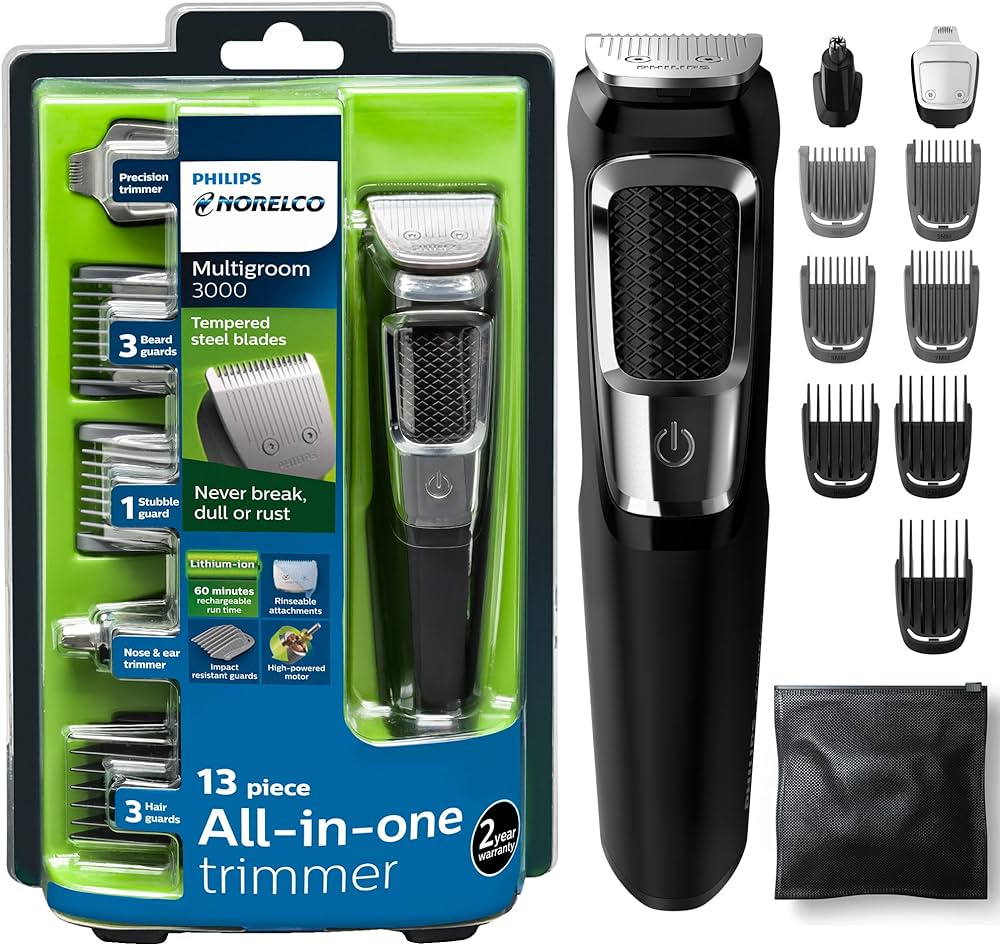
Oiling trimmer blades is necessary to reduce friction, prevent damage, and ensure smooth cutting performance. Without oil, the blades may rattle, become less effective, and potentially seize up completely due to the heat and lack of lubrication generated by friction during use.
As a professional in the field of grooming and maintenance, you understand the importance of keeping your tools in top shape. One essential practice that often gets overlooked is oiling trimmer blades. In this blog post, we will delve into why oiling trimmer blades is crucial for their longevity and performance.
We’ll discuss how oiling helps prevent rust, reduces friction, and ensures smooth operation. Whether you’re a professional barber or a DIY enthusiast, this information is vital for maintaining the efficiency and effectiveness of your trimmer blades.
So, let’s get into the nitty-gritty of why oiling trimmer blades should be an integral part of your grooming routine.
Why Oiling Trimmer Blades?
Properly oiling trimmer blades is essential to prevent damage and maintain their performance. Without oil, the blades can become damaged, resulting in reduced efficiency and potential seizing up. Regular oiling ensures smooth cutting and prolongs the life of the blades.
Extend The Lifespan Of Blades
Oiling trimmer blades is crucial for extending their lifespan. Regular oiling helps to lubricate the blades, reducing friction and preventing them from wearing out quickly. When the blades are properly oiled, they can continue to provide efficient cutting performance for a longer period of time. By investing a few minutes in oiling your trimmer blades, you can save yourself from the hassle of frequent blade replacements.
Ensure Smooth Operation
Properly lubricated trimmer blades ensure smooth operation. When the blades are oiled, they move freely without any resistance, providing a seamless trimming experience. The oil creates a protective layer that reduces friction between the blade surfaces, allowing them to glide effortlessly through the hair. This ensures precise and uniform cuts, resulting in a professional-looking trim.
Prevent Rust And Corrosion
Oiling your trimmer blades is essential for preventing rust and corrosion. The metal blades are constantly exposed to moisture, hair clippings, and other contaminants during grooming sessions. Over time, this can lead to the development of rust, which not only affects the performance of the blades but also compromises their hygiene.
By applying a thin layer of oil, you can create a barrier that protects the blades from moisture and corrosion. This helps to keep your trimmer blades in top condition, ensuring long-lasting durability.
Maintain Cutting Efficiency
Regular oiling of trimmer blades is necessary to maintain their cutting efficiency. When the blades are clean and lubricated, they can easily cut through different hair types and lengths with precision. Oiling removes any debris or hair particles that might accumulate on the blades, preventing clogging and ensuring consistent cutting performance. This ensures that each trim is efficient and saves you time and effort.
Overall, oiling your trimmer blades is essential for their longevity, smooth operation, prevention of rust and corrosion, and maintenance of cutting efficiency. Make it a habit to oil your trimmer blades regularly and enjoy hassle-free grooming sessions with optimal results.

Credit: m.youtube.com
How Often Should You Oil Your Blades?
Regularly oiling your trimmer blades is essential to keep them well lubricated and prevent damage. Without proper oiling, the blades can become damaged, causing them to rattle and cut less smoothly. To maintain the longevity and performance of your trimmer blades, make sure to oil them frequently.
It is essential to oil your trimmer blades regularly to maintain their performance and longevity. The frequency of oiling depends on the frequency of use and the specific factors that affect the blades. By following a consistent oiling schedule, you can ensure that your blades remain sharp and efficient, giving you optimal results with every use.
Frequency Of Oiling
The frequency at which you should oil your blades primarily depends on how often you use your trimmer. For individuals who use their trimmers daily or on a regular basis, oiling before and after every use is recommended. This helps to reduce friction and heat generated by the blades during operation, preventing them from getting dull or overheating.
However, if you use your trimmer less frequently, you can follow a weekly or monthly oiling schedule. This will still provide sufficient lubrication to keep the blades running smoothly and prevent any potential rust or corrosion buildup.
Factors Affecting Oiling Schedule
Several factors can affect the oiling schedule for trimmer blades. These include:
- The frequency of use: The more often you use your trimmer, the more frequently you should oil the blades. Daily use requires more regular oiling to maintain optimal performance.
- Environmental conditions: Extreme temperatures, high humidity, or exposure to moisture can accelerate the need for oiling as they can promote rust or corrosion on the blades. In such cases, it is advisable to increase the frequency of oiling.
- Type of trimmer: Different trimmers have varying blade designs and materials. Some may require more frequent oiling than others. It is best to refer to the manufacturer’s instructions or guidelines for your specific trimmer model.
Signs That Blades Need Oil
It is essential to be aware of the signs that indicate your trimmer blades require oiling. These signs can include:
- Reduced cutting performance: If you notice that your trimmer is not cutting as efficiently as before or if it is pulling or snagging the hair, it may be a sign that the blades need lubrication.
- Increased heat or noise: When the blades are not properly lubricated, they can create excessive heat or emit unusual noises during operation. These are indications that oiling is needed to reduce friction and keep the blades running smoothly.
- Rust or corrosion: If you notice any signs of rust or corrosion on your trimmer blades, it is crucial to clean and oil them immediately. Regular oiling can help prevent rust and maintain the blades’ integrity.
By understanding the frequency of oiling, the factors that affect the schedule, and the signs that indicate the blades need oil, you can ensure the optimal performance and longevity of your trimmer blades. Regularly oiling your blades will help you achieve precise and effortless trimming, keeping your trimmer in top shape for years to come.
Step-by-step Guide On Oiling Trimmer Blades
Keeping your trimmer blades well-oiled is essential for maintaining their performance and longevity. Regular oiling not only helps to reduce friction and heat, but it also prevents rust and corrosion. In this step-by-step guide, we will walk you through the process of oiling your trimmer blades to ensure they stay sharp and efficient. Follow these simple steps to keep your trimmer blades in top shape.
Cleaning Your Blades
Before applying oil to your trimmer blades, it’s crucial to clean them thoroughly. Use a soft brush or a clean cloth to remove any hair clippings, dirt, or debris from the blades. Ensure that the blades are free from any residue that may interfere with the oiling process.
Applying Oil
Once the blades are clean, it’s time to apply oil. Choose a high-quality clipper oil or blade lubricant specifically designed for trimmer blades. Apply a few drops of oil to the blades, focusing on the teeth. Make sure that the oil reaches all the necessary parts, including the cutting edges and pivot points.
To apply the oil, hold the trimmer upright with the blades facing up. Gently squeeze the oil bottle or use a dropper to release a few drops onto the blades. Be careful not to overdo it, as excess oil can lead to a messy application and may cause the blades to accumulate more dust and debris.
Wiping Off Excess Oil
After applying the oil, allow it to penetrate the blades for a few seconds. Then, take a clean cloth or paper towel and wipe off any excess oil. This step is essential to prevent the oil from dripping onto the trimmer body or your work surface. Additionally, wiping off the excess oil ensures that only the necessary amount remains on the blades for optimal lubrication.
Make sure to wipe off the oil thoroughly but gently. Aim to remove the excess oil without disturbing the application on the blades. Once done, double-check to ensure no oil drips are left behind.
With these easy steps for oiling your trimmer blades, you can keep them in excellent condition for a long time. Remember to clean your blades before oiling, apply the oil sparingly and evenly, and wipe off any excess oil. Regular maintenance, including oiling, will not only improve the trimmer’s performance but also extend its lifespan, saving you money on blade replacements. Take care of your trimmer blades, and they will take care of you!
Recommended Oils For Trimmer Blades
When it comes to maintaining the performance and longevity of your trimmer blades, oiling them regularly is a must. Oiling not only reduces friction and heat generated during usage but also helps to prevent rust and corrosion. But what kind of oil should you use? In this section, we will discuss the recommended oils for trimmer blades to ensure you make the right choice for your grooming equipment.
Choosing The Right Oil
Choosing the right oil is crucial for the optimal functioning of your trimmer blades. The oil should have specific qualities that make it suitable for this purpose. Here are a few factors to consider:
- Lubrication: The oil should provide sufficient lubrication to minimize friction and heat generation.
- Viscosity: Opt for an oil with medium viscosity, as it will easily spread across the blades without dripping excessively.
- Corrosion prevention: Look for an oil that has rust-prevention properties to safeguard the blades from moisture and oxidation.
Popular Oil Brands For Trimmers
Several oil brands are well-regarded in the grooming industry and are trusted by professionals and enthusiasts alike. Here are some popular choices:
| Oil Brand | Features |
|---|---|
| Wahl Premium Hair Clipper Blade Lubricating Oil | Specifically formulated for Wahl clippers, trimmers, and blades. Provides excellent lubrication and prevents rust and corrosion. |
| Andis Clipper Oil | A high-quality oil suitable for all Andis clippers and trimmers. It is designed to lubricate and cool the blades for a smooth cutting experience. |
| Oster Blade Oil | An industry-favorite, Oster Blade Oil is perfect for all types of clippers and trimmers. It prevents rust, corrosion, and helps prolong blade life. |
Keep in mind that these are just a few examples, and there are many other reputable brands available in the market. Do some research and choose an oil that suits your specific trimmer’s requirements.
By regularly oiling your trimmer blades with the right oil, you can ensure they stay in excellent condition, perform optimally, and last for a long time. Don’t overlook this simple maintenance step, as it can make a significant difference in the performance and lifespan of your trimming equipment.
Additional Tips For Blade Maintenance
When it comes to blade maintenance, one important tip is to regularly oil your trimmer blades. Oiling the blades helps to keep them lubricated, reducing friction and preventing damage that can affect their performance.
Proper blade maintenance is essential for keeping your trimmer running smoothly and prolonging the lifespan of your blades. In addition to regular oiling, there are a few other important practices to help maintain the quality and performance of your trimmer blades. Follow these additional tips for blade maintenance:
Storing Trimmers Properly
When you’re not using your trimmer, it’s crucial to store it properly. Storing your trimmer in a safe and clean environment will help prevent any damage to the blades. Here are a few tips for storing your trimmer:
- Always disconnect the trimmer from the power source before storing it.
- Clean the blades thoroughly before storing to remove any hair or debris.
- Place a protective cover on the blades to prevent any accidental damage.
- Store the trimmer in a dry and dust-free area to avoid rust formation.
- Avoid storing the trimmer near chemicals or extreme temperatures, as they can affect the quality of the blades.
Regular Blade Cleaning And Inspection
In addition to oiling, regular cleaning and inspection of the blades are essential for maintaining their performance. Here’s how to clean and inspect your trimmer blades:
- Start by removing any hair or debris using a small brush or a toothbrush. Make sure to clean between the teeth of the blades.
- Inspect the blades for any signs of damage, including rust or dents. If you notice any damage, it’s important to replace the blades to avoid compromising the trimmer’s performance.
- Wipe the blades with a clean cloth to remove any remaining debris or oil residue.
- Ensure that the blades are properly aligned. If you notice any misalignment, refer to the manufacturer’s instructions for realigning the blades.
Sharpening Blades
Over time, trimmer blades can become dull and lose their cutting effectiveness. When this happens, sharpening the blades is necessary to maintain optimal performance. Here’s how to sharpen your trimmer blades:
- Disconnect the trimmer from the power source and remove the blades from the trimmer.
- Use a sharpening stone or a file to gently sharpen the blades. Follow the manufacturer’s instructions for the correct sharpening technique.
- Once the blades are sharpened, clean them thoroughly to remove any metal shavings or debris.
- Reassemble the blades back onto the trimmer and oil them before using the trimmer again.
By following these additional tips for blade maintenance, you can ensure that your trimmer blades stay in excellent condition for long-lasting performance.
Frequently Asked Questions For Why Oiling Trimmer Blades
Do You Need To Oil Trimmer Blades?
Yes, you need to oil trimmer blades. Oiling reduces friction and corrosion, enhancing cutting performance. Without oil, the blades can become damaged, rattle, and cut less smoothly.
What Happens If I Don’t Oil My Clippers?
When in use, clippers produce friction which can damage them if not lubricated. Without oil, they may rattle, cut less smoothly, and eventually seize up completely. Oiling the blades reduces corrosion and friction, resulting in better cutting performance.
Why Do Blades Need Oil?
Blades need oil to reduce friction and prevent corrosion. Oiling metal blades improves cutting performance by reducing resistance between the blades. It also helps to keep them well lubricated, preventing damage from excessive heat and ensuring smooth, efficient cutting.
Why Do You Lubricate Clippers?
Oiling clippers is essential to reduce friction and prevent damage. Friction can cause heat and wear on the blades, leading to poor cutting performance and potential seizure. Additionally, oiling prevents corrosion and keeps the blades in optimal condition for efficient use.
Conclusion
Oiling trimmer blades is essential for maintaining their performance and prolonging their lifespan. By reducing friction and preventing corrosion, regular oiling ensures smooth and efficient cutting. Neglecting to oil the blades can lead to increased heat, rattling, and even complete malfunction.
Keeping your trimmer blades well-lubricated not only improves their functionality but also saves you from the hassle of dealing with damaged equipment. So, make sure to incorporate regular oiling into your trimmer maintenance routine to enjoy optimal performance and durability.