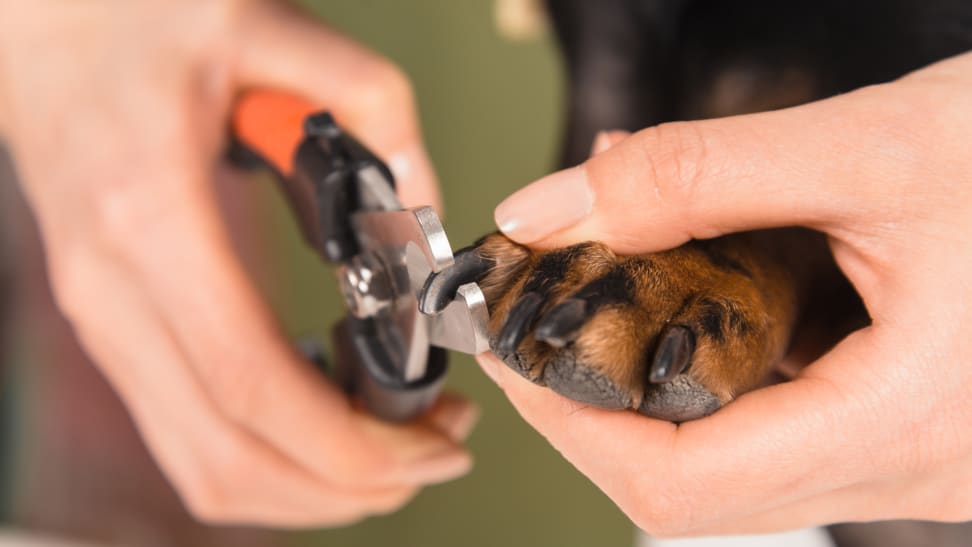
Yes, human nail clippers can be used for dogs, but it is recommended to use specially designed dog nail clippers for better safety and effectiveness. Maintaining your dog’s nail hygiene is essential to keep their paws healthy.
Trimming their nails regularly helps prevent discomfort, paw injuries, and potential infections. While human nail clippers may appear similar, dog nail clippers have distinct features tailored for dogs’ specific needs. They often have a sharper cutting edge and a specialized safety guard to prevent over-cutting.
Additionally, dog nail clippers come in different sizes to accommodate various dog breeds and nail thickness. By using the appropriate tools, you ensure a more comfortable experience for your furry friend and minimize the risk of accidental injuries.
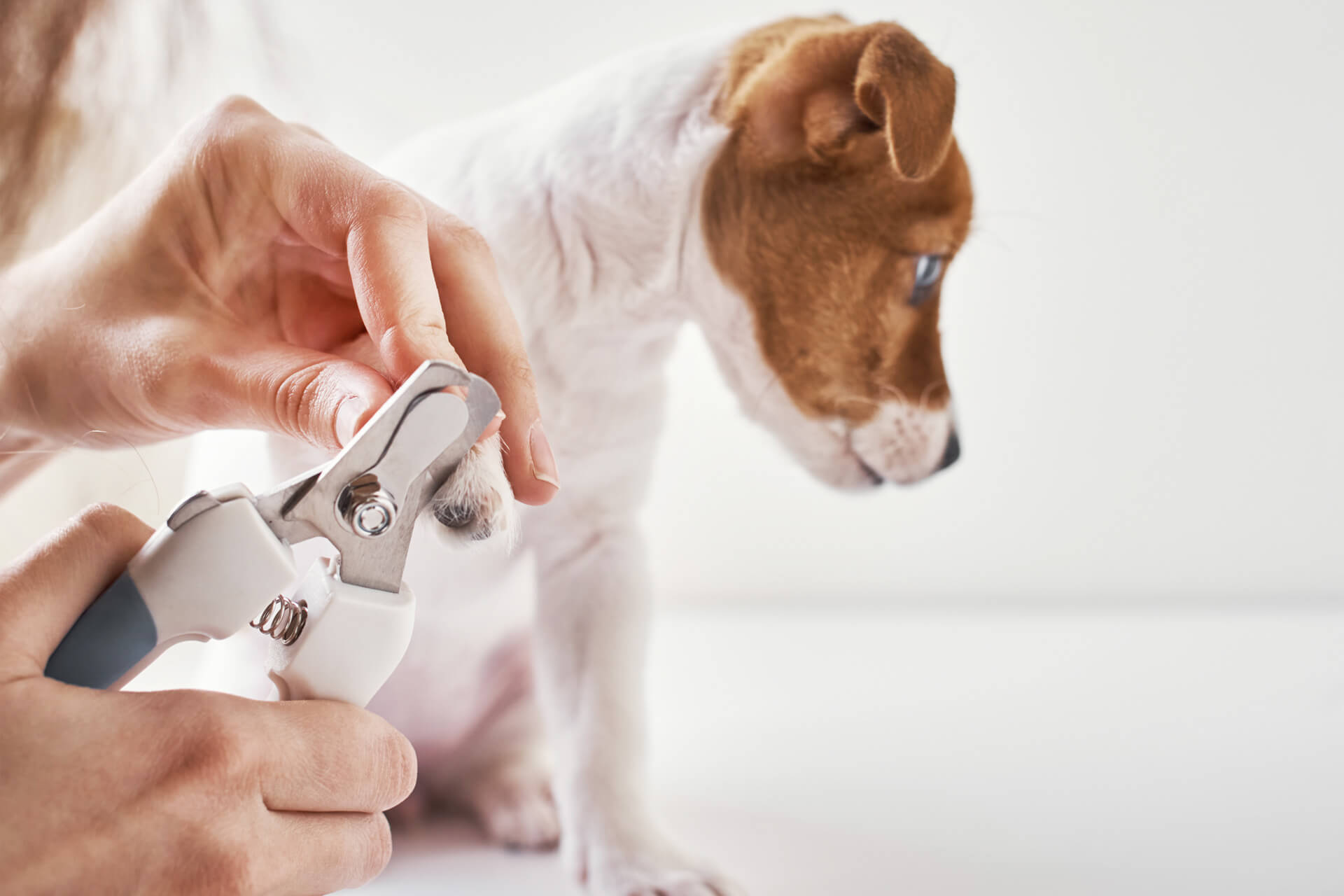
Credit: tractive.com
Understanding The Differences Between Human And Dog Nail Clippers
The anatomy of human nails compared to dog nails is significantly different. Human nails are flat, while dog nails are curved and often thicker. Dogs also possess a unique structure within their nails called the quick, which is a sensitive area that contains blood vessels and nerves.
When choosing nail clippers for your dog, several factors should be considered. One essential aspect is the size and thickness of your dog’s nails. Smaller dogs typically have thinner nails, so smaller clippers may be appropriate. Additionally, selecting nail clippers designed specifically for dogs can help ensure optimal safety and precision while trimming.
Using human nail clippers on dogs can pose potential risks. The curved shape of dog nails means that human clippers may not adequately trim the nails, resulting in jagged edges or incomplete cuts. This can lead to discomfort, pain, or potential injury for your furry friend.
Therefore, it is crucial to invest in high-quality dog nail clippers and avoid using human nail clippers. Specialized dog nail clippers are specifically designed to accommodate the unique anatomy and needs of your canine companion.
Finding The Right Nail Clippers For Your Dog
There are different types of nail clippers available for dogs, each catering to different needs. Selecting the appropriate size and style is essential to ensure a safe and effective trimming session for your furry friend.
| Type of Nail Clipper | Features |
|---|---|
| Scissor-style Nail Clippers | Simple and easy to use for dogs with small to medium-sized nails. Ensure the blades are sharp. |
| Guillotine-style Nail Clippers | Suitable for dogs with small to medium-sized nails. Replace the blades periodically for optimal performance. |
| Grinder or Dremel Tools | Electric or battery-operated tools that grind down nails smoothly. Ideal for dogs with thicker or larger nails. |
When selecting nail clippers for your dog, consider their temperament and comfort level. If your dog is anxious or sensitive, opt for nail clippers that offer a gentler experience. Additionally, regularly examine the condition of the nail clippers and replace them if damaged to avoid any accidents.
How To Safely Use Dog Nail Clippers
Discover how to safely trim your dog’s nails with dog nail clippers. Using human nail clippers for dogs may not be ideal, as they are designed differently and may cause discomfort or injury. Follow these tips to keep your furry friend happy and their nails healthy.
Preparing Your Dog For A Nail Clipping Session
To ensure a safe and successful nail clipping session for your dog, it’s important to prepare them beforehand. Begin by getting your dog accustomed to having their paws handled. Gently touch their paws and give them treats as a positive reinforcement. This will help them associate paw handling with positive experiences.
Once your dog is comfortable with paw handling, introduce them to the nail clippers. Let them sniff and inspect the clippers before attempting to use them. Gradually start using the clippers against their nails without cutting. This will help them get used to the sensation and sound of the clippers.
When your dog is relaxed and ready, you can start trimming their nails using the following step-by-step guide:
- Choose a quiet and well-lit area to work in.
- Gently hold your dog’s paw and press the pad to extend their nails.
- Identify the quick, which is the pink area within the nail.
- Carefully position the clippers below the quick, avoiding any cutting into it.
- Make a swift and clean cut across the nail, taking small sections at a time.
- If your dog has dark nails, proceed cautiously to avoid cutting the quick.
Here are some techniques and tips to ensure a stress-free experience for both you and your dog:
- Take breaks if necessary to keep your dog calm and prevent any accidental cuts.
- Use treats and praise to reward your dog’s good behavior during and after the session.
- Keep a styptic powder or cornstarch handy in case of any bleeding.
- Regularly maintain your dog’s nails to prevent overgrowth and discomfort.
Alternatives To Traditional Nail Clippers
When it comes to trimming your dog’s nails, there are alternatives to traditional nail clippers that you can consider. Exploring other tools for trimming dog nails can help you find a method that works best for you and your furry friend.
Nail grinding is one alternative method that can be used instead of nail clippers. This method involves using a grinding tool to slowly and safely file down your dog’s nails. It allows for precise, controlled trimming, reducing the risk of cutting into the quick (the sensitive part of the nail).
Professional grooming services are also an option for nail care. Groomers have experience and expertise in handling dogs and can safely trim their nails using the appropriate tools. They can ensure that your dog’s nails are properly trimmed without causing any discomfort or injury.
| Nail Grinding | This method involves using a grinding tool to slowly and safely file down your dog’s nails. It allows for precise, controlled trimming, reducing the risk of cutting into the quick (the sensitive part of the nail). |
| Professional Grooming Services | Groomers have experience and expertise in handling dogs and can safely trim their nails using the appropriate tools. They can ensure that your dog’s nails are properly trimmed without causing any discomfort or injury. |
In conclusion, there are alternatives to traditional nail clippers for trimming your dog’s nails. Nail grinding and professional grooming services are two viable options to consider. Remember to choose a method that you feel comfortable with and that works best for your dog’s needs.
Maintaining A Regular Nail Care Routine
Regular nail care is crucial for your dog’s overall health and well-being. By trimming your dog’s nails regularly, you can prevent potential injuries and infections.
Frequency Of Nail Clipping For Dogs
The frequency of nail clipping for dogs may vary depending on factors such as breed, lifestyle, and nail growth rate. Typically, dogs with fast-growing nails may need their nails trimmed every 2-4 weeks. On the other hand, dogs with slower nail growth can go up to 6-8 weeks between trimmings.
Signs That Your Dog’s Nails Need Trimming
- Your dog’s nails touch the ground when they walk
- You can hear your dog’s nails clicking on the floor
- Your dog shows signs of discomfort or pain when walking or standing
- You notice nail breakage or splitting
Benefits Of Regular Nail Care
- Prevents nail overgrowth which can lead to balance and posture issues
- Reduces the risk of nail injuries such as splitting or tearing
- Minimizes the chances of infections caused by long nails
- Improves comfort and mobility, especially for older or arthritic dogs
Addressing Common Concerns And Challenges
Dealing with a fearful or anxious dog during nail clipping can be a daunting task. It is important to create a calming environment by choosing a quiet room and providing treats as positive reinforcement. Gradually introduce the nail clippers to your dog, allowing them to sniff and become familiar with the tool before attempting to trim their nails. Patience and slow progress are key when working with a nervous pup.
If accidents happen and your dog’s nail starts bleeding, stay calm. Apply a styptic powder or cornstarch to help stop the bleeding. It’s crucial to avoid panicking as this may cause your dog to become more anxious. Keep pressure on the bleeding nail for a few minutes until it stops.
Seeking professional help when necessary is always an option. If you feel uncomfortable or are unsure about clipping your dog’s nails yourself, consult with a professional groomer or your veterinarian. They have the expertise and experience to handle the task while ensuring your dog’s safety and well-being.
Frequently Asked Questions For Can You Use Human Nail Clippers For Dogs
Can Humans Use Nail Clippers On Dogs?
No, it is not recommended to use human nail clippers on dogs. Dog nail clippers are specifically designed to accommodate the shape and size of a dog’s nails, ensuring a safe and effective trimming experience. Using human nail clippers on dogs can result in injury or discomfort for your furry friend.
How Do I Choose The Right Dog Nail Clippers?
When choosing dog nail clippers, opt for ones that are specifically designed for dogs. Look for clippers with sharp, sturdy blades and comfortable handles for easier grip. Consider the size and breed of your dog as well, as different clippers are suited for different nail types and sizes.
Is It Safe To Cut A Dog’s Nails With Human Nail Clippers?
No, it is not safe to cut a dog’s nails with human nail clippers. Dog nail clippers are built with features such as safety guards or sensors to prevent cutting too much off. Human nail clippers lack these features, increasing the risk of cutting into the quick, causing pain and bleeding for your dog.
How Often Should I Trim My Dog’s Nails?
The frequency of trimming your dog’s nails depends on their activity level and the rate of nail growth. In general, it is recommended to trim your dog’s nails every 2 to 4 weeks. Regular trimming helps prevent nails from becoming overly long, which can cause discomfort and potential health issues for your dog.
Conclusion
Using human nail clippers for dogs can be a convenient and cost-effective option, but it’s important to understand the limitations. While they may work for dogs with smaller and thinner nails, using dog-specific nail clippers is recommended for larger breeds.
They provide better control and reduce the risk of injury or discomfort. Ultimately, consulting with a veterinarian is the best way to determine the most suitable option for your furry friend’s nail care.