Are you tired of your trimmer taking up valuable space in your garage or shed? Or perhaps you’re frustrated with constantly untangling and repairing the trimmer line? Well, worry no more! In this guide, we will walk you through the step-by-step process of properly storing your trimmer. By following these simple tips and tricks, you’ll not only save space but also ensure that your trimmer remains in top-notch condition, ready for action when you need it most.
Storing a trimmer may seem like a straightforward task, but there are several factors to consider to ensure its longevity. From cleaning and maintenance to choosing the right storage location, we will cover it all.
So, whether you’re a seasoned gardener looking to optimize your tool storage or a novice trimmer user seeking guidance, this comprehensive guide is here to assist you. Get ready to reclaim your space and keep your trimmer in pristine condition for years to come. Let’s dive in and learn how to store a trimmer the right way!

Source: ytimg.com
How to Store a Trimmer? The Art of Preserving Your Tool
In this informative guide, we will explain how to properly store a trimmer. Storing your trimmer correctly will not only help extend its lifespan but also ensure that it is ready for use whenever you need it. Follow the step-by-step instructions below to learn the best practices for storing your trimmer.
Step 1: Clean the Trimmer
Before storing your trimmer, it is important to clean it thoroughly. Start by removing any dirt, debris, or grass clippings that may have accumulated on the blades or the body of the trimmer. Use a brush or a cloth to wipe away the residue. Pay close attention to the cutting edges and the air vents to ensure they are completely free from any debris.
Next, inspect the trimmer for any signs of damage or wear. If you notice any broken or worn-out parts, it is recommended to replace them before storing the trimmer. This will prevent further damage and ensure that the trimmer is in good working condition when you take it out of storage.
Step 2: Empty the Fuel Tank
If your trimmer is powered by gasoline, it is important to empty the fuel tank before storing it. Gasoline can deteriorate over time, which can lead to engine problems. To empty the fuel tank, run the trimmer until it runs out of gas. This will prevent any leftover fuel from causing damage to the engine components.
Once the fuel tank is empty, start the trimmer and let it run for a few seconds to burn off any remaining fuel in the carburetor. This will help prevent the carburetor from becoming clogged during storage. Afterward, turn off the trimmer and let it cool down completely before proceeding to the next step.
Step 3: Remove the Spark Plug
To further protect your trimmer during storage, it is recommended to remove the spark plug. This will prevent accidental starting and ensure that the trimmer remains in a safe state. Start by disconnecting the spark plug wire from the spark plug itself. Use a spark plug wrench to loosen and remove the spark plug from the engine.
Inspect the spark plug for any signs of wear or damage. If necessary, clean or replace the spark plug before storing the trimmer. Remember to properly gap the spark plug according to the manufacturer’s specifications before reinstalling it when you are ready to use the trimmer again.
Step 4: Store in a Dry and Safe Place
Once you have completed the above steps, it is time to store your trimmer. Find a dry and well-ventilated area, such as a garage or a shed, to keep your trimmer. Avoid storing it in direct sunlight or in a damp environment, as this can lead to rust or other damage.
When storing the trimmer, make sure it is placed in an upright position to prevent any oil or fuel leakage. If possible, cover the trimmer with a protective cover or a tarp to keep it clean and dust-free. Additionally, store any accessories or attachments in a separate container to keep everything organized and easily accessible.
Step 5: Regular Maintenance
Even when in storage, it is important to perform regular maintenance on your trimmer. This includes checking the trimmer periodically for any signs of damage, lubricating moving parts, and ensuring that all components are in good working condition. By maintaining your trimmer even during storage, you can ensure that it will be ready for use whenever you need it.
When you are ready to use the trimmer again, follow the manufacturer’s instructions for proper startup and operation. Inspect the trimmer thoroughly before using it and address any issues or concerns before starting any trimming tasks.
Step 6: Additional Tips
– If your trimmer has a detachable battery, remove it before storage and store it separately in a cool, dry place.
– Keep the trimmer away from children and pets to prevent accidents or injuries.
– Check the user manual for any specific storage instructions provided by the manufacturer.
Frequently Asked Questions
Here are some commonly asked questions about how to store a trimmer:
How should I store my trimmer during the winter months?
During the winter months, it is important to store your trimmer properly to ensure its longevity. Firstly, clean the trimmer thoroughly to remove any dirt or debris. Next, remove the battery if it is removable, as extreme cold temperatures can damage the battery.
Store the trimmer in a dry and cool location, away from direct sunlight and moisture. It is recommended to wrap the trimmer in a soft cloth or place it in a protective case to prevent any scratches or damage.
Additionally, make sure to keep the trimmer away from any flammable materials or chemicals to avoid any accidents. By following these steps, you can ensure that your trimmer remains in good condition during the winter months.
Can I hang my trimmer on a wall for storage?
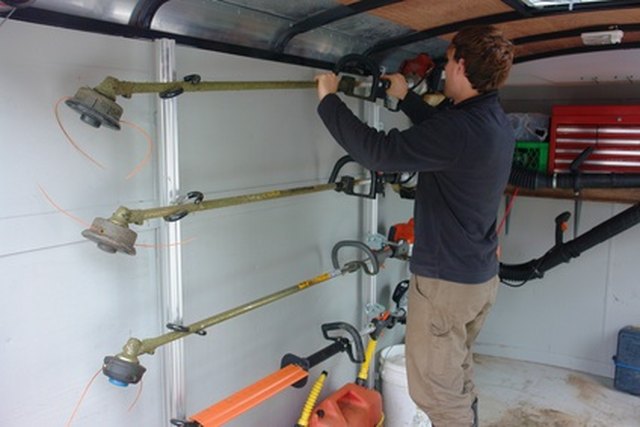
Yes, you can hang your trimmer on a wall for storage if you have the appropriate wall mount or hanger. Hanging the trimmer not only saves space but also keeps it easily accessible. However, before hanging, ensure that the trimmer is clean and free from any dirt or debris.
Additionally, make sure to place the trimmer in a protective case or cover before hanging it to prevent any damage or scratches.
When hanging the trimmer, choose a location that is away from direct sunlight and moisture to prevent any potential damage. Hanging the trimmer on a wall can be a convenient storage option, but always ensure it is secure and won’t fall or be knocked off accidentally.
Should I drain the fuel from my trimmer before storing it?
It is recommended to drain the fuel from your trimmer before storing it for an extended period. Fuel left in the trimmer’s tank can deteriorate over time and cause issues with the engine. Before draining the fuel, run the trimmer until the tank is almost empty. Then, using a fuel siphon or a suitable container, carefully drain the remaining fuel into a certified fuel storage container.
Once the fuel is drained, run the trimmer for a few seconds to ensure any remaining fuel in the carburetor is also used up. Storing the trimmer without fuel helps to prevent any potential damage or clogs in the engine during storage. Remember to dispose of the drained fuel properly according to local regulations.
How should I store the trimmer’s blades?
When storing the trimmer’s blades, it is essential to ensure they are clean and free from any debris or grass clippings. Start by removing the blades from the trimmer, following the manufacturer’s instructions. Clean the blades thoroughly using a brush or a soft cloth to remove any dirt, grass, or residue.
After cleaning, apply a thin coat of oil to the blades to prevent rust and corrosion. Store the blades in a dry and secure location, preferably in a protective case or sheath to prevent any accidental damage or injuries. Regularly inspect the blades for any signs of wear or damage before and after storage to ensure they are in good condition for use.
Can I store my trimmer in a shed or garage?
Yes, you can store your trimmer in a shed or garage, provided certain precautions are taken. Ensure that the storage area is dry, well-ventilated, and protected from extreme temperatures. Moisture and humidity can damage the trimmer’s components, so it is essential to keep it in a dry environment.
When storing the trimmer, keep it away from any chemicals or flammable materials that may be present in the shed or garage. It is also advisable to store the trimmer in a protective case or cover to prevent any accidental damage. Regularly inspect the storage area to ensure there are no leaks or other potential hazards that could affect the trimmer’s condition.
Source: hunkercdn.com
Should You Store a Weedeater Vertical or Horizontal?
Final Words:
In conclusion, proper storage of a trimmer is essential in maintaining its longevity and performance. By following the mentioned steps such as cleaning, oiling, and storing in a dry and secure place, trimmer owners can ensure that their tool remains in optimal condition for years to come. Implementing these practices not only saves time and money in the long run, but it also allows for a hassle-free trimming experience whenever it’s needed.
Furthermore, taking the time to properly store a trimmer reflects a sense of responsibility and care for one’s tools. It demonstrates a commitment to quality and efficiency, as well as a desire to extend the lifespan of the trimmer.
So, whether you are a homeowner or a professional landscaper, investing a little extra effort into the storage of your trimmer is undoubtedly a worthwhile endeavor. By doing so, you can enjoy the benefits of a well-maintained trimmer and achieve impeccable results every time.