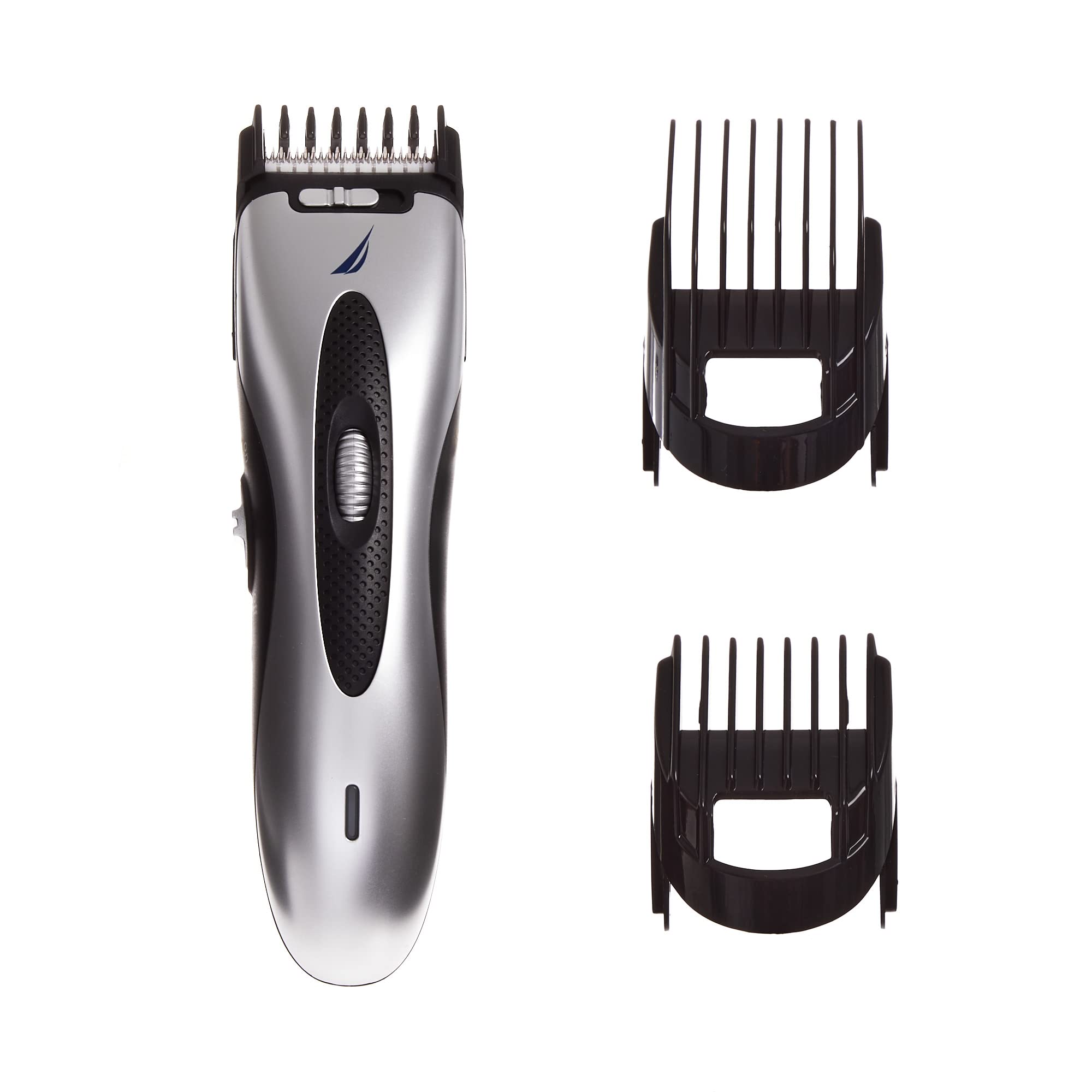
No, trimming hair with a trimmer does not make it hard. Shaving or trimming hair with a trimmer does not change its thickness, color, or rate of growth.
It only gives the hair a blunt tip. However, it is important to ensure that the trimmer blades are sharp to avoid pain and discomfort. Using a trimmer with self-sharpening blades is recommended. Additionally, using a razor or a trimmer depends on personal preference, but a trimmer is often considered more convenient and simpler to use.
It is important to note that electric trimmers are not meant to completely remove hair, but rather trim it short.
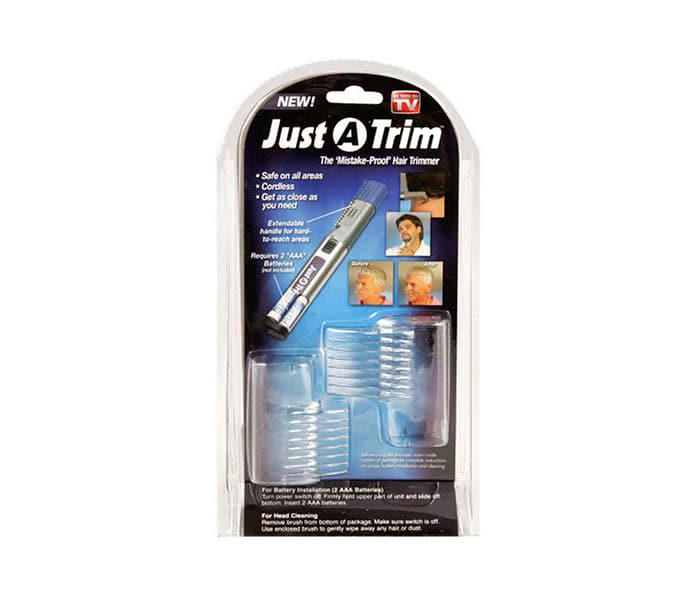
Credit: www.barberdepots.com
Understanding The Effect Of Trimming On Hair Texture
Trimming hair with a trimmer does not make it hard. In fact, shaving or trimming hair does not change its thickness, color, or rate of growth. The hair may appear thicker due to the blunt tip, but the texture remains the same.
How Trimming Affects Hair Texture
When it comes to hair care, one question that often arises is whether trimming can make hair hard. Many people believe that regular trimming can result in a coarser, stiffer texture, making their hair feel rough or wiry. However, understanding the effect of trimming on hair texture can help debunk this myth and shed light on the science behind it.
Debunking The Myth: Does Trimming Make Hair Hard?
Contrary to popular belief, trimming hair does not make it hard. This is a common misconception that has been perpetuated over time. The truth is, trimming only affects the length of the hair and not its texture. The reason behind this myth may be the sensation of freshly cut hair, which can feel slightly different due to the blunt ends. However, this change in sensation is only temporary and does not alter the intrinsic texture of the hair.
It’s important to note that the texture of your hair is determined by its natural characteristics and genetic makeup. Factors such as the thickness of the hair shaft, its porosity, and the presence of natural oils all contribute to the texture of your hair. Trimming, on the other hand, simply helps maintain the health and appearance of the hair by removing split ends and preventing further damage.
The Science Behind Hair Growth And Hair Texture
To understand why trimming does not make hair hard, it’s essential to grasp the science behind hair growth and texture. The hair follicle, located beneath the scalp, is the structure responsible for producing hair. The hair shaft, which is visible above the scalp, is made up of dead cells that are pushed up and out of the follicle as new cells are formed.
The texture of the hair is primarily determined by the shape of the hair follicle. People with round hair follicles tend to have straight hair, while those with oval or elliptical follicles have wavy or curly hair. Additionally, the size of the hair shaft also influences the texture. Thicker hair shafts often result in coarser hair, while thinner shafts give a finer texture. These characteristics are determined genetically and remain unchanged regardless of trimming.
Trimming helps maintain the overall health of the hair by removing damaged and split ends. Regular trims prevent further splitting and breakage, keeping the hair in better condition and reducing the need for excessive styling and heat treatments.
In conclusion, trimming does not make hair hard. Instead, it is an essential part of hair care that promotes healthy growth and maintains the appearance of the hair. Understanding the science behind hair growth and texture can help dispel common myths and encourage a proactive approach to maintaining beautiful, healthy hair.
The Role Of Trimmer Blades In Hair Texture
When it comes to maintaining a well-groomed appearance, using a trimmer is often the go-to choice for many individuals. Trimmers are efficient and convenient tools for keeping hair neat and tidy. However, some people wonder if using a trimmer can make their hair hard or affect its texture. In this section, we will explore the role of trimmer blades in hair texture and understand how the sharpness of these blades can impact the overall trimming experience.
Importance Of Sharp Trimmer Blades
Sharp trimmer blades play a crucial role in achieving the desired result without compromising the quality of the hair. When the blades are sharp, they can cut the hair cleanly and effortlessly, providing a smooth and even finish. This not only helps to maintain the natural texture of the hair but also prevents any damage or injury that may occur due to pulling or tugging. Therefore, it is essential to ensure that the trimmer blades are always sharp for optimal performance.
Self-sharpening Blades: A Game-changer For Trimming Experience
A game-changer in the world of trimmers is the availability of self-sharpening blades. These blades are designed to maintain their sharpness over time, resulting in consistent performance with every use. The self-sharpening feature not only saves time and effort but also ensures that the blades are always ready to provide a precise and comfortable trimming experience. With self-sharpening blades, trimming no longer becomes a task burdened by the worry of dull blades affecting hair texture.
How Blunt Blades Can Affect Hair Texture
On the other hand, using trimmer blades that are blunt or not properly maintained can have a negative impact on hair texture. Blunt blades tend to pull and tug at the hair, causing discomfort and potentially leading to rough and uneven cuts. Moreover, using dull blades can result in frayed ends and damaged hair, which can make the hair appear coarse and hard. To ensure a pleasant trimming experience and maintain the desired hair texture, it is crucial to regularly check and replace dull blades.
Trimmer Vs Razor: Which Is The Better Option?
When it comes to hair removal, many people are often confused about whether to use a trimmer or a razor. Both these tools have their advantages and disadvantages, and it ultimately depends on your personal preferences and needs. In this article, we will explore the pros and cons of using a trimmer for hair removal, compare the hair texture achieved with a trimmer versus a razor, and highlight the factors to consider when choosing between the two.
Pros And Cons Of Using A Trimmer For Hair Removal
Using a trimmer for hair removal comes with its own set of advantages and disadvantages. Let’s take a closer look at the pros and cons:
| Pros | Cons |
|---|---|
|
|
Comparing Trimmer And Razor In Terms Of Hair Texture
When it comes to hair texture, the choice between a trimmer and a razor can make a difference. Here’s what you need to know:
A trimmer is designed to trim hair to a specific length, and while it may not completely remove the hair, it can make it very short and less noticeable. However, depending on the type of trimmer and your hair type, trimming may leave the hair feeling slightly coarser or stubbly compared to shaving with a razor. On the other hand, using a razor can give a smoother and closer shave, which may result in a softer hair texture.
Factors To Consider When Choosing Between Trimmer And Razor
When deciding between a trimmer and a razor for hair removal, consider the following factors:
- Your hair removal goals: Are you looking for a precise trim or a clean shaven look?
- Your hair type: Some hair types may respond better to trimming, while others may prefer shaving.
- The area to be treated: Certain areas, like the face or bikini line, may require extra care and attention.
- Your personal preferences: Some people may prefer the convenience and ease of using a trimmer, while others may enjoy the smoothness of a razor shave.
- Your skin sensitivity: If you have sensitive skin, you may need to opt for a tool that is gentler on the skin.
In conclusion, the choice between a trimmer and a razor ultimately depends on your personal preferences, hair type, and desired results. Consider the pros and cons, compare the hair texture achieved with each tool, and take into account the specific factors that matter to you in order to make an informed decision.
Making The Most Out Of Trimming: Tips For Haircare
Trimming your hair with a trimmer does not make it hard. It won’t change the thickness, color, or rate of growth. However, make sure to use a trimmer with sharp blades to avoid tugging and pulling hair.
Optimizing Trimming Techniques For Desired Hair Texture
When it comes to trimming your hair, the techniques you use can greatly impact the resulting texture. By optimizing your trimming techniques, you can achieve the desired hair texture you’ve always wanted. Here are a few tips to help you get the best results:
- Trim in the direction of hair growth: When using a trimmer, make sure to trim in the same direction as your hair grows. This helps to maintain the natural texture and prevents the hair from becoming too hard or frizzy.
- Use the right comb attachment: Trimmers often come with different comb attachments that allow you to adjust the cutting length. Choose a comb attachment that suits your desired hair length and texture. Avoid using a comb attachment that is too short, as this can make the hair appear stubbly and rough.
- Take it slow: Avoid rushing through the trimming process. Take your time to ensure an even haircut and to prevent any mishaps that could lead to uneven texture. Slow, steady movements will give you better control and allow for a more precise trim.
Proper Maintenance Of Trimmer Blades For Optimal Results
To get the best results from your trimmer and maintain the desired hair texture, proper maintenance of the trimmer blades is essential. Here are a few tips to keep your trimmer blades in optimal condition:
- Clean the blades regularly: After each use, clean the blades thoroughly to remove any hair or debris that may have accumulated. This prevents clogging and ensures smooth, even trimming.
- Oil the blades: Regularly lubricating the blades with trimmer oil helps to reduce friction and keep the blades sharp. Apply a few drops of oil to the blades and run the trimmer for a few seconds to distribute the oil evenly.
Enhancing Hair Texture Through Post-trimming Care
After trimming your hair, it’s important to take care of it to enhance the texture and maintain its softness. Here are some post-trimming care tips to follow:
- Moisturize: Apply a small amount of hair oil or conditioner to your hair after trimming. This helps to nourish the hair and keep it hydrated, preventing dryness and rough texture.
- Avoid excessive heat styling: Excessive use of heat styling tools can damage the hair and make it appear dry and brittle. Limit the use of heat styling tools and opt for heat-free styling methods to maintain the desired hair texture.
- Regular trims: To keep your hair looking its best, it’s important to schedule regular trims. Trimming the ends of the hair every few weeks helps to prevent split ends and maintain the overall texture and health of the hair.
By following these tips for haircare, you can optimize your trimming techniques, maintain your trimmer blades, and enhance your hair texture for the best results. Remember, taking care of your hair is essential for achieving the desired texture and keeping it looking its best.
Frequently Asked Questions On Does Trimmer Make Hair Hard
Does Trimming Body Hair Make It Hard?
No, trimming body hair does not make it hard. The thickness, color, and rate of hair growth are not affected by shaving or trimming. The hair may appear blunt after trimming, but it does not change its overall characteristics.
Is It Bad To Cut Hair With Trimmer?
Using a trimmer to cut hair is not bad, but it is important to use sharp blades to avoid tugging and pulling hair, which can be painful. Self-sharpening blades are recommended to ensure a smooth and comfortable trimming experience.
Is It Better To Use A Razor Or A Trimmer?
A trimmer is better for quick and easy hair grooming, especially with a modern, waterproof trimmer that can be used in the shower. Trimming doesn’t change hair thickness, color, or growth rate like shaving does. Trimmers are not meant to completely remove hair, but can trim it short.
Does Trimmer Completely Remove Hair?
No, a trimmer does not completely remove hair. It is designed to trim hair short, but not remove it entirely.
Conclusion
Trimming hair with a trimmer does not make it hard. Shaving or trimming hair does not affect its thickness, color, or growth rate. Trimming simply gives the hair a blunt tip. To ensure a pain-free experience, use a trimmer with sharp, self-sharpening blades.
On the other hand, if you prefer a quick and easy grooming routine, a trimmer is your best choice. It is efficient and easy to clean, especially if you have a waterproof trimmer. Remember, trimming with a trimmer is meant to shorten the hair, not completely remove it.
So, it’s important to choose the right tool for your desired grooming outcome.