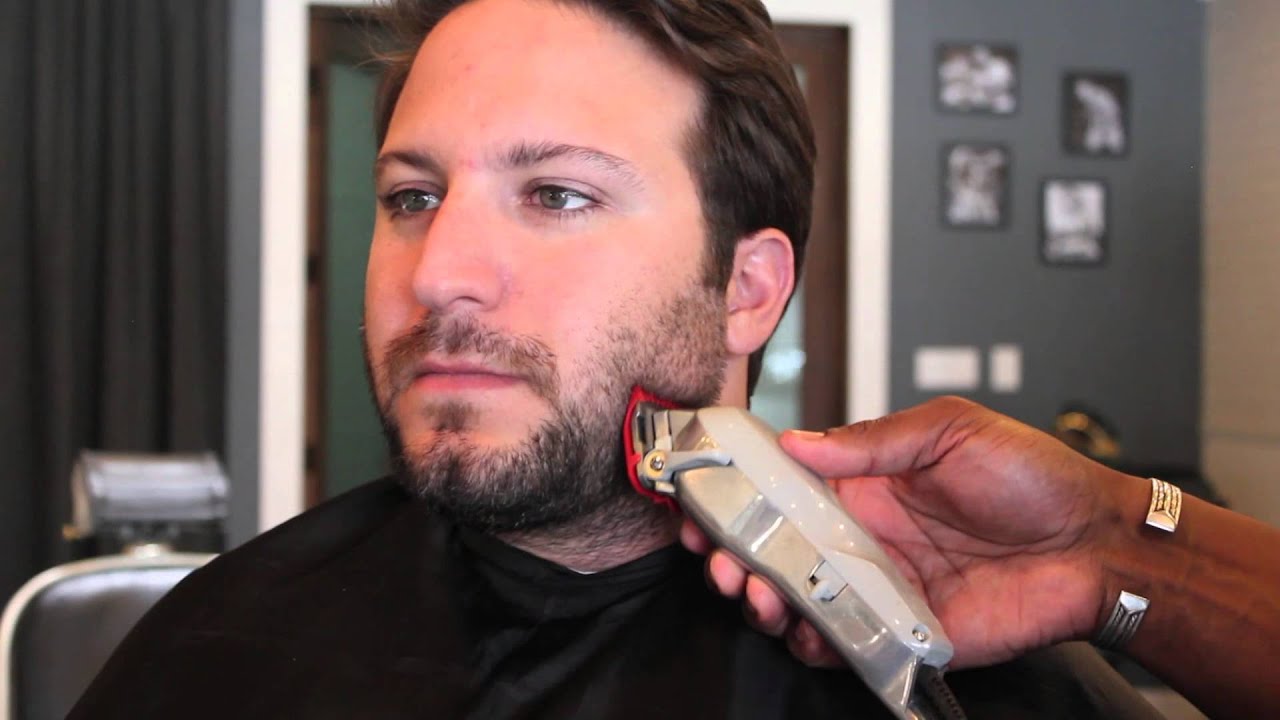
How To Use Facial Hair Trimmer
So, how to use facial hair trimmer at home? A good trimmer tames beards with no barber visits. It shapes mustaches and tidies sideburns with ease. The right technique gives a neat, confident look. Practice soon turns it into an easy routine. No barber visits are needed. Mustaches shape with ease. Sideburns tidy with ease. The right technique looks neat. A neat look builds confidence. Practice makes it a routine. Easy routines come with practice. Home trims can look sharp.
This guide follows the steps from the post itself. It covers prep, length choices and precise trimming. It also covers benefits, drawbacks and common questions. Frank pros and cons appear through the whole guide. Post steps lead this guide. Prep comes first in line. Length choices come next. Precise trimming comes too. Benefits sit in this guide. Drawbacks sit in it too. Common questions close it. Pros and cons run through it.
New users and seasoned groomers both use these steps. Clean, dry facial hair gives the smoothest start point. Starting longer protects you from early mistakes. Small careful passes build a tidy finish slow. New users use these steps. Seasoned groomers use them too. Clean dry hair starts smooth. Dry hair is the best base. Start long to stay safe. Long first guards from mistakes. Small passes build the finish. Careful passes end tidy.
Quick answer: Prepare clean, dry facial hair and a charged trimmer. Pick a longer guard setting at the start. Trim slowly with short, deliberate strokes always. Hold the trimmer at a forty-five degree angle. Clean and oil the trimmer after every use.
How To Use Facial Hair Trimmer: The Short Answer
The quick table below mirrors the post itself. It sums up the main facial routine. Later parts explain each step in full. The table mirrors the post. Main steps sit in brief. Full words come later. Each step gets full detail. The post is the base here. Brief first, full next. Points below match the table. Later parts spell it out.
| Point | What the Post Says |
|---|---|
| First step | Clean, dry hair and charged trimmer |
| Length rule | Start longer, go shorter gradually |
| Technique | Short strokes at forty-five degrees |
| Aftercare | Clean, oil and store it dry |

The Wikipedia beard page explains beard styles and grooming history. Our home use guide covers everyday trimming at home. The Wikipedia hair removal page explains common hair removal methods. Our trimmer shaving guide explains close shaving with trimmers. The beard page tracks styles. Grooming history sits there too. The home guide shows day use. Home trims sit in that guide. The removal page shows methods. Hair removal ways sit there. The shaving guide shows close work. Trimmer shaving sits there too.
Preparing Your Trimmer And Choosing Length
Detach the comb and guard before you start. Wash them with warm soapy water and dry in full. Check the battery and charge the trimmer in full. A charged trimmer gives smooth, steady cutting power. Detach the comb first. Detach the guard first too. Wash parts with warm water. Soap goes in the wash. Dry parts in full. Check the battery charge. Charge the tool in full. Full charge cuts smooth.
| Step | What the Post Says |
|---|---|
| Prepare | Clean parts, dry fully, charge trimmer |
| Length | Pick a longer guard first |
| Comb | Comb hair with natural growth |
| Guard | Attach the guard securely |
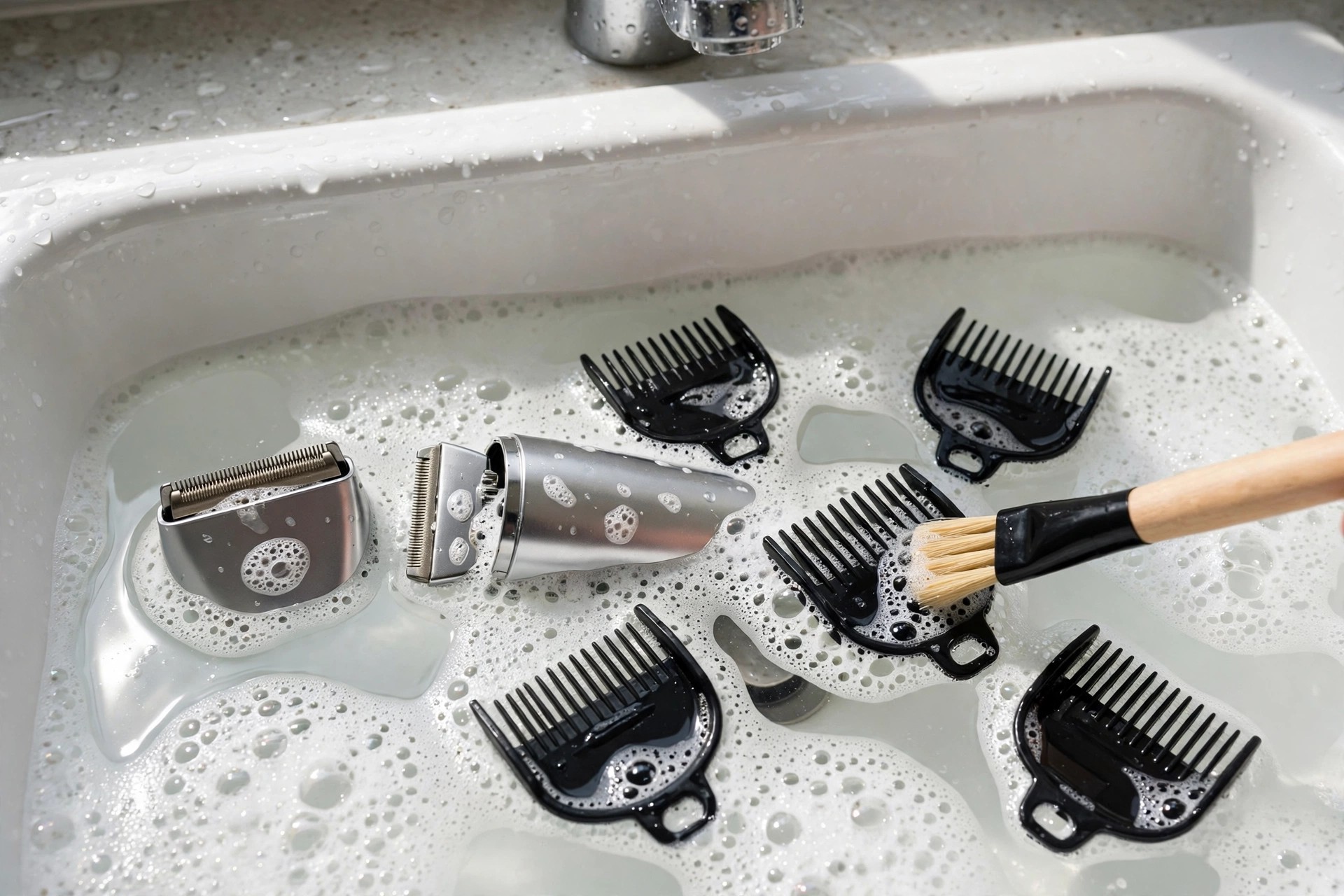
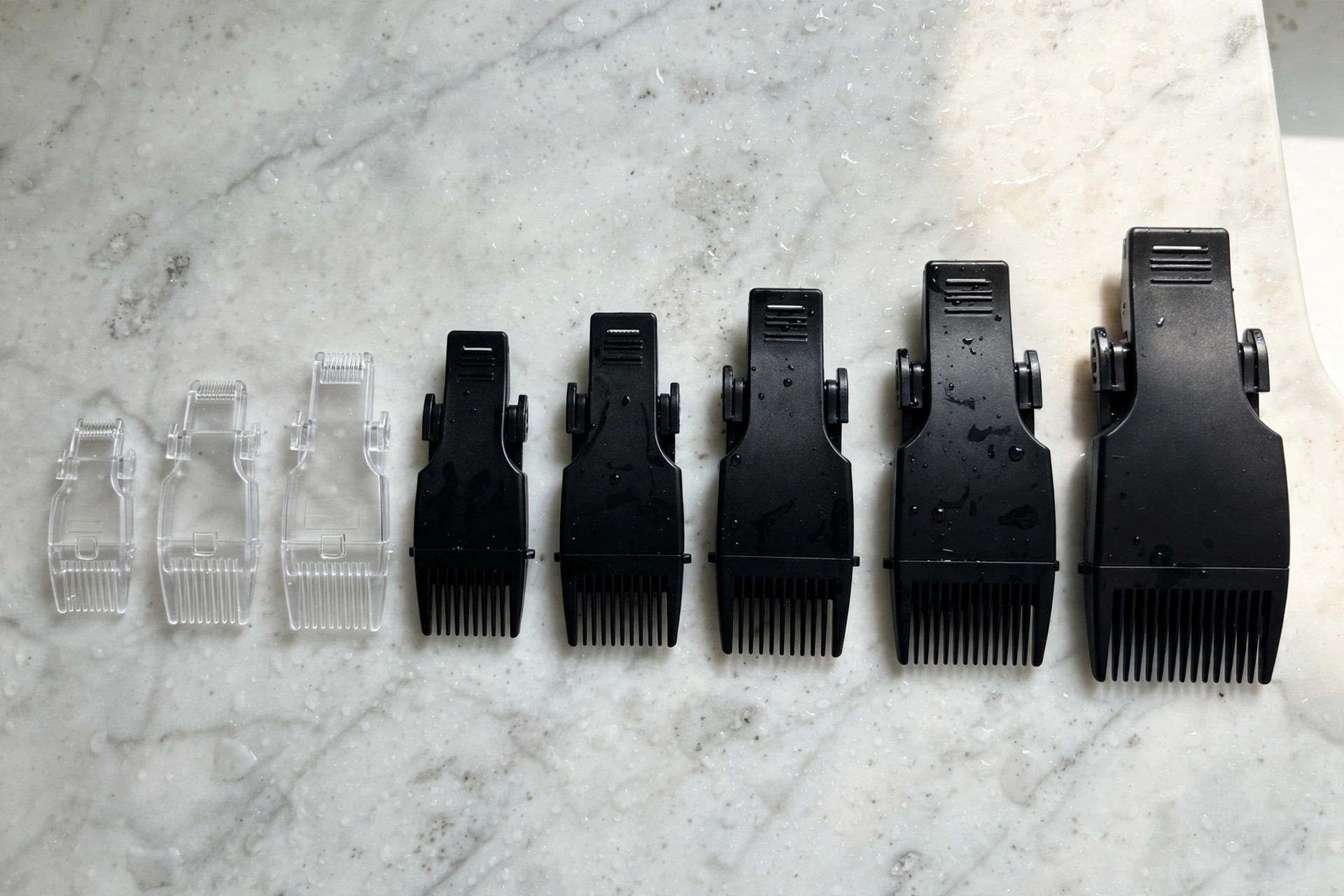
Most trimmers offer adjustable length settings today. Pick the guard matching your desired hair length. Start longer and trim shorter only if needed. Our fade guide covers blended fades at home. Settings adjust to length. Pick the guard for your length. Start long at first. Trim shorter if needed. The fade guide shows fades. Blended fades sit there. Home fades sit in that guide. Length choice comes first.
Comb your facial hair with its natural growth. Even combing gives a controlled, tidy trim. Longer hair needs combing before any trimming starts. Our beard trimmer guide explains using one tool on beards. Comb hair with its growth. Even combing keeps control. Tidy trims start with combing. Long hair needs combing first. Comb before any trim starts. The beard guide shows one tool. Beard use sits in that guide. Growth sets the comb path.
Trimming With Precision And Care
Hold the trimmer at forty-five degrees to skin. Move it in short, careful strokes across hair. Work from one side toward the other side. Take your time since precision matters most here. Forty-five degrees is the angle. Short strokes do the work. Careful strokes do it too. Work side to side. One side leads to the next. Take your time here. Precision matters most here. Slow work trims with care.
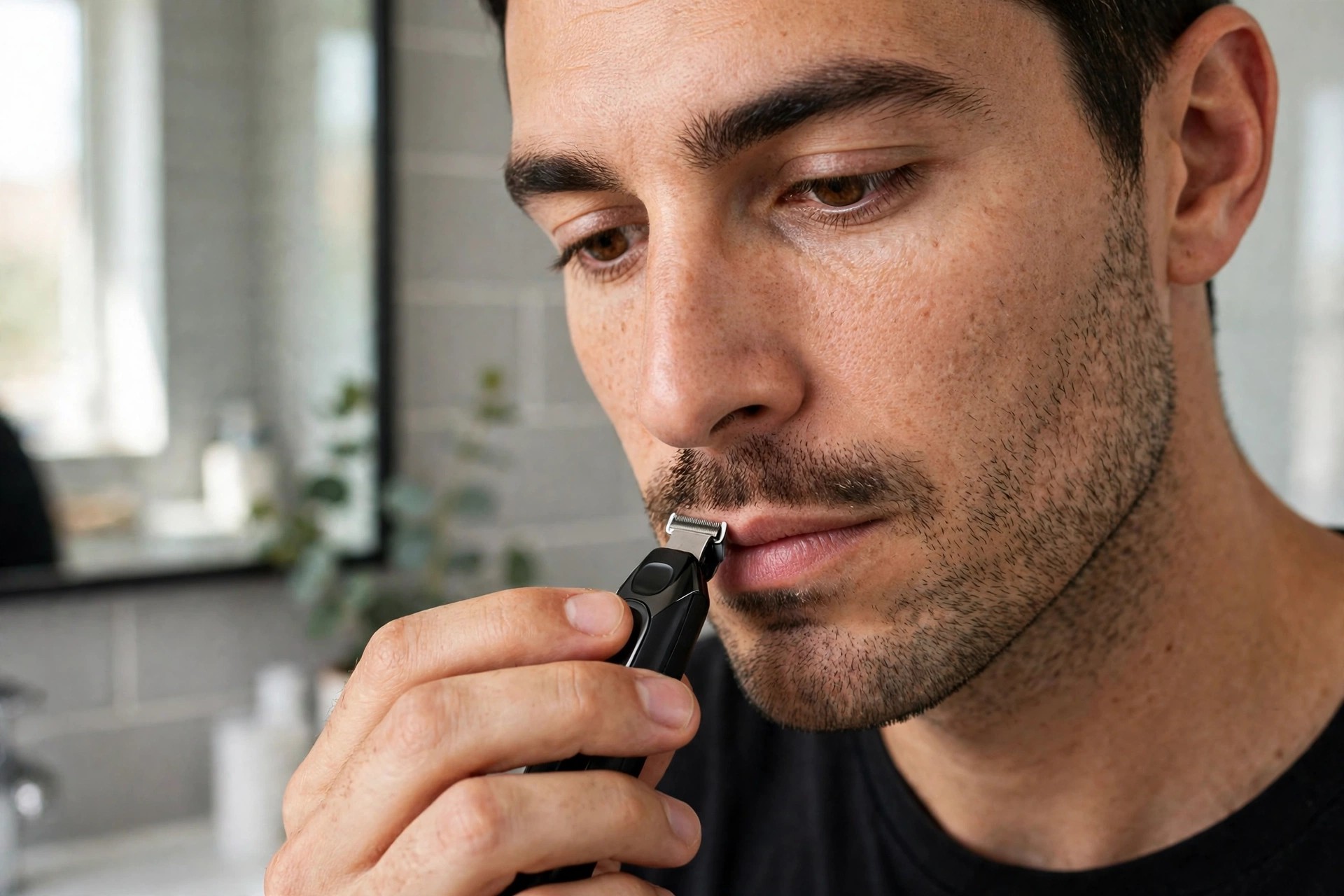
Trim around lips and nose with extra caution. Small controlled movements prevent accidental cuts easily. Shape the mustache slowly for even symmetry. Our clean shave guide covers close finishing work. Lips need extra caution. The nose needs caution too. Small moves prevent cuts. Shape the mustache slow. Even symmetry is the goal. The shave guide shows close work. Finishing work sits there. Care beats speed here.

Tap out loose hair and brush the blades clean. Wipe parts with a dry cloth after trimming. Rinse waterproof parts only under running water. Our head shaving guide covers very short cuts at home. Tap out loose hair. Brush the blades clean. Wipe parts with a dry cloth. Rinse waterproof parts only. Running water suits those parts. The head guide shows short cuts. Home head cuts sit there. Clean parts end the trim.
Why Facial Hair Trimmers Help
Trimmers give precise control over length and shape. Guards suit stubble, full beards and neat mustaches. One trimmer lasts years with proper regular maintenance. No foam or gel means faster daily grooming sessions. Control covers length and shape. Guards suit stubble well. Guards suit full beards too. Mustaches suit guards as well. One tool lasts years. Upkeep stretches tool life. No foam speeds each session. No gel speeds it too.
Washable heads keep every trim hygienic and clean. Less blade contact means healthier skin over time. Home trimming saves barber costs over many years. Our facial hair guide covers myths and benefits clearly. Washable heads stay clean. Clean heads guard skin health. Less blade contact helps skin. Skin stays healthier with time. Home trims save barber costs. Years of savings add up. The facial guide shows myths. Benefits sit in that guide.
Disadvantages The Post Lists
Trimmers cannot match a razor’s super smooth finish. Batteries die if you forget to charge them. Long hair can jam trimmers and cause uneven results. New users need time to learn the techniques. A razor finish stays smoother. Batteries die with no charge. Charge is a must here. Long hair can jam tools. Jams cause uneven results. New users need learning time. Techniques take time to learn. Smooth finish tops trimmers.
Please note: This post gives two views on trimmer safety. Its benefits call trimmers safe and gentle on skin. Its drawbacks warn some users still get redness. Both original points stay in place below here.

Regular cleaning and oiling keep trimmers working well. Neglected trimmers wear out much faster than expected. Weigh the pros and cons before choosing your method. Dull blades pull hair and cause uneven cuts daily. Set cleaning keeps tools working. Oiling keeps them working too. Neglected tools wear out fast. Wear comes faster than expected. Weigh pros and cons first. Choose your method with care. Dull blades pull hair. Dull blades cut uneven.
Frequently Asked Questions
How Do I Properly Clean My Facial Hair Trimmer?
Switch the trimmer off and remove detachable parts. Brush away clippings and debris with a small brush. Rinse washable parts under running water carefully. Clean the trimmer after each use for best results. Switch the tool off first. Remove detachable parts next. Brush clippings away clean. Debris comes off with a brush. Rinse washable parts with care. Running water rinses them. Clean post each use. Best results need set cleans.
How Often Should I Replace The Blades On My Facial Hair Trimmer?
Replace blades every six to twelve months generally. Thick hair and frequent use shorten blade life. Dull blades pull hair and cut poorly over time. Follow the manual for your exact model guidance. Swap blades on a set round. Six to twelve months is the span. Thick hair shortens blade life. Frequent use shortens it too. Dull blades pull hair. Dull blades cut poorly. The manual gives model words. Exact guidance sits in manuals.
How Should I Prepare My Facial Hair Before Using A Trimmer?
Wash your face with warm water and cleanser. Pat your face dry with a clean towel. Comb longer hair smooth before trimming starts. Pre-shave oil softens hair for smoother cutting. Wash your face first. Warm water and cleanser work. Pat your face dry. A clean towel does the dry job. Comb long hair smooth. Combing comes pre trim. Pre-shave oil softens hair. Soft hair cuts smoother.
Can I Use A Facial Hair Trimmer On Wet Hair?
It depends on your specific trimmer model design. Some trimmers suit dry use only, never wet. Waterproof models work safely in the shower. Check the manual before trying any wet trimming. It depends on your model. Model design sets the rule. Some tools suit dry use only. Wet use is barred for some. Waterproof models suit showers. Showers suit the sealed tools. Check the manual first. Manual words lead wet trims.
How Do I Trim My Mustache With A Facial Hair Trimmer?
Comb your mustache smooth and remove all tangles. Pick a longer guard and trim with the growth. Use small controlled movements for even symmetry. Trim more later rather than cutting too short. Comb the mustache smooth. Remove all tangles first. Pick a longer guard. Trim with the growth. Small moves keep symmetry. Even shape is the goal. Trim more later if needed. Too short is the trap.
These answers all come from this post itself. The parts above explain each answer in full. Careful habits keep each trim session smooth. Answers come from this post. Parts above give full detail. Careful habits smooth sessions. This post is the base here. Detail sits in parts above. Sessions stay smooth with care. Full words sit just above here. Care is the habit here.
Conclusion: How To Use Facial Hair Trimmer
So, how to use facial hair trimmer in short here? Prepare the trimmer, pick a length and trim slow. That plain routine builds neat, confident grooming. Clean and oil the tool after each session. Prep the tool first. Pick a length next. Trim slow at all times. Plain routines build neat looks. Neat grooming builds confidence. Clean the tool post session. Oil the tool post session. Each session ends with care.
Practice with patience and try different styles over time. A quality trimmer rewards care with years of service. Weigh the pros and cons before you choose your method. Keep the blades sharp and the guards clean at all times. Mastering this tool saves time and money long-term. Practice builds skill with time. Different styles come with time. Quality tools reward care. Years of service reward care. Weigh pros and cons first. Choose your method with care. Keep blades sharp at all times. Sharp blades and clean guards.