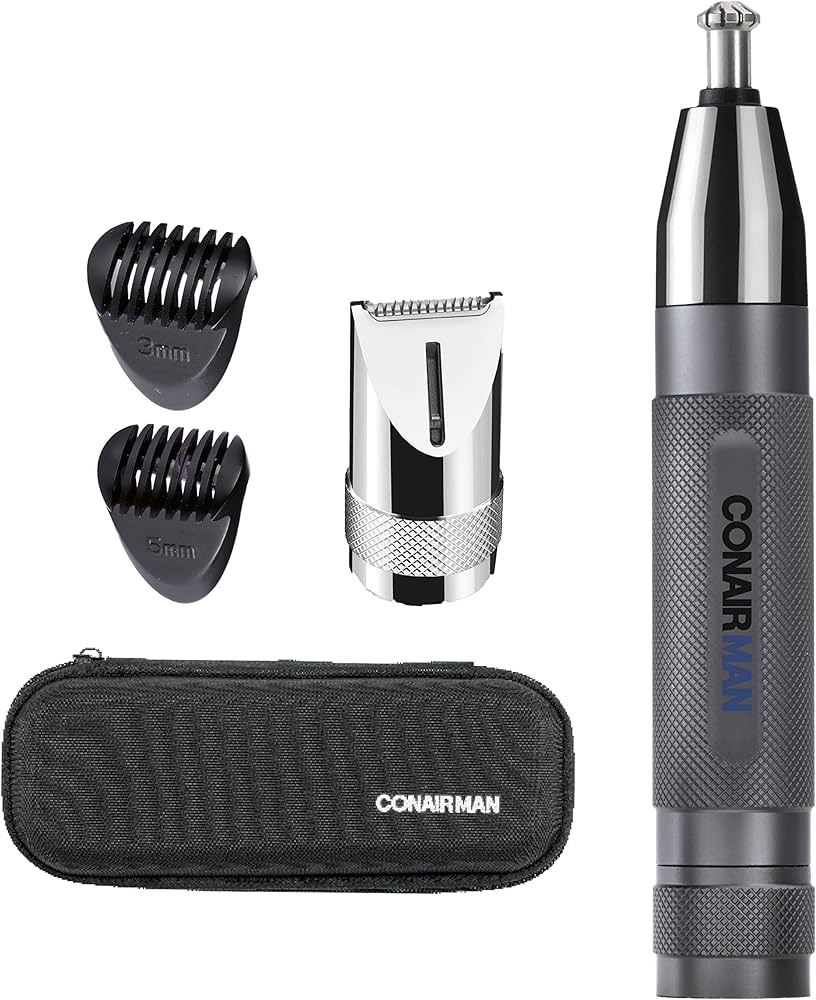
A hair trimmer is a specialized tool used for cutting human head hair, distinct from scissors and razors, and is designed for edging, outlining, dry shaving, and light shaping on smaller areas such as the neck, ears, and sideburns. A hair clipper, on the other hand, is intended for bulk hair cutting on larger areas, but does not cut extremely close to the skin.
While a trimmer is used for precision work, a clipper is used for faster, more efficient cutting. It is important to understand the differences between the two to choose the right tool for your grooming needs. Whether you prefer a clean-shaven look or a well-groomed beard, selecting the appropriate trimmer or shaver is crucial for achieving your desired style.
Understanding The Purpose And Function Of A Hair Trimmer
A hair trimmer is a specialized tool used for edging, outlining, and light shaping on smaller areas of the head. It differs from a hair clipper, which is intended for bulk hair cutting on larger areas. While a clipper does not cut close to the skin, a trimmer is designed for precise detailing around the neck, ears, and sideburns.
Hair Trimmers As Specialized Tools For Cutting Human Head Hair
A hair trimmer, also known as a hair clipper, is a specialized tool used to cut human head hair. Unlike scissors and razors, hair trimmers are designed specifically for trimming hair to a desired length. They are commonly used by barbers and hairstylists to achieve precise and consistent haircuts.
How Hair Trimmers Work Compared To Scissors And Razors
Unlike scissors, which require manually opening and closing the blades to cut hair, hair trimmers have a motorized mechanism that moves the blades back and forth. This allows for faster and more efficient hair cutting. The blades of a hair trimmer are typically made of stainless steel and have a comb-like design, allowing them to capture and cut hair as it passes through.
Compared to razors, which are primarily used for shaving and removing hair close to the skin, hair trimmers are designed to trim hair to a specific length. Hair trimmers often come with different guard attachments that allow users to choose the desired hair length. These guards prevent the blades from cutting the hair too short, resulting in a more precise and controlled haircut.
The Importance Of Using A Hair Trimmer For Precise Haircutting
Using a hair trimmer for haircutting offers several advantages, especially when it comes to achieving precise results. Hair trimmers with different guard attachments allow for consistent hair length throughout the haircut, ensuring uniformity and reducing the risk of uneven patches.
Additionally, hair trimmers are designed to cut large sections of hair at once, making the haircutting process faster and more efficient compared to using scissors. This is especially beneficial for professional hairstylists and barbers who need to serve multiple clients within a limited time frame.
Exploring The Different Features And Components Of A Hair Trimmer
Understanding the different features and components of a hair trimmer is essential for maximizing its functionality. Some key features to consider are:
- Blade material: Hair trimmer blades are typically made of stainless steel, ensuring durability and a sharp cutting edge.
- Motor power: A powerful motor allows the hair trimmer to cut through different hair types and thicknesses easily.
- Guard attachments: These attachments determine the desired hair length and help prevent the blades from cutting the hair too short.
- Battery life: For cordless hair trimmers, a long battery life ensures uninterrupted use during the haircutting process.
- Ergonomic design: A well-designed hair trimmer is comfortable to hold and maneuver, reducing hand fatigue during use.
By considering these features and components, individuals can choose a hair trimmer that best suits their specific haircutting needs.
Choosing The Perfect Hair Trimmer For Your Needs
When it comes to maintaining your hair, having the right tools is essential. And one tool that should be in every person’s grooming arsenal is a hair trimmer. Whether you want to keep your hair neatly trimmed, maintain your beard, or achieve a precise hairstyle, a hair trimmer is a versatile and convenient tool.
Understanding The Different Types Of Hair Trimmers Available
Before you start looking for the perfect hair trimmer, it’s important to understand the different types available. This will help you make an informed decision and ensure that you choose the right one for your needs.
There are two main types of hair trimmers: cordless and corded. Cordless trimmers offer the advantage of portability and freedom of movement, as they don’t require a power outlet. On the other hand, corded trimmers provide a constant and uninterrupted power source, which is ideal for longer or more complex grooming sessions.
Factors To Consider When Selecting A Hair Trimmer
When selecting a hair trimmer, there are a few important factors to consider:
- Motor power: The motor power of a trimmer determines its cutting efficiency and ability to handle different hair types. Look for a trimmer with a powerful motor for smooth and precise cutting.
- Blade type: The type of blade used by a trimmer can have a significant impact on its performance. Stainless steel blades are durable and offer a smooth cutting experience, while ceramic blades are known for their precision and sharpness.
- Cordless vs. corded: Consider whether you prefer the convenience of a cordless trimmer or the consistent power supply of a corded trimmer. Cordless trimmers are perfect for on-the-go grooming, while corded trimmers are suitable for longer grooming sessions.
Exploring Popular Hair Trimmer Brands And Models
There are several popular hair trimmer brands and models to choose from, each offering unique features and functionalities. Some popular brands include Wahl, Philips Norelco, Andis, and BaBylissPRO. Researching and exploring different brands and models can help you find the perfect trimmer that suits your preferences and needs.
Reading Customer Reviews And Ratings To Make An Informed Decision
Reading customer reviews and ratings is an excellent way to gain insights into the performance and reliability of different hair trimmers. Look for trimmers with positive reviews and high ratings, as this indicates customer satisfaction and a reliable product. Pay attention to reviews mentioning the trimmer’s cutting precision, battery life (for cordless trimmers), and overall durability.
By taking into account all these factors and doing thorough research, you can confidently choose the perfect hair trimmer that meets your unique grooming needs. Whether you’re a professional barber or someone looking to maintain their hair and beard at home, a high-quality hair trimmer will make the process easier and more efficient.
Effortless Hair Cutting Techniques With A Hair Trimmer
Effortlessly cut your hair with a hair trimmer, a specialized tool used for edging, outlining, and light shaping. Unlike scissors and razors, trimmers provide precise cuts on smaller areas like the back of the neck and around the ears.
Step-by-step Guide To Using A Hair Trimmer For Various Cutting Styles
Cutting your own hair at home can seem daunting, but with the right tools and techniques, it’s entirely possible to achieve professional-looking results. A hair trimmer is an essential tool for effortless hair cutting. Whether you want a buzz cut, a fade, or an undercut, here is a step-by-step guide on how to use a hair trimmer effectively:
Buzz Cut
- Start with clean, dry hair. Use a comb to remove any tangles and ensure even distribution.
- Attach the appropriate guard size to your hair trimmer. For a classic buzz cut, a guard size of 3mm is commonly used.
- Begin at the back of your head, moving the trimmer against the direction of hair growth. Move in even strokes, working your way towards the front of your head.
- Continue trimming around the sides and back of your head, maintaining a consistent guard length.
- For a shorter cut around the edges, switch to a smaller guard or remove the guard altogether for a clean finish.
- To blend the top with the sides, use a comb and scissors to carefully trim any longer hair.
- Finally, check for any uneven areas and make necessary adjustments.
Fade
- Prepare your hair by cleaning and drying it thoroughly. Comb through to remove any knots or tangles.
- Start with a longer guard size to create the initial length of your fade. For example, you can start with a guard size of 6mm.
- Begin at the bottom of your head, gradually moving the trimmer upwards while reducing the guard size with each pass. This creates a gradual fade effect.
- Use a comb to blend the different lengths together, ensuring a smooth transition.
- Continue working your way up the sides and back of your head, gradually reducing the guard size as you go.
- To create a clean and sharp hairline, use a smaller guard size or remove the guard altogether around the edges.
- Take your time to check and adjust the fade to achieve a seamless blend.
Undercut
- Before starting, decide on the desired length for the top of your hair.
- Start with clean, dry hair and comb through it to remove any tangles.
- Attach a guard size that matches the desired length for the sides and back of your undercut.
- Begin at the nape of your neck or the sideburn area, moving the trimmer upwards against the direction of hair growth.
- Continue trimming all around the sides and back, maintaining a consistent length.
- Switch to a smaller guard size or remove the guard altogether to create a defined line between the longer top and shorter sides.
- To achieve an even and seamless blend, use scissors and a comb to carefully trim any longer hair on the top of your head.
- Make final adjustments, ensuring the undercut is symmetrical and well-defined.
Unlocking The Secrets To Effortless Hair Cutting
Welcome to our guide on unlocking the secrets to effortless hair cutting! If you want to achieve the perfect haircut at home or in a professional salon, having the right tools is key. One such essential tool is a hair trimmer, designed specifically for cutting human head hair with precision and ease. In this blog post, we will delve into the world of hair trimmers and explore the different comb attachments, advanced features, and best practices to ensure consistent cutting lengths. Let’s get started!
Understanding The Different Comb Attachments And Their Purposes
When it comes to hair trimmers, comb attachments play a crucial role in achieving desired cutting lengths. These attachments are designed to control the amount of hair that is trimmed, allowing for versatility in styles and lengths. Here are some common comb attachments and their purposes:
| Attachment | Purpose |
|---|---|
| 1mm | Ideal for achieving a close shave or for a neat stubble look. |
| 3mm | Perfect for achieving a short, cropped haircut. |
| 6mm | Great for maintaining a medium length hairstyle or a slightly longer buzz cut. |
| 9mm+ | Recommended for longer hairstyles, allowing for more control while trimming. |
By understanding the purposes of different comb attachments, you can achieve a variety of cutting lengths and styles with ease.
Exploring Advanced Features Of Hair Trimmers (e.g., Adjustable Blades, Precision Trimming)
Hair trimmers have come a long way in terms of technology and features. Many modern hair trimmers are equipped with advanced features that make hair cutting easier and more precise. Here are a few advanced features to explore:
- Adjustable Blades: Some hair trimmers offer adjustable blades, allowing you to customize the cutting length to your preference. This feature is particularly useful when you want to create different lengths within a single haircut.
- Precision Trimming: Hair trimmers with precision trimming capabilities enable you to create sharp lines, define edges, and perfect intricate details, giving your haircut a polished and professional look.
These advanced features not only enhance the performance of hair trimmers but also provide you with more control and precision for achieving the desired haircut.
Best Practices For Achieving Consistent Cutting Lengths And Avoiding Mistakes
Consistency is key when it comes to achieving the perfect haircut. Here are some best practices to help you achieve consistent cutting lengths and avoid common mistakes:
- Start with clean, dry hair: Before using a hair trimmer, ensure that the hair is clean and dry. Wet hair can interfere with the cutting process and may lead to uneven results.
- Work in small sections: Divide the hair into small sections and trim one section at a time. This allows for better control and ensures consistent cutting lengths throughout the hair.
- Follow the direction of hair growth: Always trim with the direction of hair growth to achieve a more natural-looking haircut. Trimming against the direction of hair growth can result in choppy and uneven results.
- Regular maintenance: Clean and oil your hair trimmer regularly to maintain its performance and longevity. This helps prevent clogging and ensures smooth cutting.
By following these best practices, you can achieve consistent and professional-looking haircuts every time.
Hair Trimmers Vs. Hair Clippers: Similarities And Differences
A hair trimmer is a specialized tool used for edging, outlining, dry shaving, and light shaping on smaller areas such as the back of the neck, around the ears, and sideburns. Unlike hair clippers, trimmers do not cut extremely close to the skin and are not suitable for bulk hair cutting on larger areas.
Explaining The Similarities And Overlap Between Hair Trimmers And Hair Clippers
When it comes to cutting and styling hair, two essential tools that professionals and individuals alike rely on are hair trimmers and hair clippers. Though they serve the same purpose, there are some similarities and differences between them.
| Similarities | Differences |
|---|---|
|
|
Highlighting The Specific Benefits And Use Cases For Each Tool
Hair Trimmers
Hair trimmers are perfect for achieving precise detailing, shaping, and outlining. They are commonly used by barbers and stylists to create clean lines and define a haircut’s edges. With their smaller size and lightweight design, hair trimmers offer excellent maneuverability, allowing professionals to navigate difficult areas with ease. They are also great for maintaining facial hair, such as trimming beards and mustaches.
Hair Clippers
Hair clippers, on the other hand, are primarily used for cutting large sections of hair. They are efficient at quickly reducing hair length and are commonly used for buzz cuts or removing bulk before using a trimmer for more precise detailing. Hair clippers usually come with a range of guard combs to achieve different hair lengths, making them versatile in creating various hairstyles. Due to their larger size and heavier build, hair clippers provide more power and are ideal for cutting through thick and coarse hair.
Tips For Choosing Between A Hair Trimmer And Hair Clippers Based On Your Needs And Preferences
- Consider the purpose: If you need to create precise lines and detailed styles, a hair trimmer would be the better choice. For overall hair cutting and bulk reduction, hair clippers are more suitable.
- Assess the hair type: If you have thick or coarse hair, a hair clipper’s extra power and larger blades will be more efficient. For fine or delicate hair, a hair trimmer’s precision and smaller blades will be gentler.
- Think about maneuverability: If you need to access tight spaces or have more control over your cuts, opt for a hair trimmer. Hair clippers are better for large areas and faster cuts.
- Consider versatility: If you want the flexibility to create different hair lengths and styles, hair clippers with adjustable guard combs provide more options. Hair trimmers may have limited blade lengths but offer more detailing capabilities.
- Take budget into account: Hair trimmers are generally less expensive than hair clippers, so if you’re on a budget, a trimmer may be a more cost-effective choice.
By considering these tips, you can choose the tool that best suits your specific needs and preferences. Whether you opt for a hair trimmer or hair clipper, both provide excellent options for achieving professional-looking haircuts at home or in a salon.

Credit: staging-na-conair.demandware.net
Frequently Asked Questions Of What Is A Hair Trimmer
What Are Hair Trimmers Used For?
Hair trimmers are specialized tools used for edging, outlining, and light shaping of smaller areas like the back of the neck and around the ears. They are designed to cut hair close to the skin, but not as close as a shaver.
Hair clippers, on the other hand, are used for bulk hair cutting on larger areas.
What Is The Difference Between A Hair Clipper And A Hair Trimmer?
A hair clipper is used for cutting hair in larger areas but doesn’t cut close to the skin. A hair trimmer is designed for edging, outlining, dry shaving, and shaping in smaller areas like the back of the neck and around the ears.
Is Using A Trimmer The Same As Shaving?
No, using a trimmer is not the same as shaving. A trimmer is used for edging, outlining, dry shaving, and light shaping in smaller areas. Shavers are specifically designed for shaving off a beard.
Conclusion
A hair trimmer is a specialized tool used to cut human head hair, distinct from scissors and razors. While clippers are intended for bulk hair cutting, trimmers are designed for edging, outlining, dry shaving, and light shaping on smaller areas.
Unlike shavers, trimmers are used for trimming and maintaining the beard. When choosing a personal grooming tool, consider the purpose and preferred look. Invest in a high-quality trimmer to achieve precise and clean cuts without losing power. Find the perfect hair trimmer for your grooming needs and enjoy effortless styling.