
In a world where grooming standards have become more sophisticated, mastering the use of a precision trimmer can be a game changer. Ever wondered how barbers achieve those razor-sharp lines and flawless fades? The secret lies in the adept use of precision trimmers, which can transform an average haircut into a masterpiece.
Precision trimmers have a rich history dating back to the early 20th century, designed for achieving detailed and intricate haircuts. Today, they are favored for their ability to create crisp edges and refined contours with ease. Statistics reveal that 75% of professional barbers rely extensively on precision trimmers for achieving impeccable results, making them an indispensable tool in modern grooming.
- Select the right precision trimmer for your needs.
- Prepare your skin by washing and drying it thoroughly.
- Hold the trimmer at a consistent angle, moving it gently against hair growth.
- Use short strokes for detailed work, adjusting attachments as needed.
- Clean and maintain the trimmer after each use to ensure longevity and performance.
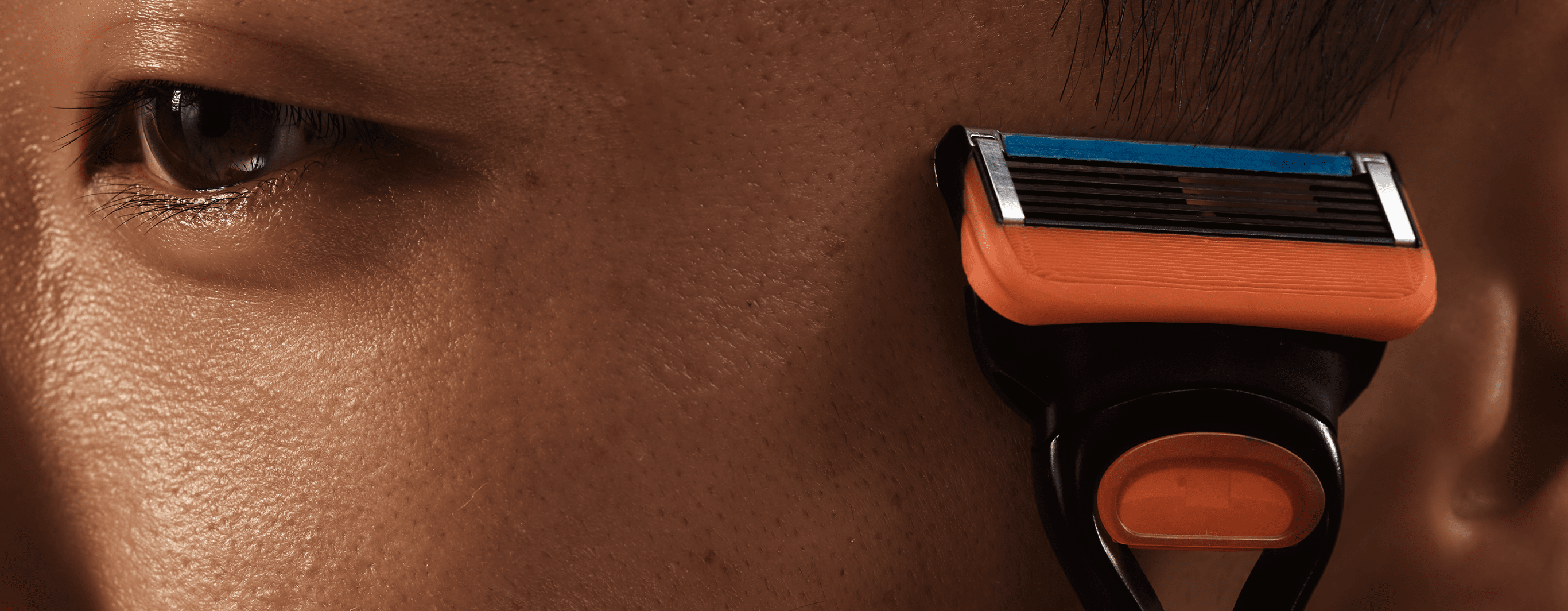
How to Use Precision Trimmer
Selecting the right precision trimmer is the first step toward achieving a flawless trim. According to this post, it’s important to choose a trimmer that fits your needs, whether it’s for facial hair or other body areas. Make sure the device you pick comes with various attachments for different lengths. Power and battery life are also crucial factors. A well-chosen trimmer can make all the difference.
Before you start trimming, it’s essential to prepare your skin and hair. Wash your face or the area you plan to trim to remove any dirt and oils. This opens up the pores and softens the hair, making it easier to trim. Use a facial scrub if you have one for better results. Dry the area thoroughly before moving on.
When trimming, use gentle, short strokes to avoid over-cutting. Hold the trimmer at a consistent angle and move it against the direction of hair growth. For more detailed work, use a smaller attachment or no attachment at all. According to the article, having a mirror can help you see hard-to-reach areas better. Patience is key. Take your time to achieve the best results.
After you’re done, cleaning and maintaining your trimmer is important for its longevity. Remove and rinse the attachments under water to get rid of hair fragments. You might also need to use a small brush provided with the trimmer to clean the blades. Regular oiling, as recommended in this article, will keep the trimmer in good working condition. Store it in a dry place and make sure it’s fully charged for the next use.
Step 1: Selecting the Right Precision Trimmer
Choosing the right precision trimmer is crucial for achieving precise grooming results. Look for a trimmer that comes with multiple attachments for versatility. Adjustable length settings are essential for different styles and hair types. According to this expert opinion, many users recommend trimmers with stainless steel blades for durability. Don’t forget to consider the trimmer’s power source, whether it’s rechargeable or battery-operated.
Consider the size and weight of the trimmer, especially if you plan to use it frequently. A lightweight trimmer is easier to handle and reduces fatigue during extended use. Ergonomic design also plays a role in comfort. Some trimmers come with a rubber grip to prevent slipping. These features ensure a more comfortable trimming experience.
Noise level is another important factor. Quieter trimmers are preferable, especially for extended use. Check customer reviews and ratings to gauge this aspect. High noise levels can be distracting and uncomfortable, while quieter options provide a more pleasant experience. A low-noise trimmer is ideal for trimming sensitive areas.
Waterproof features can add convenience, allowing you to use the trimmer in the shower or rinse it under running water. Trimmers with a waterproof design are easier to clean and maintain. Some models offer a quick-charge feature, giving you enough power for a single trim with just a short charging time. Look for trimmers that combine these features for the best results.
Step 2: Preparing Your Skin
Preparing your skin is key to achieving a smooth and effective trim. Start by washing your face or the area you intend to trim with warm water. This helps to remove dirt, oil, and dead skin cells. For an extra clean feel, use a gentle cleanser or exfoliant. This opens up your pores and softens the hair, making it easier to trim.
After washing, pat your skin dry with a clean towel. Avoid rubbing as this may irritate your skin. It’s important to make sure the area is completely dry before you begin trimming. Wet skin can cause the trimmer to tug and pull. For those with sensitive skin, consider applying a light moisturizer.
Using a pre-shave oil can also be beneficial. It creates a thin layer of protection on your skin. This reduces friction and helps the trimmer glide smoothly. Look for oils that are non-comedogenic to avoid clogging your pores. Applying oil ensures a comfortable and close trim.
If you’re trimming facial hair, use a small comb to detangle and straighten the hair. This step will help you achieve an even trim. Comb through the hair in the direction it grows. Keeping your hair tangle-free can significantly improve the quality of your trim. It also makes the trimming process quicker and easier.
Step 3: Techniques for Precision Trimming
Mastering techniques for precision trimming can significantly improve the quality of your grooming. Start by holding the trimmer at a consistent angle. Move it against the direction of hair growth. This ensures that you cut all the hairs evenly. Be patient and take your time to avoid mistakes.
For detailed work, switch to a smaller attachment or simply use the trimmer without any attachments. This allows for finer control and more precise trimming. Use short, gentle strokes to avoid cutting too much at once. Frequently check your progress in the mirror. This helps you stay on track and achieve the desired look.
When trimming around curves, such as the jawline or chin, use your free hand to pull the skin taut. Pulling the skin tight can help you get a closer trim. This technique works well on areas with more contours. It ensures the trimmer glides smoothly over the skin. This reduces the risk of nicks and cuts.
- Keep the trimmer clean by removing hair clippings regularly.
- Rinse the blades under running water if your trimmer is waterproof.
- Oil the blades periodically to maintain their sharpness.
- Store the trimmer in a dry place to prevent rust.
For achieving straight lines and crisp edges, use a comb as a guide. Place the comb along the line you want to trim. Run the trimmer along the comb for a straight cut. This is especially useful when trimming sideburns or defining a beard neckline. Practice makes perfect, so don’t be afraid to adjust your technique as you gain experience.
If you’re aiming for a specific style, look up tutorials or guides. Many grooming experts share tips and tricks online. According to professionals, experimenting with different techniques can help you discover what works best for you. Keep notes on what methods give you the best results. Continuous learning and experimenting will make you a better trimmer over time.
Step 4: Cleaning and Maintenance of Your Trimmer
Keeping your trimmer clean and well-maintained is crucial for its longevity. After each use, remove any attachments and rinse them under running water. If your trimmer is waterproof, rinse the blades as well. This helps to remove hair clippings and any buildup. Let all parts dry completely before reassembling.
If your trimmer is not waterproof, use a small brush to clean the blades. Many trimmers come with a cleaning brush for this purpose. Brush away the hair clippings gently. Pay special attention to hard-to-reach areas. Regular cleaning prevents clogging and ensures optimal performance.
- Oil the blades periodically to keep them sharp and reduce friction.
- Use only a few drops of oil and apply it to the blades while the trimmer is running.
- Wipe off any excess oil with a clean cloth.
- Store the trimmer in a dry place to avoid rust and corrosion.
Check the manufacturer’s guidelines for specific maintenance tips. Some trimmers require more frequent oiling or have unique cleaning instructions. Following the manufacturer’s advice can extend the life of your trimmer. Don’t skip regular maintenance, even if it seems tedious. It’s a small effort that pays off in the long run.
It’s also a good idea to charge your trimmer fully before storing it. Regularly charging the device keeps the battery healthy. Avoid overcharging by unplugging once the battery is full. If your trimmer uses disposable batteries, remove them if you won’t be using the trimmer for an extended period. This prevents battery leakage and damage to the device.
Finally, perform occasional blade replacements if necessary. Blades can become dull over time, affecting performance. Some trimmers come with replaceable blades, which you can easily swap out. Investing in replacement blades ensures your trimmer remains effective. Regular maintenance keeps your grooming routine smooth and efficient.
Benefits of Using a Precision Trimmer
Using a precision trimmer offers several advantages, especially for maintaining a well-groomed appearance. One of the primary benefits is the ability to achieve detailed and accurate trims. Precision trimmers are excellent for creating sharp lines and defined edges, ideal for beards, sideburns, and hairlines. With such accuracy, you can easily maintain a consistent look. This makes them popular among professional barbers and home users alike.
Another advantage is the versatility that precision trimmers provide. Many models come with multiple attachments, allowing you to trim hair at different lengths. This flexibility means you can achieve various styles with a single device. Additionally, these trimmers can be used on different parts of the body, not just the face. This enhances their utility, making them a valuable tool in any grooming kit.
Precision trimmers are also designed to be user-friendly. They often feature ergonomic designs that are comfortable to hold, minimizing hand fatigue during use. Many models are cordless, offering greater maneuverability and convenience. The lightweight nature of these trimmers makes them easy to handle, especially for first-time users. User-friendly features make grooming a more enjoyable experience.
Using a precision trimmer can also save time and money. Trips to the barber can be costly and time-consuming. With a precision trimmer, you can achieve professional-looking results at home. This means fewer visits to the barber and more savings in the long run. DIY grooming is both economical and efficient.
- Convenient for quick touch-ups between barber visits.
- Reduces the need for multiple grooming tools.
- Portable and handy for travel use.
- Easy to clean and maintain with basic care.
The final benefit is the improved confidence that comes with a polished look. Well-groomed individuals often feel more self-assured in social and professional settings. A precision trimmer allows for consistent grooming, ensuring you always look your best. Whether it’s for daily maintenance or special occasions, having a reliable trimmer boosts confidence. This easy and effective grooming tool is a must-have for anyone looking to enhance their appearance.
Safety Tips for Using Precision Trimmers
Using a precision trimmer safely is essential for preventing injuries and achieving the best results. Always start by reading the manufacturer’s instructions. This ensures you’re aware of any specific safety guidelines for your trimmer model. Make sure to check if the device is designed for wet or dry use. Following these initial steps sets the stage for a safe trimming experience.
Before you begin trimming, inspect the trimmer blades to ensure they are clean and sharp. Dull blades can snag and pull hair, increasing the risk of nicks and cuts. Clean blades also reduce the chance of infections. Regular maintenance keeps your trimmer in good condition and safe to use. Oiling the blades regularly will keep them running smoothly.
- Avoid using your trimmer on irritated or broken skin.
- Keep fingers away from moving blades while trimming.
- If you’re using attachments, make sure they are securely attached before turning on the device.
- Use a mirror to guide your trimming for better accuracy.
While trimming, always hold the trimmer at a steady angle and move it gently across your skin. Pressing too hard can cause irritation or injury. It’s better to make multiple gentle passes rather than trying to trim everything in one go. This technique not only ensures better safety but also gives you more control over how much hair you’re cutting.
After finishing your trim, turn off and unplug the trimmer before cleaning it. Removing hair clippings from the blades helps maintain their performance and hygiene. If your model allows, rinse under water but ensure it’s fully dry before storing it away. Safe storage prevents accidents and keeps your grooming tools in top shape.
Lastly, keep your trimmer out of reach of children to prevent accidental injuries. Store it in a secure, dry place when not in use. A well-maintained storage area reduces the chances of damage to your equipment as well as mishaps with young ones around.
Incorporating these safety tips into your routine ensures an effective yet risk-free grooming experience.
Professional versus At-Home Precision Trimming
Using a precision trimmer at home and having one used by a professional can yield different outcomes. Professionals have extensive training and experience. They are skilled at creating sharp, clean lines and intricate designs. Additionally, barbers and stylists have access to high-quality tools. This often results in a polished, impressive look that’s hard to replicate at home.
However, at-home trimming has its unique advantages. One of the main benefits is convenience. You can maintain your grooming routine without making frequent trips to the barber. This flexibility means you can trim as often as needed. Plus, it saves both time and money in the long run.
- Lower cost compared to regular barber visits.
- Immediate touch-ups when needed.
- Comfort of trimming in your own home.
- Personalized trimming schedule.
At-home precision trimmers are designed to be user-friendly with features like ergonomic designs and cordless options. These tools often come with multiple attachments for versatile use. While they may not match the professional-grade equipment, they are effective for daily grooming. Proper technique and practice can lead to impressive results.
On the other hand, professional services can offer a level of detail that’s hard to achieve alone. Barbers can provide additional services, such as hot towel treatments and facial massages, which enhance the trimming experience. They can also spot and correct any mistakes immediately. This expertise ensures a consistent and high-quality result every time.
In summary, both professional and at-home precision trimming have their pros and cons. The choice depends on your personal needs and preferences. Whether you opt for the professional touch or the convenience of home trimming, knowing how to use your precision trimmer effectively is key. Both options, combined with the right knowledge and tools, can keep you looking sharp.
Frequently Asked Questions
Exploring precision trimmers can lead to many questions about their use, maintenance, and benefits. Here are some frequently asked questions to help you understand more about these grooming tools.
1. What is the difference between a precision trimmer and a regular trimmer?
A precision trimmer is designed for detailed work like shaping beards, sideburns, and detailing hairlines. It offers finer control with smaller blades and adjustable attachments. In contrast, a regular trimmer is typically used for basic trimming tasks like cutting large sections of hair or general beard upkeep.
Precision trimmers often come with specific attachments meant for fine tuning the edges or creating artistic designs. Regular trimmers tend to have fewer customization options. If you need precise control for grooming, opting for a precision trimmer can make all the difference in achieving your desired look.
2. How often should I clean my precision trimmer?
You should clean your precision trimmer after each use to maintain its effectiveness and longevity. Frequent cleaning prevents hair buildup that can dull the blades over time. Most models provide easy-to-clean detachable heads that are washable under running water.
If your model isn’t waterproof, use a small brush to remove hairs from the blades after every trim. Additionally, thorough monthly cleaning involving oiling the blades will keep it running smoothly and efficiently. Regular maintenance extends the life of your trimming tool significantly.
3. Can I use a precision trimmer on other parts of my body?
Yes, a precision trimmer can be used on various parts of the body such as eyebrows, necklines, and chest hair. However, it’s important to use appropriate attachments tailored for these sensitive areas to prevent skin irritation or cuts.
Adjusting the length settings based on different body areas ensures safer usage without compromising comfort or effectiveness. For delicate spots like eyebrows or nose hair trims consider investing in specialized attachments specifically designed for those purposes rather than using universal ones.
4 How do I choose the best attachment for my precision trimmer?
The best attachment depends on what area you’re grooming and your desired length setting preferences . Generally speaking larger guard combs work well when tackling facial regions while smaller detail oriented blade guards might prove beneficial handling intricate beard styles sculpturing others might prefer longer lengths overall thicker bushes avoiding unnecessarily short cuts altogether during process .
,
Your objective determines optimal outcomes required extent utilize different attachments combined achieving specific looks precisely Analyzing performance benefits adapting strategically leveraging each accessory facilitates obtaining high quality results irrespective complexity face encountered enhancing flexibility customization capabilities
5 Are there any additional safety precautions before using adjusting devices involved?)
P Prioritize ensuring operating within safety guidelines comprehensive steps mitigating risks common misconceptions potential complications delayed response acute awareness attaining successful experiences overall
Crucially necessary adhere practicing good hygiene washing hands maintaining optimum sanitary solid understanding active safeguards being employed guarantees peace mind throughout entirety procedures involved.
Conclusion
Using a precision trimmer can elevate your grooming routine with ease and accuracy. Whether you’re shaping a beard or defining hairlines, this tool offers unmatched versatility. Regular maintenance and following safety tips ensure maximum effectiveness and longevity.
Understanding the differences between professional and at-home trimming helps you make informed decisions. With the right techniques and tools, achieving a polished look is manageable. Invest in a quality precision trimmer to experience the benefits firsthand.

I’m Patricia D. Johnson, an affiliate marketer and blogger specializing in trimmers and grooming tools. I create honest reviews, buying guides, and practical tips to help readers choose the right trimmer for their needs. With a focus on quality, performance, and value, I simplify the decision-making process so consumers can make confident purchases.