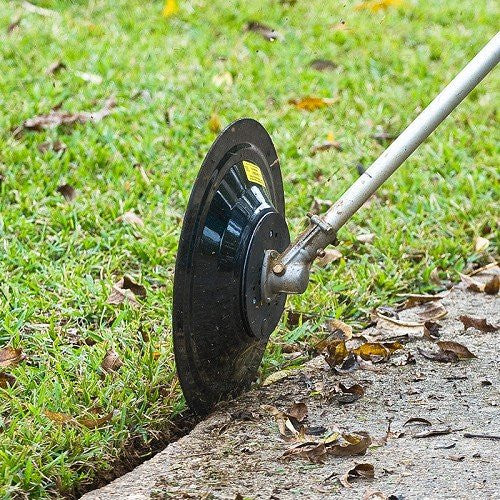
Yes, you can put an edger blade on a string trimmer. It’s a simple process that involves swapping out the string trimmer head for the edger blade attachment.
This allows you to use your string trimmer as a lawn edger, providing a clean and precise edge to your lawn. A string trimmer is a versatile tool that can be adapted for various lawn care tasks. Whether you’re trimming grass, edging flower beds, or clearing weeds, having the option to switch to an edger blade expands the tool’s functionality.
We’ll discuss the benefits of using an edger blade on a string trimmer, the process of installing the attachment, and some tips for effectively using a string trimmer as an edger. By the end, you’ll have a clear understanding of how to maximize the potential of your string trimmer for lawn maintenance.
Credit: edgit.com
Benefits Of Using An Edger Blade On A String Trimmer
Using an edger blade on a string trimmer offers numerous benefits that can enhance the efficiency and precision of your lawn maintenance tasks. From achieving clean and well-defined edges to efficiently trimming weeds, the addition of an edger blade can significantly improve the overall performance of your string trimmer.
Enhanced Precision And Control
By incorporating an edger blade into your string trimmer, you can achieve enhanced precision and control when creating sharp and defined edges along sidewalks, driveways, and flower beds. The precision provided by the edger blade ensures that you can achieve a professional-looking finish on your lawn edges, adding aesthetic appeal to your outdoor space.
Efficient Weed Trimming
When equipped with an edger blade, a string trimmer becomes an efficient tool for removing unwanted weeds and grass from hard-to-reach areas such as along fences and pathways. The edger blade allows for precise and thorough trimming, effectively eliminating unsightly overgrowth and maintaining a neat and tidy appearance throughout your yard.
Important Factors To Consider
When considering putting an edger blade on a string trimmer, there are several important factors to take into account. From compatibility to safety, it’s crucial to understand the key aspects before making any modifications.
Compatibility With String Trimmer
Before attaching an edger blade to a string trimmer, confirm that the equipment is compatible. Check the manufacturer’s guidelines and product specifications to ensure that the blade can be safely and securely installed on your specific model of string trimmer.
Safety Measures To Follow
When using an edger blade on a string trimmer, prioritizing safety is paramount. Make sure to wear protective gear, including goggles, gloves, and long pants. Additionally, carefully read and adhere to the safety instructions provided by the equipment manufacturer. Always switch off the trimmer and disconnect the spark plug before installing or removing the blade to prevent accidental start-up and injury.
Step-by-step Guide To Attach An Edger Blade
Learn how to attach an edger blade step-by-step to your string trimmer, ensuring a seamless transition between the two. This guide provides easy-to-follow instructions for optimizing your gardening tool’s functionality.
Gather The Required Tools
To successfully attach an edger blade onto your string trimmer, you will need the following tools:
- A wrench
- A pair of pliers
- A cloth or towel
Remove The Trimmer Head
Now, let’s move on to removing the trimmer head from your string trimmer. Follow these steps:
- Ensure the trimmer is turned off and the spark plug wire is disconnected to prevent any accidental starts.
- Hold the trimmer head firmly in one hand while using the other hand to twist the retaining nut counterclockwise.
- Continue twisting until the nut comes off completely.
- Set aside the nut and any washers that may be present.
- Next, pull the trimmer head straight off the shaft.
- Use a cloth or towel to clean any dirt or debris from the shaft.
Attach The Edger Blade
Now that the trimmer head is removed, it’s time to attach the edger blade. Follow these steps:
- Take your edger blade and line up the holes on the blade with the corresponding holes on the trimmer shaft.
- Insert the retaining nut through the holes in the blade and onto the shaft.
- Use a wrench to tighten the nut securely in a clockwise direction. Ensure it is tight, but be careful not to overtighten.
- If there are any washers that were removed earlier, place them back on the shaft before tightening the nut.
- Once the nut is tightened, give the blade a gentle tug to make sure it is securely attached.
That’s it! You have successfully attached an edger blade to your string trimmer. Remember to always follow the manufacturer’s instructions and guidelines for your specific model. Happy edging!
Tips For Optimal Performance
When it comes to achieving optimal performance with your string trimmer, there are a few tips that can help you make the most out of your edger blade. The following tips will ensure that your blade remains sharp and properly angled, allowing for precise and efficient trimming.
Maintaining Proper Blade Sharpness
To ensure that your edger blade performs at its best, it is important to maintain its sharpness. A dull blade can result in inefficient cutting and uneven trimming. Here are some tips to help you maintain the sharpness of your blade:
- Regularly inspect the blade for signs of wear and tear.
- Sharpen the blade when it starts to show signs of dullness.
- Use a sharpening stone or file to sharpen the blade.
- Follow the manufacturer’s instructions for sharpening.
Adjusting Blade Angle
Another important aspect of achieving optimal performance with your edger blade is adjusting the angle at which it cuts. The angle will determine how your trimmer cuts through the grass and how well it trims the edges. Here are some tips for adjusting the blade angle:
- Refer to the user manual to find the recommended blade angle for your trimmer.
- Make sure the trimmer is turned off and the blade is not spinning before adjusting the angle.
- Use the adjustment knobs or screws provided to change the angle of the blade.
- Test the new angle by trimming a small section of grass and adjust if necessary.
By following these tips for maintaining proper blade sharpness and adjusting the blade angle, you can ensure that your string trimmer with an edger blade performs optimally, providing clean and precise trimming results every time.
Potential Issues And Troubleshooting
When it comes to using an edger blade on a string trimmer, there are a few potential issues you may encounter. Understanding these problems and knowing how to troubleshoot them can help you make the most of your equipment. In this section, we will discuss two common issues that may arise when using an edger blade on a string trimmer: vibration and balance problems, and overheating of the trimmer motor.
Vibration And Balance Problems
One of the potential issues when using an edger blade on a string trimmer is the occurrence of vibration and balance problems. This can be caused by various factors, such as an improperly installed blade or an unbalanced trimmer head. Excessive vibration not only affects the performance of the tool but also increases the risk of fatigue and discomfort for the user. Here are a few troubleshooting steps you can take to address this issue:
- Inspect the blade: Ensure that the edger blade is securely and correctly installed. Verify that it is not damaged, bent, or dull. Replace or reposition the blade if necessary.
- Check the trimmer head: Ensure that the trimmer head is properly balanced. A balanced head reduces vibrations and provides a smoother cutting experience. If the head is unbalanced, refer to the trimmer’s user manual for instructions on how to balance it.
- Inspect for debris: Clear any debris, such as grass or weeds, that may have gathered around the blade or inside the trimmer head. This debris can cause imbalance and vibration.
- Inspect the trimmer shaft: Check the trimmer shaft for any damages, cracks, or loose components. Damage to the shaft can also contribute to vibration issues.
By following these steps, you can reduce vibration and balance problems when using an edger blade on your string trimmer, ensuring a more comfortable and efficient operation.
Overheating Of The Trimmer Motor
Another potential issue you may encounter when using an edger blade on a string trimmer is the overheating of the trimmer motor. This can be a result of excessive strain on the motor due to the added workload of the edger blade. Here are a few troubleshooting steps to address this problem:
- Use short bursts: Avoid continuous operation of the trimmer with the edger blade for extended periods. Instead, use short bursts of operation to prevent the motor from overheating.
- Cooling breaks: Take regular breaks during use to allow the trimmer motor to cool down. This will help prevent overheating and increase the lifespan of the motor.
- Clean air vents: Ensure that the air vents of the trimmer are free from dirt, debris, or obstructions. Clogged vents can limit air circulation and contribute to motor overheating.
- Proper maintenance: Regularly clean the trimmer and inspect for any damages or loose parts. Proper maintenance ensures optimal performance and helps prevent overheating.
By following these troubleshooting steps, you can reduce the risk of overheating the trimmer motor when using an edger blade, prolonging the lifespan of your equipment.

Credit: www.amazon.com
Frequently Asked Questions On Can You Put An Edger Blade On A String Trimmer
Can You Use An Edger Blade On A String Trimmer?
No, you cannot use an edger blade on a string trimmer. Edger blades and string trimmer blades have different designs and functions. Edger blades are designed to create clean, precise edges on sidewalks and driveways, while string trimmers are designed for cutting grass and weeds in larger areas.
Attempting to use an edger blade on a string trimmer can cause the trimmer to malfunction and potentially result in injury.
What Is The Purpose Of An Edger Blade?
The purpose of an edger blade is to create defined edges along sidewalks, driveways, and garden beds. Edger blades are specifically designed to cut through compacted soil, grass, and roots, providing a clean and neat appearance to the edges of these areas.
It helps create a clear distinction between different sections of a yard, enhancing its overall aesthetic appeal.
How Often Should You Replace The Edger Blade?
The frequency of replacing an edger blade depends on several factors, such as the frequency of use, the type of soil, and the condition of the blade. As a general rule, it is recommended to replace the edger blade every 25-50 hours of use or at least once per season.
Regular inspection of the blade for dullness or damage is important, and replacement should be done as soon as signs of wear are noticed to ensure optimal performance.
Conclusion
While it may be tempting to put an edger blade on a string trimmer for added versatility, it’s important to proceed with caution. While it may be technically possible, it could damage the trimmer and compromise its functionality. It’s always best to use the tools as intended for optimal performance and safety.