How to Edge Lawn Without Trimmer
Learning how to edge lawn without trimmer saves money. Manual methods can produce equally impressive results overall. Gardeners edged lawns long before trimmers existed anywhere. Simple hand tools still deliver clean, defined borders. A sharp spade cuts surprisingly precise edges too.
This guide walks through five clear steps together. You gather tools, plan, prepare, edge, and maintain. Take your time and follow the natural contour. Patience turns extra effort into real lasting rewards. The finished edge frames beds and paths beautifully.
Our manual edger guide covers the classic tool method. The Wikipedia lawn edger page explains the tool family history. Safety gear and steady footing matter throughout edging.
Quick answer: Yes, a spade or edger works very well. Mark the line first with string or paint. Cut straight down with steady foot pressure applied. Clear the loose soil to define the edge. Touch up the edge regularly through the season.
How to Edge Lawn Without Trimmer: Overview
Before trimmers existed, gardeners used edging spades daily. The half-moon edger made precise, clean cuts possible. Studies show manual tools create more defined edges. They produce professional-looking results compared with trimmer edges.
Please note: The history above credits manual edges with more definition. One answer later says trimmer edges look cleaner. Both views stay here exactly as published originally.
| Method | What the Post Says |
|---|---|
| Sharp spade or shovel | Cuts clean lines along lawn borders |
| Manual lawn edger | Some physical effort, great results overall |
| Hand grass shears | Trims edges neatly by hand power |
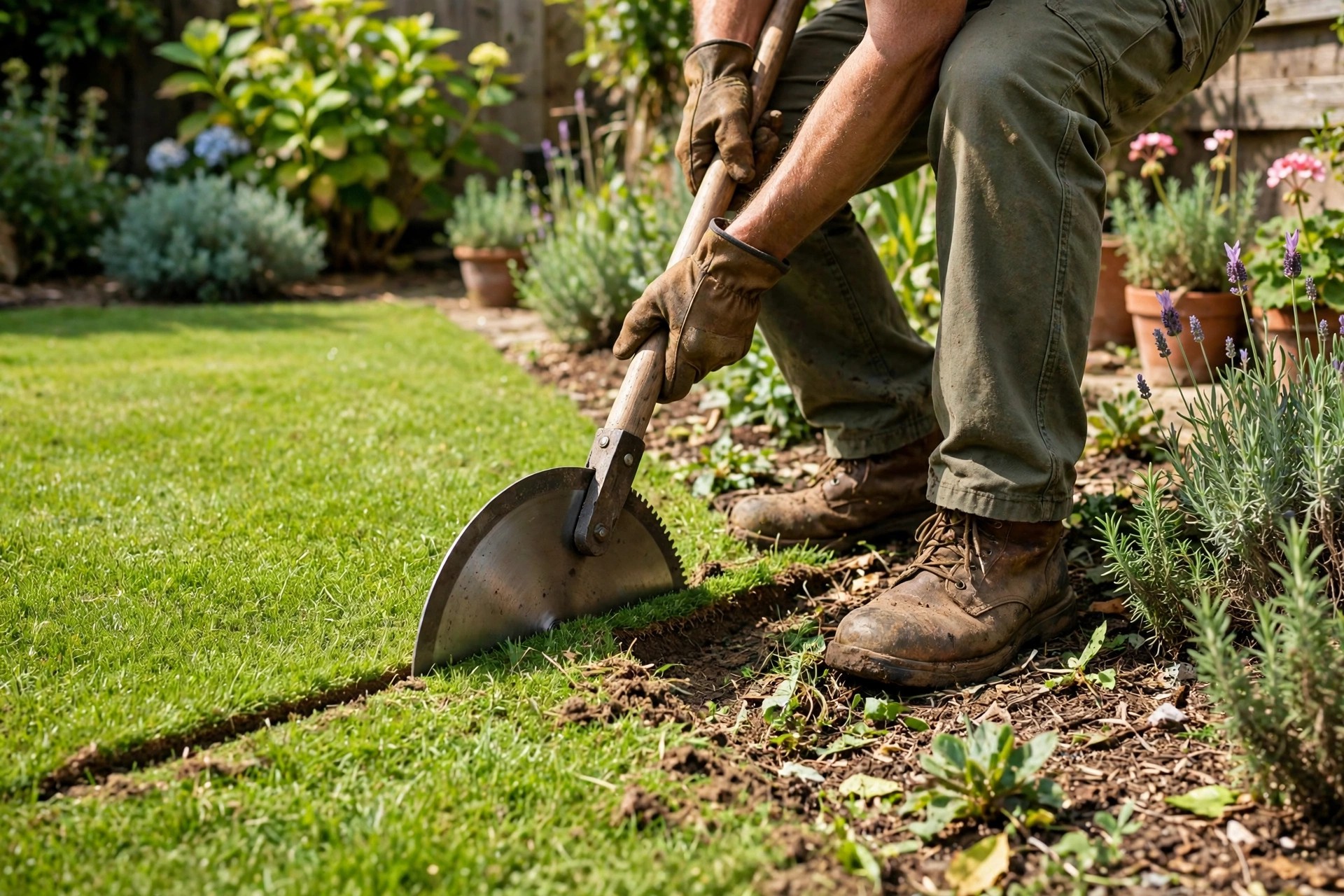
Step 1: Gather the Necessary Tools
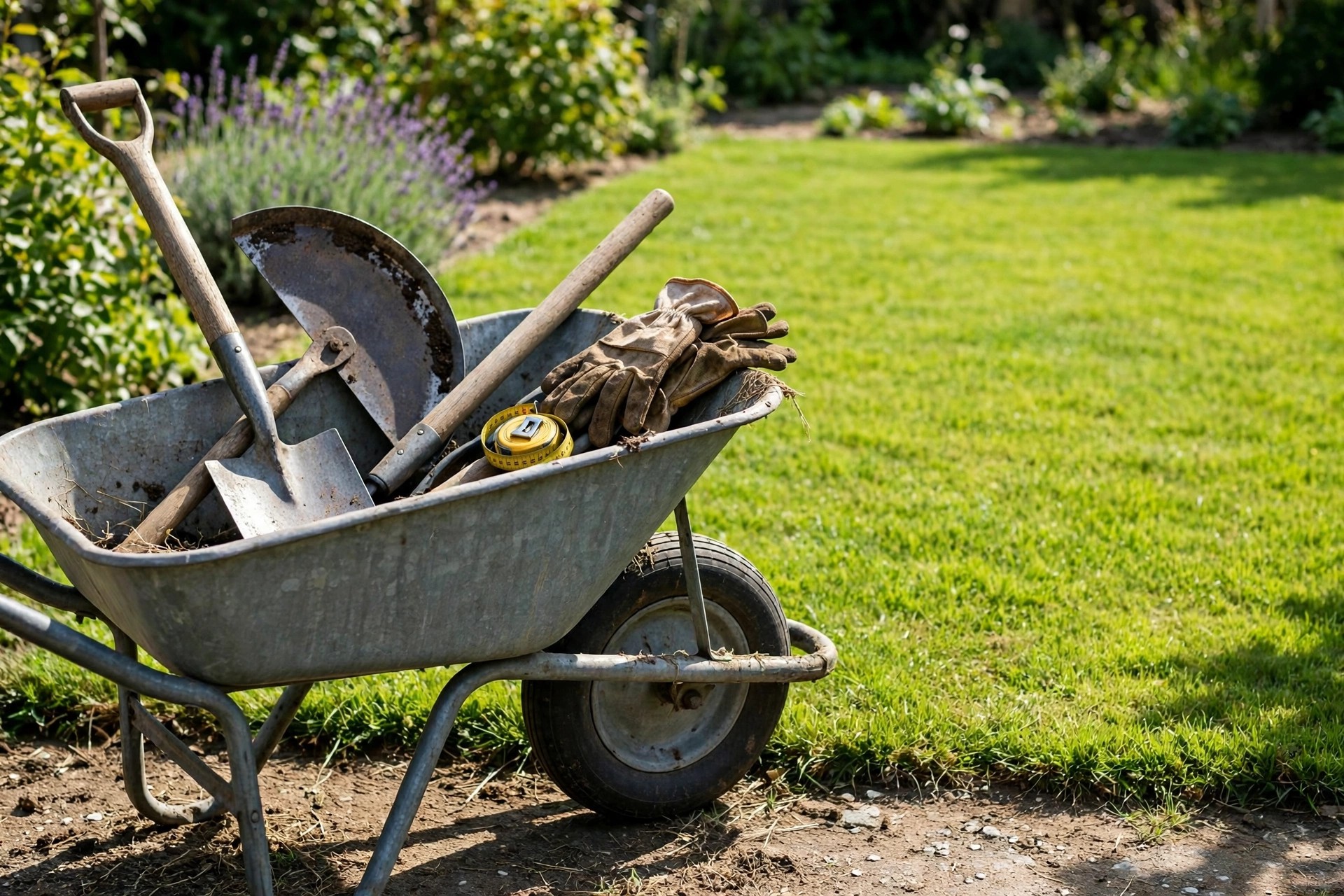
Gather every tool before starting the edging work. The right tools make every later step easier. Gloves protect hands during hours of cutting work. A wheelbarrow stays optional for carrying soil away.
| Tool | Used For |
|---|---|
| Spade or half-moon edger | Cutting the main edge line |
| Garden gloves | Protecting hands while working outside |
| Measuring tape | Checking widths and straight distances |
| Board or string | Guiding straight, even edge lines |
| Marker or spray paint | Marking the planned edge clearly |
| Wheelbarrow or garden cart | Carrying soil and debris away |
Step 2: Decide on the Edge Design
Decide the edge shape before cutting anything today. Choose straight lines, gentle curves, or both combined. Use string or a board as temporary guide. Mark the line using marker or spray paint. A clear plan makes the whole process smoother.
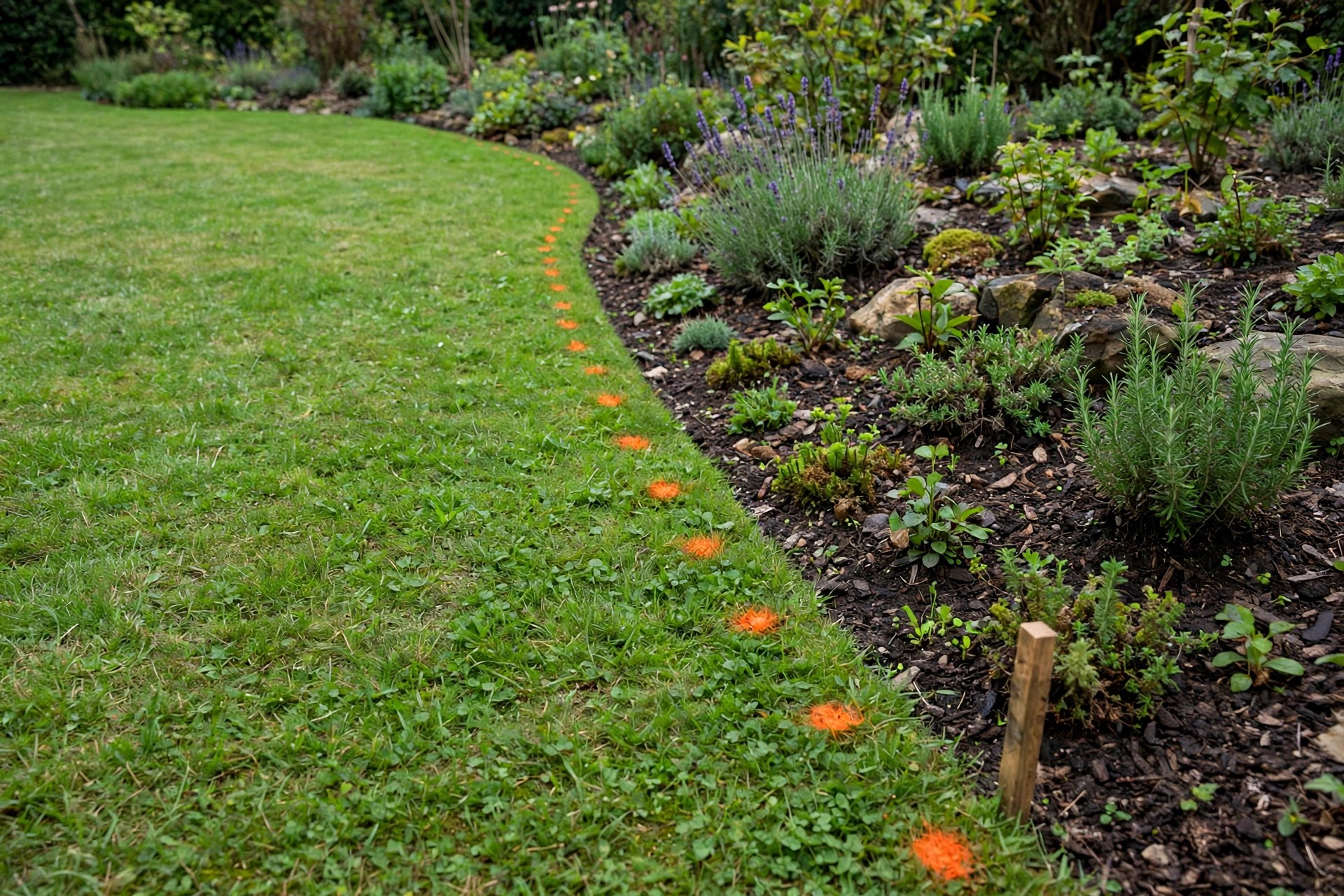
Our lawn edger explainer describes each edger type clearly. Our hand edger guide shows the manual tool technique. Curved beds follow the natural landscape contour best.
Step 3: Prepare the Area
Remove debris from the whole edging area first. Clear away rocks, sticks, and fallen leaves completely. Trim overgrown grass down to a manageable height. Hand shears handle that pre-trimming work very well. Dig out excess soil buildup along the line.
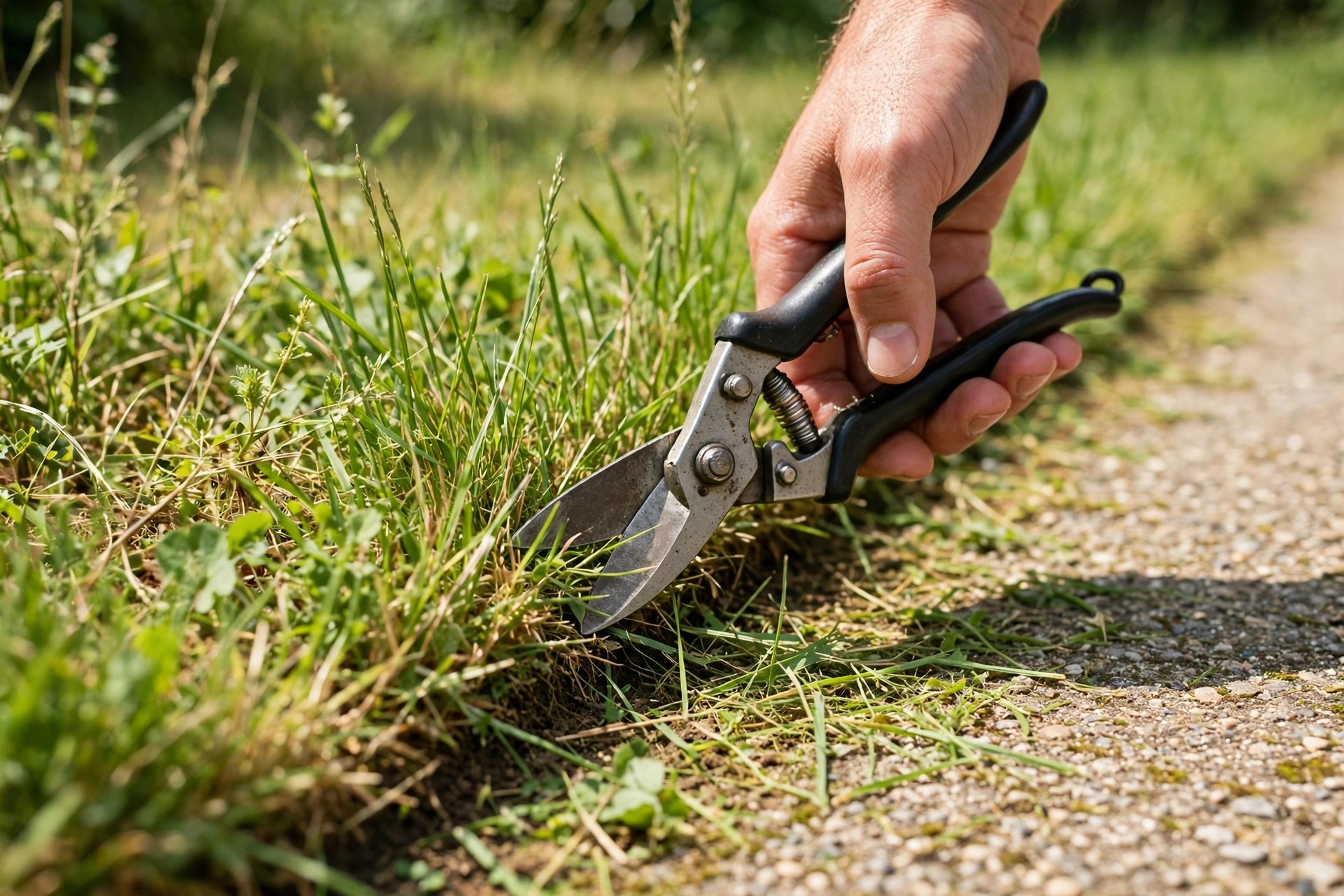
Clear soil defines the edge much more sharply. It also stops soil spilling onto the lawn. Our manual edger verdict weighs effort against results.
Step 4: Begin Edging
Position the spade at the starting point first. Keep the blade perpendicular to the ground surface. Push the spade in with your foot firmly. Apply steady pressure while pushing the tool down. Rock the tool slightly for a clean cut.
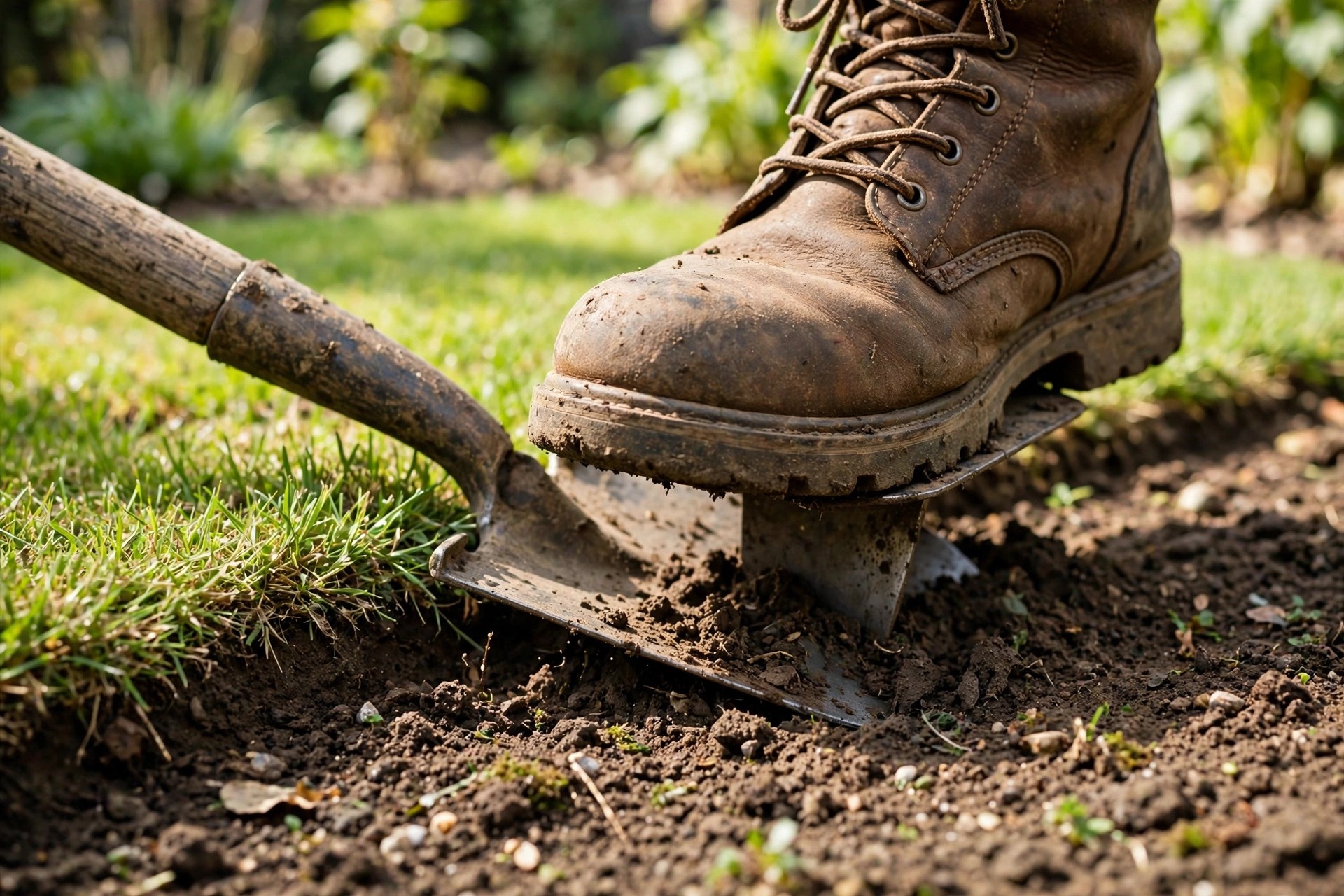
Continue along the marked edge until the end. Scoop out excess soil with a garden shovel. A hand trowel also clears grass clumps neatly. Wear protective gloves and eyewear while edging outdoors. Our electric edger guide shows the powered alternative method.
Step 5: Maintain the Edge
Inspect the edge regularly for encroaching grass growth. Remove encroaching grass and weeds whenever they appear. Touch up edges periodically with shears or edger. Mow mindfully and avoid crossing the finished edge.
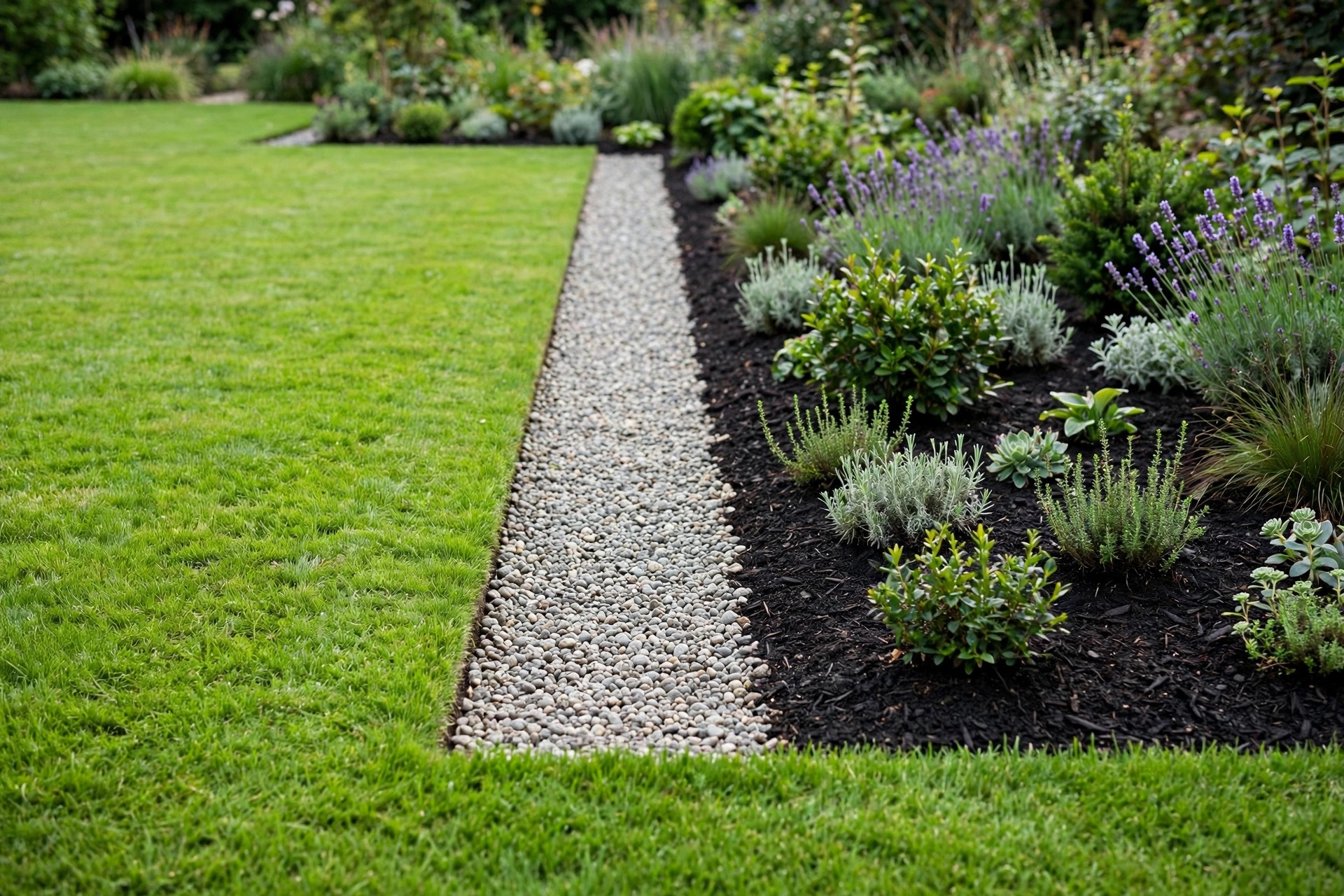
Mulch or decorative gravel finishes the edge beautifully. That layer adds visual appeal along the border. It also helps prevent weed growth from starting. Our grass trimmer edging guide covers string trimmer edges.
Frequently Asked Questions
Can I edge my lawn without a trimmer?
Yes, a manual lawn edger works very well. It has a sharp blade for clean cuts. Push it into the ground along the edge. A shovel with a sharp flat blade works. Use a gentle pushing motion with the shovel.
What other tools can I use for lawn edging?
A half-moon edging tool cuts with curved blade. Its sharp curved blade slices clean edge lines. A rotary lawn edger is another solid option. It runs motorized with a rotating blade inside. It creates a precise edge along the lawn.
How can I maintain clean and straight edges?
Regular edging keeps edges clean and straight always. Redefine edges every few weeks or when overgrown. Follow existing edges and make small adjustments carefully. Regular mowing also prevents grass from encroaching inward.
What are some tips for professional-looking lawn edges?
Mark the edge with string or garden hose. Move slowly with deliberate movements along the line. Rake away excess dirt and debris after edging.
What are the disadvantages of edging without a trimmer?
Manual edging requires more physical effort than trimming. It becomes time-consuming for larger lawns quite quickly. Edges may not match trimmer precision and cleanliness. Practice and patience still produce neat defined edges.
Our edger value guide weighs buying a dedicated edger. Sharp tools and marked lines do the rest. Regular small touch-ups keep borders looking professional always.
Conclusion: How to Edge Lawn Without Trimmer
So, how to edge lawn without trimmer tools? A sharp garden spade handles most edging work. The half-moon edger adds precision along borders too. A rotary edger offers a third manual option. Marking first keeps every line honest and straight.
Work carefully and take time on every cut. Careful work avoids damaging grass or causing injury. The extra effort rewards you with clean borders. Gloves and eyewear keep the whole job safe. Your lawn gains definition with every careful session.