How to Disinfect Hedge Trimmer Blades
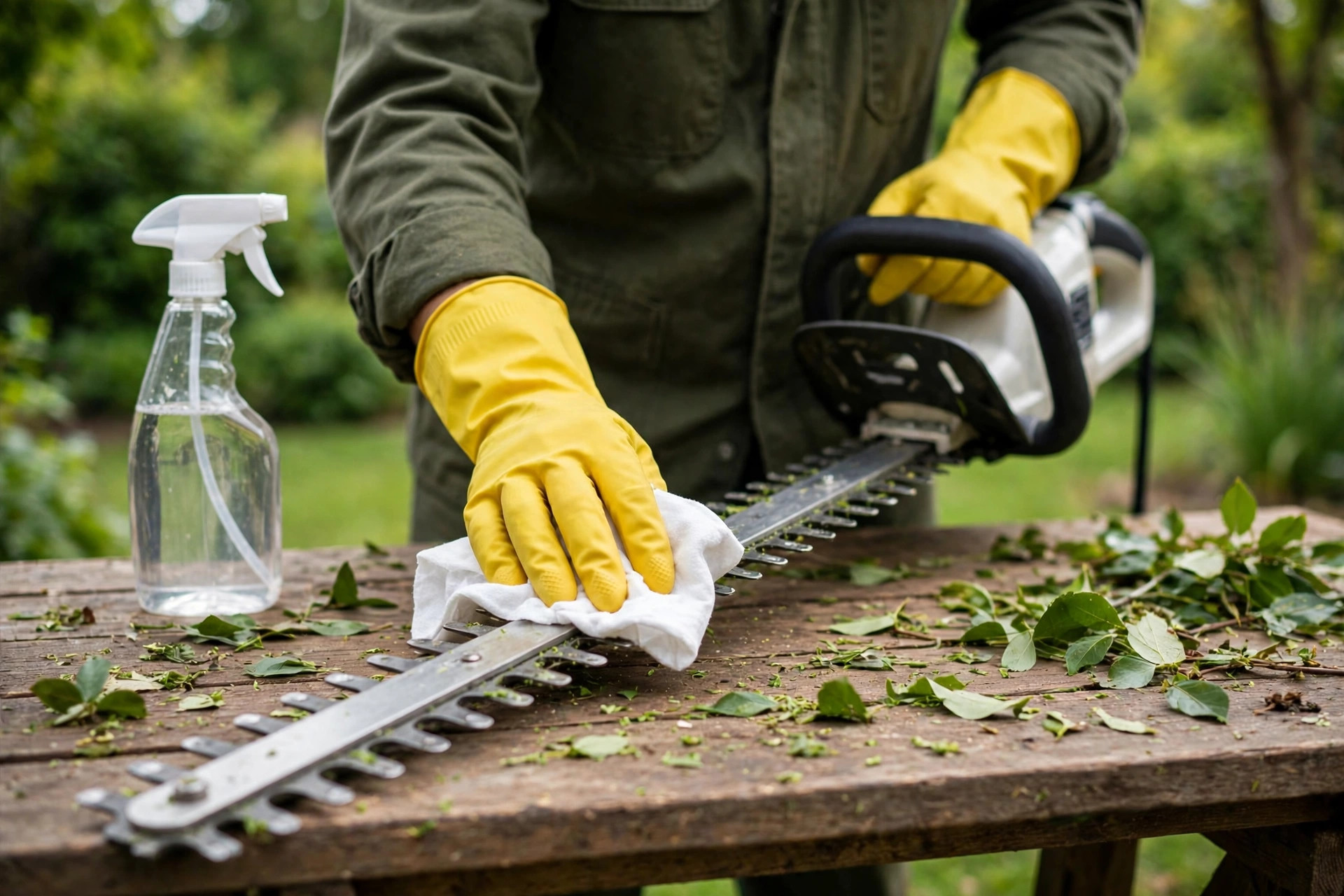
Quick answer: Yes, you can disinfect hedge trimmer blades at home. Unplug the trimmer, wipe off debris, then clean the blades with soapy water. Apply a household disinfectant, let it sit, then wipe the blades dry. Clean blades stop plant disease from spreading between your garden plants.
Clean hedge trimmer blades keep your tool working at its best. Disinfecting the blades is one step that many owners often overlook. Hedge trimmer blades can harbor bacteria, fungi, and other harmful germs. Clean blades protect your plants and stop disease from spreading in the garden.
To disinfect hedge trimmer blades, there are a few key steps to follow. First, make sure the trimmer is turned off and disconnected from any power source. Next, wipe the blades with a clean cloth and a mild disinfectant. Coat the blades well and let the disinfectant sit for a few minutes.
Finally, rinse the blades with clean water and wipe them dry. A clean hedge trimmer works better and lasts longer in the garden. It also stops disease and pests from spreading between your plants.
How to Disinfect Hedge Trimmer Blades: Step-by-Step Guide
This guide walks you through each step to disinfect hedge trimmer blades safely. Work on a flat surface with good light and fresh air. Keep your tools close so the job stays quick and simple.
Step 1: Safety Precautions
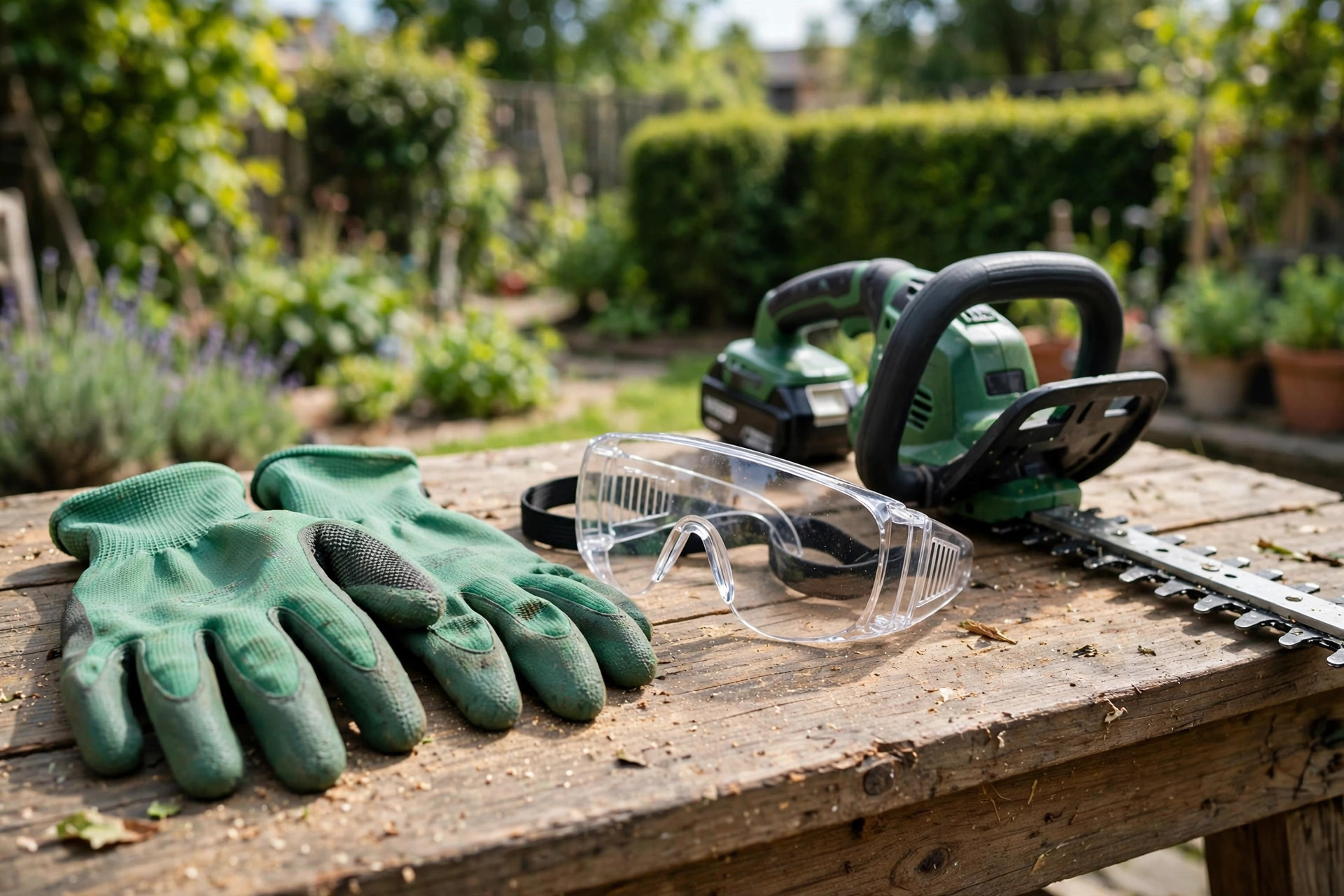
Before you start the disinfection process, it is crucial to prioritize safety. Follow these safety precautions to protect yourself from potential injuries. See our best electric hedge trimmer guide for strong cutting picks.
- Wear protective gloves to shield your hands from any sharp edges.
- Ensure the trimmer is switched off and unplugged, or the fuel tank is empty.
- Find a well-ventilated area with good lighting to work in.
Once you have taken the necessary safety measures, you can proceed to the next step. Put on your gloves and goggles before you touch the blades. Check that the trimmer is off and the power source is disconnected.
Step 2: Removing Debris and Residue
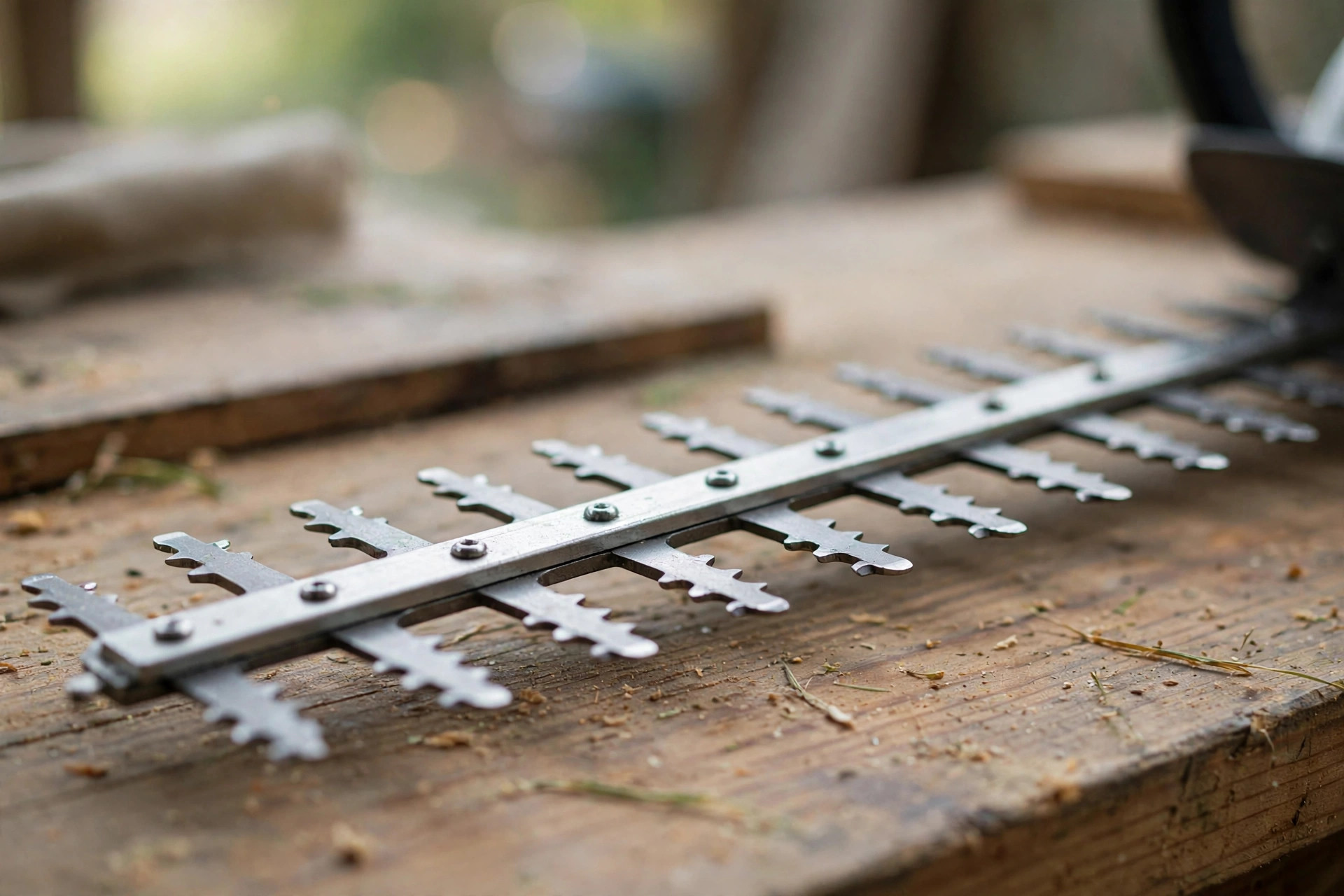
Before you disinfect, remove debris and plant matter from the blades. Inspect the blades closely for any build-up stuck between the teeth. See our how to sharpen hedge clipper blades guide if the edges look dull.
- Use a brush or a toothbrush to dislodge any visible debris.
- If debris is stubborn, scrub gently with a cloth dipped in warm, soapy water.
- Wipe down the blades with a clean, dry cloth to remove excess moisture.
Clean blades make disinfection work better and protect the cutting edges. Do not scrub hard, since rough scrubbing can damage the sharp edges. See our how to adjust hedge trimmer blades guide for blade care steps.
Step 3 — Choose a Disinfectant
Choosing a Suitable Disinfectant
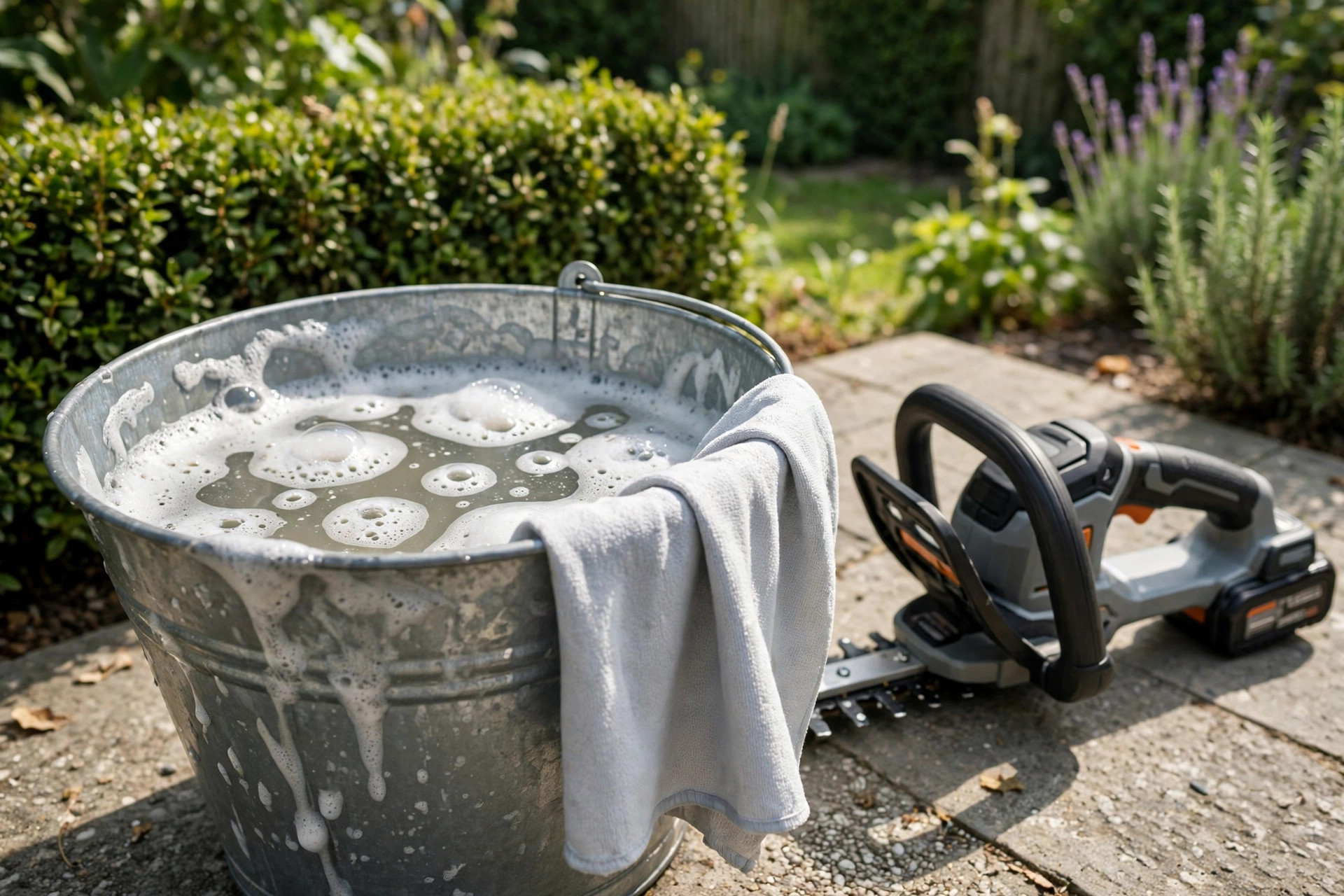
The right disinfectant kills bacteria, fungi, and germs on the blades. Check that the product suits garden tools and is safe for plants. Read the label for the right mix and the contact time needed.
- Ensure the disinfectant is specifically designed for gardening tools and surfaces.
- Check if the disinfectant is safe for the environment and plants.
- Read the instructions carefully to understand the proper dilution ratio and contact time required for effective disinfection.
- If you prefer natural alternatives, you can use a mixture of vinegar and water in a 1:1 ratio as a homemade disinfectant.
Pick a product that suits your trimmer and your garden needs. Vinegar and water work well when you prefer a natural option. See our can you sharpen hedge trimmer blades guide for sharpening steps.
| Disinfectant | How to Use |
|---|---|
| Bleach solution | Dilute per the label, wipe the blades, then rinse well |
| Household disinfectant | Spray or wipe it on, let it sit, then wipe it off |
| Vinegar and water (1:1) | Mix equal parts, wipe the blades, then rinse and dry |
| Rubbing alcohol (70%) | Wipe the blades with alcohol, then let them air dry |
Step 4 — Disinfect the Blades
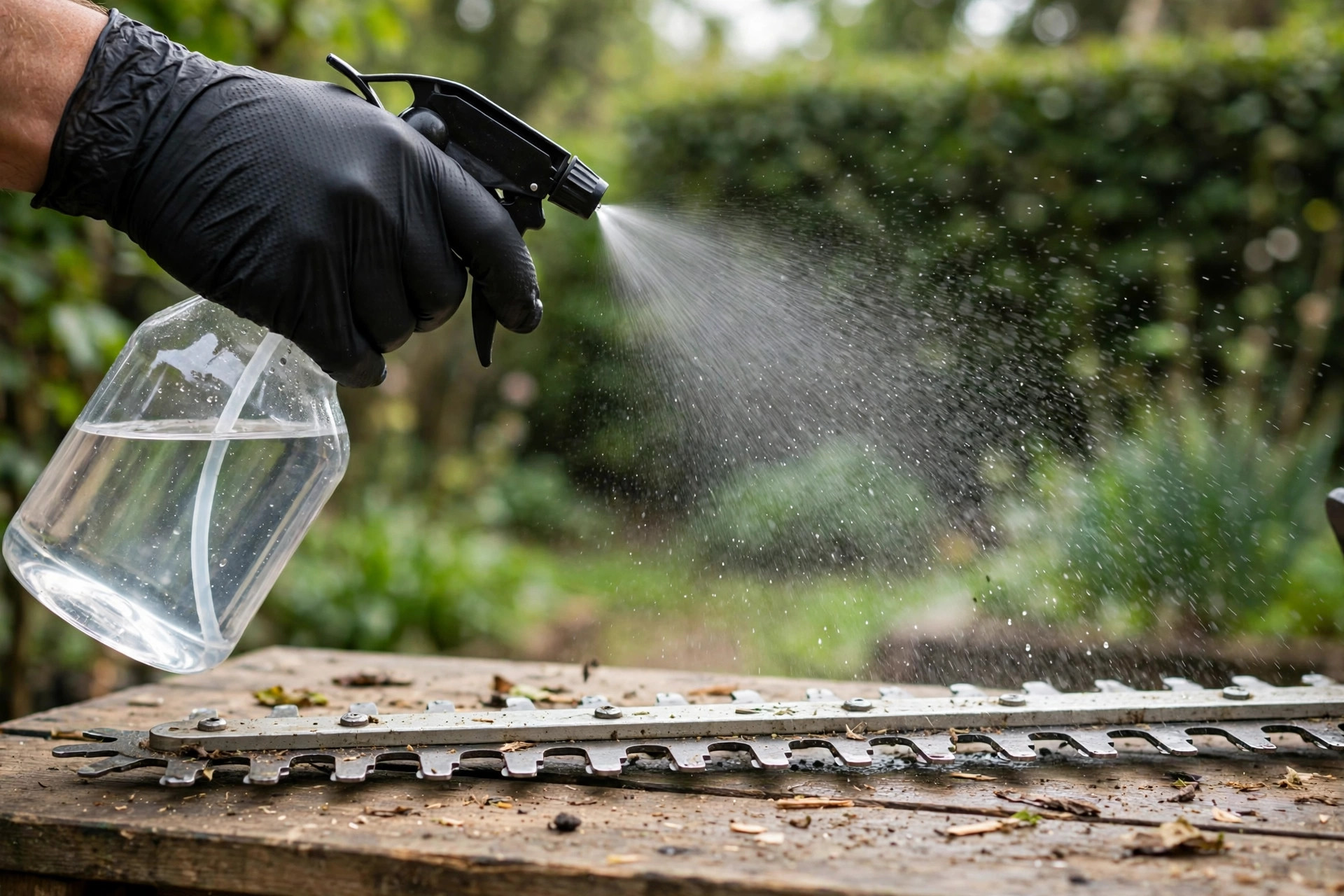
With the trimmer clean and a disinfectant picked, start the process. Work slowly so every part of each blade gets coated. Pay extra attention to the cutting edges where germs hide.
- Apply the disinfectant to a clean cloth or paper towel, moist but not dripping.
- Carefully wipe down each blade of the hedge trimmer, covering the entire surface area.
- Allow the disinfectant to sit on the blades for the contact time on the label.
- Use a clean, damp cloth to remove any residue left by the disinfectant.
Make sure all traces of the disinfectant are removed before you trim. See our how to start stihl hs 56 hedge trimmer guide for starting steps. The EPA lawn and garden page gives safe yard work tips.
How to Disinfect Hedge Trimmer Blades After Each Use
Step 5: Regular Maintenance and Storage
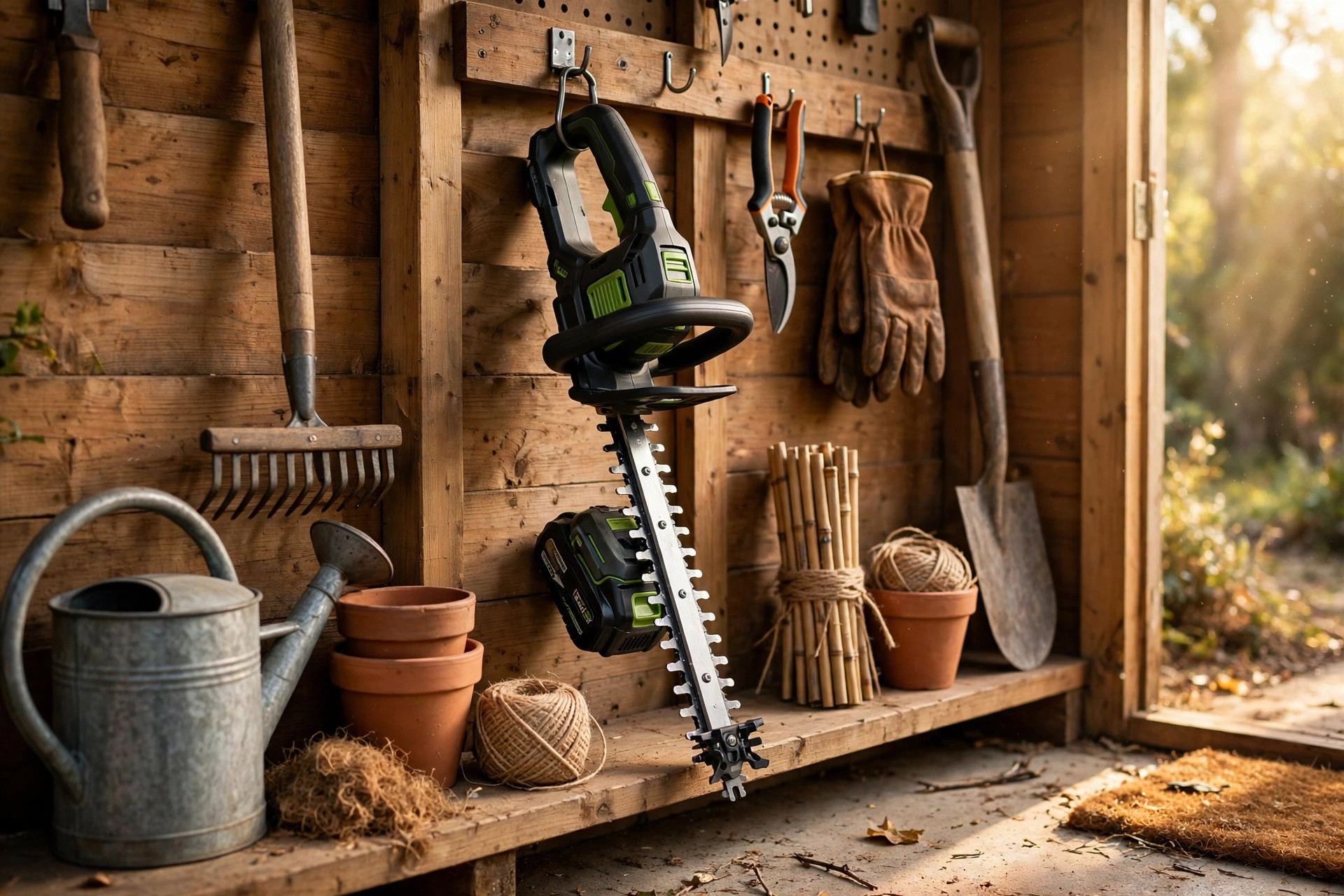
With clean blades, set up a simple routine for regular care. A little care after each use keeps the trimmer working well. Store the tool where it stays clean, dry, and safe.
- After each use, remove any visible debris and wipe down the blades with a clean cloth.
- Check the cutting edges regularly for sharpness and make sure they are properly aligned.
- Keep the blades lubricated with a suitable lubricant to prevent rust and corrosion.
- Store the hedge trimmer in a clean, dry area away from direct sunlight and moisture.
These habits extend your trimmer life and keep it safe to use. See our how to assemble worx hedge trimmer guide when you build a new tool. The University of Minnesota Extension pruning guide shows safe cutting basics.
| Task | When |
|---|---|
| Wipe the blades clean | After each use |
| Check blade sharpness and alignment | Once a month |
| Oil the blades lightly | After cleaning, before storage |
| Disinfect the blades | Before and after each use |
Frequently Asked Questions
When it comes to using a hedge trimmer, the cleanliness of the blades is crucial. Clean blades keep performance high and stop disease from spreading. Here are answers to common questions on this topic.
Why is it necessary to disinfect hedge trimmer blades?
Disinfection keeps performance high and stops disease from spreading. Trimmers touch fungi, bacteria, and viruses that spread to healthy plants. Clean blades mean you do not spread disease to healthy plants. Regular disinfection also keeps the blades sharp and clean for better cuts.
How often should I disinfect hedge trimmer blades?
How often you disinfect depends on use and the plants you trim. Disinfect the blades before and after each use as a rule. With diseased plants, disinfect the blades between each plant you cut. Switching between garden areas also calls for fresh disinfection each time.
What is the best way to disinfect hedge trimmer blades?
The best way to disinfect hedge trimmer blades is to follow these steps. Work in order so no step gets missed along the way. Always check the maker guide for your own trimmer model.
- Start by wearing protective gloves to prevent injuries.
- Disconnect the hedge trimmer from the power source and ensure the blades are not moving.
- Remove any debris or plant material that may be stuck on the blades.
- Mix warm water with mild dish soap or bleach per the label.
- Dip a clean cloth in the solution and wipe all blade surfaces.
- Let the blades air dry fully before you store the trimmer.
Always check the maker guide for cleaning advice for your model. Some models need special care that generic steps may miss. When in doubt, ask the maker before you try a new product.
More Questions: Disinfectants and Care
Can I use any other disinfectants besides soap or bleach?
Soap and bleach work well, but other options can also help. One option is to use rubbing alcohol or isopropyl alcohol. These can be effective in killing pathogens on the blades. However, make sure to use a concentration of at least 70% for maximum effectiveness.
Hydrogen peroxide is another option for cleaning hedge trimmer blades. It helps, but it may beat fewer germs than bleach or alcohol. Whatever you use, clean the blades well and dry them fully.
Are there any additional tips for maintaining hedge trimmer blades?
Apart from regularly disinfecting the blades, there are additional tips to maintain hedge trimmer blades. Keep the blades sharp by sharpening them regularly, since dull blades strain the motor. Lubricate the blades with a light machine oil to enhance their performance and prevent rusting. See our best gas powered hedge trimmer guide for gas model picks.
Conclusion: How to Disinfect Hedge Trimmer Blades
Keeping your hedge trimmer blades clean and disinfected protects your tools. Learning how to disinfect hedge trimmer blades keeps your garden healthy. Regular disinfection stops disease and pests from spreading in your garden. Clean blades also cut better and give your hedges a precise finish.
First, brush debris from the blades with a cloth or brush. Next, wipe the blades with a disinfectant and let it sit briefly. Then rinse the blades with clean water and dry them well. Finally, add a thin coat of oil to stop rust and keep blades smooth.

I’m Patricia D. Johnson, an affiliate marketer and blogger specializing in trimmers and grooming tools. I create honest reviews, buying guides, and practical tips to help readers choose the right trimmer for their needs. With a focus on quality, performance, and value, I simplify the decision-making process so consumers can make confident purchases.