
How to Use Electric Hedge Trimmer
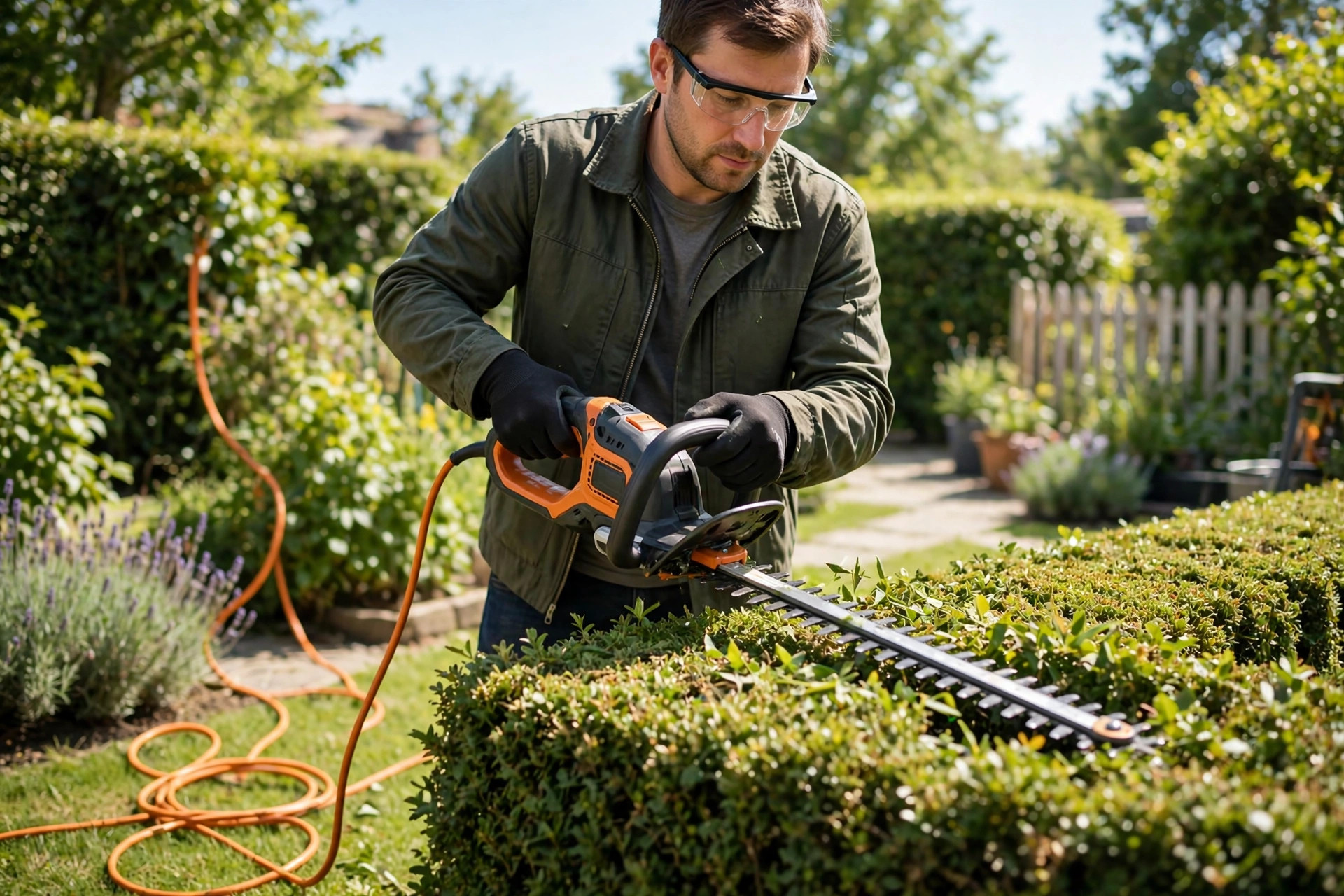
When it comes to trimming hedges, an electric hedge trimmer can be a game-changer. With its power and precision, it makes the task a breeze. But do you know how to use one effectively and safely? Let me show you the ropes today.
First and foremost, familiarize yourself with the trimmer’s features and controls. Make sure you read the instruction manual thoroughly. Always wear protective gear, such as safety glasses and gloves. That gear shields you from flying debris. Start by checking the trimmer’s power source and ensure it’s securely connected or charged.
When it comes to using an electric hedge trimmer, follow a few steps. These steps help you reach optimal results. Work slowly and keep safety first throughout.
Quick answer: Wear protective gear before you start trimming. First and foremost, familiarize yourself with the trimmer’s features and controls. Make sure you read the instruction manual thoroughly. Start by checking the trimmer’s power source and ensure it’s securely connected or charged. Start at the bottom and work your way up slowly.
- How to Use Electric Hedge Trimmer
- Choosing the Right Electric Hedge Trimmer
- Read the Manual and Prepare the Workspace
- Proper Trimming Techniques
- Aftercare and Maintenance
- Frequently Asked Questions
- Safety Precautions and Effective Trimming
- Maintaining Your Trimmer
- Conclusion: How to Use Electric Hedge Trimmer
How to Use Electric Hedge Trimmer
Here are a few steps to follow for optimal results. Inspect the cord before you start each session. Hold the trimmer firmly with both hands. Work from the bottom of the hedge upward.
- Inspect the trimmer’s cord and ensure it is in good condition to avoid any electrical hazards.
- Position yourself at a comfortable distance from the hedge, holding the trimmer firmly with both hands.
- Start at the bottom of the hedge and work your way up, using smooth, sweeping motions.
- Keep the trimmer blades parallel to the hedge for an even cut, taking care not to trim too much at once.
- Regularly pause to remove any debris from the trimmer’s blades to maintain cutting efficiency.
- Once finished, turn off the trimmer and store it safely in a dry place, away from children and pets.
| Step | Stage | What you do |
|---|---|---|
| 1 | Assess your needs | Match blade, capacity, and reach |
| 2 | Read the manual | Learn features, controls, and safety |
| 3 | Prepare the workspace | Clear debris and check for nests |
| 4 | Trimming techniques | Sweep slowly from the bottom up |
| 5 | Aftercare | Clean, oil, inspect, and store dry |
Choosing the Right Electric Hedge Trimmer
Before diving into the steps of how to use an electric hedge trimmer, choose carefully. Electric hedge trimmers come in different types and sizes. Selecting the right tool will ensure the best results. Consider the following factors when choosing an electric hedge trimmer.
Step 1: Assess Your Needs
Start by assessing your trimming needs today. Determine the size and type of hedges you’ll be maintaining. Also note their height and reach carefully. This helps you choose an electric hedge trimmer wisely. Match the blade length, cutting capacity, and reach.
If you have large and tall hedges, choose longer blades. An extension pole makes tall hedges easier to reach. For tall hedges, see how to use a pole hedge trimmer. Additionally, consider the power source before buying.
Electric hedge trimmers can be corded or cordless. Corded trimmers provide continuous power, but you’ll need access to an electrical outlet. Cordless trimmers offer more freedom of movement overall. But they may have limited battery life. Choose the power source that suits your trimming needs and workspace.
Lastly, take into account your physical capabilities. If you have limited strength or mobility, choose lighter trimmers. Look for adjustable handles for comfortable operation. Compare picks in the best electric hedge trimmer guide first.

Read the Manual and Prepare the Workspace
Step 2: Read the Manual
Once you’ve selected the right electric hedge trimmer, read the manual. Read it carefully before operating the tool. The manual provides important safety guidelines, usage instructions, and maintenance tips. Familiarize yourself with the specific features and controls. Know your model to ensure safe, effective operation.
Pay attention to safety precautions such as protective gear. Avoid loose clothing or jewelry while trimming. Keep a safe distance from the blade. Understanding the tool’s maintenance requirements will help prolong its lifespan and ensure optimal performance. Follow the EPA lawn and garden page for safe garden work.
Step 3: Prepare the Workspace
Before you start trimming, prepare the workspace to ensure a safe and efficient trimming session. Clear any debris or obstacles from the area. Debris can interfere with trimming or damage the blade. Remove any loose branches or twigs that could get entangled in the trimmer.
Inspect the hedges for any wildlife or nests first. Disturbing nests can harm animals and operators alike. Consider scheduling your trimming sessions during non-breeding seasons to minimize disturbance. Clear the whole area before you start.
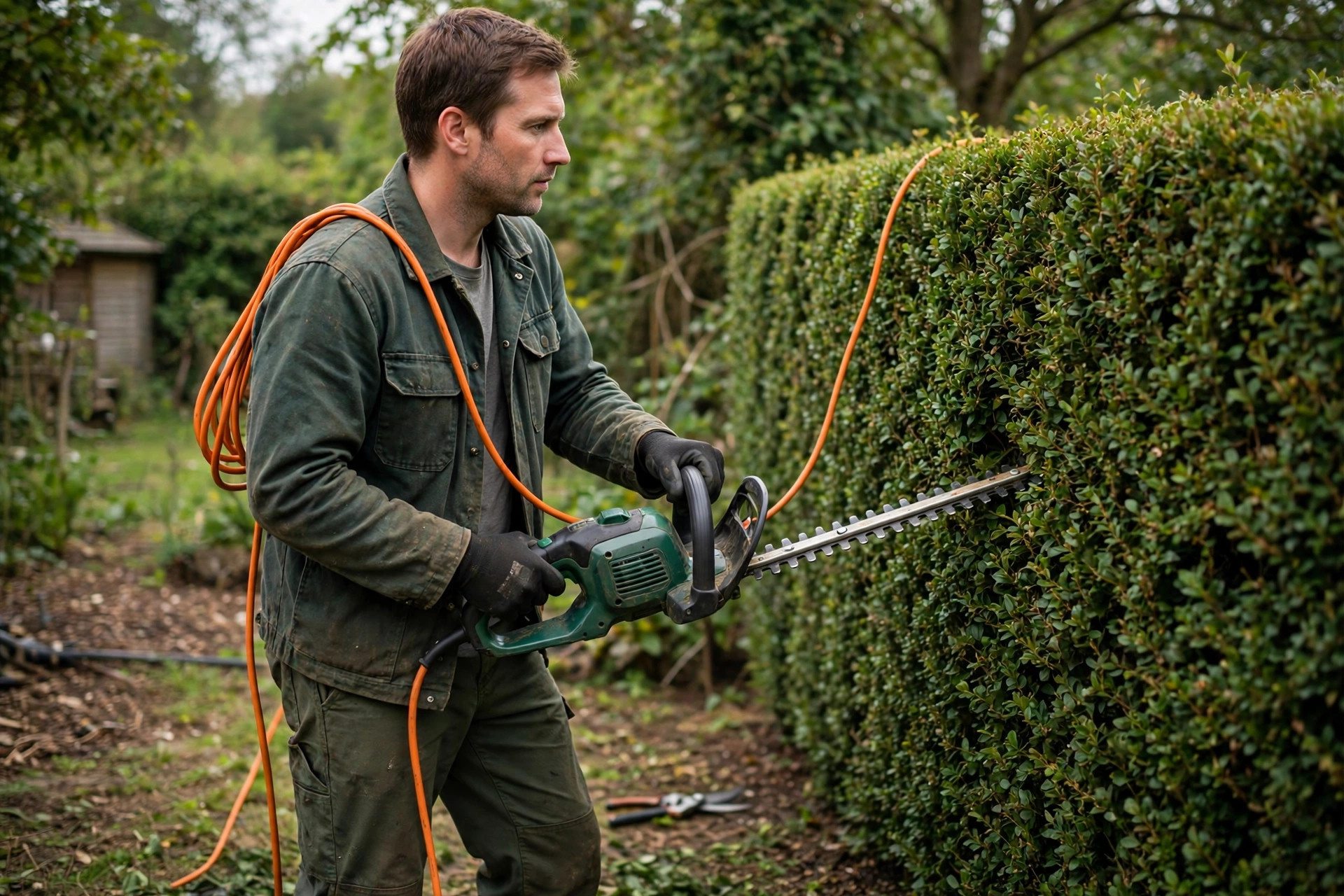
If you’re using an electric trimmer with a cord, check it first. Make sure the cord is free from tangles. Position it away from the cutting path to prevent accidental cuts. Visit BLACK+DECKER for model support and manuals.
Proper Trimming Techniques
Step 4: Proper Trimming Techniques
Now that you’re ready to start trimming, use proper techniques. Proper techniques bring the best results overall. Stand on a stable surface, feet shoulder-width apart. That stance gives you balance and stability. Maintain a comfortable grip on the trimmer handles.
Trim the lower parts of the hedge first. Then move to the top parts slowly. This ensures a uniform and controlled shape. Move the trimmer in a sweeping or back-and-forth motion. Keep a steady pace along the hedge.
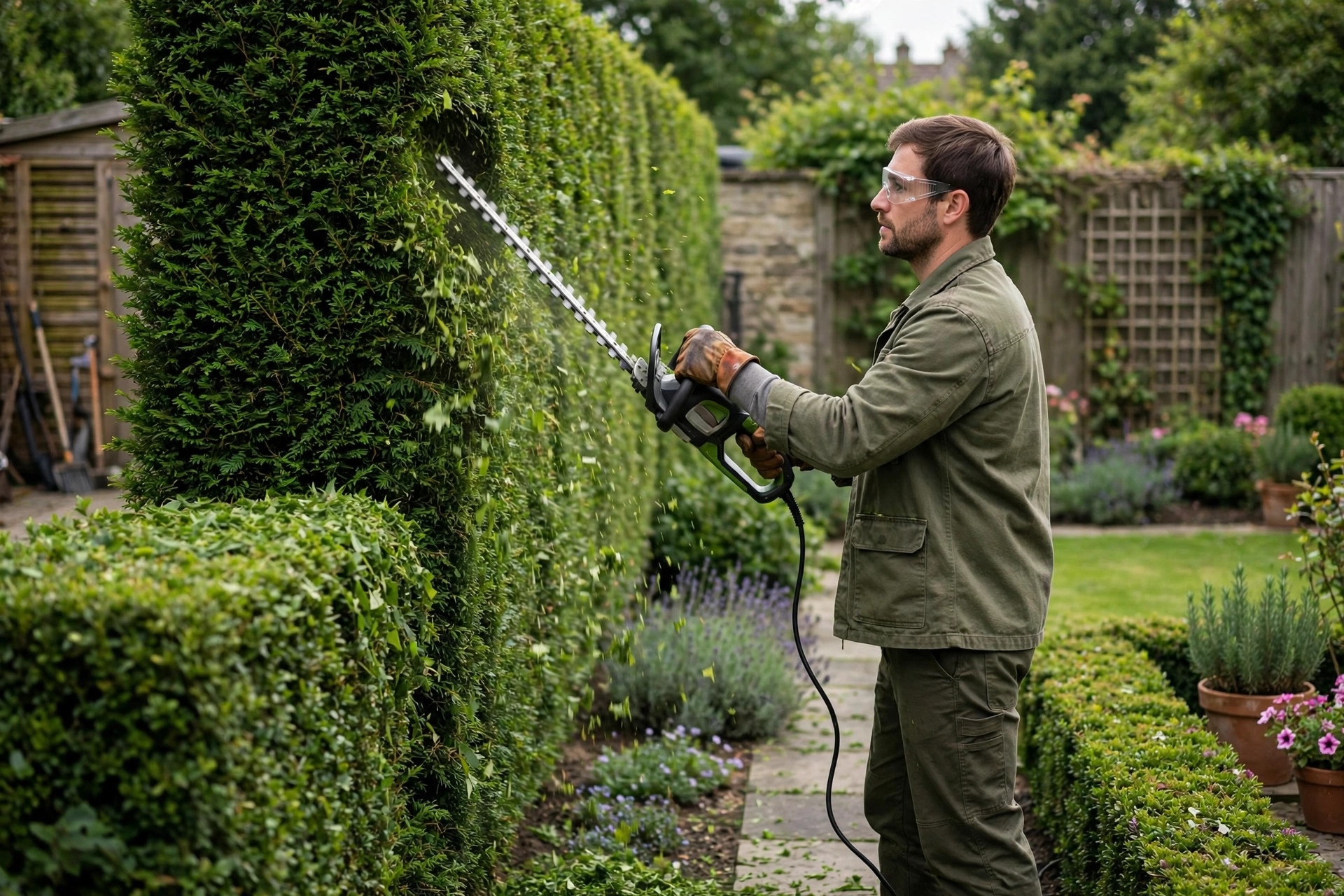
Avoid harsh and abrupt cuts, as they can damage the hedge. The table below sums up the technique points. See how to use a gas hedge trimmer if you prefer fuel power. Check your stance before every new section.
| Technique | How | Why |
|---|---|---|
| Bottom first | Start low, then move upward | A uniform and controlled shape |
| Parallel blades | Keep blades parallel to the hedge | An even cut along the surface |
| Steady pace | Sweep slowly, never rush cuts | Avoids harsh and abrupt damage |
Aftercare and Maintenance
Once you’ve finished trimming, care for your trimmer properly. Proper care keeps your trimmer working longer. Remove any debris or sap residue from the blades. Use a brush or cloth for cleaning. Lubricate the blades with oil to prevent rust.
Check for any damage or wear on the trimmer. Replace any worn parts you find promptly. Store the tool in a dry and secure place, away from moisture and extreme temperatures. If using a cordless trimmer, follow the manufacturer’s instructions. Proper battery maintenance and storage maximize its lifespan.
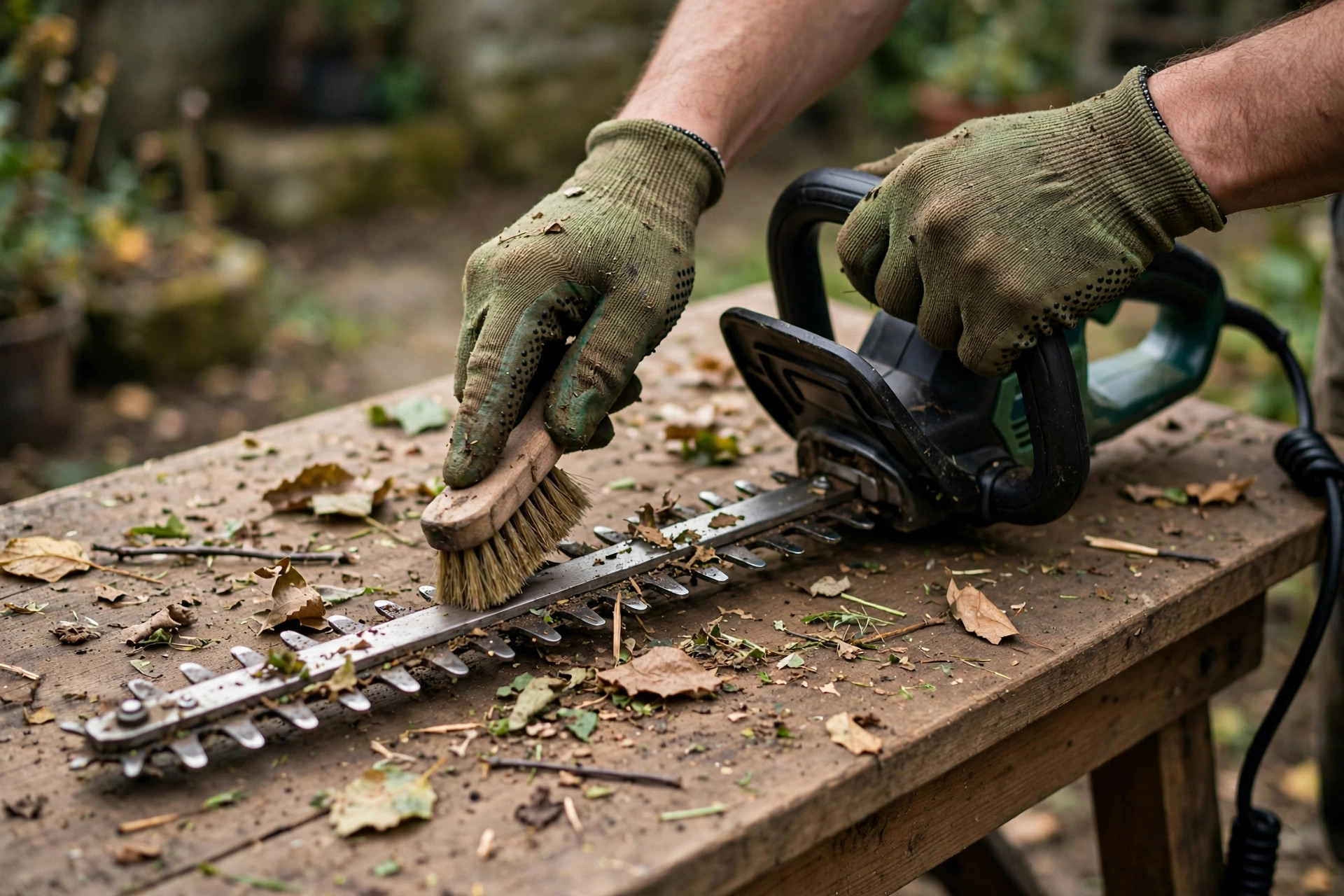
For battery models, see how to use cordless hedge trimmer. By following these steps, you can use the trimmer effectively. You can also use it safely every time. Maintain your hedges and achieve a professionally-groomed appearance. Learn how to sharpen hedge clipper blades for safe filing steps.
Frequently Asked Questions
In this section, I will answer some commonly asked questions. The questions cover how to use an electric hedge trimmer. Whether you are a beginner or an experienced user, read on. These answers help you handle the trimmer with ease. They also help you work with efficiency.
How do I safely start the electric hedge trimmer?
To safely start an electric hedge trimmer, follow these steps. Work through each step in order below. Stop if anything looks damaged or loose.
- Ensure the trimmer is switched off and unplugged from the power source.
- Inspect the cutting blade for any debris or damage.
- Put on protective gear such as gloves, safety glasses, and ear protection.
- Plug in the trimmer and firmly grasp the handle with both hands.
- Press the start button or trigger gently to start the trimmer.
- Allow the trimmer to reach full speed before beginning trimming.
- Remember to always follow the manufacturer’s instructions for your specific model.
Safety Precautions and Effective Trimming
What safety precautions should I take while using an electric hedge trimmer?
When using an electric hedge trimmer, it is important to prioritize safety. Here are some precautions to take today. Follow each one on every single job.
- Always wear protective gear, including gloves, safety glasses, and ear protection.
- Ensure the trimmer is switched off and unplugged when not in use.
- Keep the power cord away from the cutting path to avoid accidental cuts.
- Inspect the trimmer before each use for any loose or damaged parts.
- Do not trim hedges in wet or rainy conditions to prevent slipping and electrocution hazards.
- Ensure there are no people or pets within the cutting range before starting.
- Do not force the trimmer through thick branches as this can cause damage or accidents.
How do I effectively trim hedges with an electric hedge trimmer?
To effectively trim hedges with an electric hedge trimmer, follow these steps. Follow the steps in order for best results. Step back often to check your progress.
- Begin by identifying the shape and size you want to achieve for your hedges.
- Start trimming from the bottom of the hedge, moving the trimmer in an upward motion.
- Keep the trimmer parallel to the hedge surface for an even cut.
- Move the trimmer in slow, steady motions to avoid cutting too much at once.
- Regularly step back to check the progress and make adjustments as needed.
- Trim the sides of the hedge, following the desired shape and removing any protruding branches.
- For safety, always turn off and unplug the trimmer before inspecting or cleaning it.
Maintaining Your Trimmer
How do I maintain an electric hedge trimmer?
Maintaining an electric hedge trimmer is essential for its longevity and optimal performance. Here is how you maintain it properly. A few minutes after each use helps.
- After each use, clean the trimmer’s cutting blade with a brush or soft cloth to remove any debris.
- Check for any loose or damaged parts and tighten or replace them accordingly.
- Regularly lubricate the blade with trimmer oil to prevent rust and reduce friction.
- Store the tool in a dry and secure place, away from moisture and extreme temperatures.
Read can you sharpen hedge trimmer blades for the full answer. Store the trimmer dry after every use. Good storage prevents rust and blade damage.
Conclusion: How to Use Electric Hedge Trimmer
You can learn how to use electric hedge trimmer safely. Using one is not as complicated as it seems. Follow a few simple steps for safe trimming. Trim effectively to keep hedges well-maintained and neat.
Always start by inspecting your hedge trimmer first. Ensure it works properly and blades are sharp. Next, position yourself and the trimmer correctly, keeping a steady grip and maintaining good balance. Lastly, clean the trimmer after you finish trimming. Happy trimming on your next garden day!

I’m Patricia D. Johnson, an affiliate marketer and blogger specializing in trimmers and grooming tools. I create honest reviews, buying guides, and practical tips to help readers choose the right trimmer for their needs. With a focus on quality, performance, and value, I simplify the decision-making process so consumers can make confident purchases.