What Is a Lawn Edger? Types, Uses, and Tips
A lawn edger forms crisp boundaries around lawns. You may ask, what is a lawn edger exactly? It cuts clean lines between grass and other surfaces. Its sharp blade leaves a finished, manicured look.
Mowers miss the grass along lawn edges entirely. An edger trims exactly those missed grass strips instead. Manual and motorized versions share that same job. Both create defined borders beside beds and sidewalks.
This guide explains the definition and main purpose. It compares edgers against ordinary string trimmers too. Types, safe use, and alternatives follow below here. Best practices close the guide right before the FAQs.
Quick answer: A lawn edger cuts clean lawn boundaries. Its sharp blade trenches between grass and other surfaces. It trims edge grass that mowers cannot reach. Manual and motorized versions both do this job. The result looks finished, neat, and properly manicured.
What Is a Lawn Edger? The Short Answer
An edge trimmer is another name for it. The tool runs by hand or by motor. It forms boundaries between lawns and other areas. Those areas include flowerbeds, sidewalks, and driveways nearby. Our lawn edger uses guide lists typical jobs.
What a Clean Edge Does for a Yard
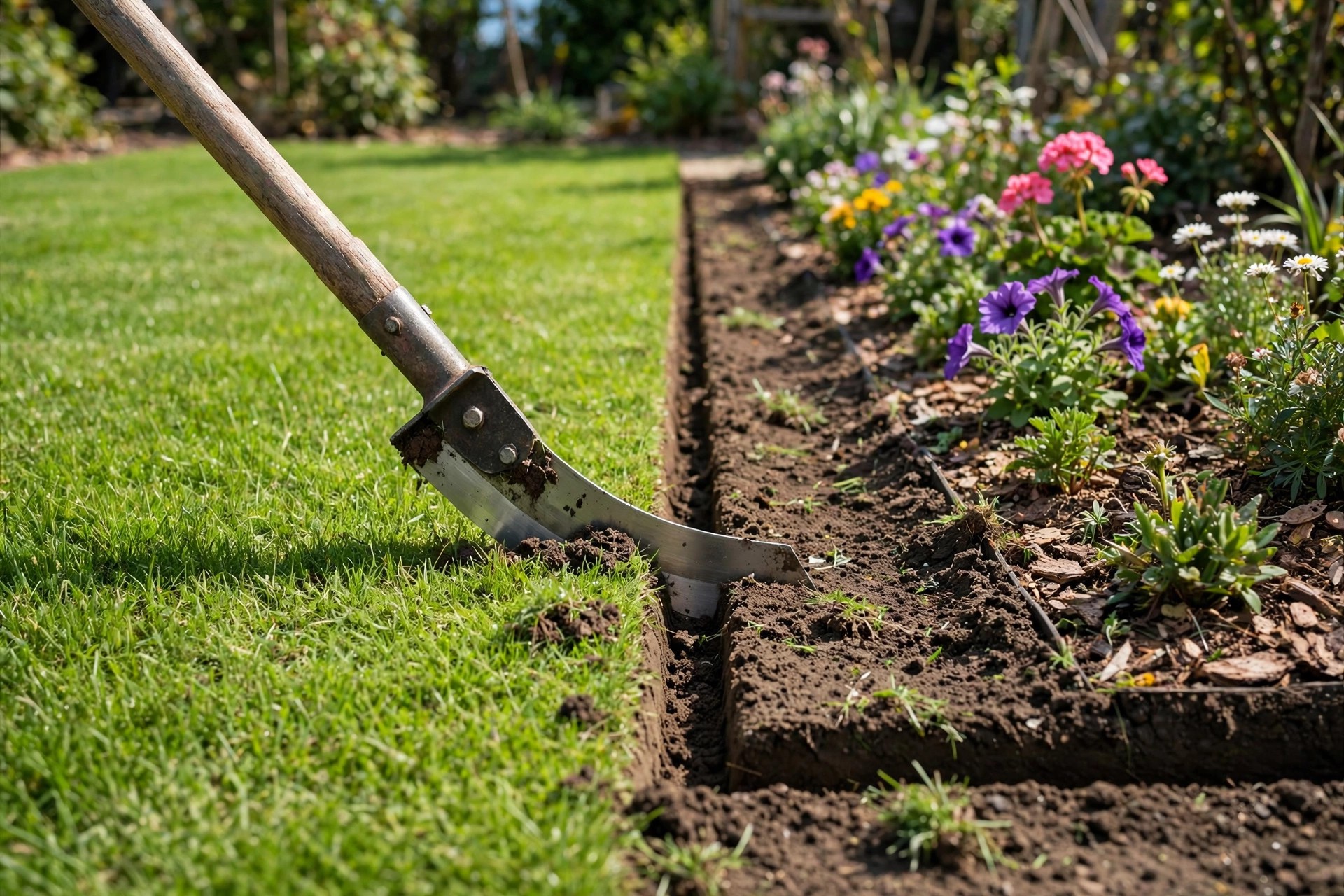
Clean edges enhance curb appeal across the property. They keep the whole garden tidy and well-kept. They stop grass roots encroaching on paved areas. They improve the overall landscaping appearance as well. The Wikipedia lawn edger page gives the standard definition.
A regular lawnmower cannot deliver that precise finish. The edger exists for exactly that finishing work. Our edger needs guide weighs owning one. The next section separates edgers from trimmers clearly.
Lawn Edger Versus String Trimmer
People often confuse these two garden tools daily. Each one covers work the other handles poorly. The table below splits their jobs as published. Choosing correctly saves time on every lawn session.
| Tool | Post Role |
|---|---|
| String trimmer | Trims grass in tight spots a mower cannot reach, along fences, under decks, near plants |
| Lawn edger | Cleans up borders along sidewalks and driveways; cuts a trench with a sharp blade |
Trimmers reach along fences and under decks easily. They also work near delicate plants and shrubs. Edgers instead clean borders beside hard paved surfaces. Our string trimmer guide explains the trimmer side. Our edger blade swap guide covers hybrid attempts.
The Wikipedia string trimmer page traces the trimmer design. Both tools finish edges a mower leaves rough. They simply split the edging work between them.
Please note: The difference section splits the two tools by job. Trimmers handle tight spots that mowers cannot reach. Edgers cut border trenches along sidewalks and driveways. The conclusion instead credits edgers with tight-spot trimming. Both versions stay here exactly as published originally.
Manual, Motorized, and Attachment Edgers
Three edger types suit different needs and lawns. Manual models offer the most hands-on approach available. Motorized models cut physical effort down considerably instead. Attachments turn an existing mower into an edger.
| Edger Type | Post Notes |
|---|---|
| Manual | Operated by hand; precision and control; ideal for small to medium lawns |
| Motorized | Electric or gas powered; efficient for larger lawns and professional tasks |
| Push mower attachment | Adds edging to a push mower; removes the need for a separate tool |
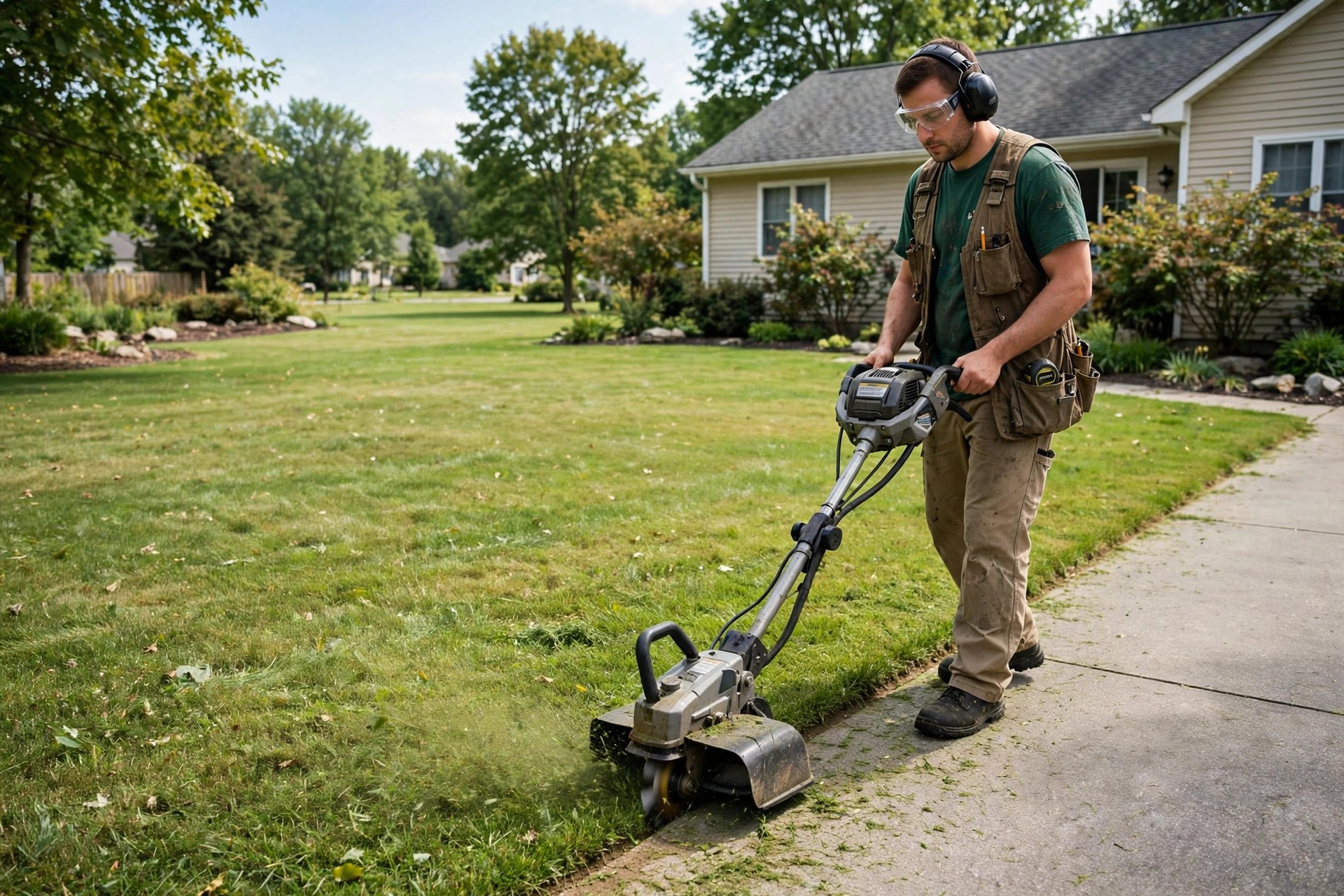
Manual blades push or pull along the edge. They create clean, well-defined borders with careful control. Motorized blades spin under engine or motor power. They achieve crisp edges with minimal effort overall. Our manual edger verdict guide judges hand models.
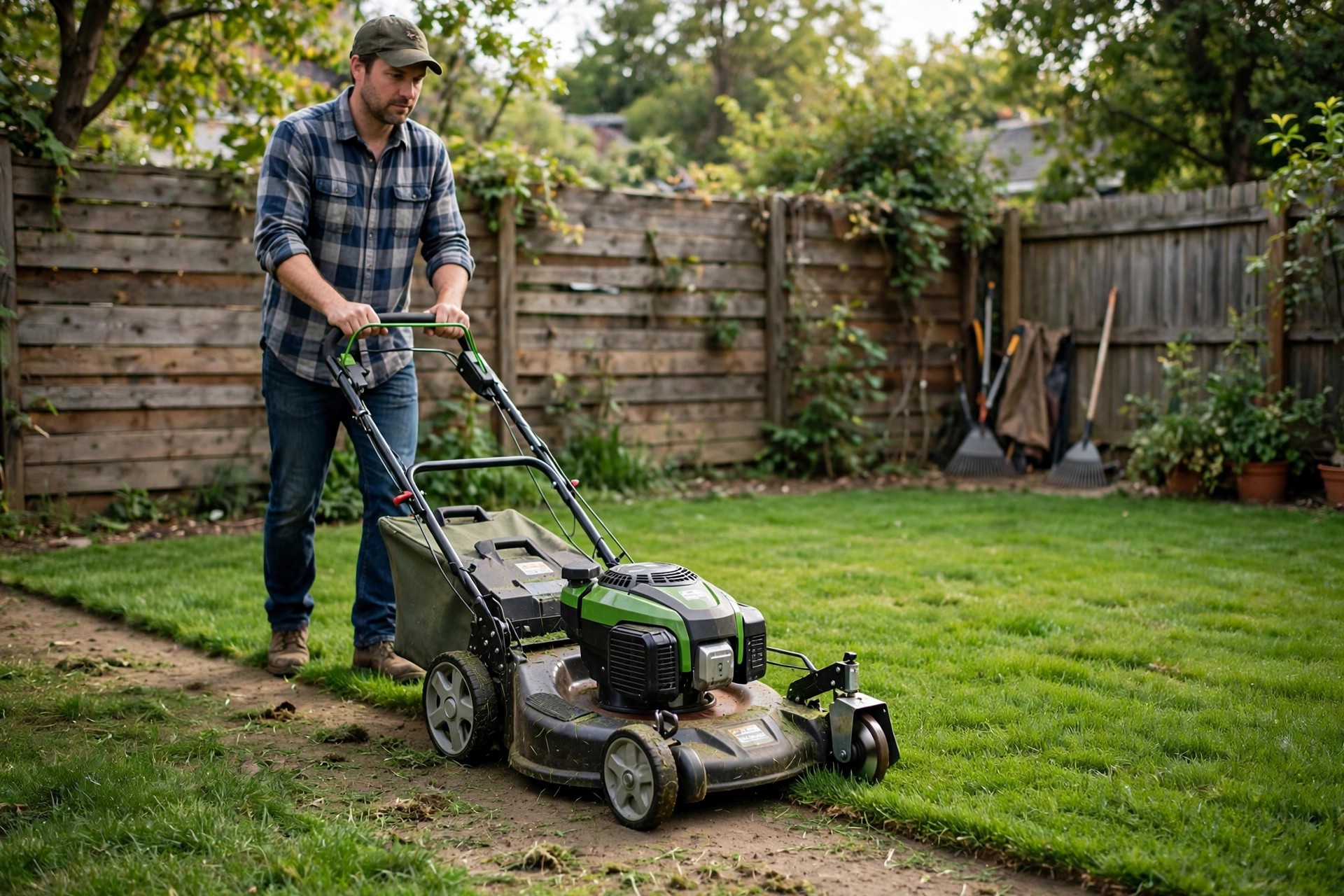
Attachments streamline the whole equipment collection at home. The mower doubles as an edger when needed. Professional-looking results follow without a separate edging tool. Our edger cost guide prices all three types.
How to Use a Lawn Edger Safely
Start with short grass and a cleared area. Remove rocks, sticks, and weeds before edging begins. Mark the intended line with pegs or string. Stand with the edger on your dominant side.
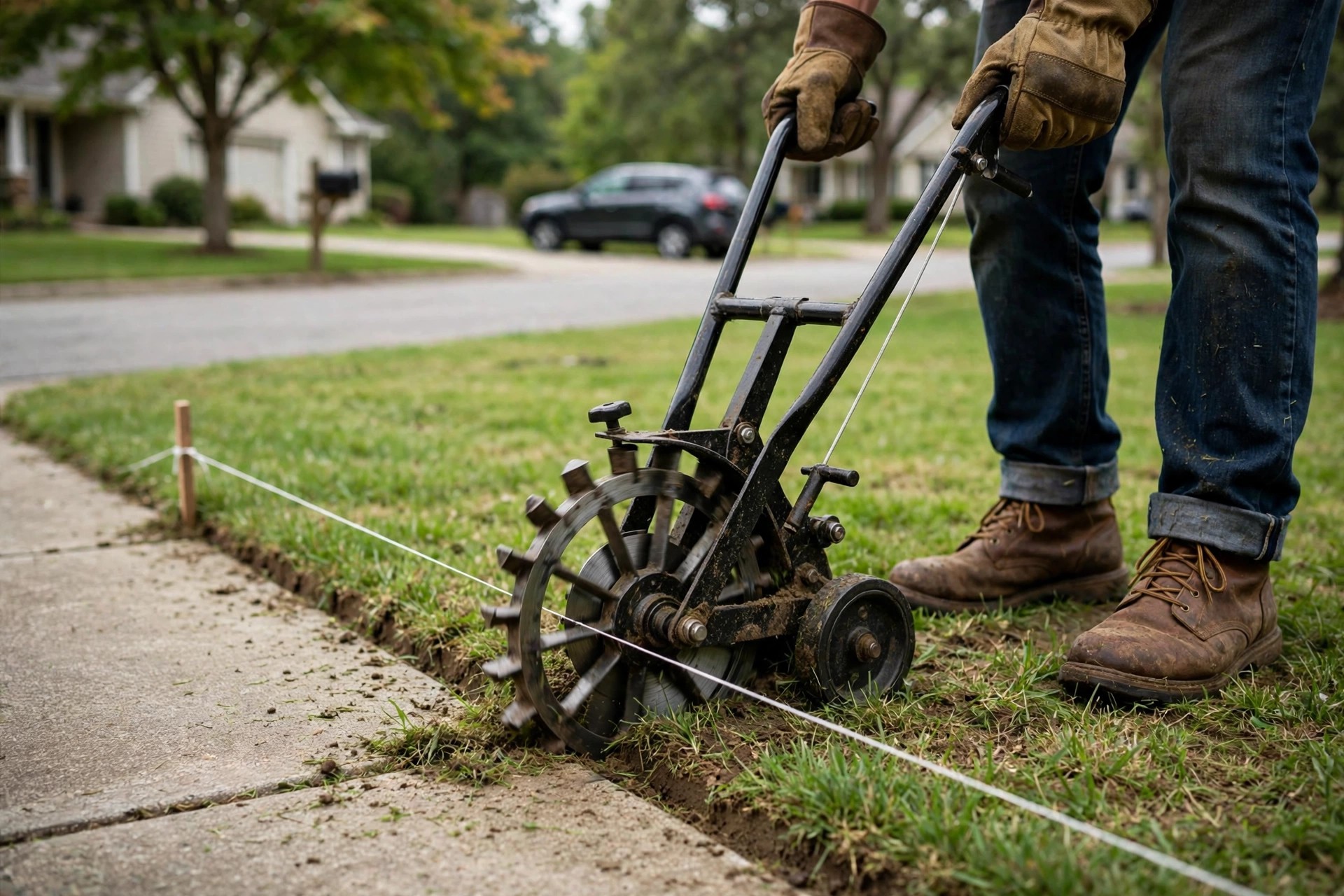
Rest the blade on the marked grass edge. Keep the blade guard facing away from you. Apply gentle downward pressure to start the cut. Push forward slowly at a steady, consistent pace. Rake away loose grass and soil when finished.
Motorized Edging Tips From the Post
Adjust cutting depth to your grass thickness carefully. Shallow settings miss the clean cut entirely sometimes. Deep settings can damage the grass roots instead. Plan your route before starting the machine up. Our gas edger guide covers powered technique.
Safety Habits for Every Edging Session
Read the manufacturer manual before the first use. Clear toys, sprinkler heads, and buried cables first. Keep children, pets, and bystanders far away nearby. Wear goggles, gloves, and sturdy footwear every time. Motorized models also call for ear protection outdoors.
Edging Without an Edger: Trimmer or Shovel
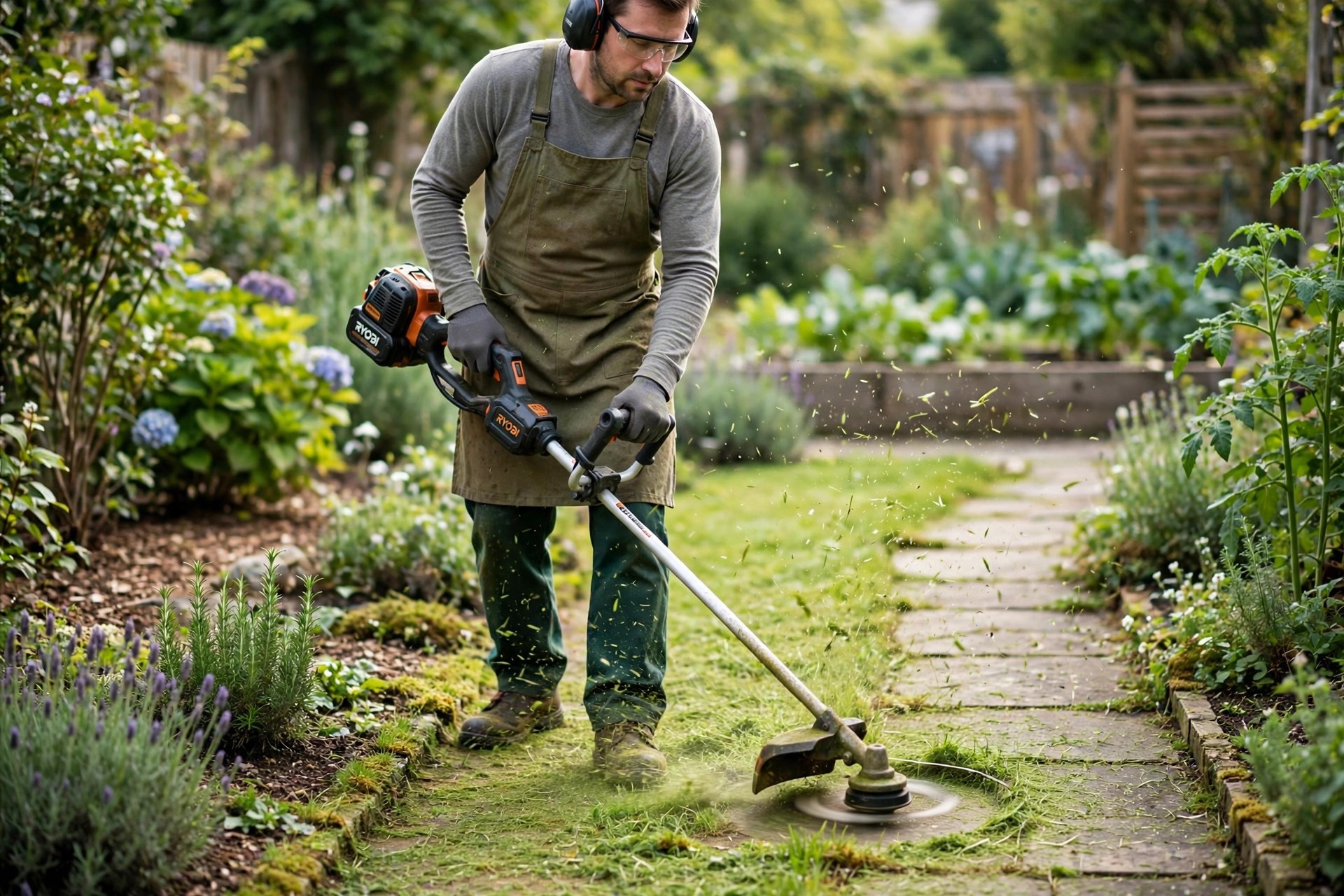
A string trimmer can substitute for an edger. Wear protective eyewear and sturdy footwear before starting. Hold it at a slight angle against edges. Move slowly with light pressure along the border. Sweep the clippings away with a broom afterward.
A sharp shovel also cuts a defined edge. Mark the shape using stakes and string first. Press the blade firmly into the turf line. Repeat the cut along the entire marked edge. Remove loose soil and tidy the area afterward.

| Alternative | Post Pros | Post Cons |
|---|---|---|
| String trimmer | Easy to use and maneuver; precise cutting; also trims weeds | Can cause accidental damage if careless; needs regular string replacement; weaker on tough grass |
| Shovel | Creates clean, defined edges; needs no electricity or gas; good workout | Takes more physical effort; takes longer; not suitable for large areas |
Best Practices for a Professional Finish
Choose a dry day for edging work outdoors. Wet soil makes clean, precise edges hard work. Guide cuts with a string or chalk line. Keep the blade sharp for clean, even cuts. Never edge deeper than one inch into soil.
Frequently Asked Questions
What is the purpose of a lawn edger?
It creates distinct boundaries around the lawn areas. A sharp blade does the cutting work there. It trims grass that a lawnmower cannot reach. Sidewalks and driveways get clean, polished edges afterward.
What is the difference between a lawn trimmer and an edger?
A trimmer cuts grass in tight spots mainly. Those spots sit beyond a mower’s comfortable reach. An edger cleans borders along sidewalks and driveways. It cuts a trench using a sharp blade.
Do you really need an edger?
Yes, the post answers yes to this question. An edger creates straight and clean lines reliably. You can DIY with a weed wacker instead. Dedicated edgers still produce straighter, cleaner lines overall.
Can you edge a lawn without an edger?
Yes, you can edge without an edger tool. Use a shovel or a lawn trimmer instead. Both create distinct boundaries between grass and areas. Take your time and follow the right steps.
How deep should you edge a lawn?
Edge no deeper than one inch into soil. Deeper cuts can damage the grass roots below. Damaged roots affect the overall lawn health afterward. Shallow cuts still keep a neat edge visible.
Conclusion: What Is a Lawn Edger
So, what is a lawn edger overall today? It creates defined boundaries between lawn and areas. It also trims grass in tight spots too. Manual and motorized versions share that same purpose. It gives lawns a finished and polished appearance.
A weed wacker can substitute in a pinch. Dedicated edgers still deliver straighter, professional-looking edges though. Either tool keeps outdoor spaces polished and manicured. Choose the version matching your lawn and habits. Straight lines make the whole yard look intentional.