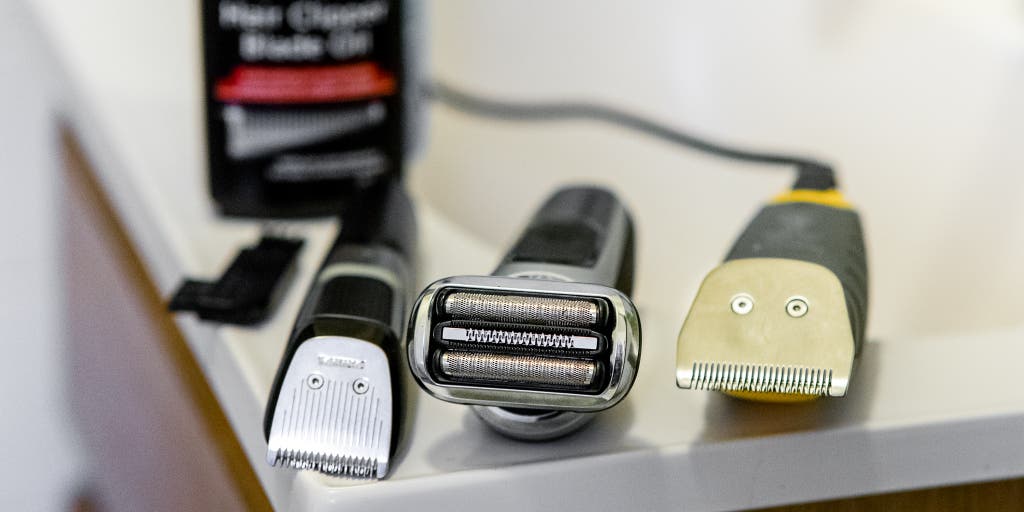
To ensure proper operation, it is recommended to oil your trimmer regularly. If you use your trimmer without oiling the blades, it may overheat, make noise, or not trim as effectively.
If you’re a proud owner of facial hair or a professional barber, you know the importance of keeping your trimmer in top shape. But just how often should you oil your trimmer? In this blog post, we’ll dive into the world of trimmer maintenance and discuss the optimal frequency for oiling your trusty tool.
Whether you’re a beard enthusiast or a grooming expert, this information will help you keep your trimmer running smoothly and ensure a precise and comfortable trimming experience. So grab your oil can and let’s get started!
Importance Of Regularly Oiling Your Trimmer
To maintain optimal performance, it is important to regularly oil your trimmer. Without proper lubrication, your trimmer may overheat, make loud noises, or not function as it should. Make oiling your blades a part of your regular maintenance routine to ensure smooth and efficient trimming.
Regularly oiling your trimmer is essential for ensuring its proper operation and maintaining optimal trimming performance. When you use your trimmer without oiling the blades, you may notice that it overheats, makes loud noises, or does not trim as effectively as it should.
To prevent these issues, it is recommended to oil your trimmer after every use or at least once a week. Start by cleaning the blades, then apply a few drops of clipper oil to the blades and turn on the trimmer to let the oil spread evenly. Wipe off any excess oil and your trimmer is ready to use. Remember to clean, oil, and maintain your trimmer regularly to keep it in good working condition and prolong its lifespan.
How often should you oil your trimmer?
Now that we understand the importance of oiling, the next question that arises is how often should you do it? The frequency of oiling your trimmer depends on several factors, including the manufacturer’s recommendations and your usage patterns. As a general guideline, it is advisable to oil your trimmer every 3 to 4 weeks. However, if you use your trimmer frequently or have thick hair, you may need to oil it more often.
Additionally, it is essential to consider the type of oil you use. Some oils evaporate quickly, while others have a longer-lasting effect. If you use a fast-evaporating oil, you may need to oil your trimmer more frequently. On the other hand, a long-lasting oil may require less frequent oiling. Refer to your trimmer’s manual or consult the manufacturer’s website for specific oiling recommendations.
Signs that your trimmer needs oiling
Although a general guideline for oiling your trimmer exists, it is also crucial to pay attention to signs that indicate when your trimmer needs oiling. Here are a few signs to watch out for:
- Increased friction and resistance: If you notice that your trimmer is not gliding smoothly through your hair or if you feel increased resistance while trimming, it may be a sign that your trimmer needs oiling.
- Unusual noise: If your trimmer starts making strange noises, such as grinding or rattling sounds, it could be an indication that the internal components are not adequately lubricated. Oiling your trimmer may help eliminate these noises and restore its smooth operation.
- Blade dullness: Over time, the blades of your trimmer can become dull due to regular use. However, if you notice a sudden decrease in cutting performance, it may be a sign of inadequate lubrication. Oiling your trimmer can help maintain the sharpness of the blades and ensure precise trimming.
- Increased heat: If your trimmer feels unusually hot during use, it could be a sign that the motor is working harder than it should. This increased heat can be caused by insufficient lubrication. Regular oiling can help reduce friction and heat buildup, thus preventing damage to the motor.
Step-by-step guide to oiling your trimmer
Properly oiling your trimmer is a straightforward process that can significantly enhance its performance. Follow these simple steps to ensure you oil your trimmer correctly:
- Prepare the trimmer: Before you begin oiling, make sure your trimmer is clean and free from any hair or debris. Remove any detachable parts, such as combs or guards, to access the blades easily.
- Choose the right oil: Select a high-quality trimmer oil that is specifically designed for this purpose. Avoid using household oils, as they may not provide the necessary lubrication and can even damage your trimmer.
- Apply the oil: Take a few drops of the trimmer oil and carefully apply it to the blades and other moving parts of your trimmer. Be sure to cover all the necessary areas but avoid over-oiling, as excess oil can attract dirt and debris.
- Turn on the trimmer: Turn on your trimmer for a few seconds to allow the oil to distribute evenly across the blades and internal mechanisms. This step ensures that the oil reaches all the necessary parts for optimal lubrication.
- Wipe off excess oil: After running the trimmer, use a clean cloth or tissue to wipe off any excess oil from the blades and trimmer body. This step helps prevent oil from dripping onto your skin or clothes during the next use.
- Reassemble and store: Once you have wiped off the excess oil, reassemble any detachable parts and store your trimmer in a clean, dry place. Proper storage helps protect your trimmer from dust and moisture, prolonging its lifespan.
Common mistakes to avoid when oiling your trimmer
While oiling your trimmer is a simple process, there are some common mistakes that people often make. Avoiding these mistakes can ensure that you get the most out of your trimmer and maintain its performance:
- Using the wrong oil: As mentioned earlier, using the wrong type of oil can be detrimental to your trimmer. Always use a high-quality trimmer oil recommended by the manufacturer to ensure proper lubrication and prevent damage.
- Over-oiling: Applying too much oil to your trimmer can lead to clogging and attract dirt and debris. Use only a few drops and distribute it evenly across the necessary parts.
- Neglecting cleaning: Oiling your trimmer is important, but it should not replace regular cleaning. Neglecting to clean your trimmer can lead to the accumulation of hair, dirt, and oil residue, which can affect its performance.
- Not following manufacturer’s recommendations: Each trimmer may have specific oiling instructions provided by the manufacturer. It is crucial to follow these recommendations to ensure the best results and avoid any potential damage.
Other maintenance tips for optimal trimmer performance
Apart from regular oiling, there are a few other maintenance tips that can help you keep your trimmer in top shape:
- Regular cleaning: Clean your trimmer after each use to remove any hair, debris, or oil residue. Follow the manufacturer’s instructions for cleaning and use a brush or a small cleaning tool to reach difficult areas.
- Proper storage: Store your trimmer in a clean and dry place to prevent dust, moisture, and other contaminants from affecting its performance. Consider using a protective case or pouch to keep it safe during travel.
- Blade sharpening: Over time, the blades of your trimmer may become dull. Refer to the manufacturer’s guidelines for blade sharpening or consider taking it to a professional for maintenance.
- Battery care: If your trimmer has a rechargeable battery, follow the manufacturer’s instructions for battery care. Avoid overcharging and store the trimmer with an adequate charge to prolong battery life.
Common Misconceptions About Trimmer Oiling
To ensure proper operation, it’s important to oil your trimmer regularly. Neglecting to do so can lead to overheating, loud noise, and ineffective trimming. Remember to brush, clean, and oil your trimmer after each use to maintain its performance.
Many people often wonder why their clippers turn black and blue or why their clippers are not cutting properly. These concerns are common misconceptions about trimmer oiling. The discoloration on the clippers is typically caused by a buildup of hair and dirt, not by the oil itself. To prevent this, it is important to clean the blades thoroughly before oiling them.
If your clipper is not cutting properly, it may be due to a lack of oil. Oiling the blades regularly helps to reduce friction and keep them sharp. After oiling, it is also important to disinfect the blade properly to prevent bacteria growth.
Additionally, removing excess oil is crucial to prevent it from attracting dirt and debris. Taking proper care of your trimmer blades by cleaning, oiling, disinfecting, and removing excess oil will ensure their optimal performance and longevity.
Recommended Trimmer Care Products
To ensure proper operation of your trimmer, it is recommended to oil the blades regularly. By doing so, you can prevent overheating, excessive noise, and poor trimming performance. Keep your trimmer in top condition with recommended trimmer care products.
| Andis Clipper Oil | Keep your trimmer blades in top condition with Andis Clipper Oil. Regular oiling ensures proper operation, prevents overheating, and reduces noise. Apply oil after each use to extend the life of your trimmer. |
| Wahl Clipper Oil | Wahl Clipper Oil is a must-have for maintaining your trimmer. It helps prevent rust and corrosion, keeping your blades sharp and efficient. Apply a few drops of oil to the blades after each use for optimal performance. |
| Blade Oil for Hair Clipper | Keeping your hair clipper blades well-oiled is essential for smooth and precise cuts. Blade oil not only lubricates the blades but also prevents rust and corrosion. Apply a thin layer of oil to the blades before and after each use. |
| Oster Blade Wash | Oster Blade Wash is specially formulated to clean and lubricate clipper blades. It removes dirt and hair buildup, preventing blade clogging and ensuring smooth, efficient cutting. Use regularly for optimal blade performance. |
| Andis Cool Care Plus Clipper Spray | Andis Cool Care Plus Clipper Spray is a convenient all-in-one solution for cleaning, disinfecting, and lubricating clipper blades. Its cooling formula helps reduce heat and friction, extending the life of your trimmer. Simply spray onto the blades and wipe clean. |
Recommended oiling frequency for professional barbers:
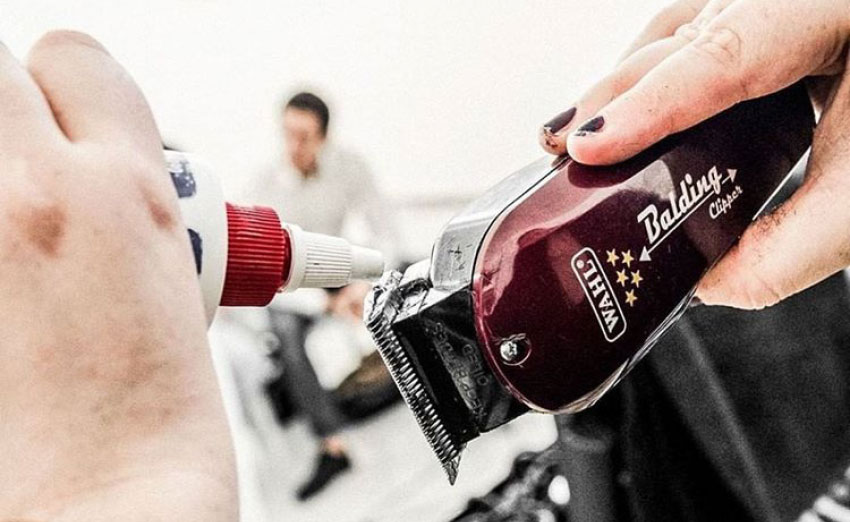
Taking care of clipper and trimmer maintenance should be a daily part of a professional barber’s routine. Some steps to follow include brushing, cleaning, and oiling the clippers after each use, and applying oil while the clippers are on to ensure even distribution.
Credit: www.salonsdirect.com
Frequently Asked Questions On How Often To Oil Trimmer
Do Trimmers Need To Be Oiled?
Trimmers should be oiled regularly to ensure proper operation. Using a trimmer without oiling the blades can cause overheating, loud noise, and inefficient trimming. Remember to brush, clean, and oil your trimmer after every use to protect your investment.
What Happens If You Don’t Oil Your Trimmer?
Regularly oiling your trimmer is important for proper operation. If you don’t oil the blades, your trimmer may overheat, make loud noises, or not trim effectively. Remember to oil your trimmer to keep it in good condition.
Do I Need To Oil My Clippers After Every Cut?
To ensure proper operation, it is recommended to oil your clippers after every use. Oiling the blades helps prevent overheating, excessive noise, and maintains optimum trimming performance. Remember to brush, clean, and oil your clippers to protect your investment.
How Often Should Barbers Oil Clippers?
Barbers should oil their clippers after every use and after every cleaning. Apply oil while the clipper is on and allow it to spread out evenly. Regular oiling helps maintain the clipper’s performance and extends its lifespan. Remember to make clipper care a part of your daily routine as a professional barber.
Can I use any oil to lubricate my trimmer?
No, it is not recommended to use any oil for trimmer lubrication. Only use high-quality trimmer oils specifically designed for this purpose.
How often should I clean my trimmer?
It is advisable to clean your trimmer after each use to remove any hair, debris, or oil residue.
Can I use water to clean my trimmer?
No, it is not recommended to use water to clean your trimmer, as it can damage the internal components. Follow the manufacturer’s instructions for cleaning.
Conclusion
Regularly oiling your trimmer is essential for its optimal performance and longevity. By following the guidelines mentioned in this ultimate guide, you can ensure that your trimmer operates smoothly, lasts longer, and provides precise trimming every time.
Remember to oil your trimmer every 3 to 4 weeks or as per the manufacturer’s recommendations, and be mindful of the signs that indicate when your trimmer needs oiling.
Additionally, incorporate other maintenance tips, such as regular cleaning and proper storage, to keep your trimmer in top shape. With the right care and maintenance, your trimmer will continue to be a reliable grooming companion for years to come.