Is Trimmer Safe for Skin? Honest Facts and Gentle Tips
Many people ask, is trimmer safe for skin during daily grooming? A clean trimmer used gently suits most healthy skin very well. Still, gentle use does not mean zero risk for everyone.
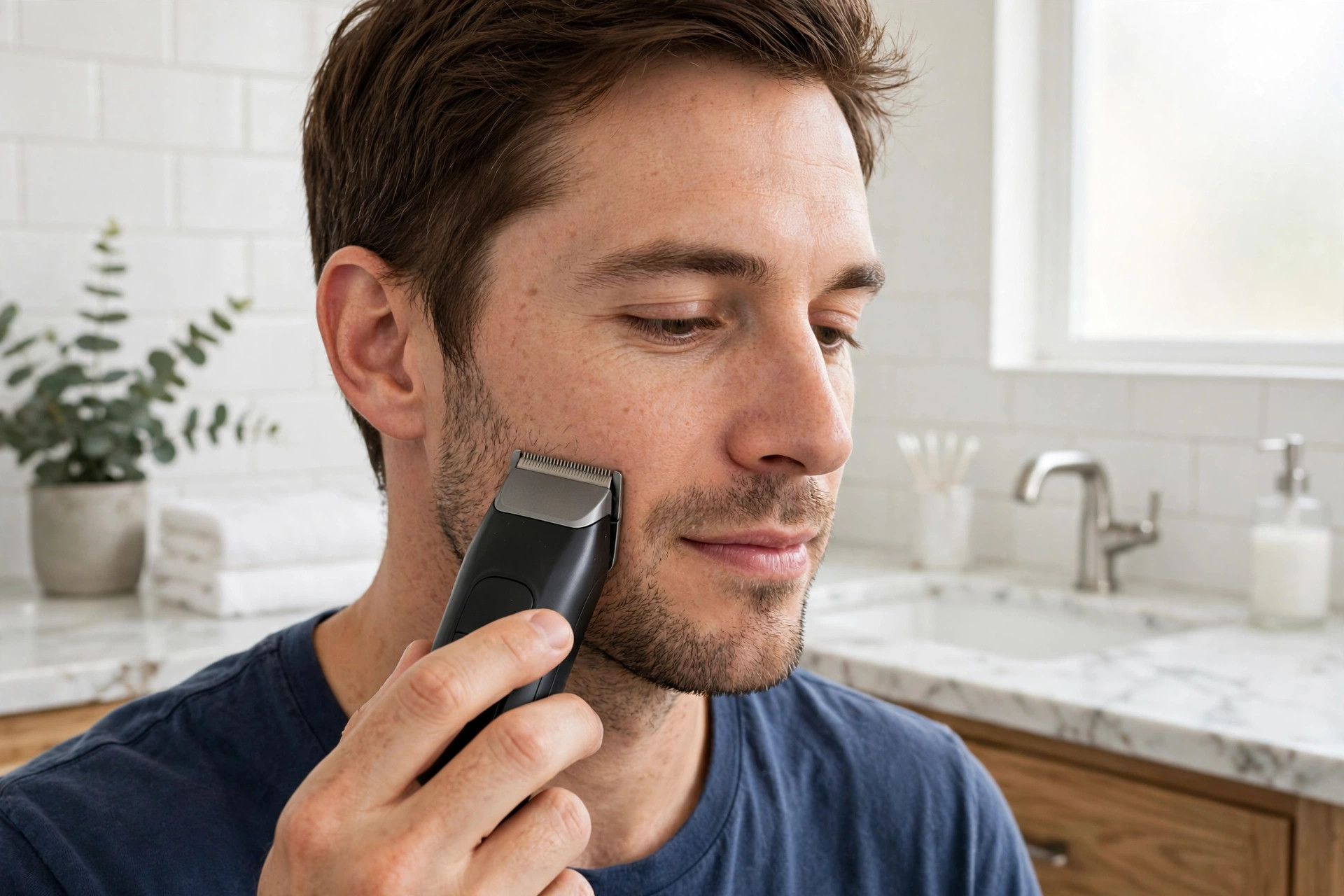
Pressing hard can scrape the skin surface and leave red marks. Dull or dirty blades tug hair and irritate skin quickly. Sharing one trimmer can pass germs between two different people easily.
This guide explains each common everyday risk in plain simple words. You will learn gentle habits that protect skin every day. You will also learn when skin needs professional medical help. Small careful habits matter far more than costly grooming products overall.
Quick answer: Yes, a clean trimmer used gently is safe for most skin. Most problems start with hard pressure, dull blades, or dirt. Sharing tools and trimming broken skin also raise infection risks. Gentle technique and regular cleaning keep everyday trimming much safer.
Health note: This article shares general skin information only. It cannot diagnose any skin condition or health problem. See a dermatologist when problems persist or worsen often. Seek prompt care for painful swelling, spreading redness, or sores.
Table of Contents
- Is Trimmer Safe for Skin for Most People?
- What Can Still Irritate or Harm Your Skin?
- Is Trimmer Safe for Skin on Sensitive Areas?
- How to Trim Gently and Stay Safe
- How to Clean Your Trimmer Properly
- Frequently Asked Questions
- Conclusion
Is Trimmer Safe for Skin for Most People?
A trimmer cuts hair above the surface of skin. The guard holds blades slightly away from skin during use. That small gap lowers the chance of nicks greatly. Most people trim for years without any serious skin trouble.
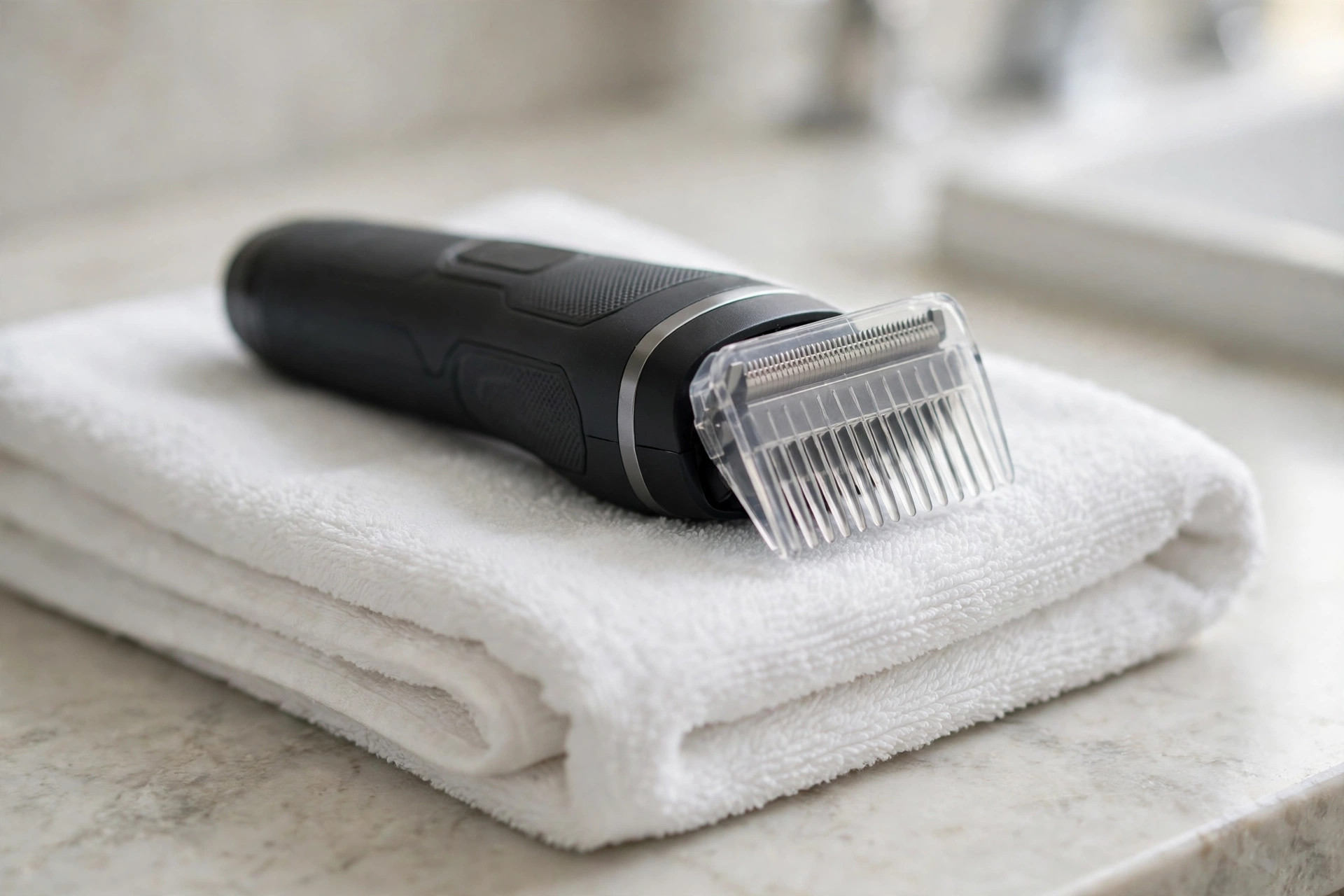
Gentle trimming usually causes less stress than close shaving. Many readers also wonder about bumps and breakouts after trimming. Others ask whether a trimmer is good for skin overall. Both answers depend mainly on cleanliness and gentle technique daily.
What Can Still Irritate or Harm Your Skin?
Hard pressure pushes sharp edges into skin very quickly. Tiny cuts can sting and heal slowly without care. Curved hairs can grow inward and form sore bumps. Doctors often call those painful bumps ingrown hairs generally.
| Common risk factor | What can happen | Safer habit |
|---|---|---|
| Hard pressure | Scrapes and tiny cuts on skin | Glide lightly with short strokes |
| Dull blades | Hair tugs instead of cutting cleanly | Replace worn blades on schedule |
| Dirty blades | Germs move onto freshly trimmed skin | Clean blades after every use |
| Shared trimmer | Germs pass between different skin types | Keep one personal trimmer only |
| Broken skin | Soreness, swelling, and slower healing time | Wait until skin heals fully |
Repeated irritation can leave temporary darker marks after healing. Our guide explains whether trimming can darken skin over time. Another guide explains how trimming can damage skin in general. Calm technique prevents most of these problems quite well.
Is Trimmer Safe for Skin on Sensitive Areas?
Sensitive skin reacts faster to friction and heat daily. Thin skin on the neck needs extra care always. Broken or sore skin should never face spinning blades. Wait until every sore patch heals fully before trimming.

Private areas need a guard and very slow strokes. Our guide covers using a trimmer for private parts safely. MedlinePlus explains basic hair removal safety for home users. Stop at once if skin stings, bleeds, or burns.
How to Trim Gently and Stay Safe
Wash the area with warm water before trimming always. Warm water softens hair and loosens surface oil gently. Pat skin dry with a clean towel afterward carefully. Never start trimming on sweaty or dirty skin directly.
Glide along natural hair growth with light pressure first. Short strokes reduce pulling, heat, and friction very well. The American Academy of Dermatology shares everyday hair care guidance. Rinse skin gently once you finish the trimming session.
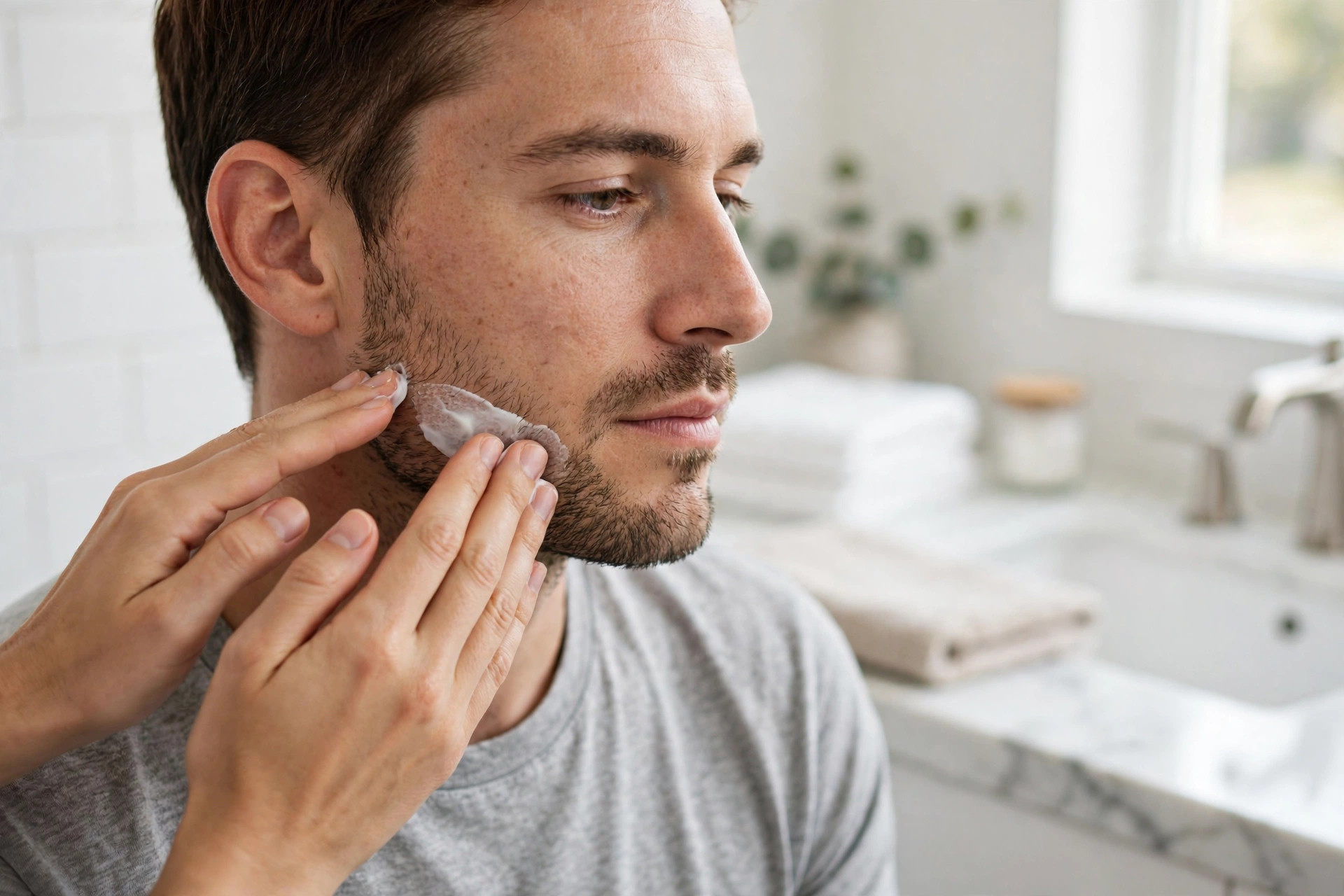
Apply a plain gentle moisturizer after trimming delicate skin. Choose fragrance free products while skin still feels tender. Wear loose soft clothing over freshly trimmed skin areas. Never scratch or squeeze small bumps after trimming sessions.
How to Clean Your Trimmer Properly
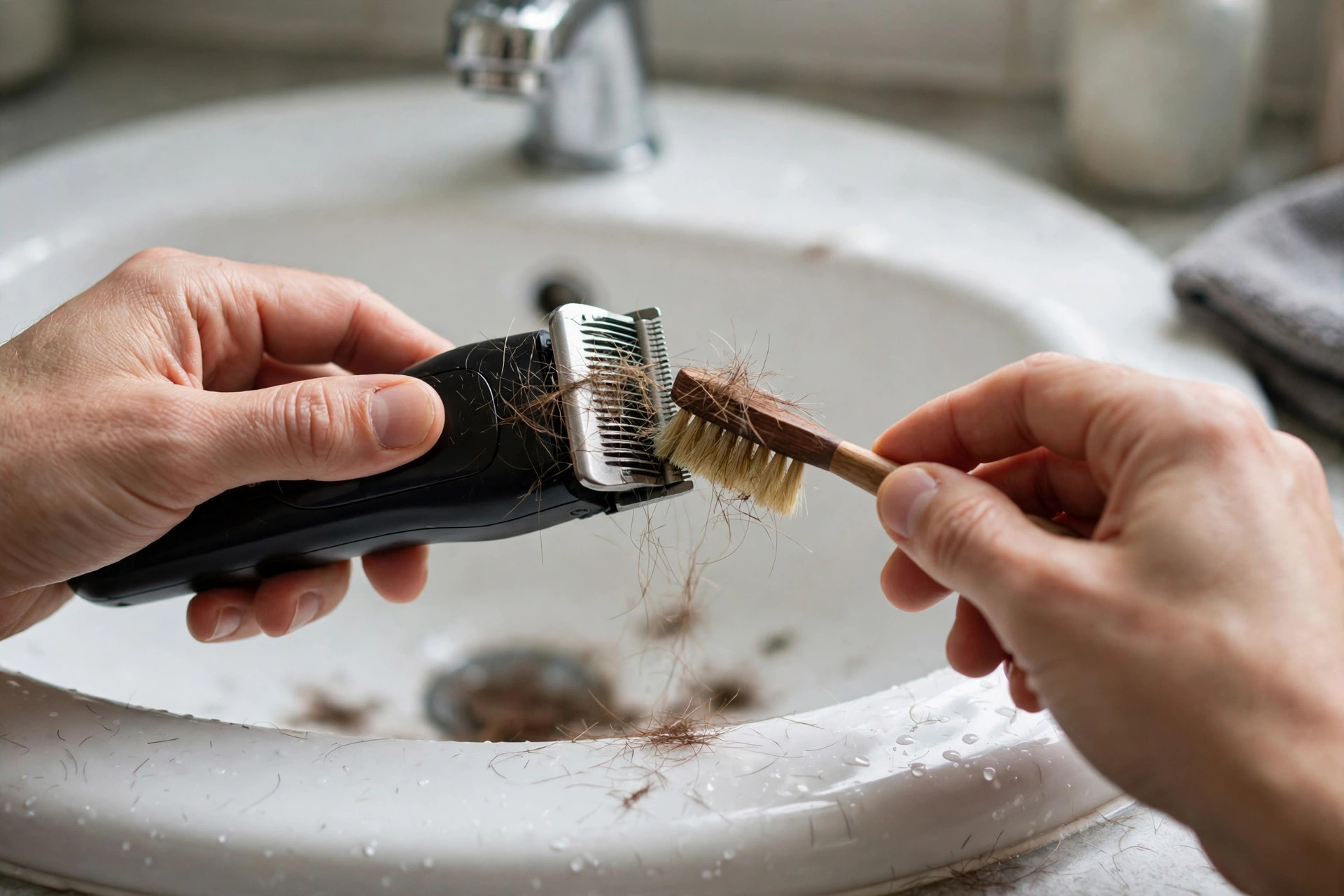
Brush loose hair off the blades after every use. Wash removable heads only when the maker allows water. Dry every part fully before storing the trimmer away. Damp storage lets germs linger on metal surfaces longer.
| Step | What to do | Why it helps |
|---|---|---|
| Brush | Brush loose hair off blades | Clears debris before it hardens |
| Rinse | Rinse only fully washable heads | Removes oil and tiny hair bits |
| Dry | Air-dry parts on a clean towel | Damp parts invite germ growth fast |
| Store | Store the trimmer somewhere fully dry | Dry storage keeps blades cleaner longer |
Our step guide shows how to clean a hair trimmer fully. Another guide explains how to clean hair trimmer blades well. Clean tools cut smoother and irritate skin far less. Replace dull blades before they start tugging your hair. Our guide also shows how to disinfect a trimmer blade safely.
Frequently Asked Questions
Is a trimmer safer than a razor for skin?
A trimmer often feels gentler than a close razor. Guards keep blades slightly away from the skin surface. Razors cut closer and can nick skin more easily. Either tool can irritate skin without gentle careful technique.
Can I use a trimmer every single day?
Many people trim daily without major skin problems overall. Daily trimming can still dry or irritate sensitive skin. Rest days help skin recover between frequent trimming sessions. Moisturize gently and watch closely for lasting redness daily.
Can a trimmer cause ingrown hairs on skin?
Yes, a trimmer can sometimes leave ingrown hairs behind. Short curved hairs can curl back into the skin. Gentle strokes along hair growth lower that risk greatly. Never dig at trapped hairs with dirty sharp tools.
Should I trim over cuts, sores, or spots?
Never trim directly over cuts, sores, or swollen spots. Blades can reopen healing skin and spread germs quickly. Wait until the area looks calm and fully healed. Ask a dermatologist when sores keep returning very often.
When should I see a doctor after trimming?
See a doctor when pain or swelling keeps growing. Spreading redness or warmth also deserves prompt medical attention. Sores that leak or crust need professional care quickly. A dermatologist can find the real cause behind problems.
Conclusion: Is Trimmer Safe for Skin?
So, is trimmer safe for skin during normal everyday grooming at home? For most people, a clean trimmer used gently stays safe and quite comfortable daily. Real risk grows when blades stay dirty, dull, shared, or pressed hard. Gentle habits protect skin far better than rushed hard pressing.
Wash your skin first and glide lightly with short, slow strokes always. Clean and dry your trimmer fully after every single grooming session ends. See a dermatologist soon when skin problems persist despite careful daily home habits.