
Using a trimmer before laser hair removal is generally not recommended as laser hair removal works best when the hair is intact and visible on the skin’s surface. The effectiveness of the laser is determined by targeting the pigment in the hair follicles.
It is more advisable to shave the areas being treated the day before your appointment, ensuring that no hair is left above the skin’s surface but still attached to the follicles for optimal results. This can be done with a clean razor or by trimming the hair as close to the surface as possible with a facial hair trimmer or scissors.
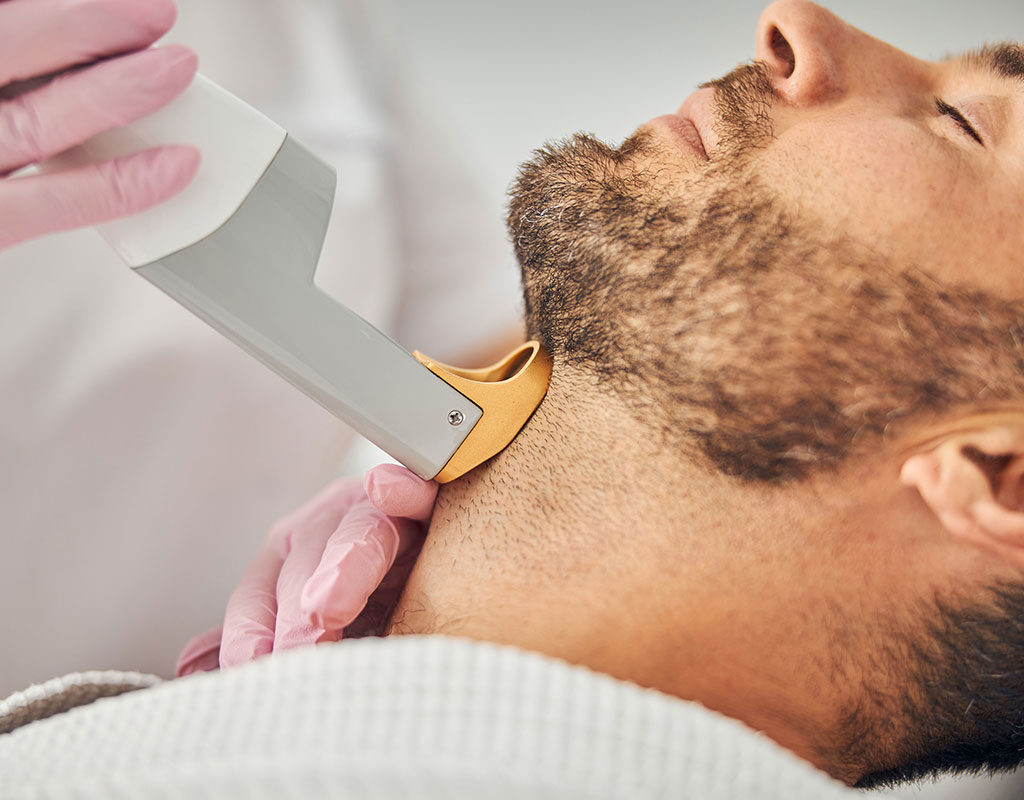
Credit: ohioskin.com
Importance Of Preparing For Laser Hair Removal
It is generally not recommended to use an electric trimmer before laser hair removal, as the treatment works best when the hair is intact and visible on the skin’s surface. It is advised to shave the areas being treated the day before the appointment, and if necessary, trim the fine facial hair with a facial hair trimmer or scissors.
Understanding The Significance Of Prepping The Skin For Laser Hair Removal
Laser hair removal is a popular and effective method for achieving long-term hair loss. However, proper preparation is crucial to ensure the best results. Preparing your skin before the treatment helps to optimize the effectiveness of the laser and reduce the risk of complications.
The Impact Of Proper Preparation On The Effectiveness Of The Treatment
Preparing your skin before laser hair removal can greatly impact the overall effectiveness of the treatment. Here are some reasons why:
- Enhanced targeting: Laser hair removal works by targeting the pigment in the hair follicles. By prepping the skin, you ensure that the hair is intact and visible on the skin’s surface, allowing the laser to target it accurately.
- Increased absorption: When the hair is trimmed properly, the laser energy can be absorbed more efficiently by the hair follicles. This leads to better targeting and more effective hair removal.
- Reduced discomfort: Properly prepped skin reduces the risk of discomfort during the laser hair removal procedure. Trimming the hair to the desired length helps to minimize any pulling or tugging sensations.
- Lower risk of complications: Preparing your skin before laser hair removal helps to minimize the risk of complications such as burns, hyperpigmentation, and skin irritation. By following the appropriate pre-care instructions, you can ensure a safe and successful treatment.
Remember, each individual’s skin and hair type may require specific prepping techniques. It is always advisable to consult with a professional or follow the guidelines provided by your laser hair removal specialist.
| DO: | DON’T: |
|---|---|
| Shave the areas being treated the day before your appointment | Use an electric razor immediately before using a laser hair removal device |
| Move a clean razor in the direction that your hair grows | Leave hair above the skin’s surface |
| Trim fine facial hair with a facial hair trimmer or scissors if needed | Have any stubble during the treatment |
By following these do’s and don’ts and properly prepping your skin, you can ensure a successful laser hair removal treatment with optimal results.
Shaving As A Preparatory Method For Laser Hair Removal
Using a trimmer before laser hair removal is generally not recommended. Laser hair removal works best when the hair is intact and visible on the skin’s surface, as it targets the pigment in the hair follicles. It’s advisable to shave the areas being treated the day before the appointment, or trim the hair as close to the surface as possible.
Why Shaving Is Commonly Recommended Before Laser Hair Removal
Before undergoing laser hair removal, it is commonly recommended to shave the areas being treated. Shaving helps to ensure optimal results and avoids potential complications during the procedure. By removing the visible hair from the skin’s surface, laser energy can directly target the hair follicles, maximizing the effectiveness of the treatment.
How Shaving Helps In Achieving Optimal Results
When it comes to laser hair removal, shaving is an important step in achieving optimal results. Shaving ensures that the laser energy is solely focused on the hair follicles rather than being absorbed by hair above the skin surface. By removing the hair, the laser can penetrate the follicles more effectively, leading to better results and reducing the risk of adverse effects.
Moreover, shaving allows the laser to precisely target the hair follicles without unnecessary pain, hyperpigmentation, or burns. Even a small amount of stubble can interfere with the laser’s effectiveness and potentially cause discomfort and skin damage. Therefore, it is crucial to fully shave the areas to be treated for the best outcome.
Addressing Concerns About Using A Traditional Razor
Some individuals may have concerns about using a traditional razor before laser hair removal. However, it is safe and effective to use a clean, quality razor when shaving prior to the procedure. Ensure that the razor is sharp and clean to minimize the risk of irritation or infection.
If you are uncomfortable using a razor or have sensitive skin, you can also trim or cut the hair as close to the skin’s surface as possible. This method is particularly suitable for smaller areas of the face. Remember that no hair should be left above the skin’s surface, but it must be attached to the hair follicles for the treatment to be effective.
Summary
In conclusion, shaving is commonly recommended as a preparatory method before undergoing laser hair removal. It helps in achieving optimal results by allowing the laser energy to focus solely on the hair follicles. Shaving removes visible hair and minimizes the risk of complications during the procedure. It is safe to use a traditional razor or trimmer to ensure the hair is cut as close to the skin as possible. By following these recommendations, you can pave the way for a successful and effective laser hair removal treatment.
Using A Trimmer Prior To Laser Hair Removal
Using a trimmer prior to laser hair removal can be a convenient and effective alternative to traditional shaving. In this section, we will explore the benefits and considerations of using a trimmer before laser hair removal. We will also provide you with step-by-step instructions on how to properly use a trimmer for preparing the hair for laser treatment.
Can You Use A Trimmer Instead Of Shaving Before Laser Hair Removal?
Yes, you can use a trimmer instead of shaving before laser hair removal. While traditional shaving requires removing hair at the skin’s surface, using a trimmer allows you to cut the hair as close to the skin as possible without completely removing it. This ensures that the hair follicles are still intact and visible, maximizing the effectiveness of the laser treatment.
Exploring The Benefits And Considerations Of Using A Trimmer
Using a trimmer has several benefits when preparing for laser hair removal:
- Convenience: Trimming is a quick and efficient way to reduce hair length without the need for shaving cream or water.
- Gentler on the skin: Trimming causes less irritation and redness compared to traditional shaving.
- Precise control: Trimmers allow for precision in hair length, making it easier to achieve the desired hair length for laser treatment.
However, there are a few considerations to keep in mind when using a trimmer:
- Ensure the hair is still attached to the follicles: While trimming, it’s important to make sure that the hair is cut close to the skin but still attached to the follicles. This ensures that the laser treatment targets the hair effectively.
- Choose the right trimmer: Select a trimmer with a guard or length settings that allow you to achieve the desired hair length for laser treatment.
- Consult with a professional: If you’re unsure about using a trimmer before laser hair removal, it’s always best to consult with a professional to ensure you’re following the appropriate pre-treatment guidelines.
How To Properly Use A Trimmer For Preparing The Hair For Laser Treatment
Follow these step-by-step instructions to use a trimmer effectively before your laser hair removal treatment:
- Start with clean, dry skin: Make sure your skin is clean and dry before using the trimmer.
- Choose the appropriate length setting: Select the length setting on your trimmer that corresponds to the desired hair length for laser treatment.
- Gently trim the hair: Using the trimmer, carefully trim the hair in the desired treatment area. Be sure to keep the trimmer parallel to the skin for an even cut.
- Check for any missed spots: After trimming, inspect the area to ensure that all hair is evenly cut and no spots were missed.
- Proceed with your laser hair removal treatment: Once the hair is properly trimmed, you can proceed with your scheduled laser hair removal treatment.
By following these steps and considering the factors mentioned above, you can effectively prepare your hair for laser hair removal using a trimmer.
Comparing Trimming And Shaving For Laser Hair Removal Preparation
Using a trimmer before laser hair removal is generally not recommended as laser hair removal works best when the hair is intact and visible on the skin’s surface. It is advised to shave the areas being treated the day before the appointment, or trim the hair as close to the surface as possible while ensuring it is still attached to the follicles for the most effective treatment.
Evaluating The Pros And Cons Of Trimming And Shaving
When it comes to preparing for laser hair removal, both trimming and shaving are viable options. Each method has its own advantages and disadvantages. Let’s take a closer look at the pros and cons of each:
Trimming
Trimming involves cutting the hair to a shorter length without removing it entirely. Here are the pros and cons of trimming:
- Pros:
- Does not remove hair completely, so there is no risk of ingrown hairs
- Less risk of irritation or razor burns compared to shaving
- Can be useful for areas where you don’t want to shave, such as the face
- Cons:
- May not provide a smooth surface for laser hair removal, affecting its effectiveness
- Hair may need to be trimmed more frequently compared to shaving
Shaving
Shaving involves removing hair entirely from the surface of the skin. Here are the pros and cons of shaving:
- Pros:
- Provides a smooth surface for laser hair removal, maximizing its effectiveness
- Hair stays removed for longer periods compared to trimming
- Can be done easily and quickly in most body areas
- Cons:
- Potential risk of ingrown hairs if not done properly
- May cause skin irritation or razor burns
Factors To Consider When Deciding Between Trimming And Shaving
Before deciding whether to trim or shave before laser hair removal, there are a few factors you should consider:
- The area being treated: Some areas, such as the face, may be more sensitive and may require trimming instead of shaving.
- Your personal preference: Consider your comfort level with each method and choose the one that you feel most confident using.
- Your skin sensitivity: If you have sensitive skin, trimming may be a better option to minimize potential irritation.
- The frequency of hair growth: If your hair grows quickly, shaving may be more convenient as it provides longer-lasting results.
Understanding The Impact Of Each Method On The Effectiveness Of Laser Hair Removal
The method you choose for hair removal can impact the effectiveness of laser hair removal. While trimming may be suitable for areas where you don’t want to completely remove the hair, shaving provides a smoother surface for the laser to target the hair follicles. This can lead to more effective and efficient results.
Best Practices For Preparing For Laser Hair Removal
To ensure the effectiveness of laser hair removal, it is not recommended to use an electric trimmer immediately before the treatment. Laser hair removal targets the pigment in the hair follicles, so it is best when the hair is intact and visible on the skin’s surface.
It is advised to shave or trim the hair prior to the appointment for optimal results.
Tips And Guidelines For Preparing The Skin And Hair Before The Treatment
Preparing your skin and hair before laser hair removal is crucial for achieving optimal results and minimizing any discomfort during the treatment. Here are some tips to follow:
- Shave the treated areas the day before your appointment to ensure that the laser can effectively target the hair follicles. Use a clean razor and shave in the direction of hair growth to prevent irritation.
- If you have fine facial hair, you can use a facial hair trimmer or scissors to trim it as close to the skin’s surface as possible. This will ensure that the laser can target the hair effectively.
- Avoid waxing, plucking, or using depilatory creams for at least four weeks before laser hair removal. These methods remove the hair from the root, which is counterproductive for laser hair removal as it targets the pigment in the hair follicles.
- Avoid excessive sun exposure and tanning beds for at least two weeks before the treatment. Sunburned or tanned skin is more prone to complications during laser hair removal.
- Keep the treated areas clean and free from any lotions, creams, or makeup on the day of your appointment. These products can interfere with the effectiveness of the laser.
Steps To Follow To Ensure Optimal Results And Minimize Discomfort During Laser Hair Removal
Following these steps will help you achieve the best outcomes and reduce any discomfort you may experience during laser hair removal:
- Attend a consultation session with a qualified professional to assess your suitability for laser hair removal and determine the most appropriate treatment plan for your needs.
- Inform your technician about any medical conditions, medications, or skin sensitivities you have before the treatment.
- Ensure that the treatment area is clean and free from any lotions, creams, or makeup on the day of your appointment.
- During the treatment, communicate openly with your technician if you feel any discomfort or pain. They can adjust the laser settings or provide cooling techniques to enhance your comfort.
- Follow the aftercare instructions provided by your technician, which may include avoiding sun exposure, using soothing creams, and avoiding hot showers or activities that may excessively heat the treated areas.
Precautions And Contraindications To Be Aware Of Before Undergoing Laser Hair Removal Treatment
Before undergoing laser hair removal, it’s important to be aware of the following precautions and contraindications:
| Precautions: | Contraindications: |
|
|
By following these best practices and diligently preparing for laser hair removal, you can enhance the effectiveness of the treatment and minimize any potential discomfort. Remember to consult with a qualified professional to ensure a safe and successful experience.
Frequently Asked Questions On Can You Use Trimmer Before Laser Hair Removal
Can I Use Hair Trimmer Before Laser Hair Removal?
It is generally not recommended to use an electric trimmer before laser hair removal. Laser hair removal works best when the hair is intact and visible on the skin’s surface. It is important to shave the areas being treated the day before your appointment, moving the razor in the direction that your hair grows.
If you have fine facial hair, you can trim it with a facial hair trimmer or scissors.
Can I Use An Electric Trimmer Before Laser Hair Removal?
Using an electric trimmer before laser hair removal is not recommended. Laser hair removal targets the pigment in the hair follicles, and it’s most effective when the hair is intact and visible on the skin’s surface. Shaving is the preferred method to prepare for laser hair removal as it removes the hair completely.
Trimming the hair too close to the surface may result in less effective treatment.
Is It Ok To Have Some Stubble Before Laser?
Yes, it is not recommended to have any stubble before laser hair removal as even a small amount can cause damage to the laser and result in pain, hyperpigmentation, and burns. It is best to shave or trim the hair as close to the skin’s surface as possible for effective treatment.
Can I Trim Instead Of Shave For Laser Hair Removal?
Yes, you can trim instead of shave for laser hair removal. On smaller areas of the face that you don’t feel comfortable shaving, you can also trim or cut the hair as close to the surface as possible. However, remember that no hair should be left above the skin’s surface, but it must be attached to the follicles to ensure effective treatment.
Conclusion
It is generally not recommended to use an electric trimmer immediately before laser hair removal. Laser hair removal works best when the hair is intact and visible on the skin’s surface. It is important to shave the areas being treated the day before your appointment to ensure the treatment is as effective as possible.
Remember to follow the specific instructions provided by your laser hair removal provider for the best results.