
Adjusting the blades of your hedge trimmer is a simple process that you can do yourself. First, ensure that the trimmer is turned off and disconnected from any power source. Look for the adjustment screws on the blade and loosen them with a screwdriver. Next, align the blades so that they are parallel to each other. Tighten the adjustment screws back up and test the trimmer to ensure smooth operation. It’s important to regularly check and adjust the blades to maintain optimal cutting performance.
Adjusting hedge trimmer blades can be a daunting task, but with the right knowledge and techniques, you can easily achieve a clean and precise cut. Let me guide you through the process and help you master the art of blade adjustment for your hedge trimmer.
When it comes to adjusting hedge trimmer blades, there are a few key aspects to consider. Firstly, it’s important to understand the history and background of hedge trimmers, as this will give you a better understanding of the technology behind them. Did you know that hedge trimmers were first introduced in the early 20th century and have since evolved to become highly efficient and versatile tools? Armed with this knowledge, you’ll have a solid foundation as we delve into the step-by-step process of adjusting the blades.
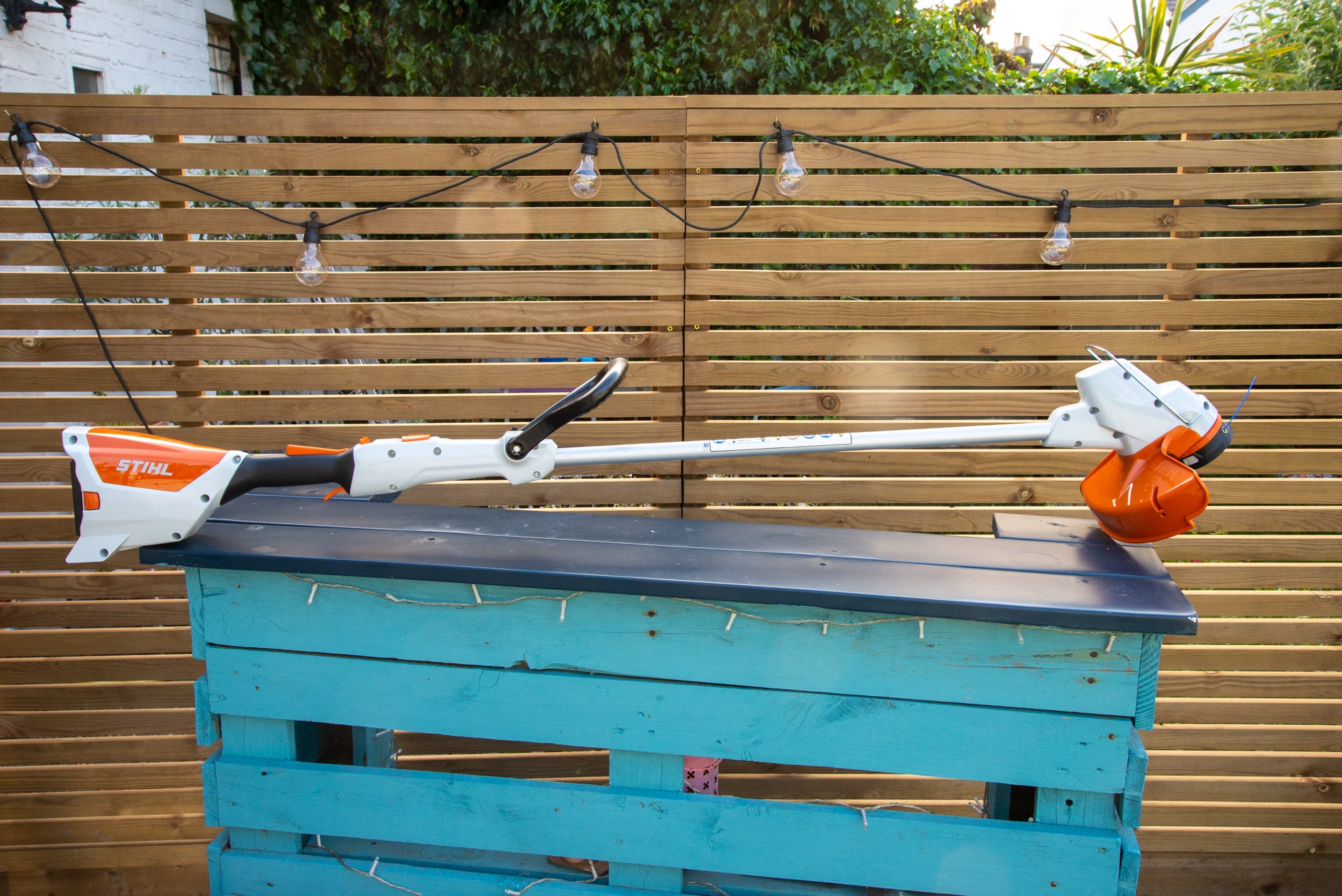 Source: trustedreviews.com
How To Adjust Hedge Trimmer Blades (Easy Step-by-Step Guide)
Regular maintenance of your hedge trimmer, including adjusting the blades, is essential to ensure optimal cutting performance and extend the lifespan of the tool. When the blades are not properly aligned or sharpened, it can result in inefficient cutting, jagged edges, and increased strain on the motor. Adjusting the hedge trimmer blades allows you to maintain control, precision, and safety while trimming hedges, bushes, and shrubs. In this guide, I will walk you through the step-by-step process of how to adjust hedge trimmer blades effectively.
Step 1: Inspect the Blades and Safety Precautions
Before adjusting the hedge trimmer blades, it is crucial to inspect them for any damage, such as bent or nicked edges. If you notice any significant damage, it may be necessary to replace the blades entirely. Additionally, make sure to follow these safety precautions:
- Wear safety goggles and gloves to protect your eyes and hands from debris and potential cuts.
- Ensure the hedge trimmer is turned off and unplugged before beginning any adjustments.
- Find a stable work surface and place a protective cover or drop cloth underneath the trimmer to catch any loose debris.
Once you have completed the necessary safety precautions, you can proceed with adjusting the hedge trimmer blades.
Step 1.1: Secure the Blades
Begin by securing the hedge trimmer blades to prevent accidental movement or injury during the adjustment process. You can do this by following these steps:
- Ensure the trimmer is turned off and unplugged.
- Locate the blade lock or locking mechanism on your specific hedge trimmer model.
- Engage the blade lock to hold the blades in a fixed position.
- Double-check that the blades are securely locked and cannot move.
Securing the blades will prevent any accidental movement while you work on adjusting them.
Step 1.2: Remove Debris
Before proceeding further, it is crucial to remove any debris or plant material that may be stuck between the blades. This will ensure a clear and accurate view of the blades during the adjustment process. To remove debris:
- Use a brush or soft cloth to wipe away any loose debris.
- Be cautious not to touch the sharp edges of the blades.
- Inspect the blades for any signs of damage or wear.
Keeping the blades clean and free from debris will contribute to a smoother adjustment process and improve the overall cutting performance of the hedge trimmer.
Step 1.3: Lubricate the Blades
Prior to making any adjustments, it is beneficial to lubricate the blades. This will help reduce friction, ensure smooth movement, and prevent rust formation. Here’s how to lubricate the hedge trimmer blades:
- Apply a light coat of lubricating oil along the length of each blade.
- Gently move the blades back and forth to distribute the oil evenly.
- Allow the lubricating oil to penetrate the blade surfaces for a few minutes.
Lubricating the blades will make the adjustment process easier and protect them from wear and corrosion.
Step 2: Check Blade Alignment
Once you have prepared the hedge trimmer blades, it’s time to check their alignment to ensure they are properly aligned for efficient cutting. Here’s how you can check the blade alignment:
Step 2.1: Visual Inspection
Begin by visually inspecting the position of the blades in relation to each other. The blades should be parallel and align perfectly when closed. Look for any gaps or overlaps between the blades. If there are substantial gaps or overlaps, adjustments are necessary.
Step 2.2: Check Blade Contact
Next, perform a blade contact test to determine if the blades are properly aligned in terms of contact. This test involves closing the blades and examining their contact points. Here’s how to perform the blade contact test:
- Close the blades as you would during normal trimming operations.
- Observe the area where the blades make contact with each other.
- Ensure the entire length of the blades is in contact without any gaps.
- If you notice any significant gaps or uneven contact, adjustments are necessary.
Checking blade alignment and contact will help you assess if adjustments are needed for optimal cutting performance.
Step 3: Adjust the Hedge Trimmer Blades
After inspecting the blade alignment and contact, you can proceed with adjusting the hedge trimmer blades to ensure precise and efficient cutting. Here’s how to adjust the blades:
Step 3.1: Loosen the Blade Fasteners
Start by locating the blade fasteners or screws that hold the blades in place. These are usually located near the base of the blades or on the sides of the cutting head. Follow these steps to loosen the blade fasteners:
- Using a screwdriver or the appropriate tool, carefully loosen the blade fasteners without completely removing them.
- Loosen both blade fasteners to ensure equal adjustment on both sides.
Loosening the blade fasteners will allow you to make precise adjustments to the blade position.
Step 3.2: Align and Adjust the Blades
With the blade fasteners loosened, you can now align and adjust the hedge trimmer blades. Follow these steps:
- Hold the blades securely in place and align them properly using visual inspection and the blade contact test.
- Ensure the blades line up without any gaps or overlaps when closed.
- Make small adjustments as needed by slightly moving or rotating the blades.
- Check the alignment and contact after each adjustment to ensure proper positioning.
Take your time during this process to ensure the blades are accurately aligned.
Step 3.3: Tighten the Blade Fasteners
Once you are satisfied with the blade alignment, it’s time to tighten the blade fasteners to secure the blades in their new position. Follow these steps:
- Using a screwdriver or the appropriate tool, tighten the blade fasteners without over-tightening.
- Ensure the blades remain aligned and in their desired position while tightening.
- Double-check the blade alignment and contact after tightening to confirm they have not shifted.
Tightening the blade fasteners will lock the blades in place for optimal cutting performance.
Step 4: Test and Fine-Tune the Blade Adjustment
After completing the blade adjustment, it is essential to test the hedge trimmer and fine-tune the blade alignment if necessary. Follow these steps:
Step 4.1: Power On the Hedge Trimmer
Ensure the hedge trimmer is properly plugged in or has a charged battery. Power on the trimmer according to the manufacturer’s instructions.
Step 4.2: Trim a Test Area
Select a small test area of your hedge or shrub and begin trimming. Observe the cutting performance, smoothness, and overall results of the test trim. If you notice any issues, such as uneven cutting or jagged edges, you may need to fine-tune the blade adjustment.
Step 4.3: Readjust if Needed
If the test trim reveals any cutting irregularities, you can make minor readjustments to the blade alignment. Repeat steps 3.2 and 3.3 to fine-tune the blade adjustment. Test trim again until you are satisfied with the cutting performance.
Step 5: Maintenance and Regular Inspections
Once you have successfully adjusted the hedge trimmer blades, it is essential to maintain them properly to ensure continued optimal performance. Here are some maintenance tips:
- Regularly clean the blades and remove any debris after each use.
- Inspect the blades for any signs of wear, damage, or dullness.
- Sharpen the blades as necessary to maintain their cutting effectiveness.
- Follow the manufacturer’s recommendations for lubrication and periodic maintenance.
Maintaining the hedge trimmer blades will not only enhance its longevity but also ensure efficient cutting performance for the long term.
Adjusting hedge trimmer blades is an essential task for maintaining optimal cutting performance and extending the lifespan of the tool.
By following the step-by-step process outlined in this guide, you can confidently adjust the blades of your hedge trimmer and achieve precise, efficient, and safe trimming results. Regular maintenance and inspections are equally important to ensure continued performance and to address any potential issues.
Remember to always prioritize safety by wearing the necessary protective gear and following the manufacturer’s instructions. With proper care and adjustments, your hedge trimmer will provide you with beautifully trimmed hedges, bushes, and shrubs for years to come.
 Source: staticflickr.comSource: staticflickr.com
Frequently Asked Questions
In this section, I will answer some of the most common questions related to adjusting hedge trimmer blades. Follow these steps to ensure your hedge trimmer is properly adjusted for optimal performance.
1. Why is it important to adjust hedge trimmer blades?
Properly adjusting hedge trimmer blades is essential for maintaining the efficiency and effectiveness of your tool. When the blades are correctly aligned and sharpened, you will experience cleaner cuts, reduce the strain on the motor, and prolong the life of your hedge trimmer.
By regularly adjusting your hedge trimmer blades, you ensure that they are working at their best, allowing you to tackle any trimming task with ease and precision.
2. How often should I adjust hedge trimmer blades?
The frequency of adjusting hedge trimmer blades depends on how often you use your tool. It is recommended to check the blade alignment every 10-15 hours of operation or at the beginning of each trimming season. However, if you notice any irregular cutting patterns or reduced cutting efficiency, it is advisable to inspect and adjust the blades immediately.
Regular maintenance and adjustment of your hedge trimmer blades will ensure that they consistently deliver optimal performance and extend the lifespan of your equipment.
3. What tools do I need to adjust hedge trimmer blades?
To adjust hedge trimmer blades, you will need the following tools:
- Protective gloves
- Adjustable wrench or Allen wrench (depending on the trimmer model)
- Hedge trimmer blade sharpener (if required)
- Oil or lubricant (if necessary)
Make sure you have these tools readily available before starting the adjustment process to ensure a smooth and hassle-free experience.
4. How do I adjust hedge trimmer blades?
Follow these steps to adjust a hedge trimmer’s blades:
Step 1: Turn off the hedge trimmer and remove the power source (unplug it or remove the battery).
Step 2: Carefully inspect the blades for any signs of damage or wear. If necessary, sharpen or replace them before proceeding with the adjustment.
Step 3: Locate the adjustment screws or bolts on the trimmer blade. These are usually found at the base of the blade or on the side. Use the appropriate wrench to loosen these screws.
Step 4: Once the screws are loosened, align the blades with each other, ensuring that they are parallel and have a small gap between them. Use a feeler gauge or a business card to achieve the desired gap.
Step 5: Tighten the adjustment screws firmly while holding the blades in the adjusted position.
Step 6: Test the hedge trimmer to ensure the blades are properly aligned. If needed, make further adjustments until you achieve the desired cutting performance.
5. Are there any additional maintenance tips for hedge trimmer blades?
Apart from regular adjustment, here are a few maintenance tips for hedge trimmer blades:
Cleaning: After each use, remove any debris, foliage, or sap that may have accumulated on the blades. Use a soft brush or cloth to gently wipe them clean.
Lubrication: Apply lubricant to the blades regularly to reduce friction and ensure smooth operation. Follow the manufacturer’s guidelines regarding the type and frequency of lubrication.
Sharpening: Depending on the frequency of use, your hedge trimmer blades may require sharpening. Use a suitable blade sharpener or seek professional assistance to maintain sharp cutting edges.
By following these maintenance tips, you can keep your hedge trimmer blades in optimal condition and enjoy efficient and clean cutting performance.
Final Thoughts
So there you have it! Adjusting hedge trimmer blades is a simple process that can be done with a few basic steps. First, make sure to turn off the trimmer and unplug it for safety. Then, use a wrench to loosen the blade bolts and carefully adjust the blades to the desired position. Once you have made the adjustment, tighten the bolts back up and test the trimmer to ensure everything is working properly.
Remember, it’s important to regularly check and adjust your hedge trimmer blades to ensure they are sharp and aligned correctly. This will help you achieve clean and precise cuts while reducing the risk of damage to both your trimmer and the plants you are working on. With a little maintenance and care, your hedge trimmer will continue to serve you well for years to come.

I’m Patricia D. Johnson, an affiliate marketer and blogger specializing in trimmers and grooming tools. I create honest reviews, buying guides, and practical tips to help readers choose the right trimmer for their needs. With a focus on quality, performance, and value, I simplify the decision-making process so consumers can make confident purchases.