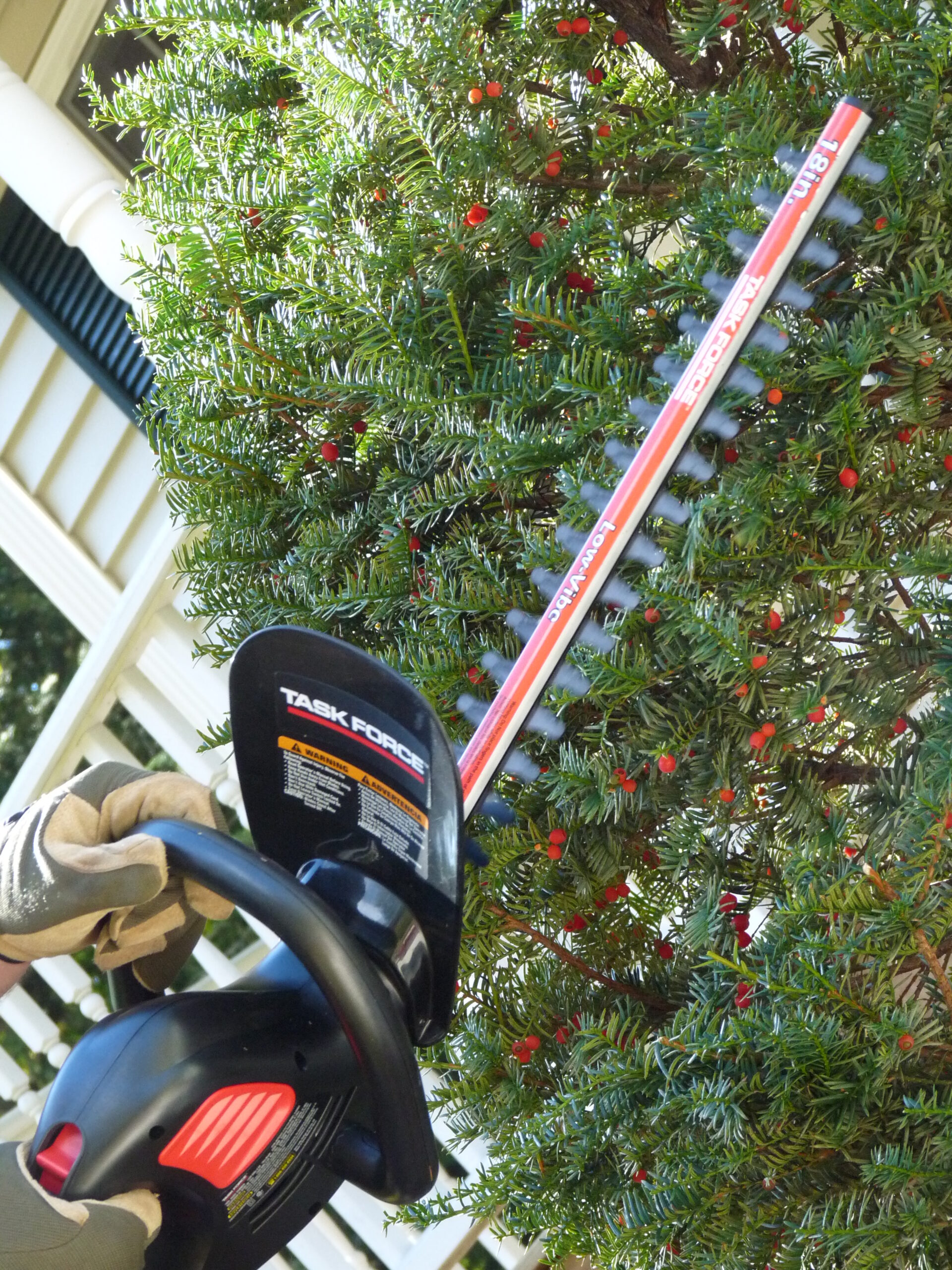
Using a gas hedge trimmer can be a game-changer when it comes to maintaining a well-manicured garden or backyard. The power and versatility of these tools make them a popular choice among homeowners and professionals alike. But how exactly do you make the most out of a gas hedge trimmer and achieve those perfect, clean cuts? Let me walk you through the process.
When it comes to using a gas hedge trimmer, there are a few important things to keep in mind. First, before starting the trimmer, it’s crucial to ensure that you have the right safety gear in place, including safety goggles, ear protection, and gloves. Next, make sure the trimmer is properly fueled and the blade is sharp and well-maintained. When you’re ready to start trimming, it’s best to work in small sections and move the trimmer in a sweeping motion, starting from the bottom and working your way up. By following these steps, you can achieve the desired results and create beautifully sculpted hedges.
I have been using gas hedge trimmers for many years now, and I have learned some valuable tips and tricks along the way. To use a gas hedge trimmer effectively, first, make sure you have the proper safety gear, like gloves and safety glasses.
Next, check the trimmer’s fuel and oil levels, ensuring they are sufficient. Start the trimmer by engaging the choke and pulling the recoil starter firmly. Hold the trimmer with both hands and position the blades at the base of the hedge. Move the trimmer in smooth, sweeping motions, trimming a small section at a time.
Remember to take breaks and allow the trimmer’s engine to cool down if needed. Lastly, clean the trimmer after use to ensure its longevity.

Source: wikimedia.org
Source: lawnmaster.com
How To Use A Gas Hedge Trimmer
Gas hedge trimmers are versatile and powerful tools that make trimming hedges and shrubs a breeze. Whether you are a professional gardener or a homeowner looking to maintain your outdoor space, learning how to use a gas hedge trimmer properly is essential. In this guide, I will take you through the step-by-step process of using a gas hedge trimmer effectively and safely. From starting the trimmer to maintaining it for long-lasting performance, let’s dive into the world of gas hedge trimmers.
Step 1: Safety First
Before you begin operating a gas hedge trimmer, make sure to prioritize safety. Here are some important safety precautions to follow:
- Wear protective gear: Always wear safety goggles, ear protection, gloves, and sturdy shoes to protect yourself from flying debris and noise.
- Inspect the trimmer: Check the trimmer for any signs of damage or wear. Make sure all guards and safety features are in place and functioning properly.
- Choose the right location: Trim in a well-ventilated area with good lighting. Avoid trimming near power lines, wet surfaces, or unstable footing.
- Clear the area: Remove any obstacles, such as rocks, branches, or debris, from the trimming area to prevent accidents or damage to the trimmer.
- Check for fuel leaks: Inspect the fuel tank and lines for any leaks or damage. Never operate a trimmer with fuel leaks.
- Keep bystanders away: Ensure that there are no children, pets, or bystanders nearby while operating the trimmer.
- Read the manual: Familiarize yourself with the manufacturer’s instructions and safety guidelines provided in the user manual.
Following these safety precautions will help ensure a safe and accident-free trimming experience.
Step 2: Fueling the Trimmer
Before starting the trimmer, you need to fuel it correctly. Here’s how:
1. Always use the recommended fuel type as specified in the trimmer’s manual. Usually, it is a mixture of gasoline and two-cycle oil in a specific ratio (e.g., 50:1).
2. Make sure the trimmer is turned off and cooled down before refueling.
3. Position the trimmer on a flat surface and remove the fuel cap, ensuring good ventilation to avoid fuel spillage.
4. Use a clean fuel container with the correct mixture of fuel and oil. Slowly pour the fuel into the trimmer’s fuel tank, taking care not to overfill it.
5. Once the fuel tank is filled, securely close the fuel cap and wipe away any spills.
6. It is essential to mix the fuel properly to achieve the recommended fuel-to-oil ratio. Shake the trimmer gently to ensure the fuel and oil mix thoroughly before starting the engine.
Following these steps will ensure that your gas hedge trimmer is fueled correctly, promoting smooth and efficient operation.
Step 3: Starting the Trimmer
Now it’s time to start the gas hedge trimmer. Follow these steps:
1. Set the trimmer on a flat and stable surface. Ensure that the blades are clear of any obstructions.
2. Engage the choke: Most gas trimmers have a choke lever or switch. Move it to the “choke” position to prepare the engine for starting.
3. Prime the engine: Locate the primer bulb and press it multiple times until you see fuel flowing through it. This step helps fill the carburetor with fuel for easier starting.
4. Pull the starter cord: Firmly grip the starter handle and slowly pull the starter cord until you feel resistance. Then, quickly and forcefully pull the cord to start the engine. Repeat this process until the engine starts.
5. Disengage the choke: Once the trimmer’s engine is running smoothly, move the choke lever or switch to the “run” position, gradually disengaging the choke.
6. Warm-up the engine: Allow the engine to run for a few minutes to reach its optimal operating temperature.
By following these steps, you can start your gas hedge trimmer efficiently, ensuring a smooth trimming experience.
Step 4: Using the Trimmer
Now that your trimmer is started, let’s explore how to use it effectively:
1. Hold the trimmer securely: Firmly grasp the trimmer’s handle with both hands. One hand should hold the handle near the engine, while the other hand should hold the rear handle.
2. Maintain a comfortable stance: Stand with your feet shoulder-width apart for stability during operation.
3. Find the right angle: Tilt the trimmer’s blade parallel to the hedge surface, holding it at a slight angle to achieve an even and clean cut.
4. Start trimming: Move the trimmer in slow, sweeping motions along the hedge, using the full length of the blades. Aim to cut small sections at a time for better control and accuracy.
5. Maintain a steady pace: Avoid rushing the trimming process. Move the trimmer steadily and consistently along the hedge to achieve an even and well-groomed appearance.
6. Be mindful of branches: If you encounter thicker branches that may strain the trimmer, switch to a sawing motion by moving the trimmer back and forth until the branch is cut.
7. Take breaks: If you are working on a large hedge, take frequent breaks to rest and prevent fatigue.
By following these guidelines, you can confidently and effectively use your gas hedge trimmer to achieve professional-looking results.
Step 5: Maintenance and Storage
Proper maintenance is crucial for the longevity and performance of your gas hedge trimmer. Here are some essential maintenance and storage tips:
1. Clean the trimmer: After each use, remove any debris or grass clippings stuck on the trimmer blades and housing. Use a brush or compressed air to clean hard-to-reach areas.
2. Check the air filter: Regularly inspect and clean the air filter to ensure proper airflow to the engine. Replace the filter if it is damaged or excessively dirty.
3. Sharpen and oil the blades: Maintain sharp and lubricated blades for effective cutting. Use a file or grinder to sharpen the blades, and apply a thin layer of oil to prevent rust.
4. Check spark plug and fuel filter: Periodically inspect the spark plug and fuel filter for any signs of wear or buildup. Replace them if necessary to ensure proper ignition and fuel flow.
5. Store properly: When not in use, store the trimmer in a dry and secure place, away from moisture and extreme temperatures. Properly drain the fuel tank and run the trimmer until it stops to prevent fuel-related issues.
By following these maintenance tips, you can extend the lifespan of your gas hedge trimmer and ensure optimal performance for years to come.
Now that you have gained a comprehensive understanding of using a gas hedge trimmer, you are ready to embark on your trimming projects with confidence. Remember to prioritize safety, follow the proper fueling and starting procedures, use the trimmer effectively, and maintain it regularly. Enjoy the efficiency and precision that a gas hedge trimmer brings to your landscaping endeavors!
 Source: suburbanadventure.com
Frequently Asked Questions
Gardening enthusiasts often find themselves struggling with the proper use of a gas hedge trimmer. To help you make the most of this essential gardening tool, here are answers to some frequently asked questions about using a gas hedge trimmer.
1. How do I start a gas hedge trimmer?
To start a gas hedge trimmer, follow these steps:
First, make sure you have enough fuel and that the trimmer is properly filled. Next, locate the choke and fuel primer on the trimmer. Activate the choke by moving the lever to the closed position. Then, use the primer by pressing it several times until you see fuel inside it.
Once the trimmer is primed, hold it firmly with both hands. Place one foot on the rear handle for stability. Then, grip the starter cord with one hand and pull it sharply until the engine starts. Once the engine is running smoothly, release the choke and allow the trimmer to warm up for a few minutes before starting your trimming.
2. How do I safely handle a gas hedge trimmer?
Handling a gas hedge trimmer safely is crucial to prevent accidents. Here are some important guidelines:
Always wear protective gear, such as safety glasses, earplugs, and gloves, to shield yourself from debris and noise. Keep a firm grip on the trimmer and maintain a stable stance. Always be aware of your surroundings, avoiding obstacles and uneven terrain.
When working near electrical wires or cables, be cautious to avoid any contact. Regularly inspect the trimmer for any loose or damaged parts. If you need to stop the trimmer temporarily, make sure to switch it off and wait for the blades to come to a complete stop before setting it down.
3. How do I trim hedges effectively with a gas hedge trimmer?
To trim hedges effectively with a gas hedge trimmer, follow these steps:
Start by assessing the hedge and identifying any stray branches or areas in need of trimming. Position yourself comfortably in front of the hedge, ensuring a clear view. Using smooth, sweeping motions, guide the trimmer along the hedge, moving from the bottom upward.
Try to maintain an even distance between the trimmer blades and the hedge surface, about 1-2 inches, to achieve an even and uniform trim. Work your way along the entire hedge, pausing occasionally to step back and assess your progress. Make any necessary adjustments and continue until the desired shape is achieved.
4. How do I maintain a gas hedge trimmer?
Maintenance is crucial for ensuring the longevity and performance of your gas hedge trimmer. Here’s how to maintain it properly:
Regularly clean the trimmer after each use, removing any dirt, debris, or plant residue. Inspect the blades for any signs of wear or damage. Sharpen the blades using a file or take them to a professional for sharpening.
Check and clean the air filter regularly to maintain optimal performance. Replace the fuel filter and spark plug as recommended by the manufacturer. Lastly, store the trimmer in a dry and secure location, away from moisture and extreme temperatures.
5. Can I use a gas hedge trimmer for other tasks besides hedge trimming?
While a gas hedge trimmer is primarily designed for hedge trimming, it can also be used for other tasks. Some common alternative uses include:
– Trimming shrubs and bushes
– Pruning small tree branches
– Shaping topiaries
It’s important to note that using a gas hedge trimmer for tasks other than its intended purpose may require adjustments or additional attachments. Consult the manufacturer’s instructions or seek professional advice to ensure safe and proper use.
Hedge Trimmer Basics: How to Start a Gas Hedge Trimmer
In conclusion, using a gas hedge trimmer can be an effective way to maintain your hedges and keep them looking neat and tidy. By following a few simple steps, you can ensure that you use your trimmer safely and efficiently.
First, it’s important to familiarize yourself with the trimmer’s manual and understand its specific features and controls. Next, make sure you have the necessary safety gear, such as safety glasses and gloves, to protect yourself while using the trimmer.
Before starting, inspect the trimmer for any damages or defects and ensure that it is fueled up with the appropriate mixture of gas and oil. When trimming, always maintain a steady grip on the trimmer and use smooth, sweeping motions to achieve even results. Finally, make sure to clean and store your trimmer properly after each use to prolong its lifespan.

I’m Patricia D. Johnson, an affiliate marketer and blogger specializing in trimmers and grooming tools. I create honest reviews, buying guides, and practical tips to help readers choose the right trimmer for their needs. With a focus on quality, performance, and value, I simplify the decision-making process so consumers can make confident purchases.