Ever wondered why some trimmer lines last seemingly forever while others disintegrate after just a few uses? Choosing the right trimmer line often feels like navigating a maze of shapes, diameters, and materials. Professionals know that the right line can make the difference between a quick, clean job and hours of frustration.
First and foremost, consider the type of vegetation you’re tackling. Nylon is ideal for light trimming, while reinforced or multi-sided lines handle tougher jobs more effectively. A study found that twisted lines reduce noise by up to 50%, offering a quieter and more efficient solution for extensive tasks.
- Identify the type of vegetation you will trim (e.g., grass, weeds, brush).
- Select the appropriate line diameter: thin for light tasks, thick for heavy-duty work.
- Choose the line shape based on your needs: round for durability, multi-sided for tough vegetation.
- Opt for enhanced materials like reinforced nylon or copolymer for increased durability.
Source: bisongenerator.com
How to Choose Trimmer Line
Starting with understanding your trimming task is crucial. Are you dealing with light grass, thick weeds, or woody plants? Different tasks require different types of trimmer lines. According to this post, using the wrong line can result in breakage and inefficiency. Knowing your task helps prioritize which trimmer line to purchase.
Next, consider the diameter of the trimmer line. Thicker lines are generally more durable and are better suited for heavy-duty tasks. On the other hand, thin lines are ideal for delicate trimming jobs. Standard diameters range from 0.065 to 0.095 inches. Here’s a quick guide:
| Diameter | Best For |
|---|---|
| 0.065 – 0.080 inches | Light work, grass |
| 0.085 – 0.105 inches | Thicker grass, weeds |
| 0.110+ inches | Heavy weeds, woody plants |
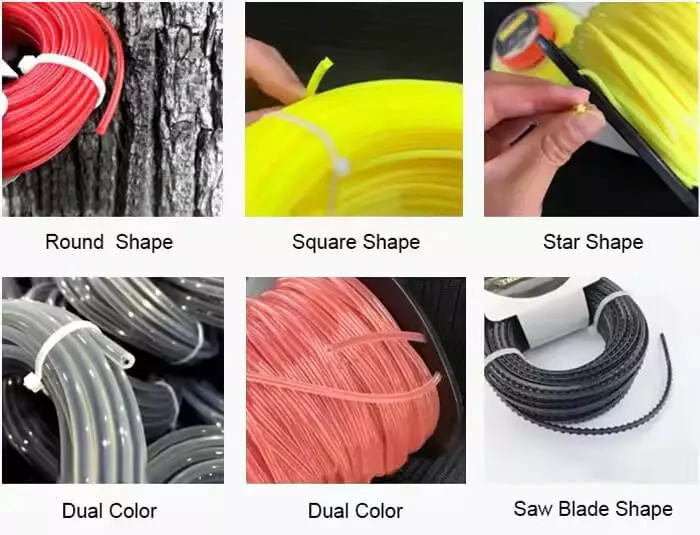
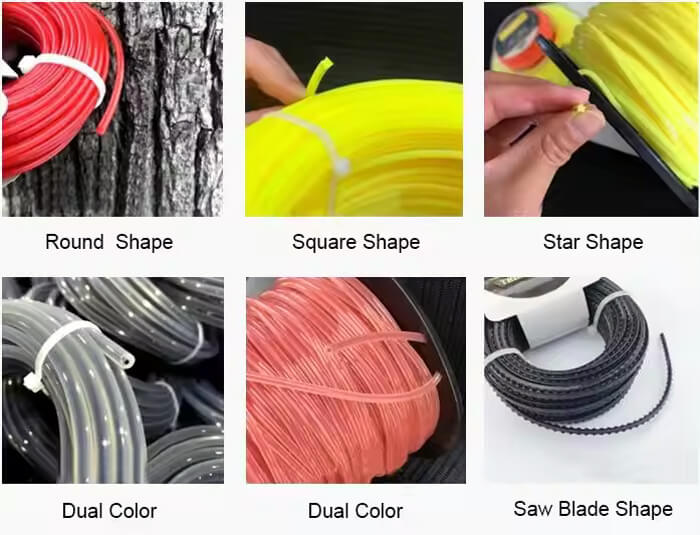
Another important factor is the shape of the trimmer line. Round lines are durable and less likely to break but may not cut through thick vegetation as well as other shapes. Multi-sided lines, such as square or star-shaped lines, provide a cleaner and faster cut. Twisted lines help reduce noise and vibrations during use. According to the article, choosing the right shape can improve efficiency and make the job easier.
Finally, think about the material of the trimmer line. Most lines are made of nylon, which is suitable for most tasks. However, you can find reinforced or composite lines for more demanding jobs. Some lines incorporate materials like aluminum for extra durability. Consider the specific requirements of your task to choose the most appropriate material.
Step 1: Know Your Task
Understanding your trimming task is the first step in selecting the right trimmer line. Are you dealing with soft grass, thick weeds, or stubborn brush? Each type of vegetation requires a specific type of line to get the job done efficiently. For example, thin lines work well for delicate grass, but thicker, reinforced lines are needed for tough weeds. This consideration helps avoid unnecessary wear and tear on your equipment.
Different tasks might also call for different trimmer line shapes. Round lines are durable and less likely to break, making them great for general use. Meanwhile, twisted lines reduce noise and vibrations, providing a smoother experience. Multi-sided lines, like square or star-shaped, offer cleaner cuts for tough jobs. Knowing your task will direct you toward the most effective shape.
Your choice of trimmer line can also affect the speed and ease of your work. Thicker lines handle heavier vegetation but might slow you down, especially in smaller areas. Thinner lines cut through less challenging growth quicker. According to this post, seasoned lawn care professionals often tailor their trimmer line choices based on the specific tasks at hand. This targeted approach ensures efficiency and high-quality results.
Soil conditions and terrain play a role too. Rocky or uneven ground can quickly wear down your trimmer line, especially if it’s thin or not reinforced. If your task involves such terrain, investing in a more durable line will save you time and money. Consider all these aspects to make an informed decision for your trimming needs.
Step 2: Choose The Right Diameter
Choosing the right diameter for your trimmer line is essential for efficient cutting. Thinner lines, measuring around 0.065 to 0.080 inches, are suitable for light work, such as trimming grass and small weeds. These lines are flexible and easy to maneuver, making them perfect for residential use. However, they may not be durable enough for tougher tasks. Always match the diameter to the job requirements.
For medium-duty tasks, a line with a diameter between 0.085 and 0.105 inches is preferable. These lines can handle thicker grass and larger weeds without breaking easily. They strike a balance between flexibility and durability, making them a popular choice for general yard maintenance. The right diameter helps you achieve a clean, efficient cut. However, they may still struggle with heavy brush or woody plants.
Heavy-duty tasks require thicker lines that are 0.110 inches or more in diameter. These are designed to tackle the toughest weeds and even small woody plants. They offer maximum durability and cutting power. Though they are less flexible, their robustness ensures a longer lifespan and better performance in demanding conditions. For commercial or large-scale applications, thicker lines are often the best choice.
Choosing the appropriate diameter not only improves performance but also extends the life of your trimmer. Using a line that’s too thin for the task can lead to frequent breaks and inefficiency. Conversely, using a diameter that’s too thick can put unnecessary strain on your trimmer. To ensure you’re making the right choice, refer to this post for insights from lawn care professionals.
Step 3: Consider The Line Shape
The shape of the trimmer line can significantly impact its performance. Round trimmer lines are the most common and durable, making them ideal for general use. They tend to break less often but might not be as effective on thick and tough vegetation. However, they create more drag and can be noisier during operation. This makes them perfect for small to medium lawns.
Multi-sided lines, such as square or star-shaped, are designed for heavier tasks. They can cut through thicker grass and weeds more efficiently. The edges provide a sharper cutting surface, reducing the time spent on tough jobs. This shape is particularly useful for professional landscapers. Although these lines can break more easily on solid objects, their cutting power is unmatched.
Twisted lines offer a combination of strength and reduced noise. Their shape helps minimize vibration and sound, making for a smoother and quieter experience. These lines are less likely to stretch or break, providing a longer lifespan. They also cut more cleanly through grass and weeds. This makes them a versatile option for a range of tasks.
Serrated lines have teeth-like ridges that enhance cutting power. These are great for thick and overgrown areas where regular lines might struggle. They grip and slice through tough vegetation effectively. However, they may wear out faster when used on solid surfaces. Choose serrated lines for their unique cutting abilities.
Understanding the strengths and weaknesses of each shape can help you select the best trimmer line for your needs. Consider the types of vegetation and the conditions of your lawn or garden. Different shapes offer varied benefits, so having a few options on hand can be advantageous. Making an informed choice ensures efficient and effective trimming.
To learn more about the pros and cons of different trimmer line shapes, here is the article that dives deeper into the specifics. This resource provides practical insights for both novice and professional users. Equip yourself with the right knowledge for optimal trimming results.
Different Types of Trimmer Lines
Trimmer lines come in various materials and shapes to cater to different gardening needs. Standard nylon lines are the most commonly used, offering a good balance between durability and flexibility. They’ll handle general lawn maintenance with ease. However, they might not be the best choice for heavy-duty tasks. These lines are perfect for small to medium-sized lawns.
Another type is the reinforced nylon line, which includes additional materials for added strength. This type of line is suitable for tougher jobs and can withstand more wear and tear. It’s especially useful for cutting through thicker grass and weeds. Reinforced lines are a good investment if you find yourself frequently breaking standard nylon lines. They add durability to your trimming tasks.
Copolymer lines are another option, known for their superior durability and performance. These lines are ideal for professional landscapers and heavy-duty use. They combine different materials to offer better cutting efficiency and longer life. Copolymer lines are less likely to snap or wear out quickly. They are a reliable choice for extensive trimming jobs.
In addition to material, the shape of the trimmer line also plays a crucial role in its performance. Lines can be round, twisted, or multi-sided, each offering unique benefits. Round lines are durable for basic tasks, while twisted lines are quieter and more efficient. Multi-sided lines, such as square or star-shaped, provide cleaner cuts for tougher vegetation. Understanding these shapes helps you make an informed choice.
Here are some common trimmer line shapes and their best uses:
- Round: Best for light trimming and general use
- Twisted: Quieter, reduced vibration, good for medium tasks
- Square/Star-Shaped: Ideal for tough weeds and heavy vegetation
- Serrated: Best for thick, overgrown areas
Each type has its strengths and is suited for different conditions. Knowing the types of trimmer lines and their applications helps you choose the best one for your gardening tasks. Make sure to consider both the material and shape to achieve the best results. Proper selection will make your trimming tasks more efficient and effective.
Using Trimmer Line Efficiently
Using trimmer line efficiently can save you time and money. First, always ensure that your trimmer line is properly installed and wound tightly. A loose line can easily break or wear out faster. Keeping the line tight helps maintain consistent cutting performance. This practice extends the life of your trimmer line.
Adjusting the cutting speed can also impact efficiency. For lighter tasks, a lower speed is sufficient and helps conserve the line. For tougher vegetation, a higher speed is more effective. However, too high a speed can cause unnecessary wear. Finding the right balance will enhance your trimming experience.
Storing your trimmer line correctly can prevent it from becoming brittle. Keep it in a cool, dry place away from direct sunlight. Exposure to heat and UV rays can degrade the quality of the line. Some experts even recommend soaking the line in water before use to keep it flexible. Proper storage ensures that your line remains in good condition.
Regular maintenance of your trimmer also contributes to efficient line use. Check the trimmer head for any signs of wear and tear. Replace worn parts to prevent line breakage. Clean the trimmer head to remove any debris that could cause friction. This helps in maintaining optimal performance.
Here are some quick tips for using trimmer line efficiently:
- Ensure proper installation and tightness
- Adjust cutting speed based on the task
- Store the line in a cool, dry place
- Regularly maintain and inspect your trimmer
- Use the right line diameter for the job
Combining these practices will help you get the most out of your trimmer line. Efficient use not only saves you money but also makes your trimming tasks easier and faster. Paying attention to these details enhances both the life of the trimmer line and the overall performance of your equipment. This approach leads to a better maintained and healthier lawn or garden.
Frequently Asked Questions
If you are new to using a trimmer line or just want to optimize its use, you may have some questions. Here are some commonly asked questions and detailed answers to help you out.
1. What is the best trimmer line for thick weeds?
For thick weeds, multi-sided or twisted trimmer lines are highly effective. They provide sharper cuts and can handle tough vegetation better than round lines.
Reinforced nylon or copolymer materials also add durability and prevent frequent breaks. Choosing the right shape and material ensures optimal performance against thick weeds.
2. How often should I replace my trimmer line?
The frequency of replacement depends on the type of tasks you’re doing and the material of the line. Standard nylon lines may need replacing more frequently if used on tough vegetation.
In contrast, reinforced or copolymer lines last longer but still require regular checks for wear and tear. Inspect your trimmer line before each use for maximum efficiency.
3. Can I use any diameter of trimmer line with my machine?
No, it’s essential to use a diameter compatible with your specific trimmer model. Check the user manual for diameter recommendations to avoid damaging your machine.
Lighter tasks generally require thinner lines, while heavy-duty work needs thicker ones. Using an incompatible diameter could lead to inefficiency and possible equipment failure.
4. Is there a technique for winding the trimmer line correctly?
Yes, make sure to wind the line tightly and evenly around the spool to avoid tangling during operation. Follow directional arrows usually indicated on the spool for smooth winding.
A neat winding process helps in efficient feeding of the line during use, reducing downtime caused by troubleshooting tangled lines.
5. Does storing my trimmer line properly really matter?
Absolutely! Proper storage can extend your trimmer line’s lifespan by preventing it from becoming brittle due to heat or UV exposure.
Store your trimmer line in a cool, dry place away from direct sunlight, or keep it soaked in water before using it to maintain flexibility.
Conclusion
Choosing the right trimmer line involves understanding your specific trimming tasks and selecting the appropriate diameter, shape, and material. This ensures efficiency and prolongs the life of both your trimmer and its line. Proper storage and maintenance further enhance performance, making your yard work more manageable.
By considering these factors, you can achieve a neater, healthier lawn or garden with less effort. Investing time in selecting and maintaining your trimmer line pays off in ease of use and better results. Equip yourself with this knowledge, and see the difference in your trimming tasks.

I’m Patricia D. Johnson, an affiliate marketer and blogger specializing in trimmers and grooming tools. I create honest reviews, buying guides, and practical tips to help readers choose the right trimmer for their needs. With a focus on quality, performance, and value, I simplify the decision-making process so consumers can make confident purchases.