
Choosing the right size trimmer line for your Ryobi can make a surprisingly big difference in both performance and the longevity of your trimmer. Many users overlook this small detail, resulting in less efficient trimming and more frequent replacements. The right line size ensures optimal cutting efficiency and reduces strain on the motor.
Historically, Ryobi has recommended different sizes depending on the specific model of their trimmers. Most models use either 0.065 or 0.080-inch lines, but for heavy-duty tasks, a 0.095-inch line might be suggested. Leveraging the correct size not only enhances cutting precision but also extends the life of your equipment, aligning with professional maintenance practices.
Source: thdstatic.com
What Size Trimmer Line For Ryobi
Choosing the right size trimmer line for your Ryobi trimmer is critical for efficient gardening. Most Ryobi models use either 0.065, 0.080, or 0.095-inch lines. The 0.065-inch line is typically for light-duty tasks like trimming grass. For heavier weeds and thicker grass, the 0.080 or 0.095-inch line is more suitable. Using the correct line size can make your trimming job easier and faster.
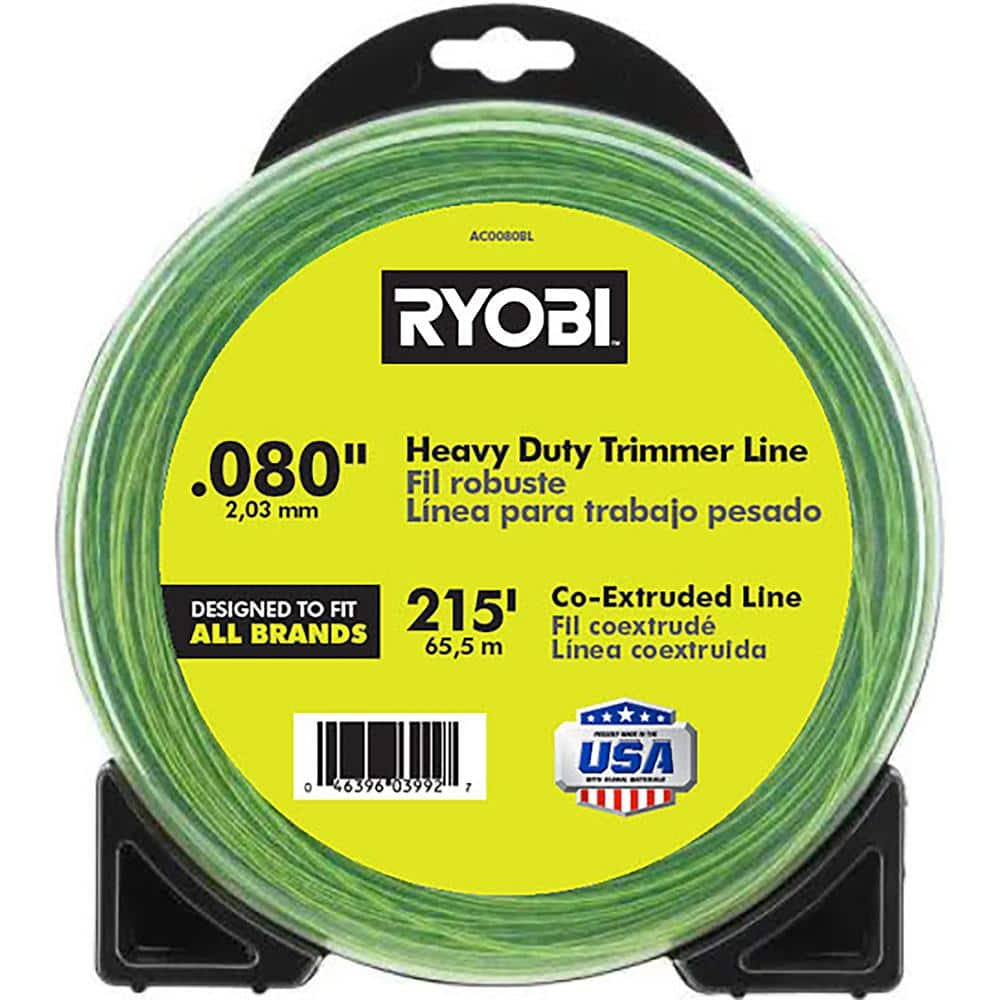
Specific Ryobi trimmer models have recommended line sizes for optimal performance. According to this post, the Ryobi 40v model performs well with a 0.080-inch line. This size provides a balance of power and durability. Also, thicker lines are less likely to break, which means fewer interruptions while you work. Selecting the right line impacts both the quality of your work and the lifespan of your trimmer.
Some key points to consider when choosing a trimmer line for your Ryobi include the type of task, frequency of use, and the trimmer model. For basic yard maintenance, the thinner 0.065-inch line will suffice. If you’re dealing with overgrown areas or tough weeds, a thicker line up to 0.095 inches is advisable. Ensuring you have the correct line size will save you time and effort.
The right trimmer line improves cutting precision and reduces strain on the equipment. It’s also more economical in the long run. According to the article here is the article, heavier-duty lines last longer and require fewer replacements. This means less downtime and more productive gardening sessions. Always refer to your trimmer’s manual for the recommended line size to achieve the best results.
Impact of Line Size on Trimming Efficiency
The size of the trimmer line plays a significant role in trimming efficiency. Thicker lines, such as 0.080 or 0.095 inches, are more suitable for heavy-duty tasks. They cut through tough weeds and dense grass with ease. However, they might put more strain on the trimmer’s motor. Using the right size line ensures that your trimmer performs at its best without unnecessary wear and tear.
For light-duty tasks, a 0.065-inch line is recommended. It offers a balance of flexibility and strength for everyday garden maintenance. According to this expert opinion, lighter lines are easier on the motor and extend the trimmer’s lifespan. This makes them ideal for residential use. Using too heavy a line for small tasks can be wasteful and inefficient.
The table below highlights the differences in line sizes and their applications:
| Line Size | Best For | Durability |
|---|---|---|
| 0.065 inches | Light Grass Trimming | Moderate |
| 0.080 inches | Medium Grass and Weeds | High |
| 0.095 inches | Thick Weeds and Brush | Very High |
In summary, the trimmer line size you choose affects not only the trimming efficiency but also the longevity of your trimmer. Heavier lines are best for tough jobs but can strain the motor. Lighter lines are perfect for regular upkeep and prolong the life of your equipment. Make sure to match the line size to the job at hand for optimal performance.
Different Ryobi Trimmer Models and Suggested Line Sizes
Ryobi offers a range of trimmer models, each designed for specific tasks and line sizes. The Ryobi 18V One+ Compact model typically uses a 0.065-inch line. This size is perfect for light trimming and manicuring your lawn’s edges. If you have a small yard and need a lightweight trimmer, this model and line size combination works well. It ensures precision and ease of use.
For medium-duty tasks, the Ryobi 40V Brushless model is recommended. This trimmer most often uses a 0.080-inch line. The thicker line tackles thicker grass and some weeds without overloading the motor. It provides a good balance between power and efficiency. This setup is ideal for medium to large yards with varied vegetation.
When dealing with the toughest trimming jobs, the Ryobi 40V HP Brushless model is the go-to option. It works best with a 0.095-inch line. This size is robust enough to cut through thick weeds and even small brush. With this setup, you can handle heavy-duty tasks easily. The durable build makes it suitable for commercial use or large properties.
The following table summarizes the suggested line sizes for different Ryobi models:
| Ryobi Trimmer Model | Suggested Line Size |
|---|---|
| 18V One+ Compact | 0.065 inches |
| 40V Brushless | 0.080 inches |
| 40V HP Brushless | 0.095 inches |
The Role of Line Size in Extending Equipment Life
Using the correct trimmer line size plays a crucial role in extending the life of your equipment. If the line is too thick, it may put unnecessary stress on the motor. Conversely, if the line is too thin, it can break easily, leading to frequent replacements. Both situations can cause wear and tear on your trimmer. Therefore, selecting the appropriate line size is key to maintaining longevity.
When you choose the recommended line size, the motor doesn’t have to work as hard. This reduces the chances of overheating and mechanical failure. For example, a 0.080-inch line is perfect for medium-duty tasks without straining the engine. This balance ensures smoother operation and fewer repairs. It allows your trimmer to function efficiently over a longer period.
Let’s look at how different line sizes affect equipment life:
| Line Size | Impact on Equipment |
|---|---|
| 0.065 inches | Light strain, suitable for basic tasks |
| 0.080 inches | Moderate strain, good for medium tasks |
| 0.095 inches | Heavy strain, ideal for tough tasks |
Choosing the right line size also impacts your trimmer’s fuel efficiency. A well-matched line reduces fuel consumption by allowing the trimmer to cut effectively without extra effort. You save on fuel costs and reduce the frequency of refueling. This further contributes to the equipment’s overall life span. Proper maintenance, including choosing the right line size, pays off in the long run.
In addition to fuel efficiency, a correctly sized line can improve cutting precision. When the line size matches the task, you get a cleaner and more precise cut. This reduces the need for repeated passes, saving both time and effort. Less work for the trimmer means it will stay in good condition longer.
In sum, using the right trimmer line size is vital for prolonging the life of your equipment. It ensures optimal performance while minimizing strain on the motor. This smart choice makes your trimming tasks more efficient and cost-effective over time. Always refer to your trimmer’s manual to find the recommended line size for different tasks.
Frequently Asked Questions
Ryobi trimmer users often have questions about line size, efficiency, and maintenance. Here are some of the most commonly asked questions.
1. Why does my Ryobi trimmer line keep breaking?
Trimmer lines can break frequently if they are too thin for the task at hand. If you’re using a 0.065-inch line for thick weeds, it will likely snap often. Upgrading to a thicker line like 0.080 or 0.095 inches can solve this problem.
Additionally, check the trimming area’s condition; hitting hard objects like rocks or fences can cause breaks. Make sure your line is wound tightly and evenly on the spool to prevent unnecessary strain and breakage.
2. Can I use a thicker trimmer line than recommended?
You might think using a thicker trimmer line is more effective, but it can strain your tool’s motor if it’s not designed for it. For example, using a 0.095-inch line in a model meant for 0.065 inches may cause overheating or motor failure.
This mismatch leads to decreased efficiency and potential damage over time. Always refer to your Ryobi model’s manual for recommended sizes to ensure peak performance without causing harm to your equipment.
3. How often should I replace my trimmer line?
The frequency of replacing your trimmer line depends on how often and intensively you use your Ryobi trimmer. Regular residential uses typically require one replacement every few weeks during peak season.
If used commercially, replacements might be more frequent due to constant wear and tear from extensive trimming tasks. Always carry extra spools during extended projects to avoid interruptions.
4. Does the type of vegetation impact my choice of trimmer line?
Yes, the type of vegetation significantly affects which trimmer line you should use for optimal results with your Ryobi trimmer. For light grass and lawn edges, a thinner 0.065-inch line suffices well enough without damaging delicate plants.
If you’re tackling tough weeds or wild growth areas, opt for thicker lines such as 0.080 or even 0.095 inches for better durability and cutting power through stubborn stalks and thick weeds.
Conclusion
Choosing the right trimmer line size for your Ryobi is essential for optimal performance and equipment longevity. Using the recommended line size prevents unnecessary strain on the motor and enhances cutting efficiency. This ensures smoother operation and less frequent maintenance.
Understanding your trimming needs and matching them with the appropriate line size can save you time and money. Always refer to your trimmer’s manual for specific recommendations. Making informed choices about your equipment can significantly improve your gardening experience.

I’m Patricia D. Johnson, an affiliate marketer and blogger specializing in trimmers and grooming tools. I create honest reviews, buying guides, and practical tips to help readers choose the right trimmer for their needs. With a focus on quality, performance, and value, I simplify the decision-making process so consumers can make confident purchases.