
Ever had your trimmer line run out in the middle of a precision job? It’s a common frustration for even seasoned professionals. Echo weed eaters are known for their durability, but the key to maintaining their efficiency lies in mastering the art of adding trimmer line effectively.
The process starts with removing the spool cap, a design that has remained largely unchanged due to its robustness. Did you know that adjusting the trimmer line correctly can save you up to 30% on line replacement costs? By inserting the line through both eyelets and winding it tightly, evenly across the spool, you ensure a balanced performance and longevity of the trimmer’s efficiency.
- Ensure the Echo weed eater is turned off and unplugged.
- Remove the spool cap by pressing the locking tabs.
- Take approximately 15 feet of trimmer line and insert one end into an eyelet on the spool.
- Wind the line evenly following directional arrows until about six inches remain on each side.
- Secure the ends in the holding slots and reattach the spool cap.
Source: ytimg.com
How to Add Trimmer Line to Echo Weed Eater
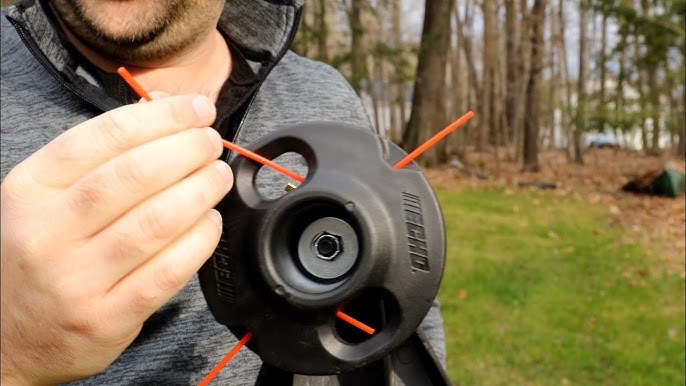
To add trimmer line to your Echo weed eater, start by making sure the tool is turned off. This ensures safety and prevents accidental injury. Lay the trimmer on a flat surface and locate the spool cap. Echo weed eaters are designed with a simple spool cap that can be removed by pressing the locking tabs. According to this post, understanding the basic parts of a line trimmer is key for maintenance.
Once the spool cap is off, you’ll see the spool where the trimmer line lives. Remove any remaining bits of old line. Take a new piece of trimmer line, usually about 15 feet in length. Some models may require a different length, so check your manual. Insert the line through the eyelets, making sure to follow the directional arrows.
Wind the line evenly and tightly onto the spool. This step is crucial for balanced operation. Keep winding until about six inches of line remains. Secure the ends in the holding slots to keep them from unraveling. Reattach the spool cap, ensuring it locks into place properly. For a more detailed look into weed eaters, here is the article that explores various types including the lightest gas models.
Test the new line by turning on the trimmer briefly. This will help ensure it’s correctly installed and functioning. If the line starts to trim unevenly, recheck your winding process. Proper line installation can make the difference in achieving a clean, precise cut. Keep these steps in mind, and your Echo weed eater will be ready for action.
Step 1: Understanding the Echo Weed Eater Design
Before adding a trimmer line, it’s essential to understand the design of your Echo weed eater. Echo models are crafted with a user-friendly structure, making maintenance relatively simple. The main components include the motor, the shaft, and the trimmer head. Knowing these parts can help you troubleshoot any issues that arise. The motor powers the tool, while the shaft transfers this power to the trimmer head.
The trimmer head consists of the spool, eyelets, and spool cap. These parts work together to feed the line during operation. According to this resource, proper winding of the spool ensures smooth line feeding. Understanding this mechanism allows for better performance. Always refer to the user manual for specifics related to your Echo model.
Echo weed eaters are built with a focus on balance and ergonomics. This design reduces user fatigue during extended use. The positioning of the handles and controls allows for comfortable operation. By understanding these design elements, you can maximize efficiency and comfort. Proper handling not only makes the task easier but also safer.
Different Echo models may have slight variations, but the basic principles remain the same. Familiarity with your specific model can save time and effort. Knowing where each part is located and how it functions is crucial. This foundational knowledge makes the process of adding trimmer line much more straightforward. It ensures you’re prepared for any maintenance tasks.
Step 2: Removing the Spool Cap
To start, make sure your Echo weed eater is powered off and disconnected to avoid any accidents. Lay your trimmer on a flat surface for stability. The spool cap is located at the bottom of the trimmer head and is typically secured by locking tabs. Press these tabs gently to release the cap. If done correctly, the cap should pop off easily.
Once the spool cap is removed, place it aside in a safe spot where it won’t get lost. Take note of how the spool is positioned inside the trimmer head. This will help you reassemble it correctly later on. If you encounter resistance when removing the cap, apply a bit more pressure on the tabs while holding the trimmer head securely. Avoid using excessive force to prevent damaging the components.
Here are the basic steps to follow for removing the spool cap:
- Ensure the weed eater is off and unplugged.
- Locate the locking tabs on the spool cap.
- Press the tabs to release the cap.
- Gently pull the cap off and set it aside.
Following these steps ensures a smooth and efficient process.
If you have any difficulty with this process, consult the user manual specific to your model. Each Echo weed eater may have slight variations in design. Knowing these differences can be helpful. Always handle the parts carefully to prolong the life of your equipment. Proper maintenance keeps your weed eater running efficiently.
Step 3: Inserting the Trimmer Line
After removing the spool cap, it’s time to insert the trimmer line. Begin by choosing the correct line diameter for your Echo model. Cut around 15 feet of trimmer line, ensuring it’s the proper length for your spool. Now, locate the two holes, or eyelets, on the spool. Insert one end of the trimmer line into one of these eyelets.
Continue feeding the line through the eyelet until there’s about an equal length on both sides. This ensures that you have enough line to wind around the spool effectively. Follow the directional arrows imprinted on the spool for correct winding. It’s crucial to wind the line tightly and evenly to avoid any tangles. If you’re unsure about the direction, refer to your user manual.
Here are the steps to insert the trimmer line:
- Select the correct line diameter.
- Cut approximately 15 feet of trimmer line.
- Insert one end into an eyelet on the spool.
- Feed the line until both sides are equal in length.
- Follow the directional arrows while winding the line on the spool.
These steps help in avoiding common problems such as uneven trimming or line breakage.
Continue winding until you have about six inches of line remaining on each side. Secure the ends in the holding slots provided on the spool. This keeps the line from unwinding when you reassemble the trimmer head. Double-check to make sure the line is wound correctly and securely in place. Proper insertion of the trimmer line maximizes the efficiency and durability of your Echo weed eater, giving you a cleaner, more precise cut.
Before placing the spool back into the trimmer head, inspect it to ensure there are no tangles or overlapping segments. This can prevent issues during operation. Once satisfied, carefully reassemble the trimmer head and snap the spool cap back into place. By following these steps, you ensure your Echo weed eater is ready for the next job, maintaining a high level of performance.
Benefits of Proper Line Trimmer Replacement
Replacing the trimmer line correctly in your Echo weed eater offers numerous benefits. The most immediate benefit is improved cutting efficiency. A well-installed line cuts through grass and weeds more sharply. This ensures your lawn looks neat and well-maintained. Additionally, it saves you time because you won’t need to go over the same areas multiple times.
Another advantage is increased longevity of your tool. Proper line replacement reduces wear and tear on the trimmer head. This can extend the lifespan of your Echo weed eater. Frequent maintenance can prevent costly repairs. Plus, it ensures that the trimmer performs consistently well.
Correct line replacement also improves safety. A tangled or improperly installed line can break easily. Broken lines can fly off at high speeds, posing a hazard. By ensuring the line is securely wound, you minimize the risk of accidents. This is especially important if you’re working in environments with bystanders or pets.
Here are some key benefits:
- Sharper and cleaner cuts.
- Reduced wear and tear on the tool.
- Increased tool longevity.
- Enhanced safety during operation.
- Time-saving due to efficient performance.
These benefits collectively make for a more enjoyable and productive trimming experience.
Lastly, proper line replacement ensures a smoother operation. An evenly wound line minimizes vibrations. This makes it easier to control the trimmer, reducing user fatigue. By following the correct steps for line replacement, you enhance both the performance and comfort of your trimming tasks. This simple maintenance step is vital for optimal tool performance.
Maintaining Your Echo Weed Eater
Maintaining your Echo weed eater is essential for its long-term performance. Regularly checking and replacing the trimmer line is a basic yet crucial part of this maintenance. Clean the tool after each use to remove debris and grass clippings. This helps prevent clogging and ensures smoother operation next time. Always inspect the trimmer head for any signs of wear or damage.
Perform routine checks on the spark plug and air filter. These components are vital for the efficient running of the motor. Clean or replace the air filter as needed. A dirty or clogged air filter can reduce performance. Also, make sure the spark plug is free from deposits.
Lubricate the moving parts, especially the shaft and gear mechanisms. Proper lubrication reduces friction, which helps in the smooth functioning of the tool. It also extends the life of the components. Use the recommended type of lubricant mentioned in your user manual. Regular lubrication minimizes the risk of breakdowns.
Here are some additional maintenance tips:
- Check the fuel system regularly for leaks.
- Ensure the cutting guard is intact and secure.
- Inspect the starter rope for any signs of fraying.
- Store in a dry place to avoid rust.
Following these tips keeps your Echo weed eater in top condition.
Lastly, conduct a full inspection before and after each season. Look for any loose screws or bolts and tighten them if necessary. Examine the fuel lines for cracks and replace them if needed. By adhering to these maintenance routines, your Echo weed eater will provide reliable service for many years. Regular upkeep ensures you’re always ready for any trimming task.
Frequently Asked Questions
Maintaining and using an Echo weed eater effectively includes understanding its components and best practices for upkeep. Below are frequently asked questions to help you get the most out of your tool.
1. How often should I replace the trimmer line in my Echo weed eater?
The frequency of replacing the trimmer line depends on usage and wear. For average use, replacing it every two months should suffice. If you notice a decrease in cutting efficiency, inspect the line for wear or breaks. Always keep spare trimmer lines for quick replacements.
Heavy-duty work or frequent use might require more frequent line changes. Inspecting the line before each use can help in timely maintenance. High-quality trimmer lines last longer but may still need periodic replacement to ensure optimal performance.
2. What type of trimmer line is best for an Echo weed eater?
Your choice of trimmer line involves considering thickness and material. Thicker lines (0.095 inches or more) are suited for tough weeds and dense grass, while thinner lines work best for lighter tasks like regular lawn trimming.
Nylon lines are commonly used due to their flexibility and durability. Some also prefer reinforced or twisted lines, which offer added strength for heavy-duty jobs. Always check your Echo model’s manual for recommended specifications.
3. Why is my Echo weed eater vibrating excessively?
Excessive vibration usually indicates issues with the trimmer head or line installation. Ensure the line is wound evenly around the spool as imbalances can cause vibrations during operation.
If vibrations persist, inspect other parts like the drive shaft and fasteners to ensure everything is secure. Maintaining balanced and tight winding reduces vibrations, providing smoother operation overall.
4. Can I use any brand’s trimmer line in my Echo weed eater?
While many brands offer universal trimmer lines that fit various models, using Echo-recommended lines ensures compatibility and optimal performance. Different brands manufacture their lines with varying degrees of flexibility and durability.
Mismatched specifications could lead to reduced performance or quicker wear-out rates of both the tool and line itself. For peace of mind, check your manual for recommended types specifically designed for Echo models.
5. How do I store my Echo weed eater during off-seasons?
Store your Echo weed eater in a dry place away from direct sunlight to prevent rusting or other weather-related damages. Before storing, clean all debris off from previous uses as leftover plant matter can lead to component degradation over time.
You should also empty fuel tanks if you’re storing it away long-term as stale fuel can clog filters and damage internal parts over prolonged periods without use; remember general maintenance steps (like lubrication) beforehand so it’ll be ready next season without fuss!
Conclusion
Maintaining your Echo weed eater ensures both its longevity and peak performance. Regularly replacing the trimmer line, performing routine checks, and proper storage all play crucial roles. An efficiently running weed eater not only makes yard work easier but also safer.
Remember to always follow the manufacturer’s guidelines for maintenance and part replacements. This proactive approach prevents potential problems and extends the life of your equipment. Keeping your Echo weed eater in top condition is an investment in both time savings and quality lawn care.

I’m Patricia D. Johnson, an affiliate marketer and blogger specializing in trimmers and grooming tools. I create honest reviews, buying guides, and practical tips to help readers choose the right trimmer for their needs. With a focus on quality, performance, and value, I simplify the decision-making process so consumers can make confident purchases.