
Have you ever noticed how even a small detail can make a significant difference in performance? Take the case of the DeWalt trimmer line size, for instance. Depending on the tasks at hand, choosing the right size line could be the subtle yet impactful key to efficiency and durability in trimming jobs.
The choice boils down to the specific demands of your trimming work. Experts recommend a 0.080-inch line for light-duty trimming and a thicker 0.095-inch line for more challenging tasks. This isn’t just arbitrary; over time, these sizes have proven optimal for balancing wear resistance and cutting power.
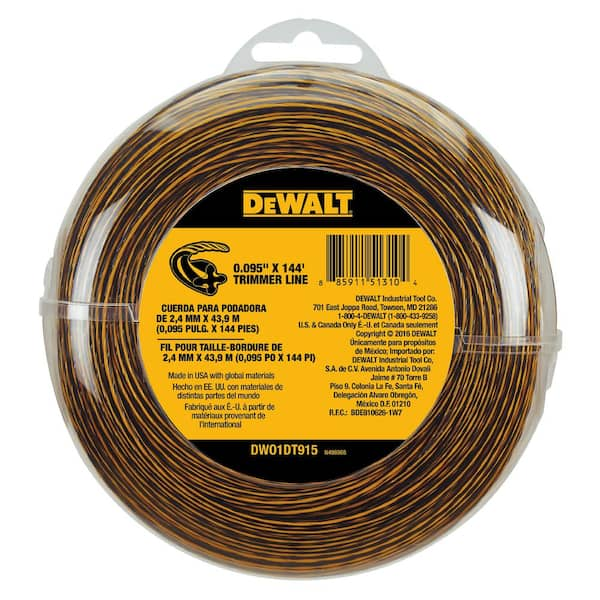
Source: thdstatic.com
What Size Line for DeWalt Trimmer
Choosing the correct size line for your DeWalt trimmer is crucial for achieving the best results. A thinner line, such as 0.080 inches, is ideal for light-duty tasks like trimming grass and small weeds. On the other hand, a thicker line, around 0.095 inches, works best for tougher tasks like cutting through heavy weeds and small brush. According to this post, matching the line size to your needs can improve performance and longevity.
Different tasks require different line sizes to maximize efficiency. Lightweight jobs are better handled with thinner lines, as they offer more precision and less wear on the trimmer motor. Conversely, heavier-duty jobs benefit from thicker lines that can better withstand the rigors of demanding work. It’s essential to understand these distinctions for optimal trimmer performance.
Not all trimmers are designed to accommodate various line sizes. It’s best to consult the manufacturer’s manual or website for specific recommendations. For many DeWalt trimmers, the two common sizes—0.080 inches and 0.095 inches—are frequently suggested. Always verify your model’s compatibility before making a purchase.
Using the right size line extends the life of your trimmer and ensures a clean, efficient cut. For more tips on maintaining your trimming equipment, you can read here is the article. Proper maintenance practices, when coupled with the right line size, will keep your DeWalt trimmer performing at its best for years to come.
Why the Right Size Matters in Trimming Jobs
Using the right size line for trimming jobs can make a significant difference in efficiency. For light tasks like trimming grass, a thinner line is more suitable. It allows for more precision, resulting in a cleaner cut. However, tackling tough weeds or thick grass requires a thicker line. The increased durability prevents frequent breakage during heavy-duty work.
Different line sizes also affect the trimmer’s performance and longevity. A line that’s too thick for light tasks can put unnecessary strain on the trimmer’s motor. This can lead to overheating and a shorter lifespan for the tool. Similarly, a thin line used for heavy-duty tasks will break more often, leading to more downtime and frustration. Therefore, choosing the appropriate size helps in maintaining a balanced workload.
Line size influences not just efficiency but also safety. A line too thin for the job can snap and cause accidents, while a line too thick might require more force to maneuver, leading to user fatigue. According to this expert opinion, knowing how to properly change and maintain your trimmer line can mitigate these risks. Ensuring you have the correct size gives peace of mind while working.
Using the right line size also impacts the quality of the job. For professional landscapers, the appearance of the cut is crucial. A suitable line produces a cleaner and more uniform cut, enhancing the overall look of the trimmed area. This is vital for customer satisfaction and repeat business.
The Basics of Choosing Trimmer Line Size
Selecting the right trimmer line size is crucial for optimal performance. The size of the line primarily depends on the type of trimming job you need to perform. Light-duty tasks, such as trimming grass, are best suited for a thinner line, typically around 0.065 to 0.080 inches. These lines are more precise and less likely to overload the trimmer motor. For more demanding tasks, a thicker line of 0.095 inches or more is recommended.
Understanding your trimmer’s capabilities is the next step in choosing the correct line size. Most trimmers come with specifications that indicate the optimal line size for the tool. Using a line that is too thick can put extra strain on the motor, leading to overheating and potential damage. Conversely, using a line that is too thin for heavy-duty tasks results in frequent breaks. Always consult the manufacturer’s guidelines to find the right balance.
The material of the trimmer line also affects its performance. Trimmer lines are made from different materials, such as nylon, which is durable and cost-effective. Some lines come with a reinforced core for added strength and longevity. This is especially useful for tough jobs where a standard line might wear out quickly. Keep your tasks in mind when choosing the material of the line.
To simplify the selection process, here is a brief guide:
- 0.065 – 0.080 inches: Light-duty tasks like trimming grass
- 0.095 inches: Medium-duty tasks such as cutting through weeds
- 0.105 inches and above: Heavy-duty tasks and professional landscaping
Using this guide can help you pick the most suitable line for your needs.
How Trimmer Line Size Affects DeWalt Trimmer Performance
The size of the trimmer line has a direct impact on the performance of your DeWalt trimmer. Light-duty lines, typically around 0.065 to 0.080 inches, allow for precise trimming and are ideal for small grass areas. These thinner lines put less strain on the trimmer’s motor, ensuring it runs smoothly. However, they are not durable enough for heavier tasks. Using them for tough jobs causes frequent line breaks and increased frustration.
For more demanding tasks, a thicker line is essential. Lines measuring 0.095 inches or more are designed to cut through dense weeds and small brush effortlessly. These thicker lines provide the necessary strength and durability for challenging jobs. However, using a thicker line can put more strain on your trimmer’s motor. It’s important to ensure your specific DeWalt model can handle the increased load.
Different line sizes also affect the quality of the trim. Thinner lines can produce a finer, cleaner cut, which is perfect for manicured lawns. In contrast, thicker lines might leave a rougher finish, but they excel in cutting through tougher vegetation. The choice of line size, therefore, depends on the desired outcome of your trimming task.
Fuel efficiency is another factor influenced by line size. Using a line that’s too thick for light-duty tasks can cause your trimmer to consume more fuel or battery power. Conversely, a line that’s too thin for heavy-duty tasks will also cause inefficiencies. Striking the right balance can help maximize your trimmer’s fuel efficiency and extend its operational life.
The weight and balance of the trimmer are impacted by the line size as well. A thicker line adds more weight to the cutting head, making it less maneuverable. This can lead to user fatigue during extended use. Understanding these factors helps in choosing the most appropriate line size for your specific needs.
To summarize:
- 0.065 – 0.080 inches: Best for light-duty tasks
- 0.095 inches: Suited for medium-duty tasks
- 0.105 inches and above: Ideal for heavy-duty tasks
Following this guide will help you get the best performance from your DeWalt trimmer.
Frequently Asked Questions
Understanding the different aspects of trimmer line size and its impact on performance can be essential for achieving the best results with your DeWalt trimmer. Here are some common questions and their answers to help you make informed decisions.
1. What types of materials are used in trimmer lines?
Trimmer lines are typically made from nylon, which is durable and cost-effective. Some advanced options include blended or reinforced nylon for added strength. For tougher jobs, you might find lines with a core made from materials like aluminum or polymers, adding extra durability and resistance to wear and tear.
The choice of material can significantly influence the performance and longevity of the line. For everyday gardening tasks, standard nylon is usually sufficient.
However, if you frequently tackle tough weeds or dense grass, opting for a stronger material will reduce frequent replacements and improve efficiency. Always consider the nature of your tasks when selecting a trimmer line material.
2. How do I know my DeWalt trimmer’s line size compatibility?
Your DeWalt trimmer’s user manual is the best source for determining compatible line sizes. It provides specific recommendations based on your model. Additionally, checking online resources like DeWalt’s official website offers updated information about compatibility.
If you’re unsure about which size to choose, it could lead to improper functioning of your tool. A thinner-than-recommended line may break easily during operation while a thicker one could strain the motor excessively. Therefore, always cross-check with reliable sources before purchasing new trimmer lines.
3. Can I use different shapes of trimmer lines with my DeWalt trimmer?
Yes, you can use various shapes like round, square, or twisted lines with DeWalt trimmers as long as they meet the size requirements outlined by DeWalt. Each shape offers unique advantages: round lines are less likely to wear quickly but may not cut as cleanly as square or twisted versions.
If precision trimming is essential for your task; square or twisted lines provide cleaner cuts due to their sharp edges. It’s important to experiment slightly within the recommended parameters provided by manufacturers so that you can find out what works best given differing project needs without compromising equipment safety standards.
Conclusion
Choosing the right size line for your DeWalt trimmer is essential for optimal performance and longevity. Thinner lines work best for light-duty tasks, while thicker lines are suited for more challenging jobs. Always consult your manual to ensure compatibility.
Understanding the factors that influence trimmer line performance allows you to make informed decisions. This ensures efficient, safe, and satisfactory trimming results every time. Investing in the right line size will keep your DeWalt trimmer running smoothly for years.

I’m Patricia D. Johnson, an affiliate marketer and blogger specializing in trimmers and grooming tools. I create honest reviews, buying guides, and practical tips to help readers choose the right trimmer for their needs. With a focus on quality, performance, and value, I simplify the decision-making process so consumers can make confident purchases.