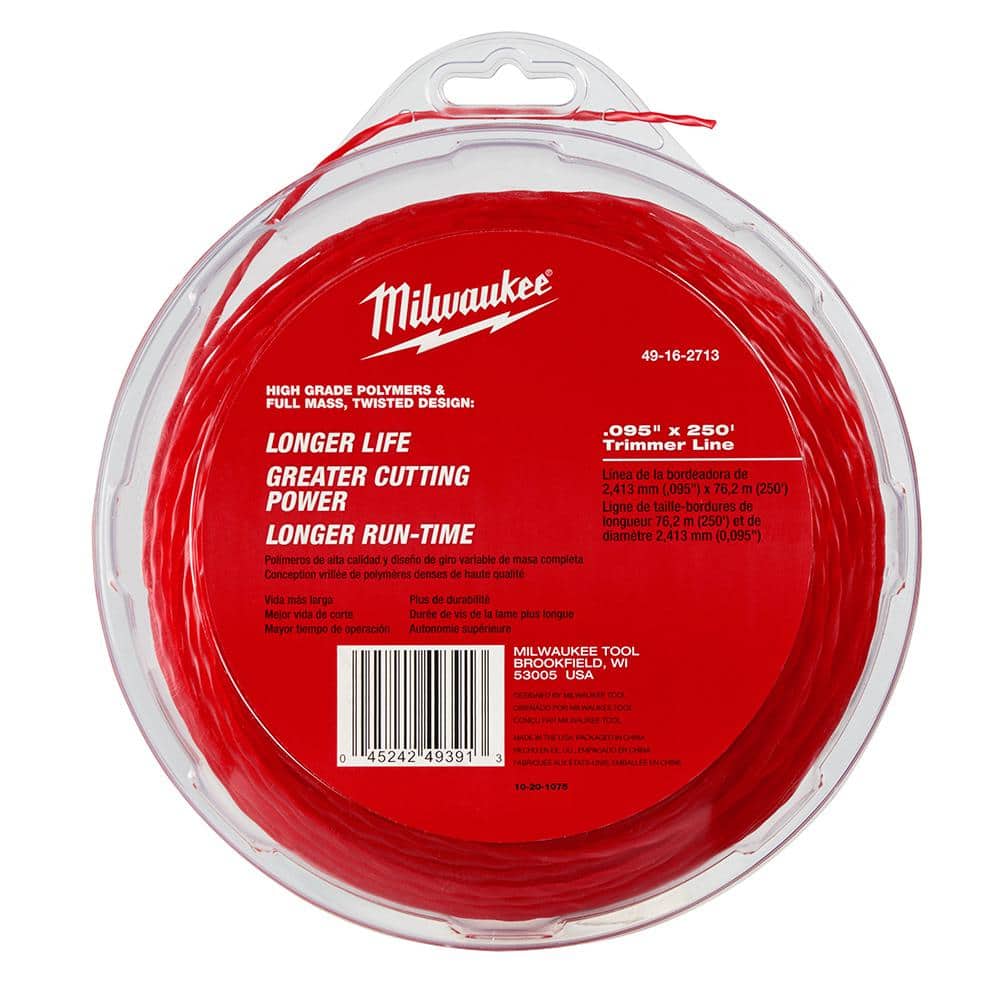
Surprising as it may seem, the right trimmer line size can greatly influence the efficiency and effectiveness of your lawn care routine. A mismatch in size could lead to frequent line breakage or even damage to your Milwaukee trimmer. This makes understanding the appropriate line size not just a matter of convenience, but essential for optimal performance.
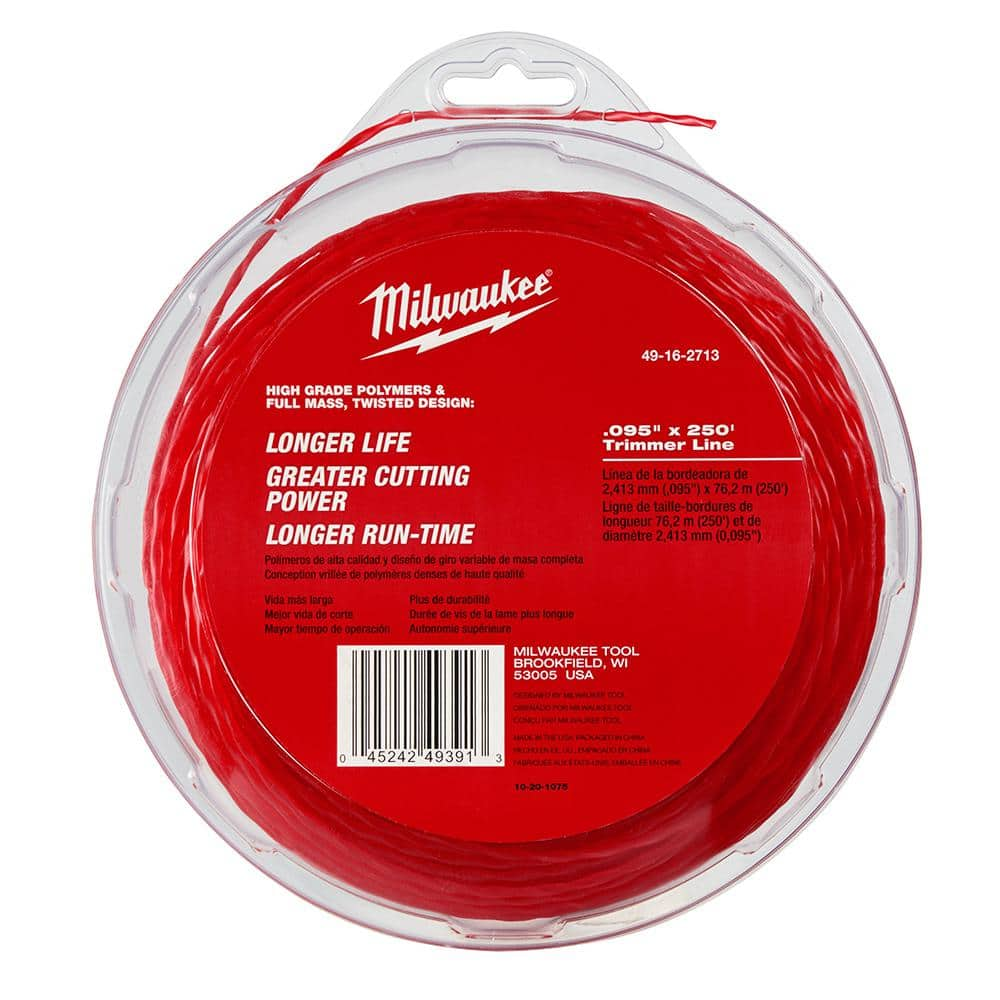
The Milwaukee trimmer typically uses a line size ranging from 0.080 to 0.095 inches in diameter, with 0.095 inches being the most recommended for a balance of durability and cutting power. Historically, the evolution of trimmer lines has seen a shift towards more resilient materials. A statistic worth noting is that properly sized line can increase the lifespan of the trimmer by up to 30%, reducing frequent replacements and maintenance.
Source: thdstatic.com
What Size Line for Milwaukee Trimmer
Choosing the correct line size for your Milwaukee trimmer can significantly impact its efficiency. The standard sizes typically range between 0.080 and 0.095 inches. Each size has its own advantages; for instance, a smaller diameter is lighter and spins faster, whereas a larger diameter is more durable. It’s crucial to match the line size with the job at hand. For heavy-duty tasks, 0.095 inches is highly recommended.
Using the wrong size line can lead to various issues, such as frequent breakage or poor cutting performance. According to this post, the durability of trimmer lines is greatly influenced by their size. Smaller lines are better for manicured lawns and lighter tasks. On the other hand, larger lines are best for tackling thick, stubborn weeds. This balance ensures that your trimmer performs at its best.
The design and material of the line also play a role in its effectiveness. Lines made from reinforced nylon or other tough materials are ideal for heavy-duty use. The shape of the line, such as round, square, or twisted, can affect how well it cuts through different types of vegetation. Understanding these variables helps in making an informed decision. For more details, you can refer to here is the article.
Regular maintenance of the trimmer line is essential for prolonging its lifespan and maintaining performance. Always ensure the spool is properly wound and the line is kept at the right tension. Checking and replacing the line before it gets too short is also a good practice. This not only enhances efficiency but also reduces the risk of damage to the trimmer itself.
Importance of Correct Line Size
Using the correct line size for your Milwaukee trimmer is crucial for achieving optimal performance. The right size ensures that the trimmer operates efficiently without unnecessary strain on the motor. Incorrect line sizes can lead to frequent breakage, which disrupts workflow and increases maintenance. According to this post, using the right line size can prevent such issues. This ultimately saves time and reduces costs.
When you choose the correct line size, you extend the lifespan of your trimmer. A properly fitted line minimizes wear and tear on the equipment. This prevents the need for frequent replacements. It also ensures that the trimmer cuts effectively, providing a clean finish. These benefits are especially significant for professionals who rely on their tools for daily tasks.
Different tasks require different line sizes, making it important to select the right one for the job. For light tasks, a smaller diameter line is sufficient. For heavy-duty work, a thicker line is more suitable. This tailored approach enhances efficiency and ensures the trimmer can handle various vegetation types. It is a small adjustment that leads to significant improvements in performance.
Improper line size can also affect safety. A poorly matched line can cause the trimmer to vibrate excessively or even malfunction. Ensuring the correct line size helps maintain stable operation and reduces the risk of accidents. Following manufacturer recommendations for line size ensures safety precautions are met. This makes the task safer and more effective.
How Line Size Affects Trimmer Performance
The line size of your trimmer significantly influences its performance. A thicker line, such as 0.095 inches, offers more durability, making it ideal for heavy-duty tasks like cutting through dense weeds. However, it may put more strain on the trimmer’s motor, potentially leading to quicker wear and tear. On the other hand, a thinner line, around 0.080 inches, is lighter and allows for faster spinning. This makes it suitable for lighter tasks but also means it may break more easily.
Different line sizes also affect the precision and quality of the cut. Thicker lines are less likely to snap and can handle rough terrain, providing a robust cut. Conversely, thinner lines offer more precision, making them suitable for trimming grass around delicate plants. This adaptability ensures that you can use your trimmer for a variety of tasks. Balancing the thickness of the line with the task at hand is key for effective trimming.
The material of the trimmer line also plays a role in performance. Reinforced nylon or other hardy materials provide extended durability and better performance. The shape, whether round, square, or twisted, impacts how efficiently the trimmer cuts. Different shapes can suit different types of vegetation, which helps in choosing the right line for specific needs. This attention to detail enhances the overall functionality of the trimmer.
The proper line size can also impact the safety and ease of use of the trimmer. Lines that are too thick or too thin can cause the trimmer to vibrate excessively, making it harder to control. Ensuring that you have the correct line size reduces this risk, offering smoother operation. This makes the task more manageable and less tiring. Proper maintenance and the right line size are critical for safe and efficient operation.
Choosing the Right Line for Your Milwaukee Trimmer
Selecting the right line for your Milwaukee trimmer requires understanding the various types available. The most commonly used are standard round lines, which are versatile and suitable for general trimming tasks. Square and star-shaped lines offer better cutting power and durability, making them ideal for tougher vegetation. Twisted lines provide noise reduction and a cleaner cut. Each type has its own strengths and weaknesses.
The diameter of the trimmer line is another crucial factor to consider. For residential use, a line diameter of 0.080 inches is often sufficient for most lawn care tasks. For more demanding jobs, such as overgrown grass or weeds, a thicker line of 0.095 inches is recommended. Milwaukee trimmers are compatible with a range of line sizes, offering flexibility. This allows you to switch lines depending on the task at hand.
Material quality is also an important consideration when choosing a trimmer line. Lines made of reinforced nylon or multi-layered composite materials tend to last longer and provide better performance. Some lines even have an added layer of coating that enhances durability. Opting for a high-quality line can save you money in the long run by reducing the need for frequent replacements. High-quality materials contribute to a smoother trimming experience.
Environmental conditions can also affect your choice of trimmer line. In hot and dry climates, lines can become brittle and break more easily. Opting for a line with added UV protection can help mitigate this issue. Similarly, in wet conditions, some lines may absorb moisture and lose durability. Matching the line material to your environmental conditions helps maintain consistent performance.
Ease of installation is another factor to think about. Some trimmer lines are easier to load than others, which can save you time and effort. Always refer to the Milwaukee trimmer’s manual for guidelines on which lines are recommended and how to properly install them. This ensures you get the best performance and reduces wear on the trimmer. Proper installation impacts both efficiency and safety.
Frequently Asked Questions
Here you will find answers to common questions about the best line size for your Milwaukee trimmer. Each response aims to provide clear, helpful information to enhance your lawn care experience.
1. How do I choose the right trimmer line material?
The choice of trimmer line material depends on the type of work you’ll be doing. For light trimming, standard nylon lines are sufficient and cost-effective. However, for more demanding tasks involving thick grass or weeds, you should consider reinforced nylon or multi-layered composite materials. These options provide added durability and cutting power.
Additionally, some advanced trimmer lines come with an extra coating that offers better resistance to wear and tear. This can be crucial in environments with rough vegetation or abrasive surfaces. Always check the compatibility of these materials with your specific Milwaukee trimmer model to ensure optimal performance.
2. What shape of trimmer line works best for heavy-duty tasks?
Square and star-shaped trimmer lines are especially effective for heavy-duty tasks. Their sharp edges make it easier to cut through dense weeds and overgrown grass compared to round lines. The extra cutting points help slice through tough vegetation quickly, reducing the strain on both the equipment and user.
If noise reduction is important to you, twisted lines also offer powerful cutting capabilities along with quieter operation. These shapes help maintain a balance between durability and performance while ensuring efficient use of your Milwaukee trimmer.
3. Can changing my trimmer line improve efficiency?
Yes, changing your trimmer line according to the task can significantly improve efficiency. A fresh line cuts more effectively than a worn one and requires less effort from both the motor and user. Regularly switching out old lines ensures consistent performance and helps prevent unnecessary stress on the equipment.
If you’re tackling thick brush or overgrown areas, upgrading to a thicker or more robust line can make a noticeable difference in cutting speed and precision. Keeping a variety of compatible lines on hand allows you to easily adapt to different trimming needs.
4. How often should I replace my trimmer line?
The frequency of replacing your trimmer line depends on how often you use it and the types of vegetation you’re trimming. For regular users who frequently deal with heavy grass and weeds, replacing the line every month might be necessary. Periodic checks can help identify when growth becomes insufficient for effective trimming.
If you’re using high-quality or specially coated lines designed for longevity, you may find replacements are needed less frequently—perhaps every few months instead of monthly intervals—depending on usage intensity as well maintenance habits maintained toward keeping trimers clean overall.
Conclusion
Selecting the right trimmer line for your Milwaukee trimmer is essential for achieving optimal performance and efficiency. Different line sizes, shapes, and materials offer varying benefits depending on the task at hand. Regular maintenance and line replacement can greatly enhance the trimmer’s effectiveness and lifespan.
Investing in high-quality, durable trimmer lines can save time and effort in the long run. This ensures you are well-equipped to tackle various lawn care tasks with ease and precision. By making informed decisions, you can maintain a well-manicured landscape effortlessly.

I’m Patricia D. Johnson, an affiliate marketer and blogger specializing in trimmers and grooming tools. I create honest reviews, buying guides, and practical tips to help readers choose the right trimmer for their needs. With a focus on quality, performance, and value, I simplify the decision-making process so consumers can make confident purchases.