
Yes, dog nail trimming is necessary for the health and well-being of your pet. Neglecting nail trimming can lead to discomfort, pain, and potential health issues for dogs.
A dog’s nails continually grow, and if they become too long, they can cause problems. Overgrown nails can affect a dog’s posture, walking, and overall mobility. They may cause the nails to curl and dig into the paw pads, leading to pain and infection.
Moreover, long nails can also get caught on surfaces, causing injury or tearing. Regular nail trimming ensures that a dog’s nails remain at a safe and appropriate length. It helps prevent discomfort, potential injuries, and promotes better overall mobility. Therefore, it is crucial to include nail trimming as part of your dog’s routine grooming and care.
1. Short Nails For A Happy Pooch
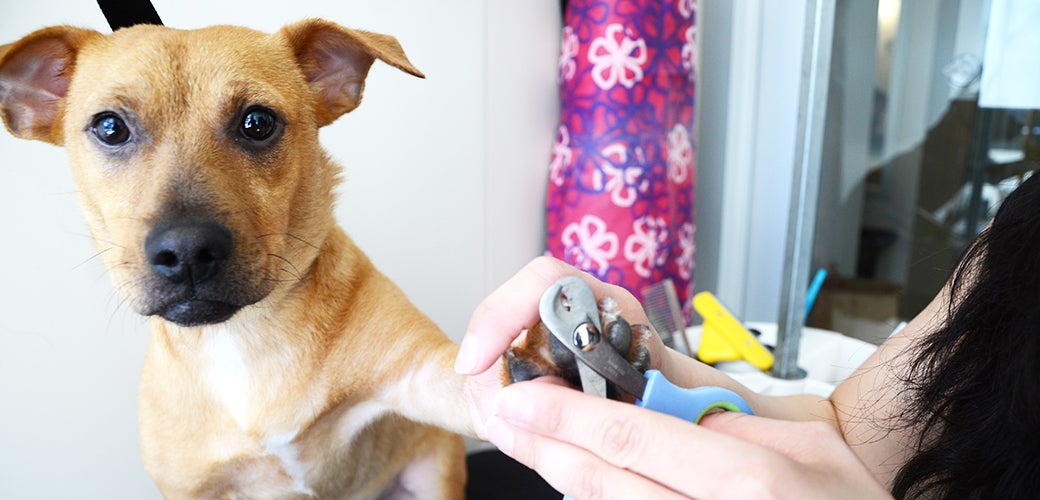
Short nails are essential for a happy pooch. Trimming your dog’s nails regularly is crucial in preventing pain and discomfort. They can cause their paws to feel sore, and overgrown nails can even lead to injury. Not only does regular nail trimming reduce the risk of infections, but it also promotes overall mobility and balance.
Long nails alter a dog’s gait, putting extra strain on their joints and tendons. This can result in difficulty walking or running comfortably. By maintaining shorter nails, your furry friend will enjoy improved movement and a reduced risk of slipping or skidding on smooth surfaces.
Trimming your dog’s nails can be a simple task done at home, or you can seek the assistance of a professional groomer. Whichever option you choose, ensuring your dog’s nails are kept at an appropriate length is crucial for their overall well-being and happiness.
Credit: www.aspca.org
2. Benefits Of Regular Nail Trimming
Regular nail trimming for dogs is essential for various reasons. One of the key benefits is protecting against nail overgrowth. When nails are not trimmed regularly, they can become too long, causing discomfort for the dog. Overgrown nails can also lead to mobility issues and discomfort while standing or walking.
Nail trimming also helps in preventing nail breakage and splintering. Long nails are more prone to breaking or splitting, which can be painful for the dog. Regular trimming ensures that the nails remain strong and healthy, reducing the risk of any cracks or breaks.
In addition, regular nail trimming is an effective way of safeguarding your furniture and flooring. Long nails can cause scratches on the floor or furniture when your dog moves around. Trimming the nails helps in keeping them smooth and reduces the chances of any accidental damage to your belongings.
Techniques For Safe And Effective Nail Trimming
Dog nail trimming is an essential part of dog grooming, and it is necessary to maintain your pet’s overall health and well-being. To ensure safe and effective nail trimming, you need to gather the necessary tools such as a clipper or grinder specifically designed for dogs. Additionally, it is crucial to get your dog accustomed to handling their paws from a young age. Regularly touching their paws, massaging them, and providing treats during this process will help them feel more comfortable. When it comes to the actual nail clipping technique, it is important to know the anatomy of the dog’s nail. Avoid cutting too much of the nail, as it may lead to bleeding and pain. It is better to trim a little and frequently rather than too much at once. If you are worried about cutting too much, you can file the nails instead of using clippers. By following these safe and effective techniques, you can overcome the fear of cutting too much and ensure your dog’s nails are properly maintained.
Alternative Methods For Nail Maintenance
“Is Dog Nail Trimming Necessary” explores whether dogs really need their nails trimmed regularly. However, there are alternative methods for maintaining nail health besides traditional clippers. One option is using a grinder or file to gradually shorten the nail. This method allows for more precision and reduces the risk of cutting into the quick. For those who prefer professional assistance, seeking help from a groomer or veterinarian ensures proper nail care. These experts have the knowledge and tools to trim nails safely and effectively. Alternatively, introducing regular walks on abrasive surfaces can naturally wear down the nails. This method mimics the natural wear and tear a dog’s nails would experience in the wild. Choosing alternative methods for nail maintenance can provide options for dog owners who may struggle with traditional nail clippers.”
5. Tips For A Positive Nail Trimming Experience
Dog nail trimming is necessary for maintaining your pet’s health and comfort. Here are 5 tips to ensure a positive experience: 1) Use the right tools, 2) Start slow and gentle, 3) Reward your dog, 4) Trim gradually and carefully, and 5) Seek professional help if needed.
Keep your furry friend’s paws in tip-top shape!
Positive reinforcement and rewards: Using positive reinforcement techniques, such as treats and praise, can help create a positive association with nail trimming. Reward your dog with a treat or verbal praise after each successful nail trim to encourage good behavior.
Gradual acclimation to nail trimming: Start by getting your dog familiar with the nail trimming process. Begin by touching their paws gently and then gradually introduce the nail clippers. Take it slow and allow your dog to get comfortable with each step before proceeding to the actual nail trimming.
Seeking assistance if your dog is anxious or aggressive: If your dog is anxious or aggressive during nail trims, it’s essential to seek assistance from a professional dog groomer or veterinarian. They have the necessary experience and tools to handle difficult situations while keeping your dog safe.
6. Understanding The Different Types Of Dog Nails
Dogs have different types of nails, each with its own unique anatomy and characteristics. It’s important to understand these distinctions to determine the appropriate nail trimming frequency for your furry friend.
| Nail Type | Description |
| Dewclaws | The dewclaws are the nails located higher up on a dog’s leg, usually near the wrist. They don’t typically touch the ground and may require specific attention to prevent overgrowth. |
| Front Nails | The front nails are the nails that dogs primarily use for walking. They are weight-bearing and tend to wear down naturally, although regular trimming may still be necessary. |
| Back Nails | The back nails are located closer to the dog’s body, and they are usually less exposed to wear. As a result, they may require more frequent trimming compared to the front nails. |
To maintain your dog’s nail health, it’s essential to adjust the trimming frequency based on the type of nails they have. Regularly monitoring each type will help you determine when trimming is necessary.
Remember that keeping your dog’s nails at an appropriate length is crucial for their comfort and mobility. Neglecting nail trimming can lead to discomfort, pain, and various complications. Consult with a professional veterinarian or groomer for guidance on the best nail care practices for your specific dog.
7. Addressing Common Nail Trimming Concerns
Many dog owners wonder ifdog nail trimming is really necessary. The answer is yes. Proper nail care is essential for a dog’s overall health and well-being. Addressing common concerns can help ease anxiety surrounding the process.
One common concern is bleeding during nail trimming. While it can be alarming, it’s important to know how to stop it quickly. Applying a styptic powder or using a styptic pencil can help coagulate the blood and stop the bleeding.
Another concern is managing long quicks. Regular nail trims can help gradually shorten the quick over time, reducing the chances of bleeding. Additionally, it’s essential to prevent pain during nail trimming. Familiarize yourself with your dog’s tolerance, use proper tools, and take breaks if needed.
Finally, knowing when to trim your dog’s nails is crucial. Regular trimmings based on nail length and foot shape can prevent discomfort or potential injuries.
Frequently Asked Questions For Is Dog Nail Trimming Necessary
Is Dog Nail Trimming Necessary For Their Health?
Yes, dog nail trimming is necessary for their overall health. Overgrown nails can cause pain, discomfort, and difficulty in walking. Regular trimming prevents nail splitting, ingrown nails, and reduces the risk of infection or injury.
How Often Should I Trim My Dog’s Nails?
The frequency of nail trimming depends on your dog’s breed, activity level, and how quickly their nails grow. Generally, trimming every 2-4 weeks is recommended. Regularly check your dog’s nails and trim them when they start to touch the ground or curl.
What Happens If I Don’t Trim My Dog’s Nails?
Neglecting dog nail trimming can lead to various problems. Overgrown nails can cause pain, difficulty in walking, and may even lead to skeletal or joint issues. Long nails are prone to snagging or breaking, which can result in bleeding and infection.
Can’t My Dog’s Nails Naturally Wear Down?
While some dogs’ nails do naturally wear down through walking and activities, others may require regular trimming. Factors such as walking surfaces, breed, and exercise level can affect the natural wear and tear of the nails. It is important to monitor your dog’s nails and trim when necessary.
Conclusion
To conclude, regular dog nail trimming is a necessary aspect of responsible pet ownership. Neglecting this grooming task can lead to discomfort, pain, and even long-term health issues for your furry friend. By maintaining their nails at an appropriate length, you can prevent injuries, improve their mobility, and ensure their overall well-being.
So, make sure to prioritize this simple yet crucial practice to keep your dog happy and healthy.

I’m Patricia D. Johnson, an affiliate marketer and blogger specializing in trimmers and grooming tools. I create honest reviews, buying guides, and practical tips to help readers choose the right trimmer for their needs. With a focus on quality, performance, and value, I simplify the decision-making process so consumers can make confident purchases.